Artwork
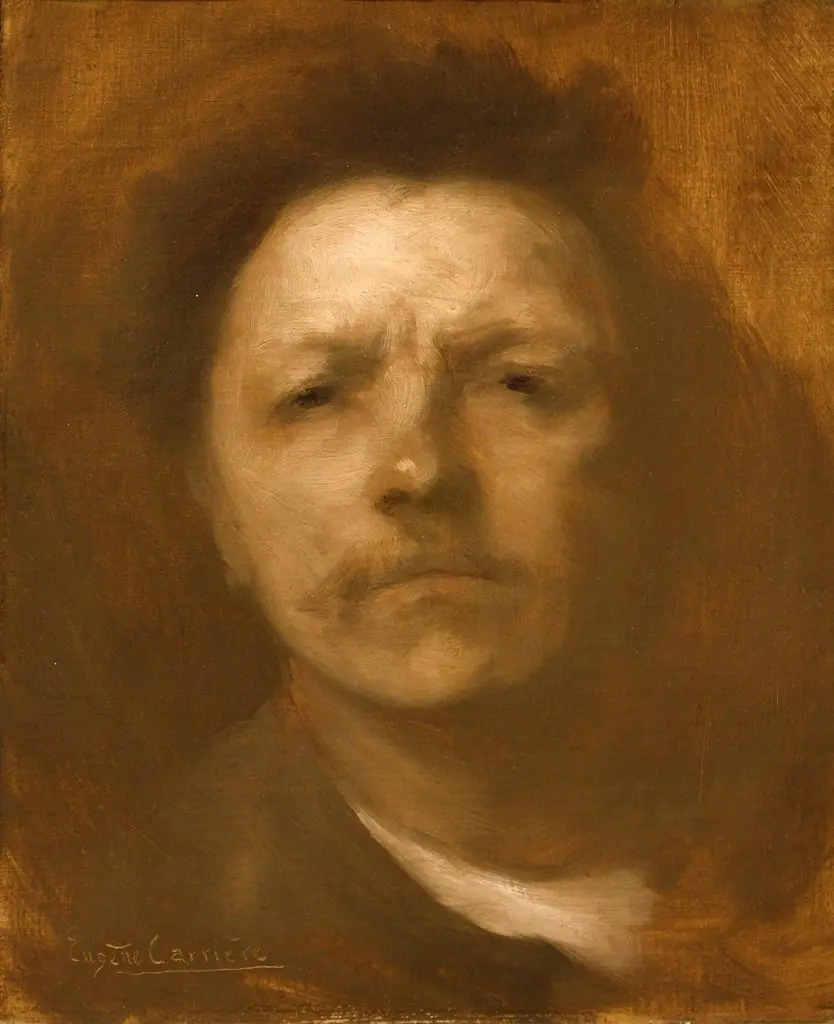
Portrait of Clemenceau
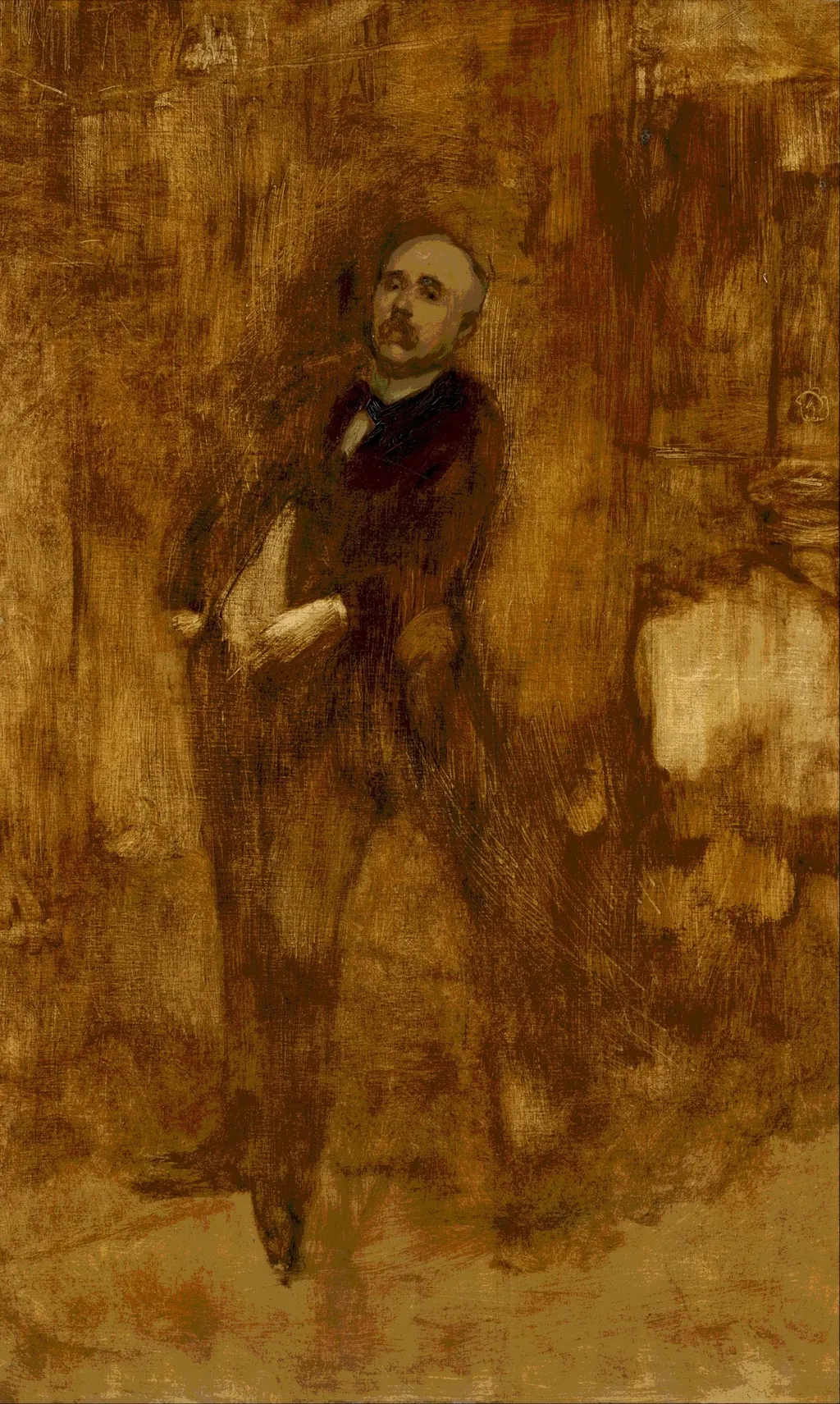
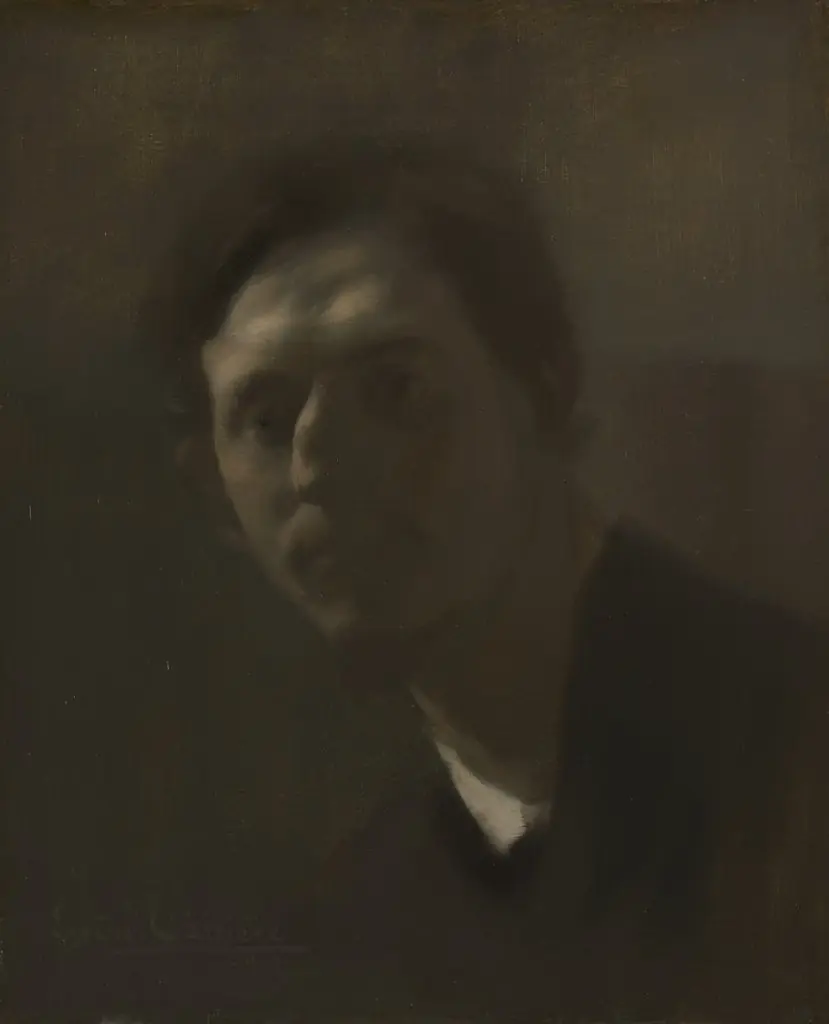
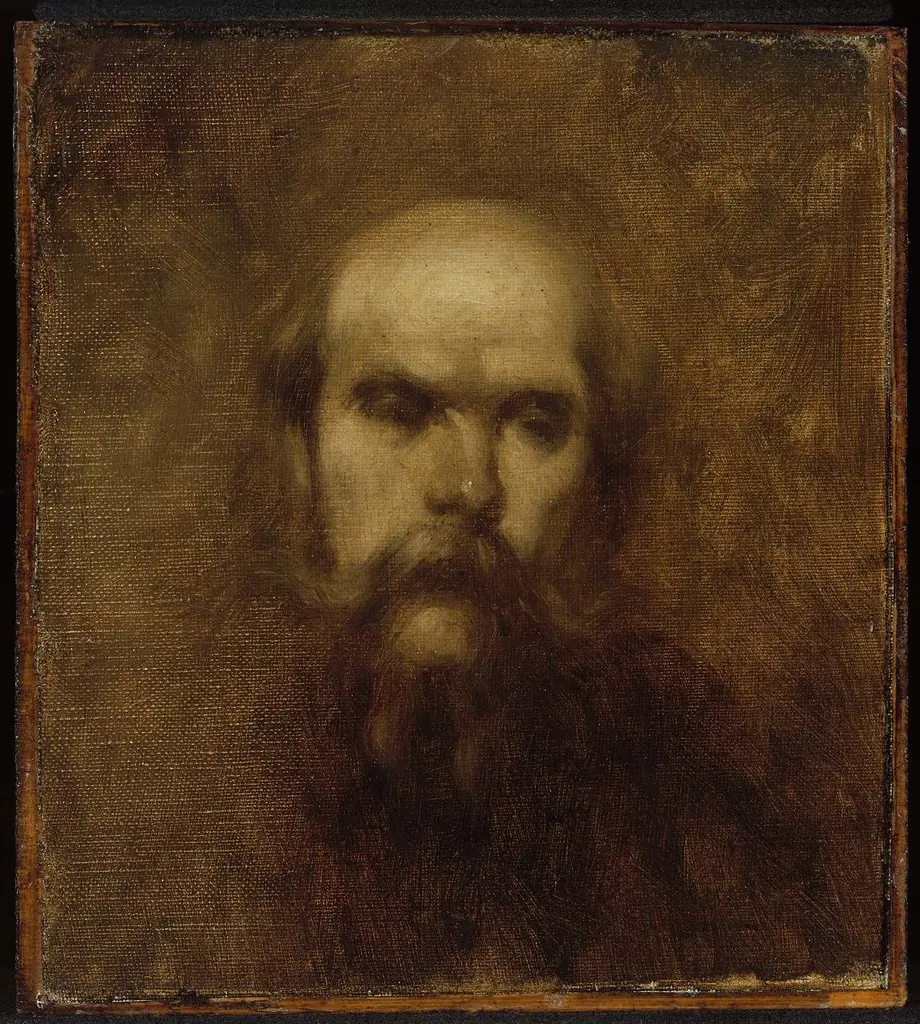
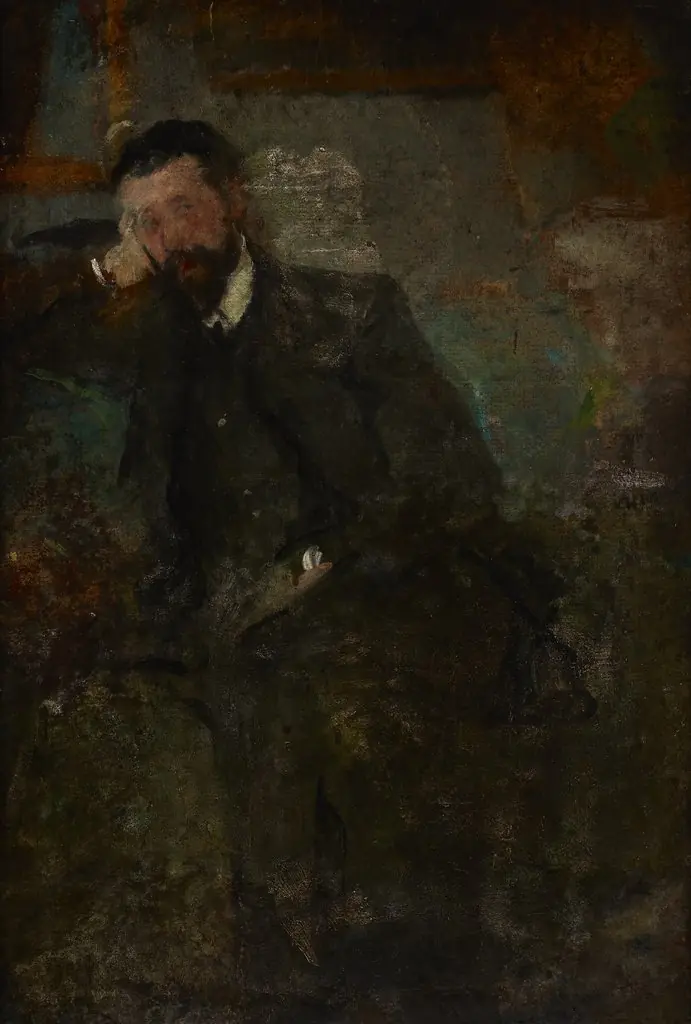
Portrait of Clemenceau is an oil painting by the Post-Impressionist artist Eugène Carrière. It dates from 1895 and is held in the collection of the National Museum of Western Art.
About this work
Overview
Portrait of Clemenceau is an oil painting executed by French artist Eugène Carrière in 1895. It is a portrait of a man, now part of the collection at the National Museum of Western Art.
Subject & Meaning
The subject, likely Georges Clemenceau, is depicted in formal attire with a serious, introspective expression, suggesting a moment of solemn contemplation.
Technique & Style
Carrière employed realism in rendering the subject's facial features, combined with chiaroscuro to create depth. A muted, earthy-toned background emphasizes the figure, contributing to an overall somber atmosphere.
History & Provenance
Created in 1895, the painting is currently held in the collection of the National Museum of Western Art, though specific details of its acquisition or previous ownership are not provided here.
Context
Eugène Carrière, known for his portraits and emphasis on capturing the inner life of his subjects, created this work during a period when impressionism and realism coexisted in French art. This piece leans towards realism with its detailed, somber portrayal.
Legacy
While specific legacy details of 'Portrait of Clemenceau' are not highlighted, it contributes to Carrière's body of work known for psychological depth in portraiture, reflecting late 19th-century artistic tendencies towards capturing introspection.
Own this work as a print
Artist & collection

Artist
Eugène Anatole Carrière was a French Symbolist artist of the fin-de-siècle period.