Artwork
Illustrations for Faust: Duel of Faust and of Valentin
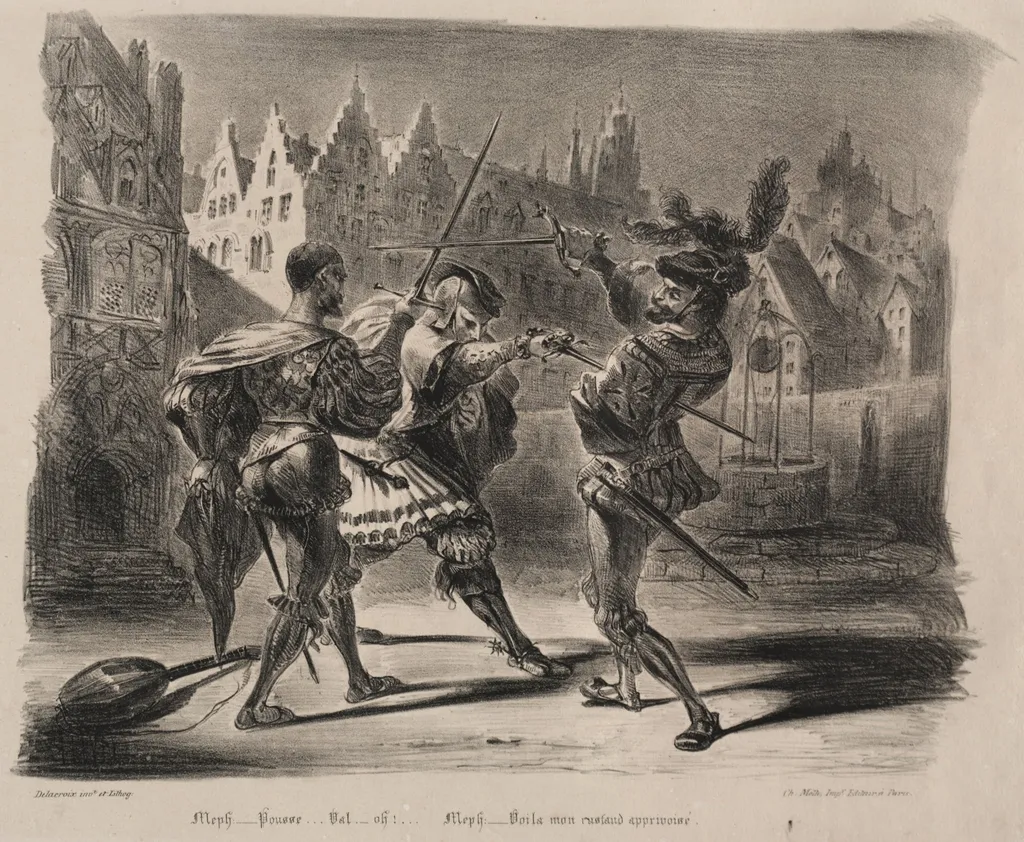
Illustrations for Faust: Duel of Faust and of Valentin is a print by the Romanticist artist Eugène Delacroix. It dates from 1828 and is held in the collection of the Cleveland Museum of Art.
About this work
Overview
Created during the height of French Romanticism, the work reflects his interest in literary drama and emotional intensity.
Eugène Delacroix produced this print in 1828 as part of a series illustrating Goethe’s *Faust*. Created during the height of French Romanticism, the work reflects his interest in literary drama and emotional intensity. Unlike academic traditions favoring clarity and restraint, Delacroix prioritized movement and atmospheric expression, aligning his approach with the broader Romantic rejection of rigid classical norms.
Subject & Meaning
The scene captures the fatal confrontation between Faust, Valentin, and Mephistopheles from Goethe’s tragedy. Valentin, the soldier, seeks vengeance for his sister’s downfall, while Faust, manipulated by Mephistopheles, is drawn into violence. The three figures, locked in a tense standoff, embody moral conflict and the consequences of transgression. Delacroix emphasizes the inevitability of fate through their rigid postures and the looming architecture behind them.
Technique & Style
Delacroix employed bold, energetic brushwork and a restricted palette dominated by dark tones to heighten the scene’s urgency. His handling of light and shadow isolates the figures against a shadowy medieval backdrop, enhancing the sense of impending violence. The composition avoids symmetry, instead using diagonal lines and overlapping forms to generate kinetic tension, a hallmark of his indebtedness to Rubens and Venetian colorism.
History & Provenance
Commissioned as illustrations for a French edition of Goethe’s *Faust*, the series was published in 1828. Delacroix created both drawings and lithographs for the project, with this image among the most widely circulated. The prints were distributed to collectors and literary circles, reinforcing Delacroix’s reputation as an artist capable of translating complex literary themes into compelling visual narratives.
Context
In the late 1820s, French artists increasingly turned to literature for subject matter, seeking emotional depth beyond historical or mythological themes. Goethe’s *Faust*, with its exploration of ambition, guilt, and the supernatural, resonated with Romantic sensibilities. Delacroix’s illustrations contributed to a broader cultural moment in which literature and visual art intersected to express inner turmoil and existential conflict.
Legacy
Delacroix’s *Faust* illustrations influenced later generations of artists drawn to literary and psychological themes. His emphasis on expressive movement and emotional ambiguity helped redefine the role of illustration in fine art, moving it beyond mere narrative decoration. The series remains a key example of how Romantic ideals shaped visual interpretations of literary masterpieces in 19th-century Europe.
Artist & collection
Artist
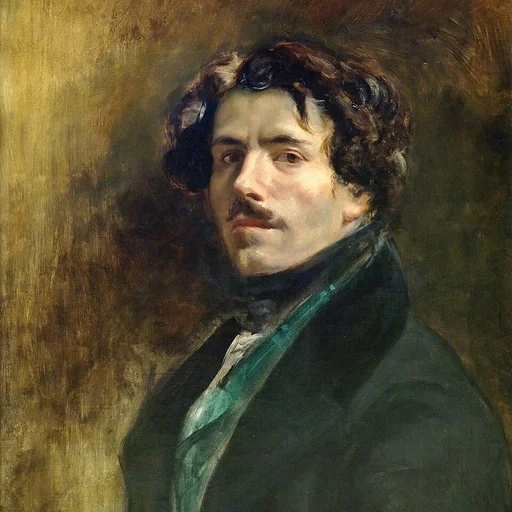
Ferdinand Victor Eugène Delacroix ( DEL-ə-krwah, -KRWAH; French: ; 26 April 1798 – 13 August 1863) was a French Romantic artist who was regarded as the leader of the French Romantic school.

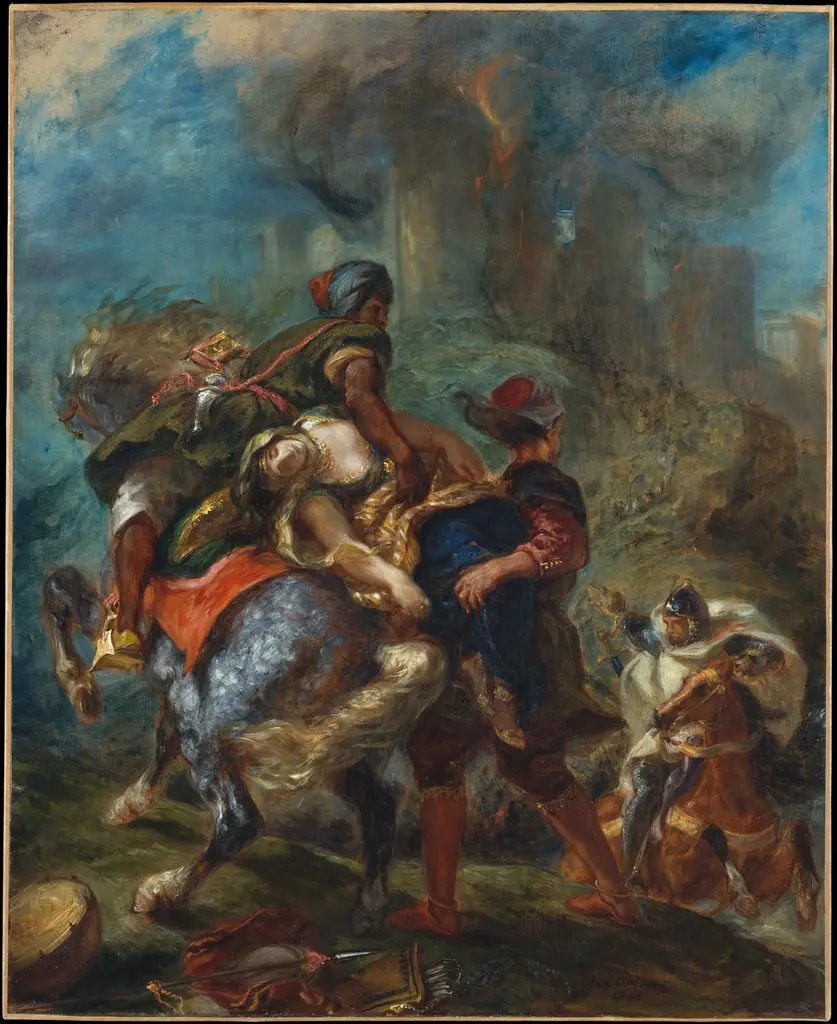
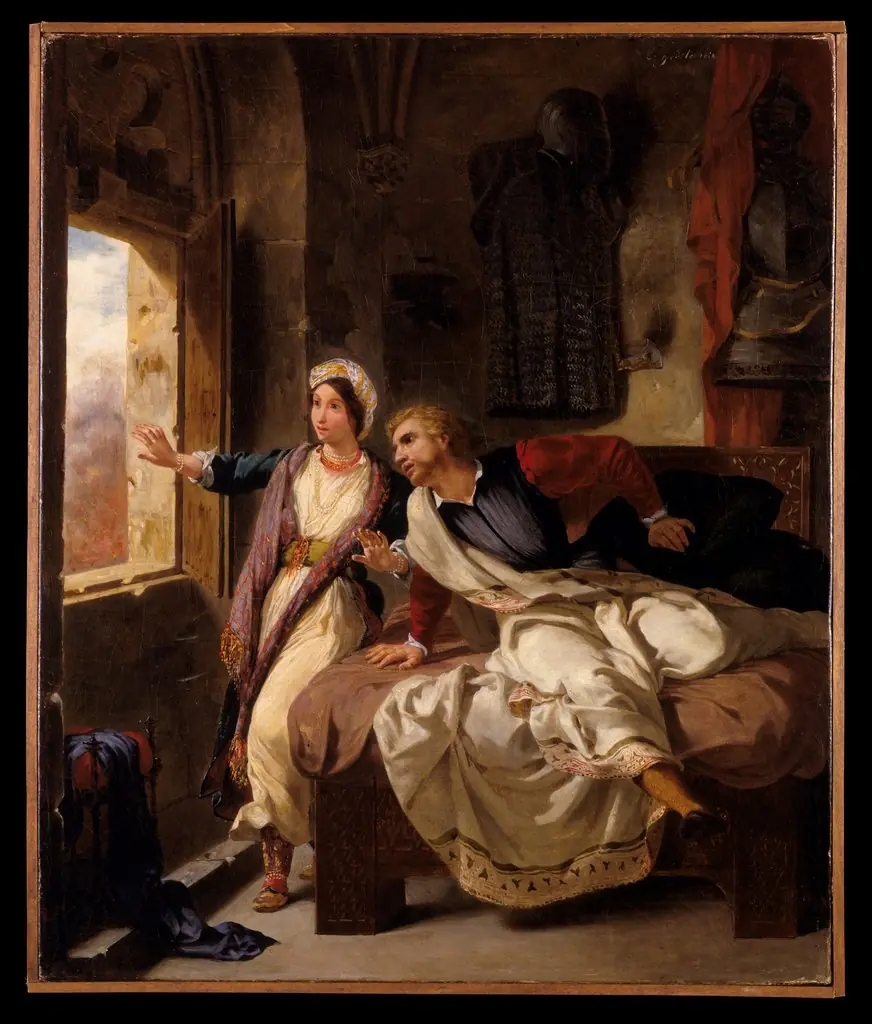
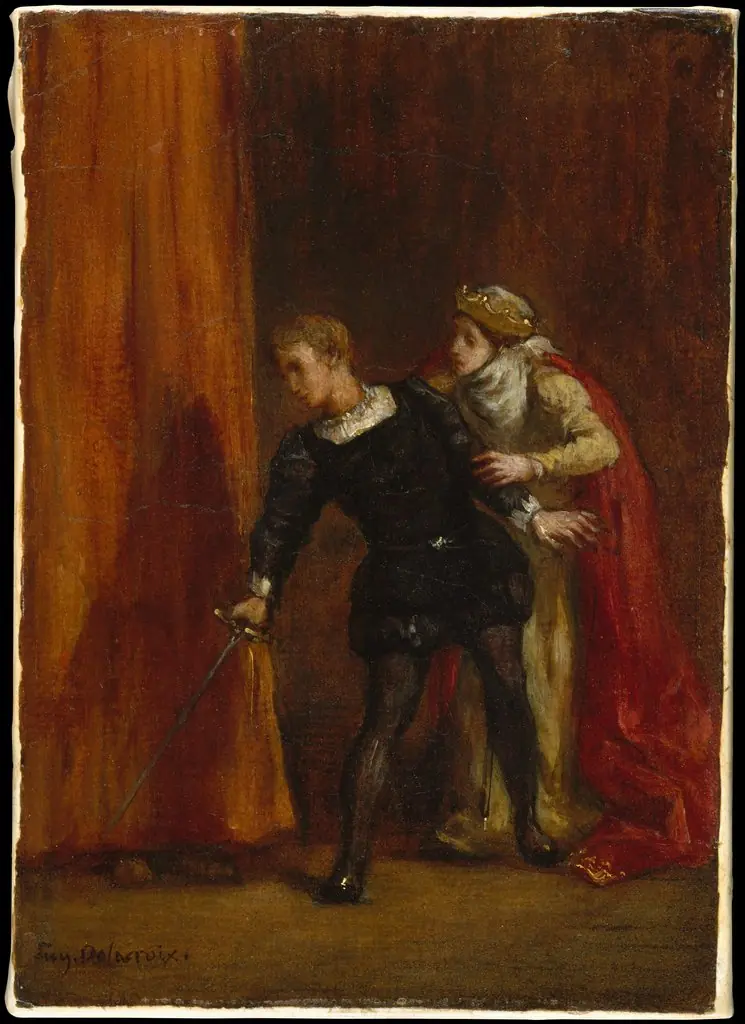
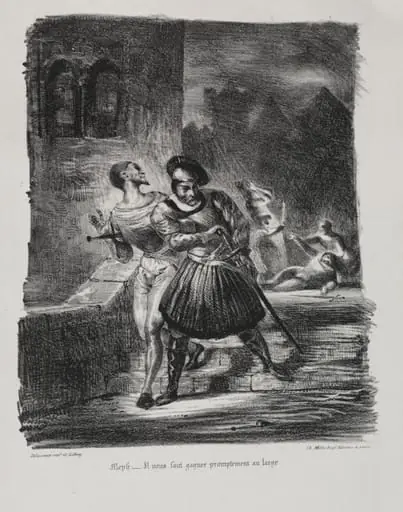 Illustrations for Faust: Méphistophélés and Faust flee after the duel
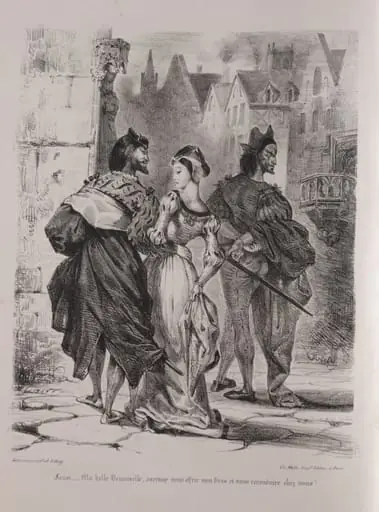 Illustrations for Faust: Faust seeks to allure Marguerite
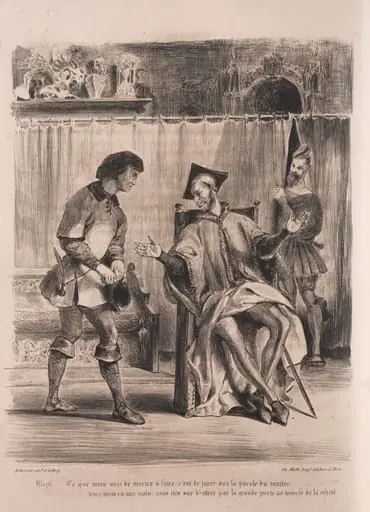 Illustrations for Faust: Méphistophélé receives the schoolboy
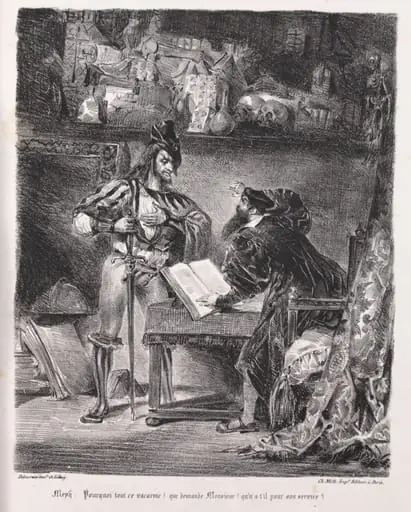 Illustrations for Faust: Méphistophélés visits Faust
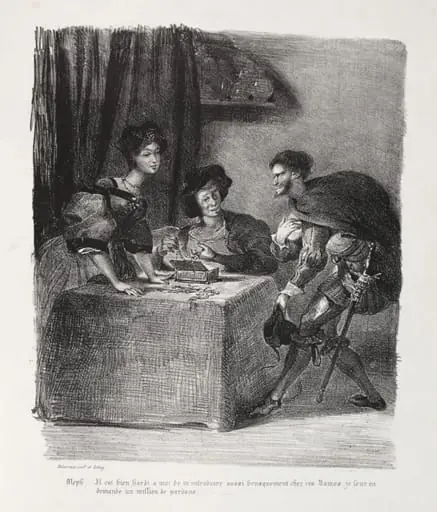 Illustrations for Faust: Méphistophelés is at Marthe
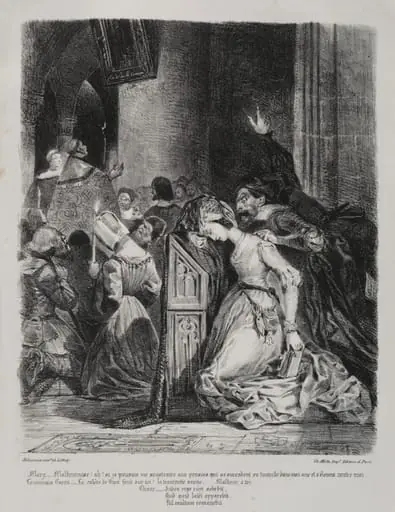 Illustrations for Faust: Marguerite at church
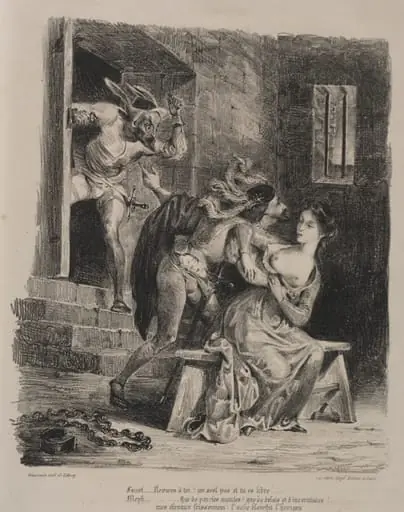 Illustrations for Faust: Faust in the prison of Marguerite
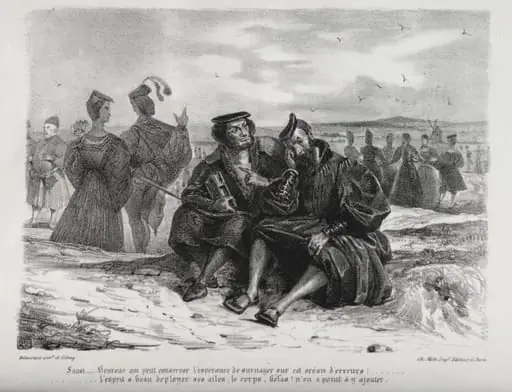 Illustrations for Faust: Faust and Wagner
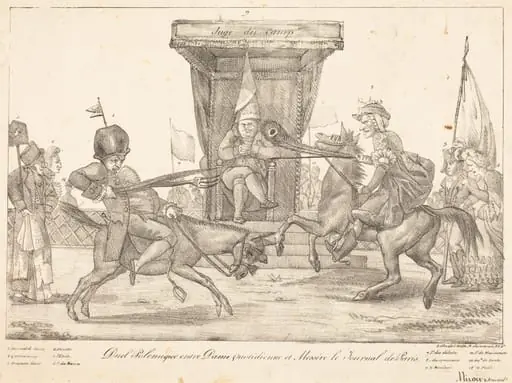 Duel Polemique