Artwork
The Port of Boulogne
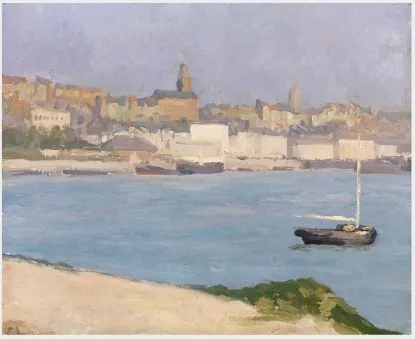
The Port of Boulogne is an oil painting by the Impressionist artist Eugène-Emmanuel Lemercier. It dates from 1909 and is held in the collection of the National Gallery of Ireland.
About this work
Overview
Executed in the Impressionist tradition, the painting emphasizes atmospheric effects and the transient qualities of light over detailed realism.
Painted in 1909 by French artist Eugène-Emmanuel Lemercier, *The Port of Boulogne* is an oil-on-canvas work that captures a quiet moment at a northern French harbor. Executed in the Impressionist tradition, the painting emphasizes atmospheric effects and the transient qualities of light over detailed realism. Its composition centers on a small sailboat against a backdrop of urban architecture, reflecting Lemercier’s interest in everyday coastal life.
Subject & Meaning
The scene portrays the port of Boulogne-sur-Mer with a single sailboat gliding across water, its white sail catching the wind. Behind it, a cluster of buildings—some tall, others modest—suggests the town’s maritime character. The absence of human figures shifts focus to the interplay between nature and infrastructure, conveying a sense of quiet industry rather than bustling commerce. The painting invites contemplation of the harbor as a place of routine, not spectacle.
Technique & Style
Lemercier employed loose, visible brushstrokes to render the water’s surface and the sky’s shifting hues, typical of Impressionist practice. Blues and greens dominate the palette, with subtle variations suggesting reflections and atmospheric depth. The sailboat is rendered with minimal detail, its form suggested rather than defined, while the buildings in the distance are simplified into blocks of color. This approach prioritizes mood and movement over precision.
History & Provenance
Created in 1909, the painting entered the collection of the National Gallery of Ireland at an unknown date. Lemercier, who later served as a soldier in World War I, was not a widely exhibited artist during his lifetime, which may explain the limited documentation surrounding this work. Its presence in the gallery suggests it was acquired through donation or purchase from a private collection, though specific provenance details remain unrecorded.
Context
In the early 20th century, French coastal towns like Boulogne were popular subjects for artists drawn to their light and maritime rhythms. While major Impressionists focused on Parisian suburbs or southern coasts, lesser-known painters like Lemercier documented northern ports with similar sensitivity. This work reflects a broader trend of regional Impressionism, where local scenes were rendered with emotional nuance rather than grand narrative.
Legacy
Though Lemercier’s oeuvre remains relatively obscure, *The Port of Boulogne* endures as a quiet example of early 20th-century French Impressionism outside the Parisian spotlight. Its inclusion in the National Gallery of Ireland’s collection ensures its accessibility to scholars and the public. The painting contributes to a more inclusive understanding of the movement, highlighting how its principles were applied beyond its most famous practitioners.
Artist & collection

Artist
Eugène Lemercier (7 November 1886 – 6 April 1915) was a French artist and soldier in World War I.

 View of Constantinople. From the journey to Constantinople
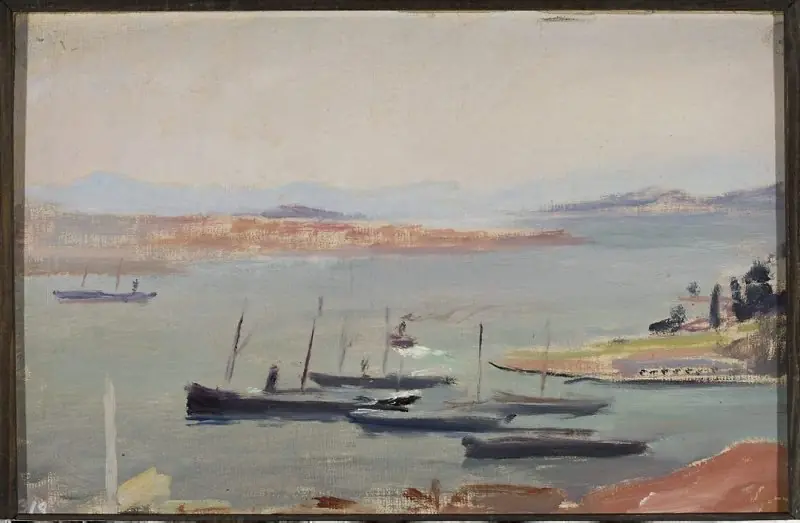 On a ship, at the entry to Bosporus. From the journey to Constantinople
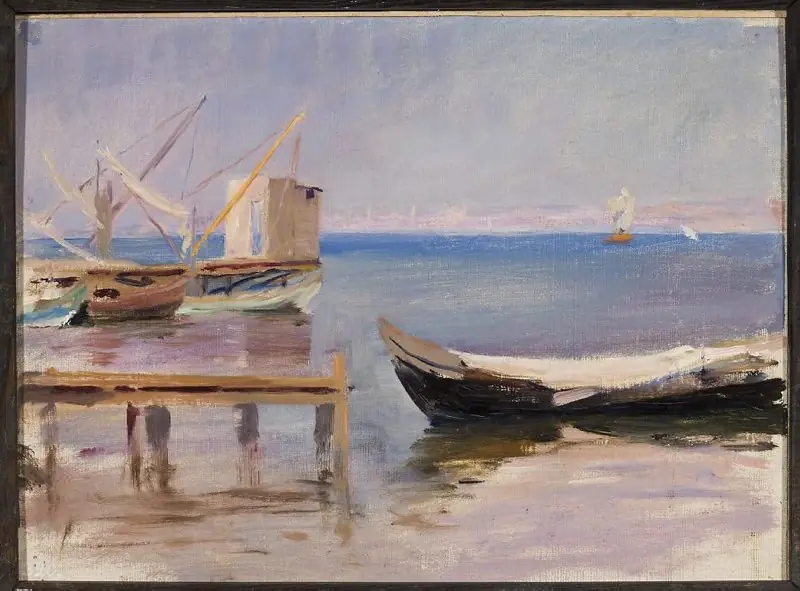 Boats at the coast. From the journey to Constantinople
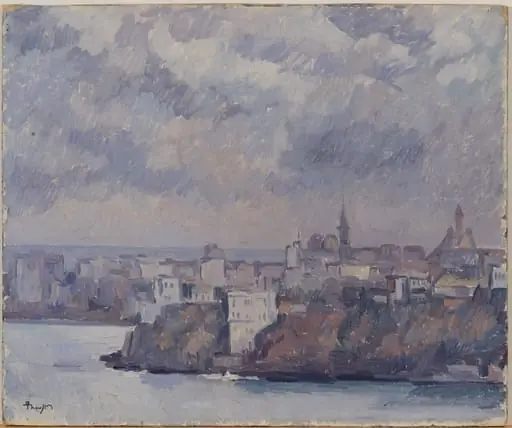 Peisaj din Constanța
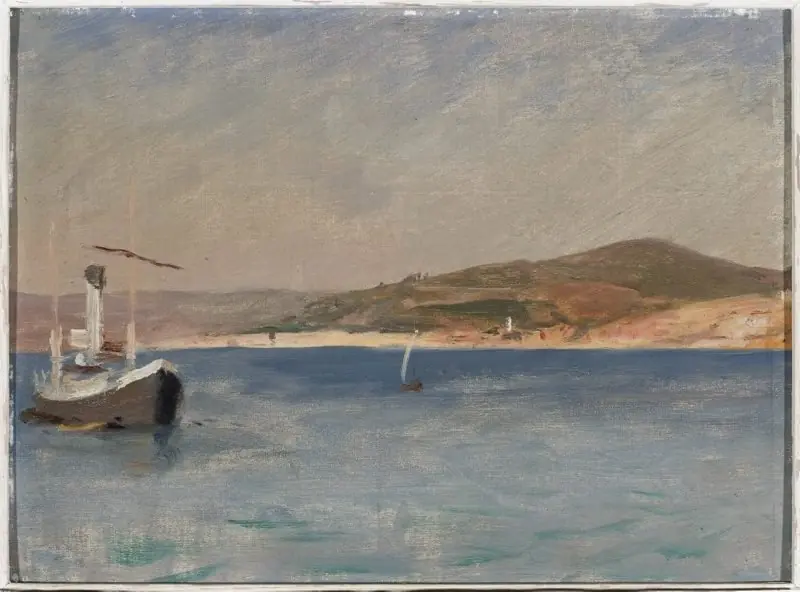 Sea with a ship at the coast. From the journey to Constantinople
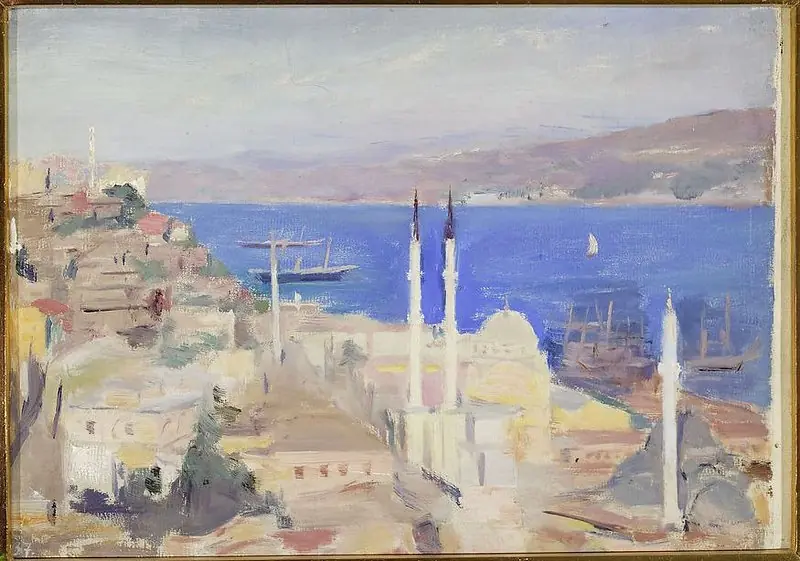 View of the port in Constantinople. From the journey to Constantinople
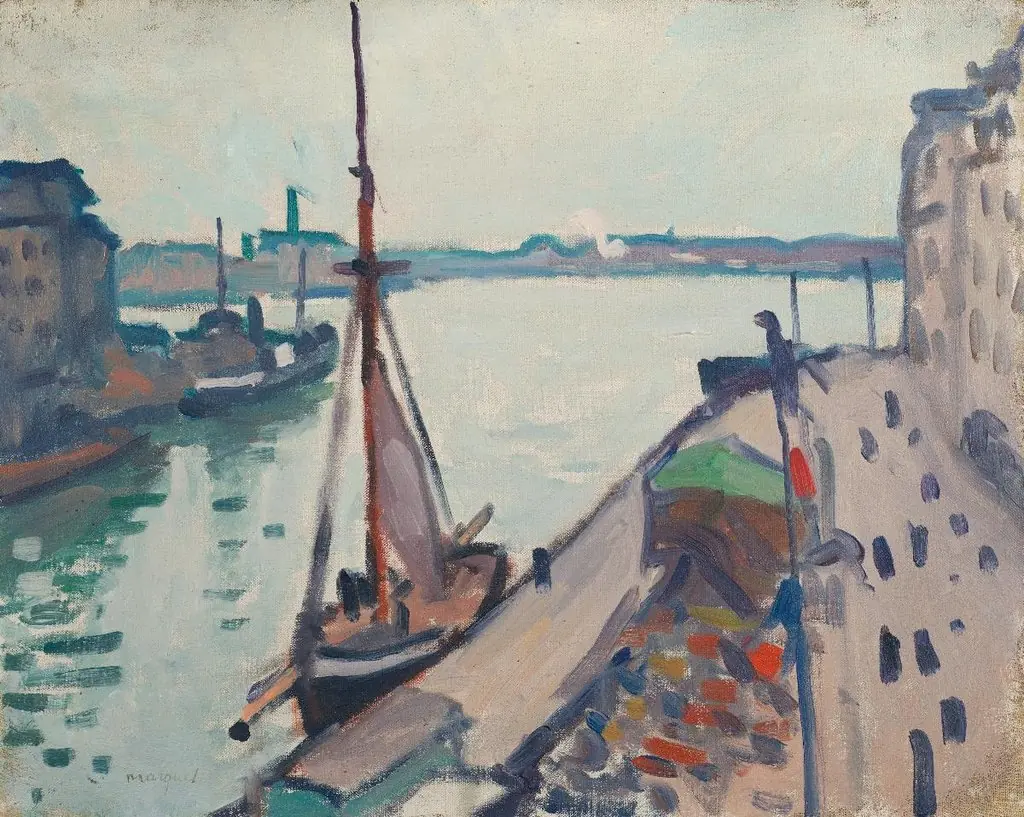 Le Havre, voilier à quai
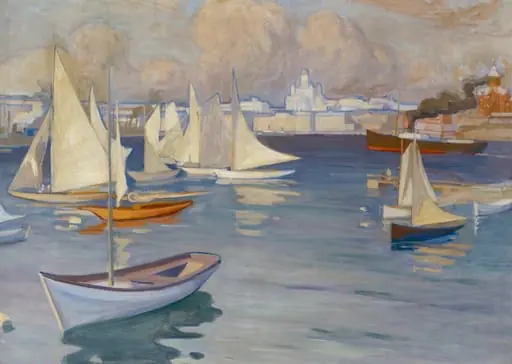 Nyländska Jaktklubbenin soutusatama Helsingissä
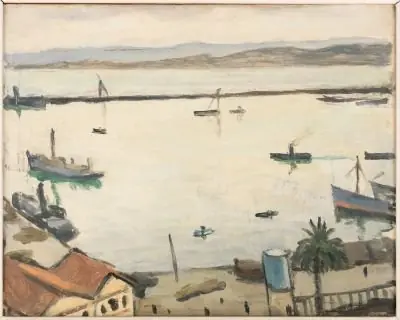 Le Port d'Alger
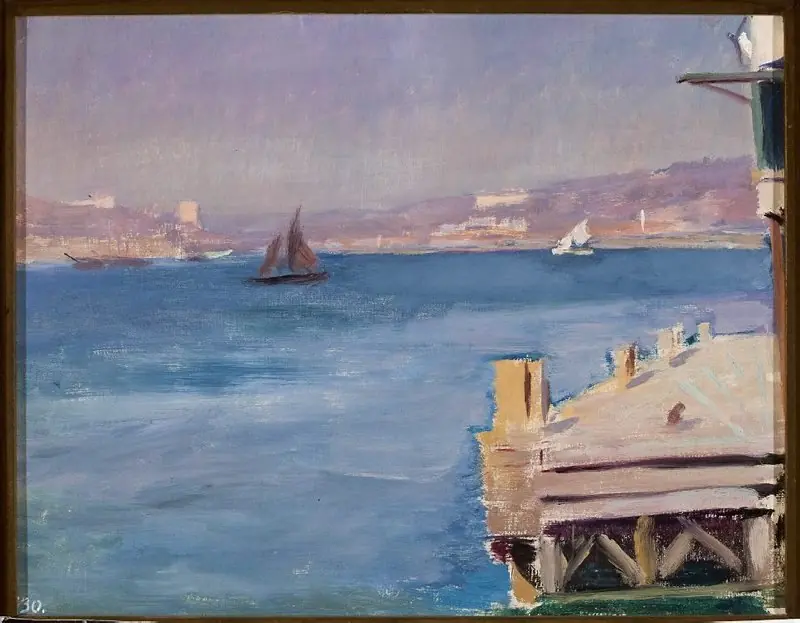 Bosporus – study. From the journey to Constantinople
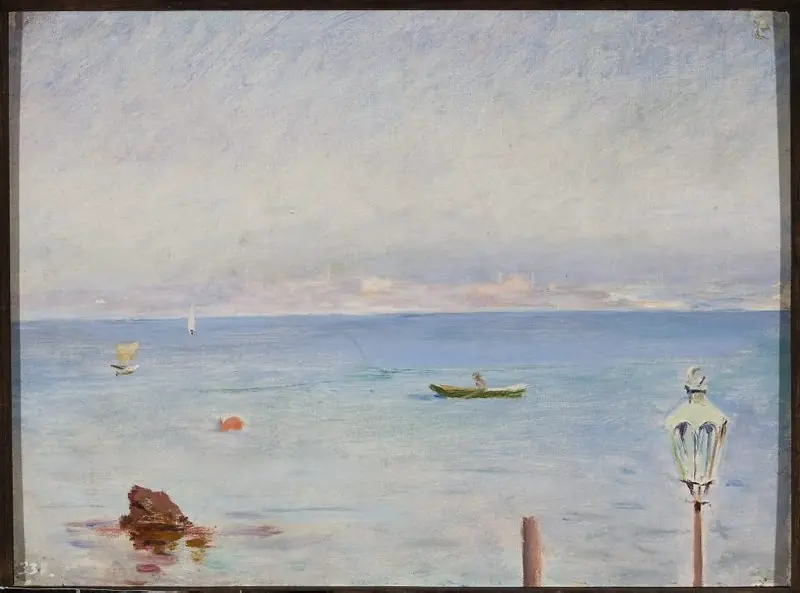 At Bosporus. From the journey to Constantinople
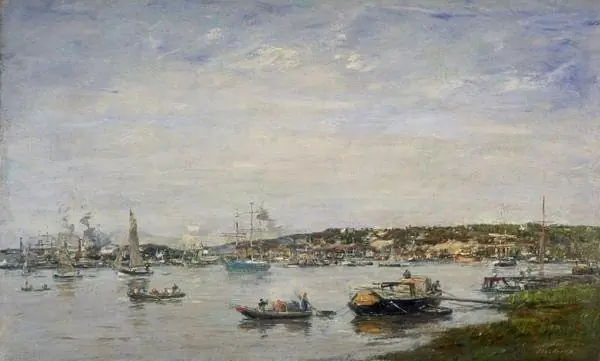 The Port of Bordeaux