Artwork
Peisaj din Constanța
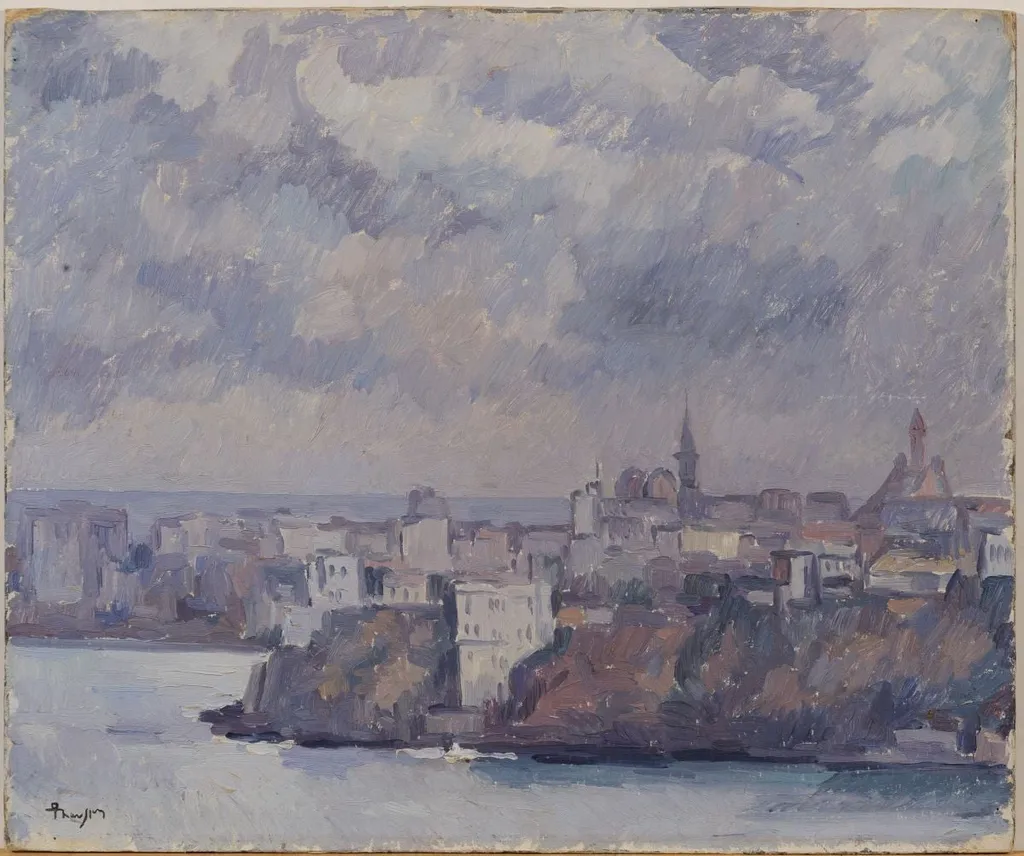
Peisaj din Constanța is an unspecified painting by Ion Theodorescu-Sion. It dates from 1927 and is held in the collection of the National Museum of Art of Romania.
About this work
Overview
Painted around 1927 by Ion Theodorescu-Sion, this work captures a quiet coastal view of Constanța. The composition focuses on the meeting of land and sea, with modest architecture lining the shoreline and a low pier extending into the water. The atmosphere is subdued, avoiding dramatic contrasts in favor of a restrained tonal harmony that suggests stillness and solitude.
Subject & Meaning
The scene presents an unidealized view of Constanța’s waterfront, emphasizing everyday structures rather than monuments. The worn facades and quiet waters imply a sense of time passed and daily rhythm. There is no human presence, reinforcing a contemplative mood—perhaps reflecting the artist’s interest in the quiet dignity of ordinary places and the passage of time in a changing landscape.
Technique & Style
The painting employs a limited palette of blues, grays, and muted browns, with soft transitions between tones. Brushwork is deliberate but unobtrusive, avoiding sharp outlines in favor of blended edges that dissolve forms into the atmosphere. Light is diffused, creating a sense of even illumination that enhances the calm, introspective quality of the scene without relying on strong chiaroscuro.
History & Provenance
It likely originated from sketches made on-site, later refined in the studio.
Created during a period when Theodorescu-Sion was deeply engaged with Romanian landscapes, this work emerged from his sustained observation of Constanța’s urban and maritime environment. It likely originated from sketches made on-site, later refined in the studio. The painting remains within the broader context of early 20th-century Romanian modernism, though its specific ownership history after creation is not widely documented.
Context
In the 1920s, Romanian artists increasingly turned to local scenes as subjects, moving away from imported styles. Theodorescu-Sion’s focus on Constanța aligned with this trend, capturing a port city undergoing slow transformation. His approach avoided romanticism, instead presenting the urban edge with quiet realism, resonating with broader European tendencies toward lyrical modernism in interwar painting.
Legacy
This work contributes to Theodorescu-Sion’s reputation as a painter of restrained, atmospheric landscapes. While not widely exhibited outside Romania, it exemplifies his commitment to capturing the emotional texture of place through subtle color and form. It remains a reference point for understanding how Romanian modernists redefined national identity through understated, everyday views rather than grand narratives.
Artist & collection
Artist


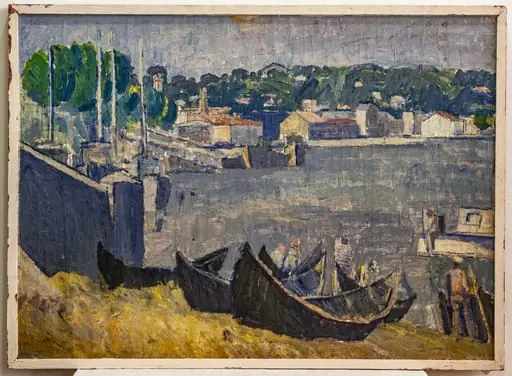 Peisaj din Tulcea
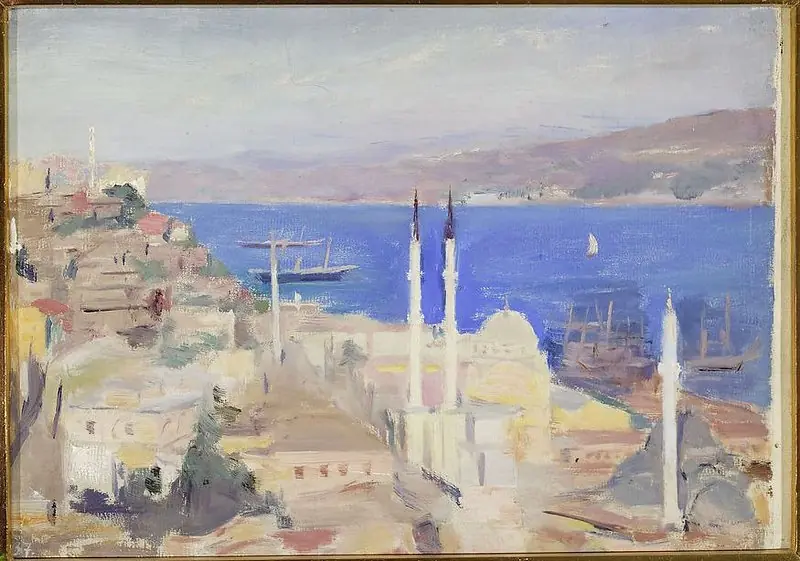 View of the port in Constantinople. From the journey to Constantinople
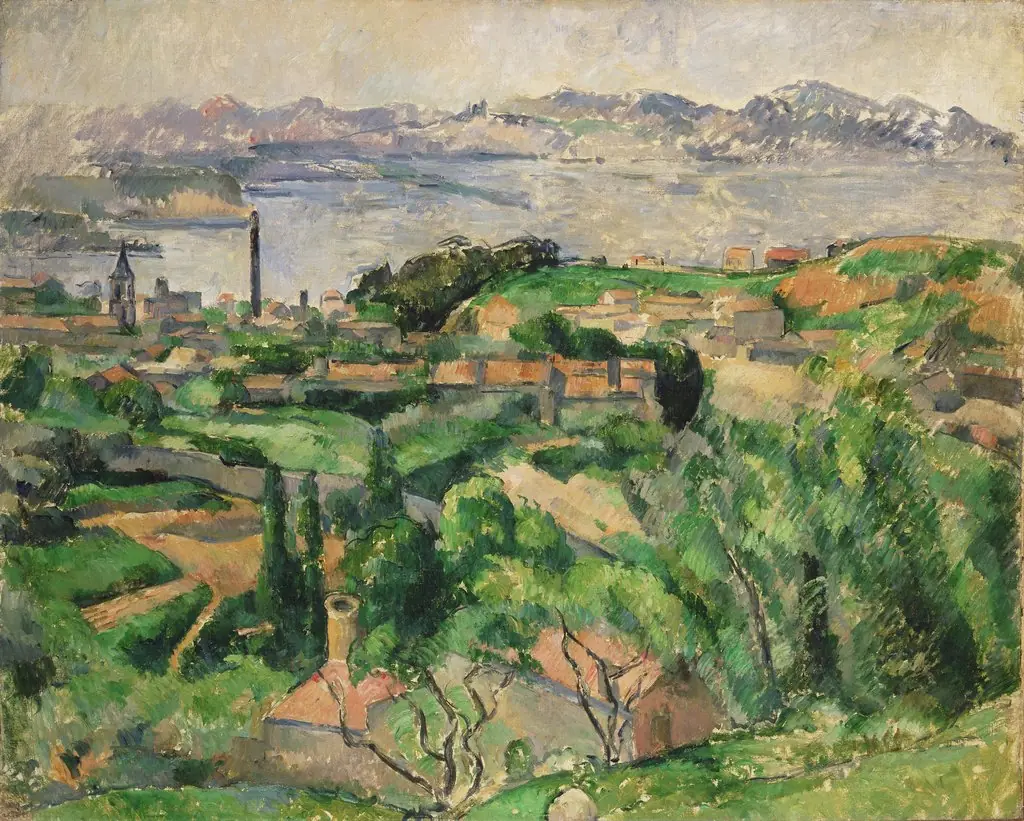 View of the Bay of Marseille with the Village of Saint-Henri
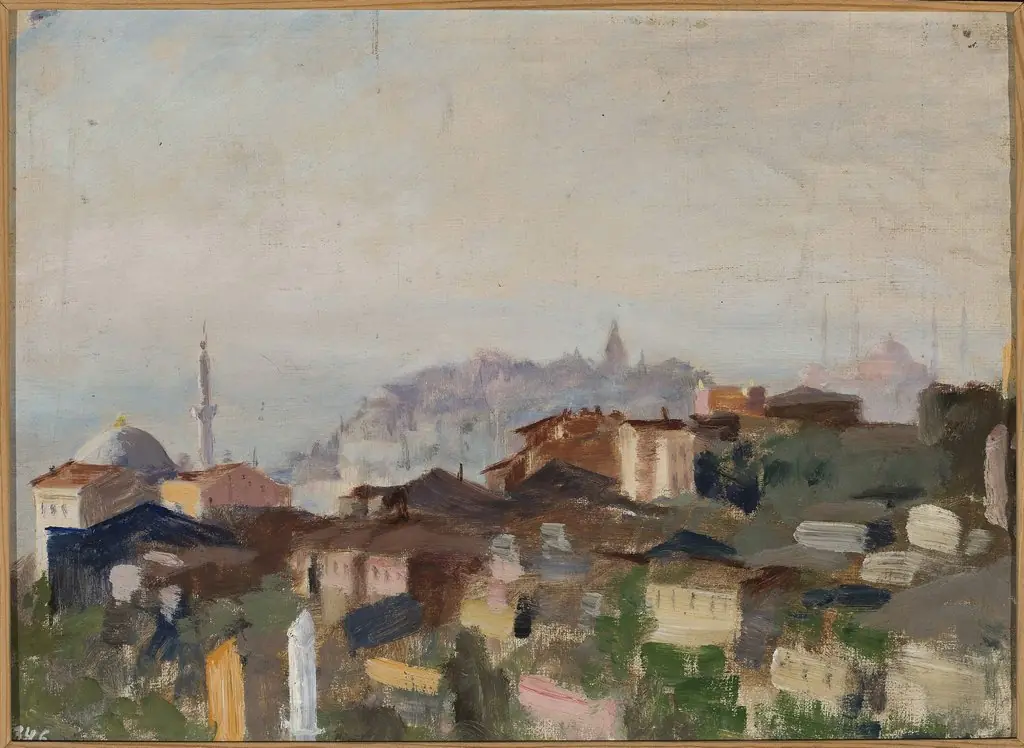 View of Punta del Seraglio. From the journey to Constantinople
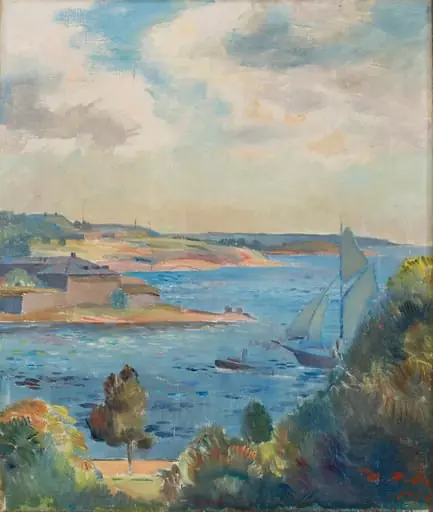 Kaivopuistosta
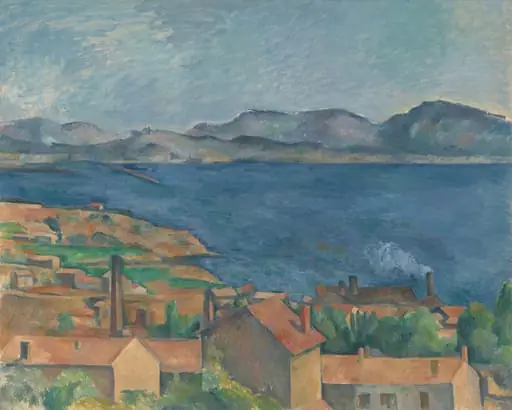 The Bay of Marseille, Seen from L'Estaque
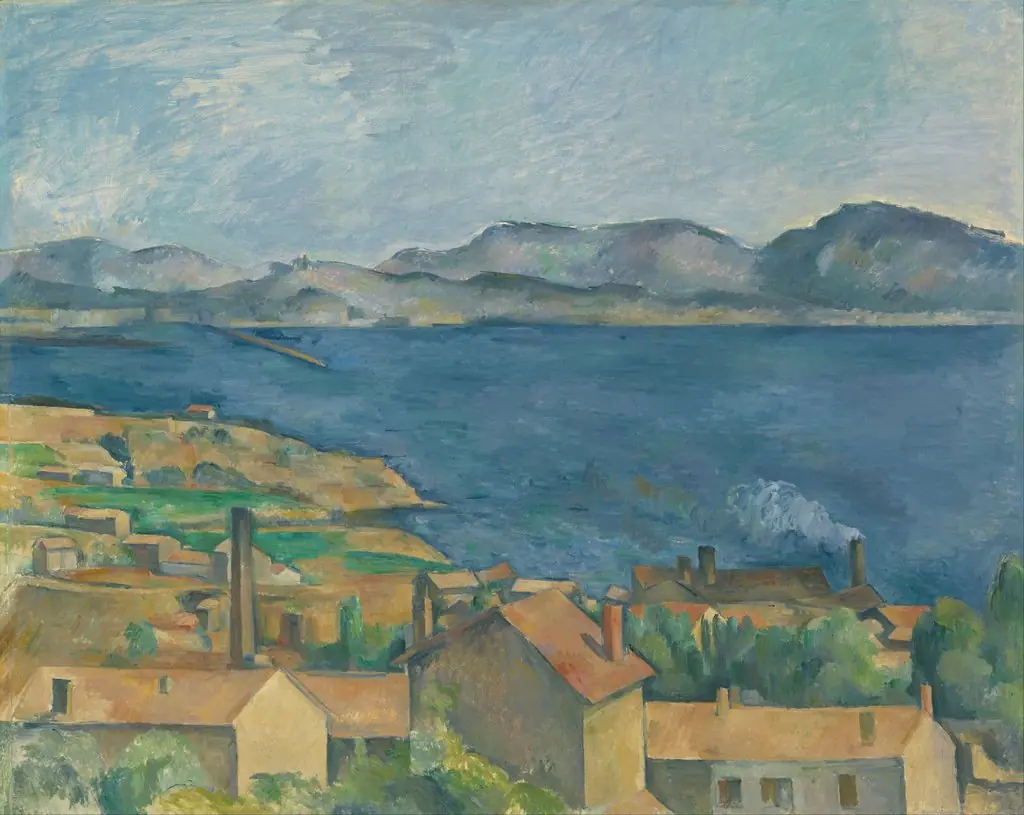 The Bay of Marseilles, Seen from L'Estaque
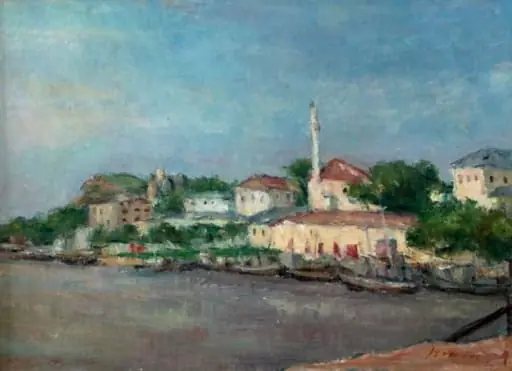 Tulcea
 Bay of L'Estaque
 Peisaj din Casis
 Noul port Tomis
 The Port of Boulogne