Artwork
Bosporus – study. From the journey to Constantinople
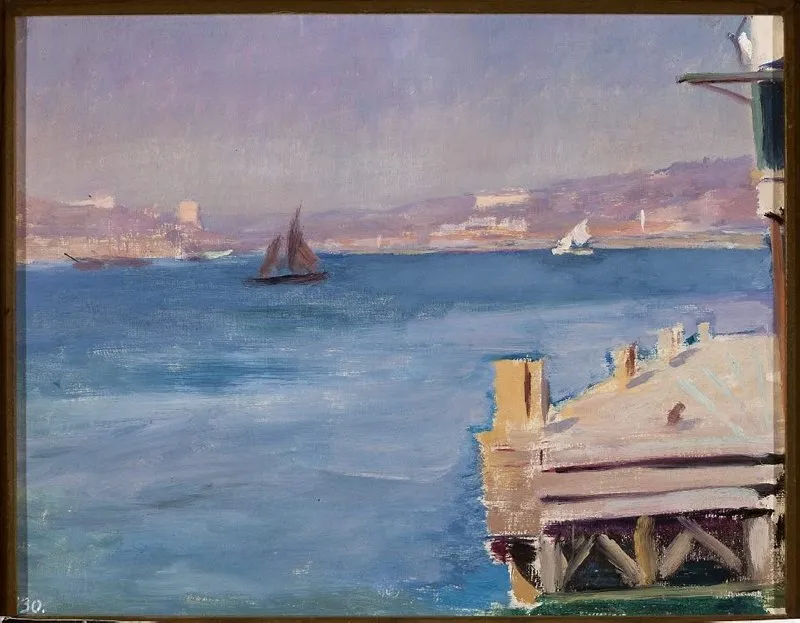
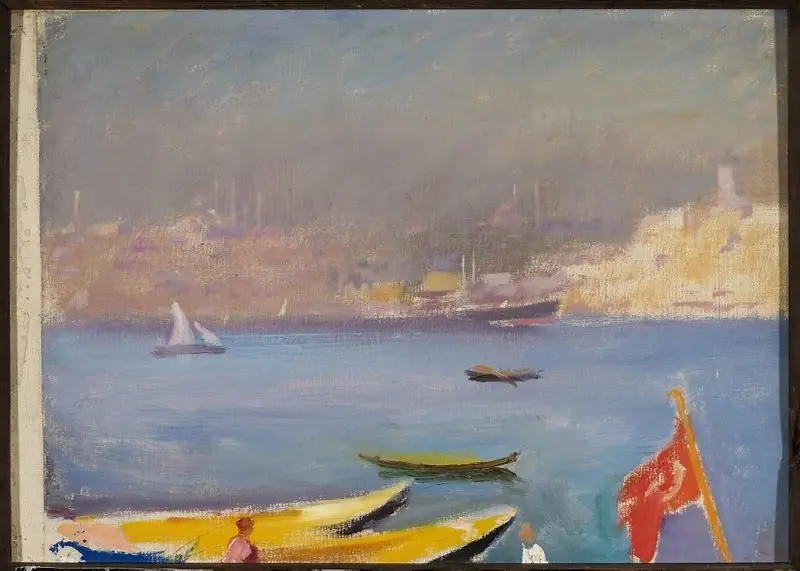
Bosporus – study. From the journey to Constantinople is an unspecified painting by the Post-Impressionist artist Jan Ciągliński. It dates from 1897 and is held in the collection of the National Museum in Warsaw.
About this work
Overview
Petersburg under the Russian imperial court, the work is a small-scale travel sketch that prioritizes atmospheric observation over narrative detail.
Created in 1897 by Polish artist Jan Ciągliński, this oil study captures a moment from his journey to Constantinople. Executed during his time in St. Petersburg under the Russian imperial court, the work is a small-scale travel sketch that prioritizes atmospheric observation over narrative detail. It resides today in the National Museum in Warsaw as part of a broader collection of his plein air studies.
Subject & Meaning
The scene portrays the Bosporus Strait, with modest white boats gliding across calm waters. A low pier extends into the foreground, flanked by distant, simplified buildings. There is no human activity visible, reinforcing a quiet, contemplative mood. The subject reflects Ciągliński’s interest in place as a sensory experience rather than a historical or cultural statement, emphasizing stillness and spatial harmony.
Technique & Style
Ciągliński employed loose, fluid brushwork and a restrained palette dominated by gradations of blue, from pale cerulean to deep indigo. The water’s surface is rendered with subtle shifts in tone to suggest depth and movement, while the structures are hinted at with minimal detail. The approach aligns with post-impressionist concerns for light and emotional resonance over precise representation, avoiding sharp outlines or dramatic contrast.
History & Provenance
The painting originated as a preparatory study during Ciągliński’s 1897 travels to the Ottoman capital. It remained in his personal collection until after his death, when it entered the National Museum in Warsaw’s holdings. Its status as a study, rather than a finished exhibition piece, underscores its role as a direct response to observed nature, valued for its immediacy rather than its polish.
Context
Ciągliński worked within a network of Central European artists drawn to the Mediterranean and Near East during the late 19th century. His travels to Constantinople coincided with broader European interest in Orientalist themes, though his approach avoided exoticism. Instead, he focused on quiet, everyday landscapes, aligning his work more closely with the introspective tendencies of post-impressionism than with prevailing academic or orientalist conventions.
Legacy
Though not widely exhibited outside Poland, this study exemplifies Ciągliński’s contribution to Polish landscape painting’s shift toward modernist sensibilities. His emphasis on atmospheric tone and personal observation influenced later generations of Polish artists seeking alternatives to historical or nationalist themes. The work endures as a quiet testament to the value of travel as a form of visual meditation.
Artist & collection
Artist
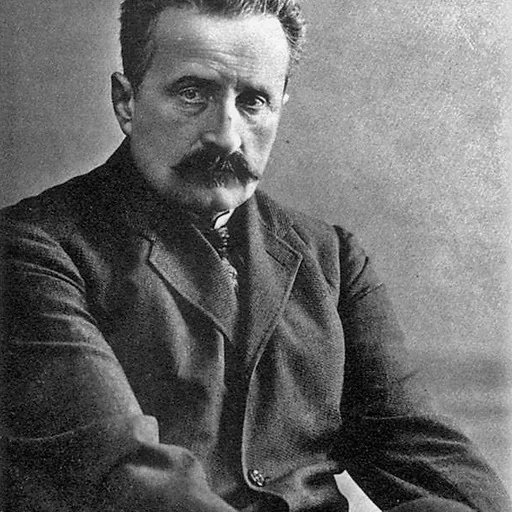
Jan Ciągliński (Polish: ; Russian: Ян/Иван Францевич Ционглинский, romanized: Yan/Ivan Frantsevich Tsionglinskiy; 20 February 1858 – 6 January 1913) was a Polish painter, active in St.

 View of Constantinople. From the journey to Constantinople
 Entry to Bosporus.
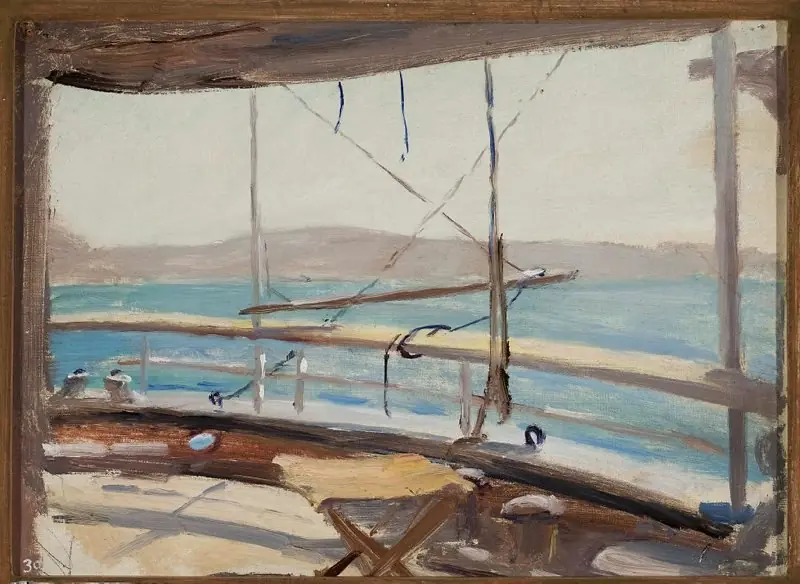
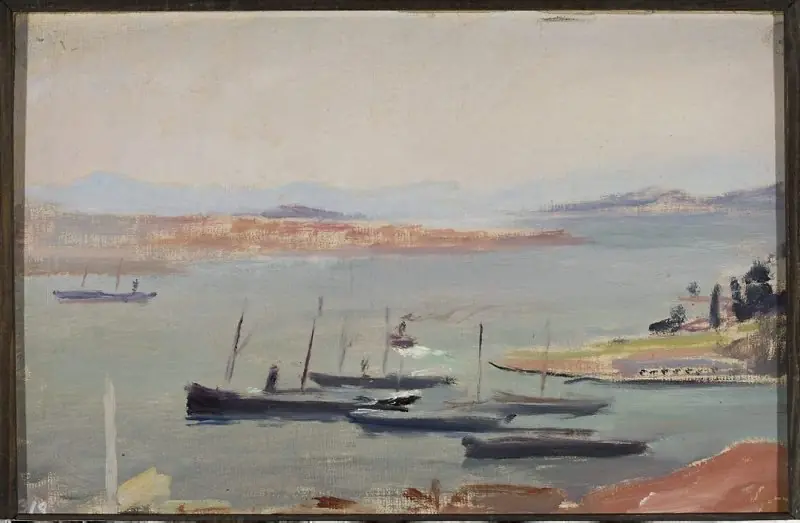 On a ship, at the entry to Bosporus. From the journey to Constantinople
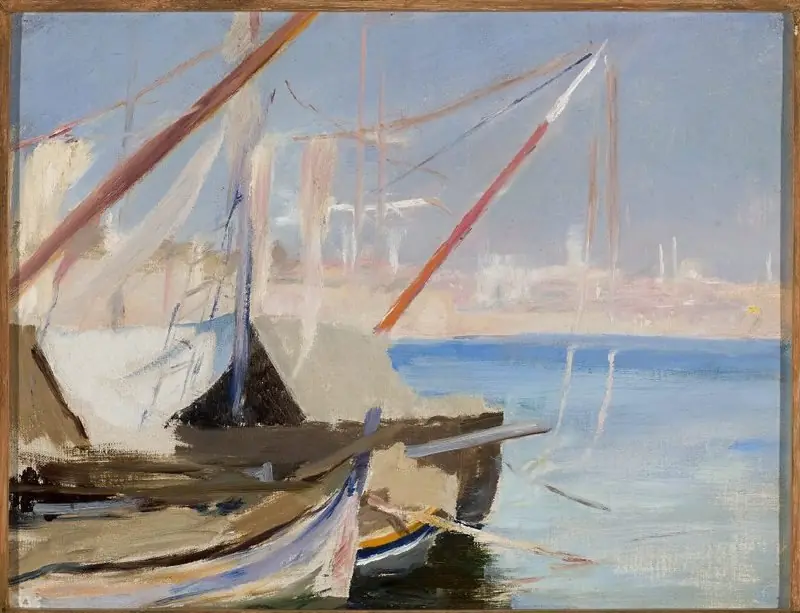 View of Constantinople. From the journey to Constantinople
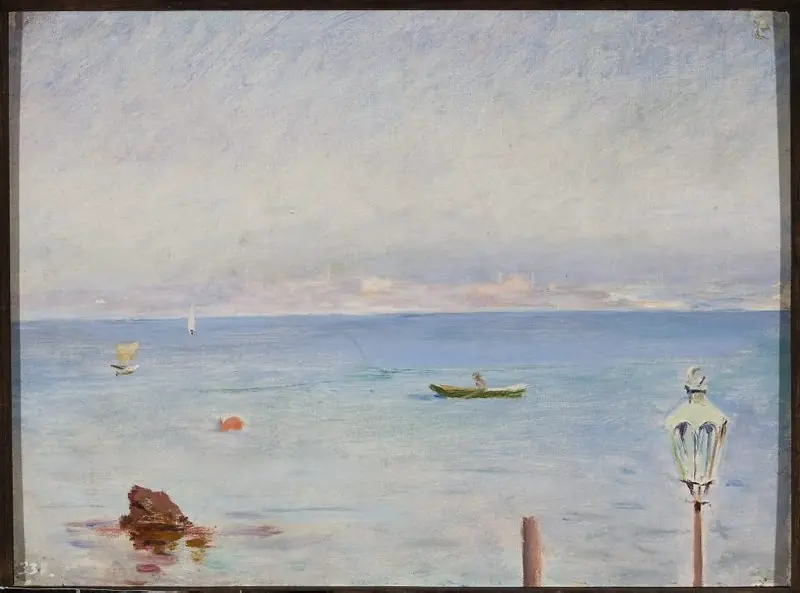 At Bosporus. From the journey to Constantinople
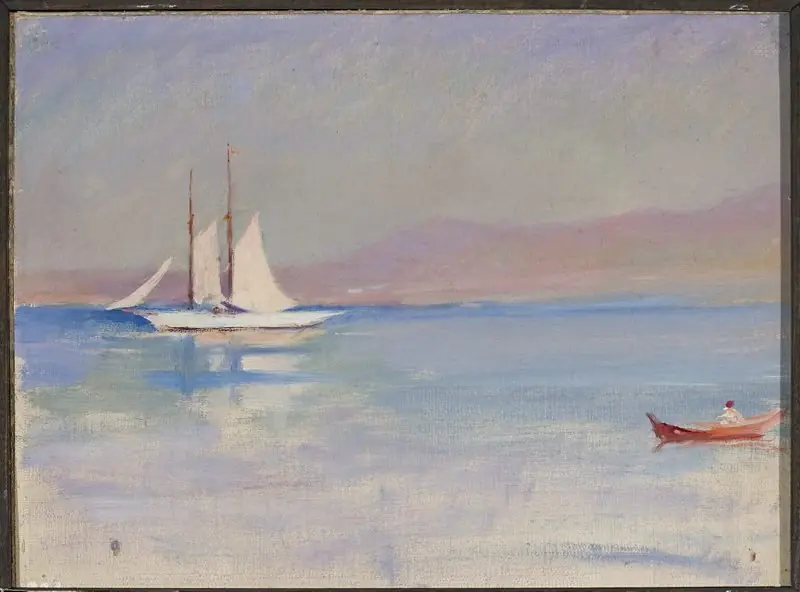 Study. From the journey to Constantinople
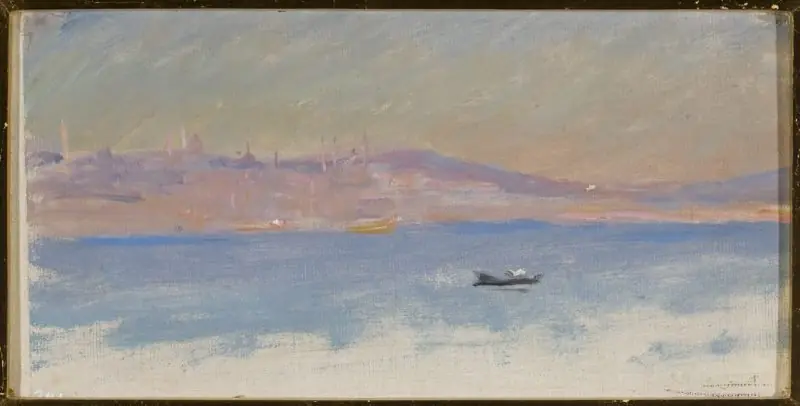 View of Constantinople. From the journey to Constantinople
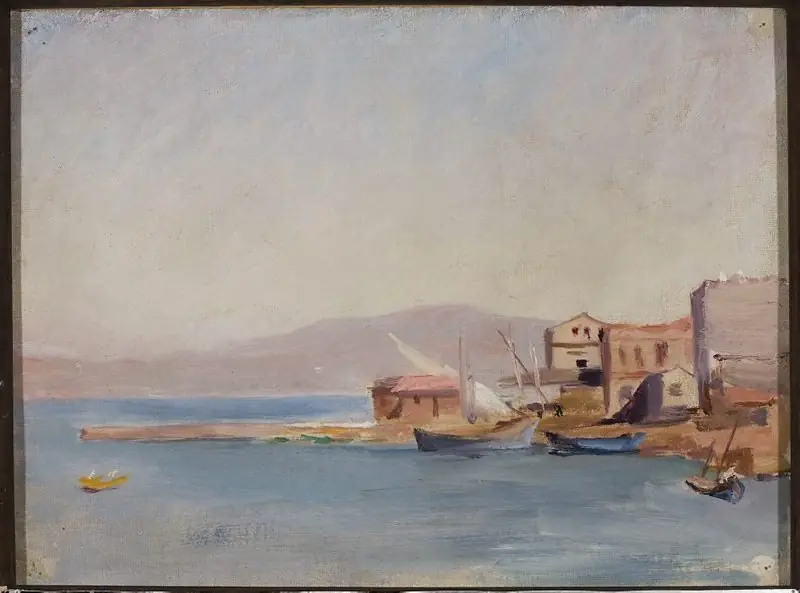 Harbour – study. From the journey to Constantinople
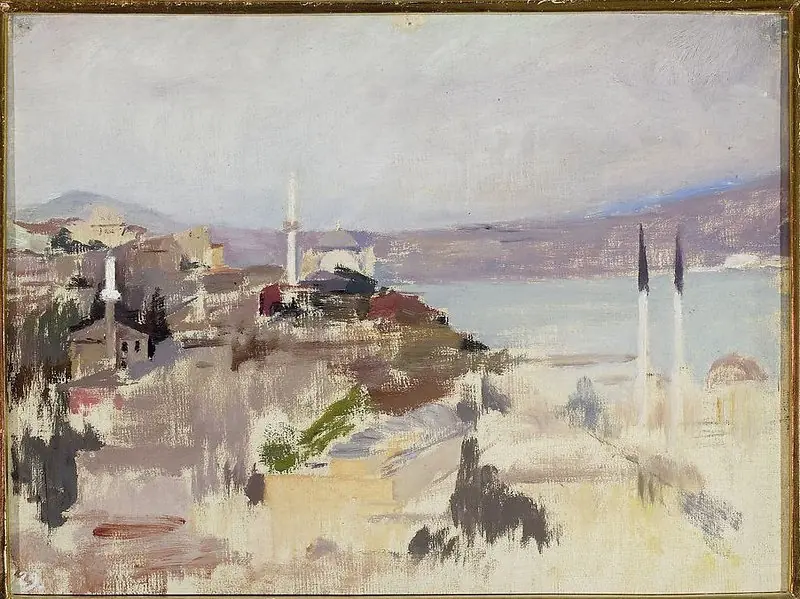 View of Bosporus. From the journey to Constantinople
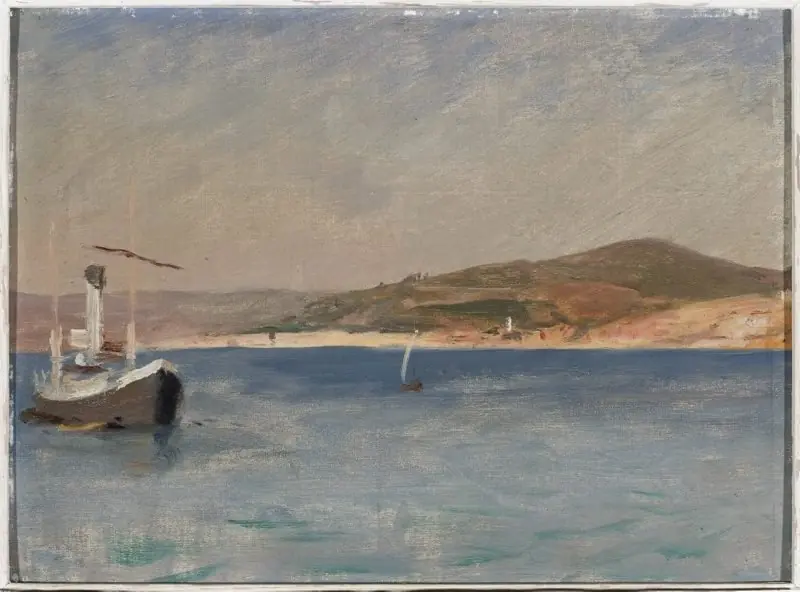 Sea with a ship at the coast. From the journey to Constantinople
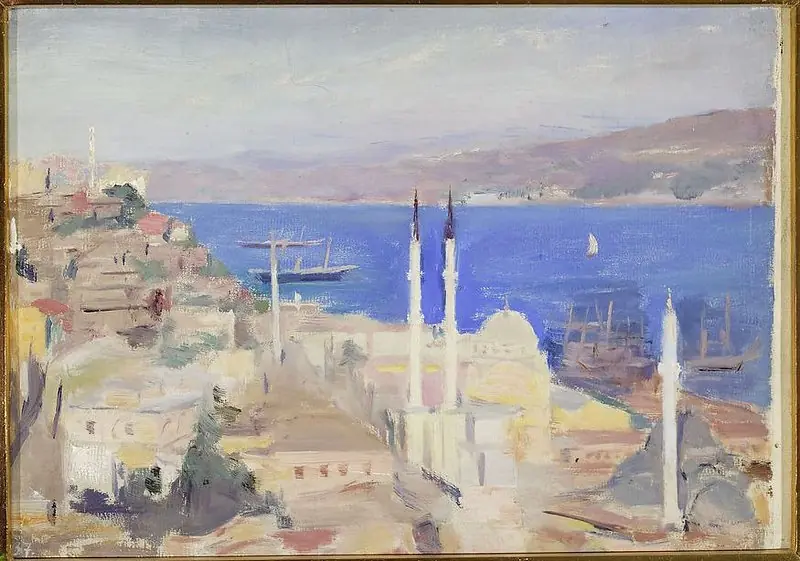 View of the port in Constantinople. From the journey to Constantinople
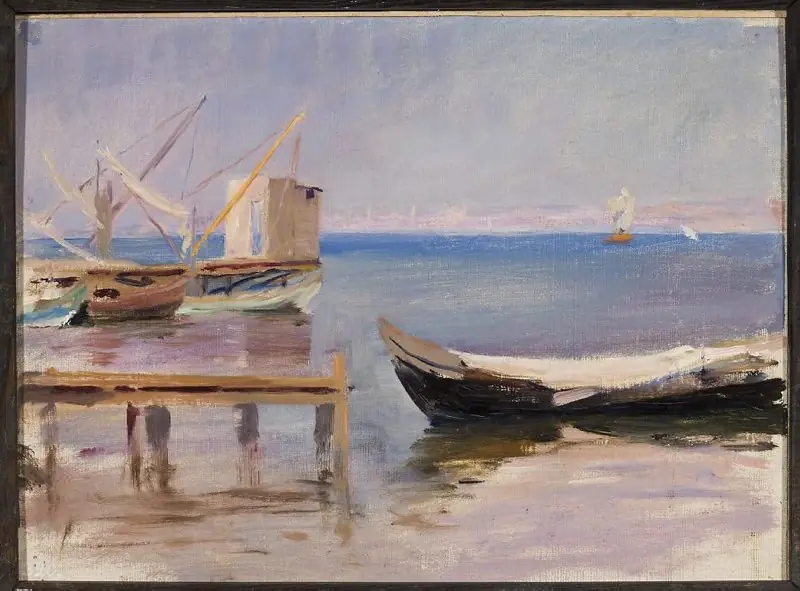 Boats at the coast. From the journey to Constantinople