Artwork
Portrieux, Low Tide
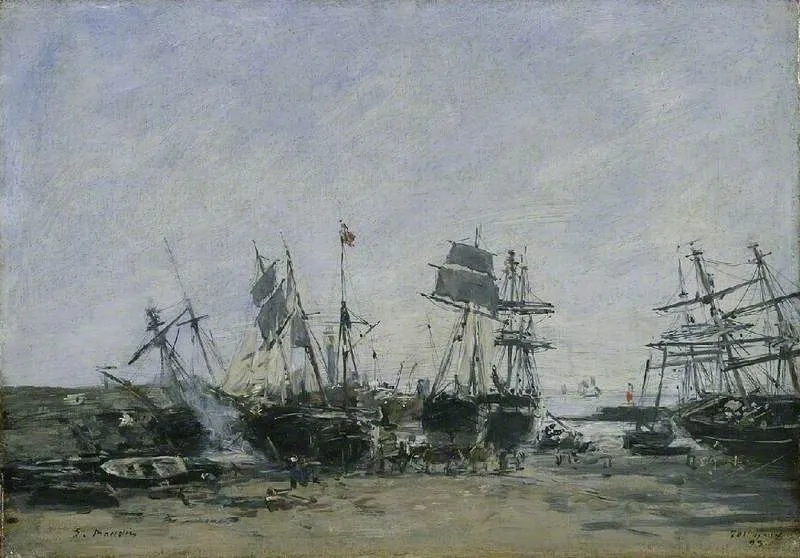
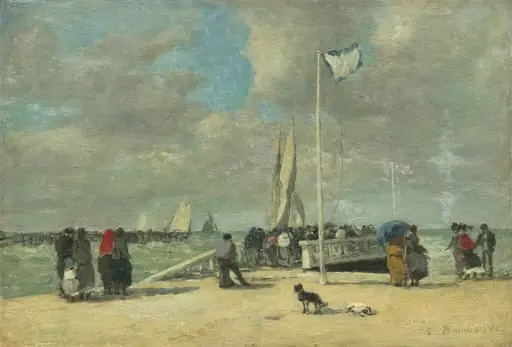
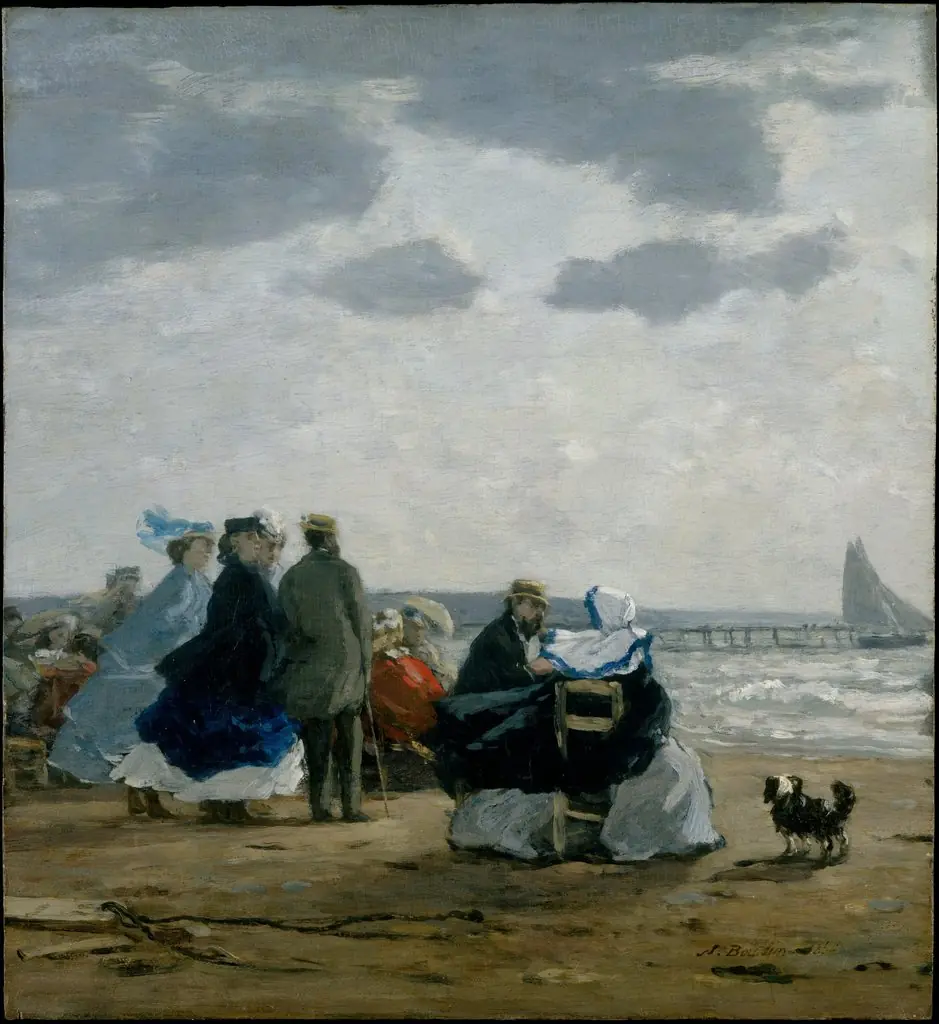
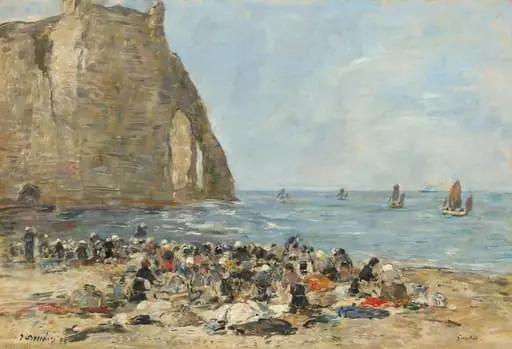
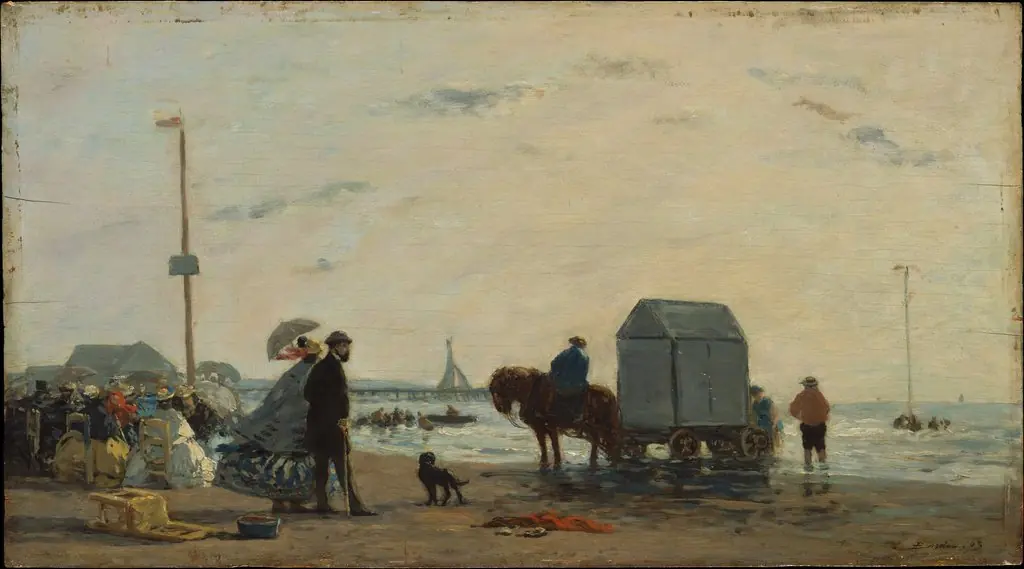
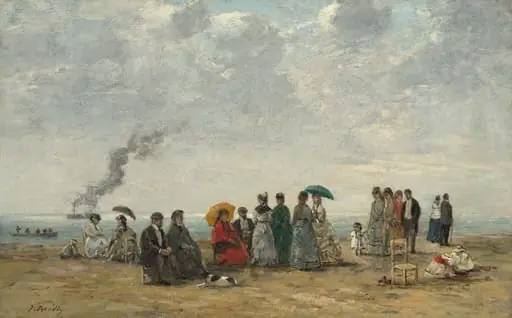
Portrieux, Low Tide is an oil painting by the Impressionist artist Eugène Boudin. It dates from 1873 and is held in the collection of the Fitzwilliam Museum.
About this work
Overview
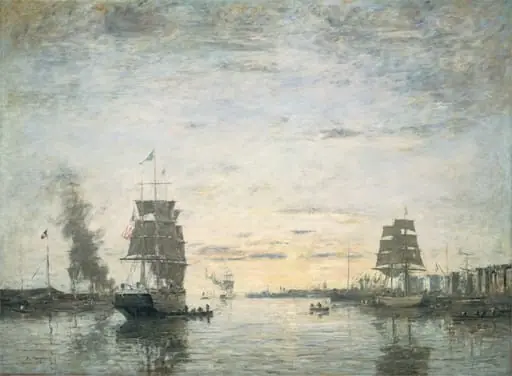
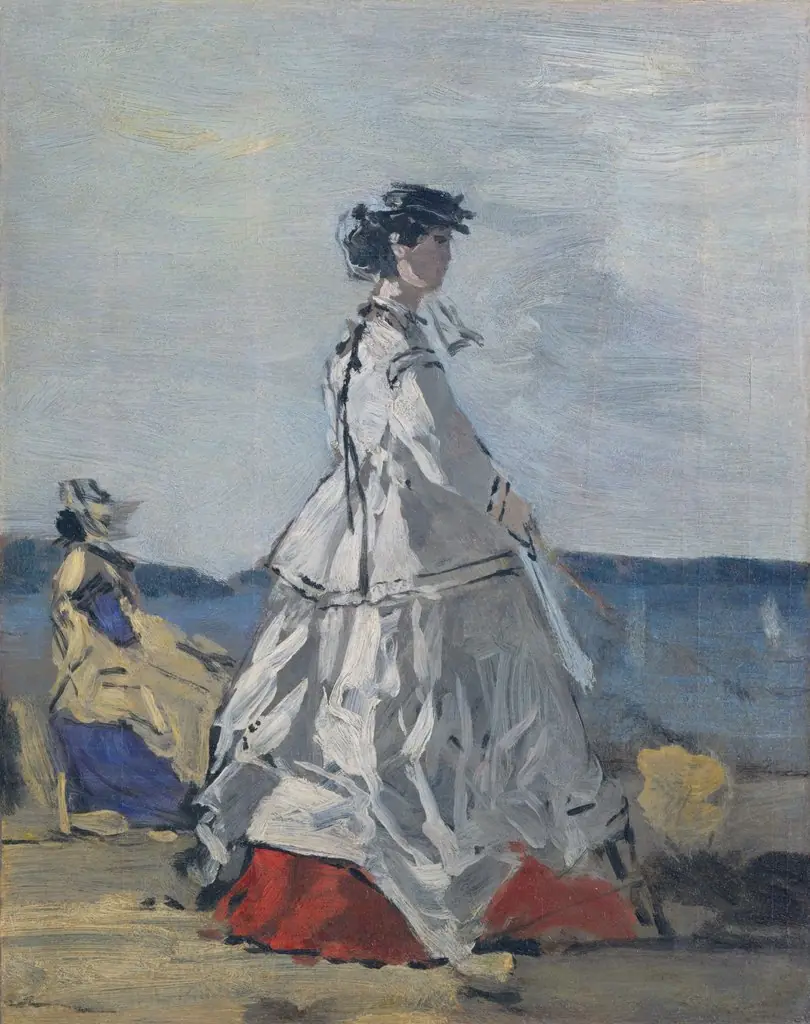
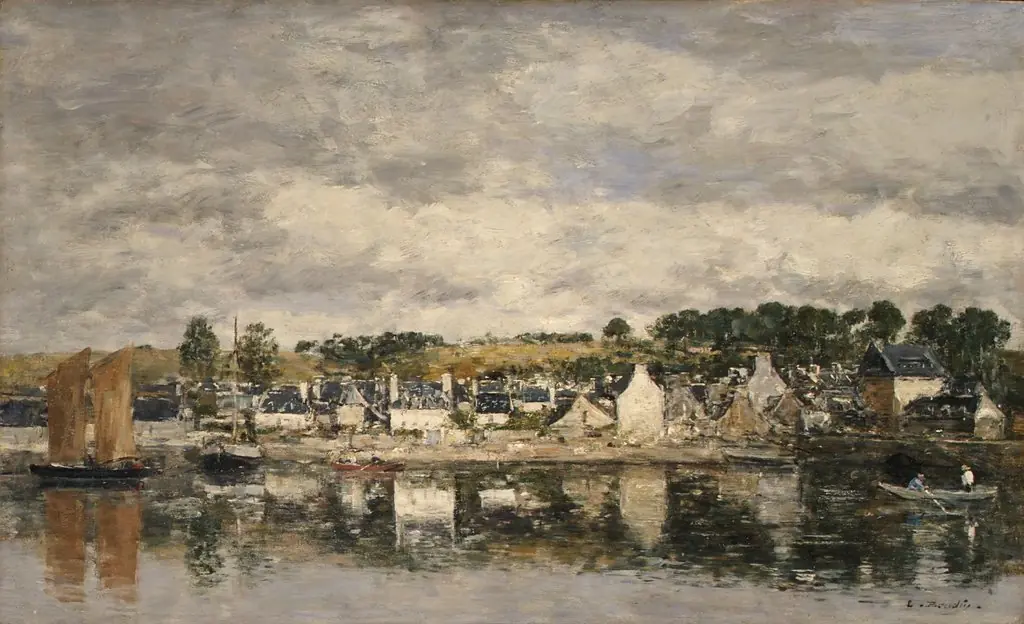
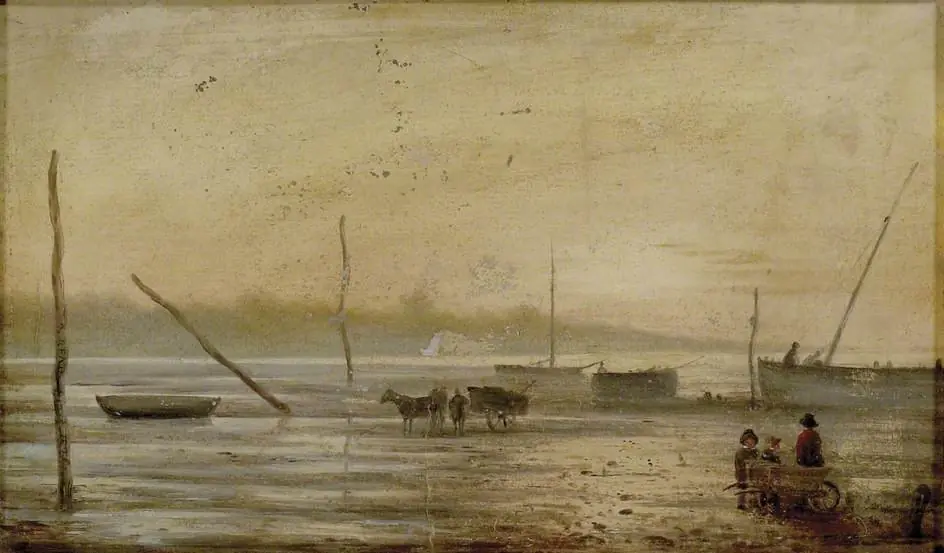
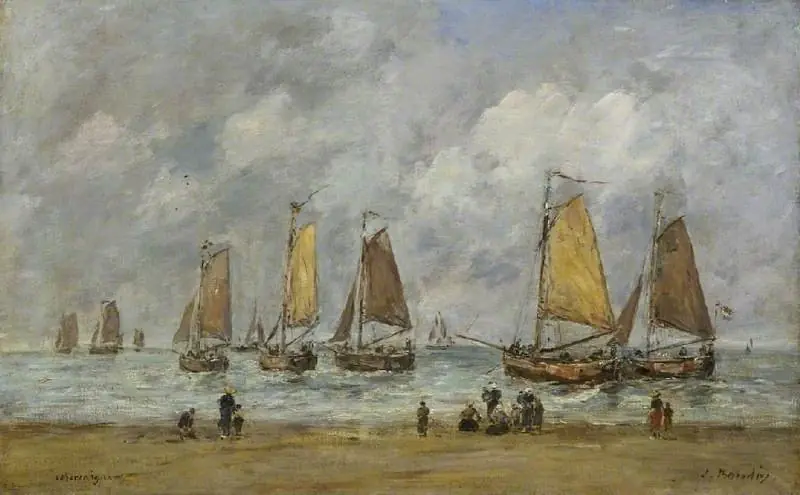
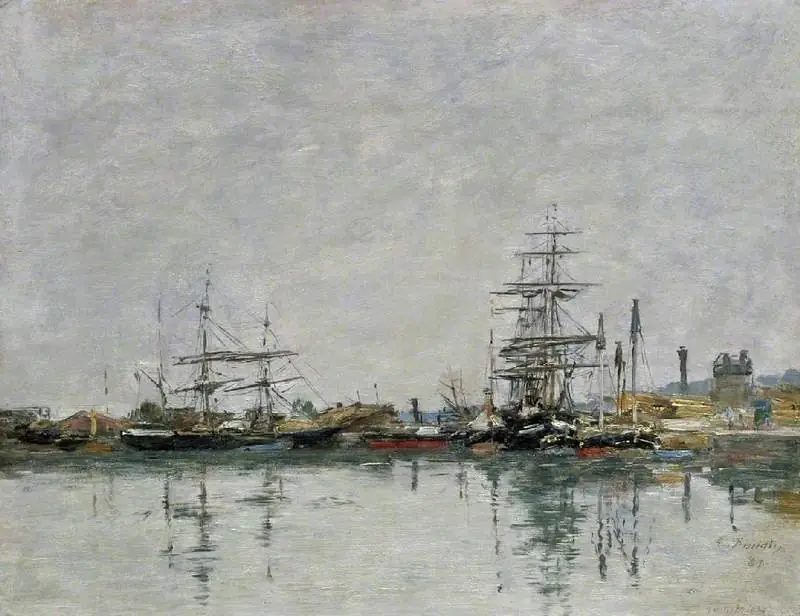
Eugène Louis Boudin’s 1873 oil painting *Portrieux, Low Tide* presents a tranquil harbor at the moment the tide recedes. A line of small vessels rests on the exposed sand, their masts reaching toward a pale, open sky. Figures and scattered objects punctuate the foreground, while the muted palette emphasizes the quiet atmosphere of the scene.
Subject & Meaning
The work captures a fleeting moment of coastal life, focusing on the interplay between land, water, and human activity. By depicting the harbor at low tide, Boudin highlights the temporary exposure of the seabed, inviting contemplation of the rhythms of maritime labor and the subtle changes wrought by light and tide.
Technique & Style
Executed en plein air, the painting relies on swift brushwork and a restrained colour scheme to convey the delicate illumination of a hazy sky. Boudin balances broad washes of soft blue with darker shadows beneath the boats, creating depth without excessive detail. The overall effect aligns with early Impressionist concerns for atmosphere and the transient effects of light.
History & Provenance
Created during Boudin’s formative years as a marine painter, the canvas reflects his commitment to outdoor observation. The piece entered the Fitzwilliam Museum’s collection, where it remains part of the institution’s holdings of 19th‑century French art, illustrating the museum’s focus on works that document the development of Impressionist techniques.
Artist & collection
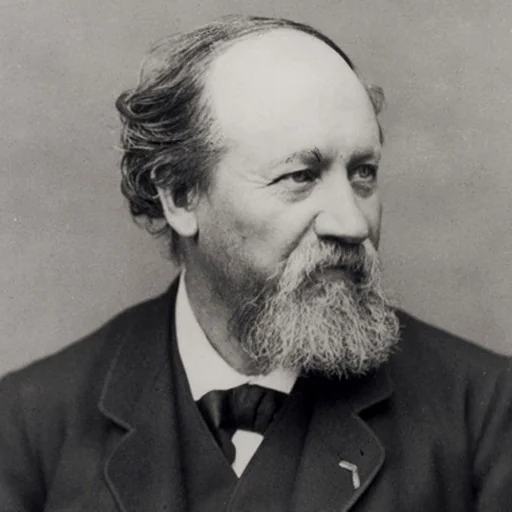
Artist
Eugène Louis Boudin (French: ; 12 July 1824 – 8 August 1898) was one of the first French landscape painters to paint outdoors.