Artwork
Hut with the Remains of a Hedge
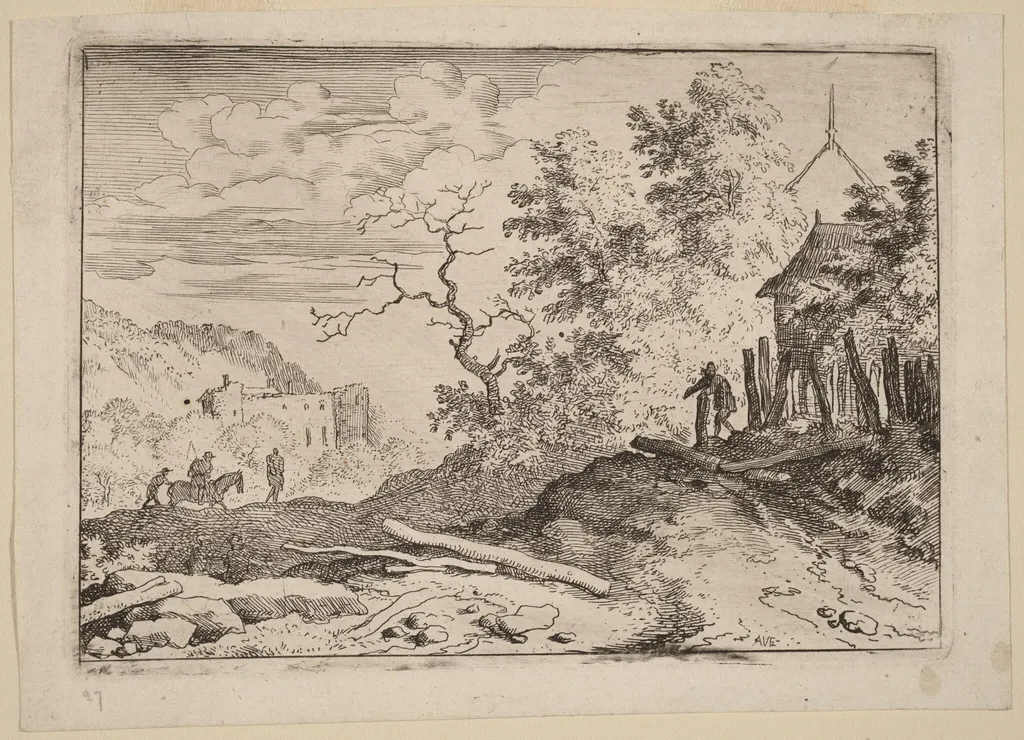
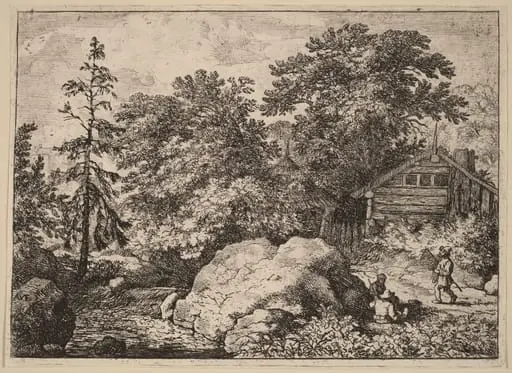
Hut with the Remains of a Hedge is an ink print by the Baroque artist Allart van Everdingen. It dates from 1650 and is held in the collection of the National Gallery of Art.
About this work
Overview
The composition centers on a modest wooden hut surrounded by the skeletal remains of a hedgerow, with a narrow path leading toward it.
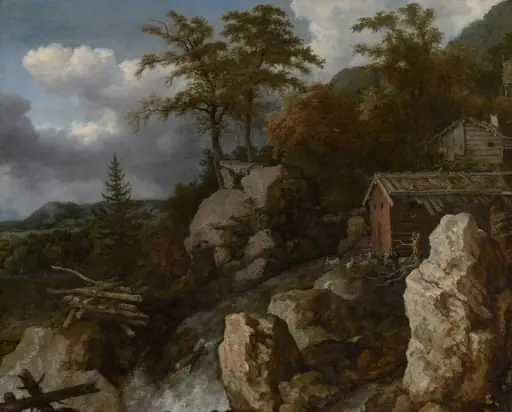
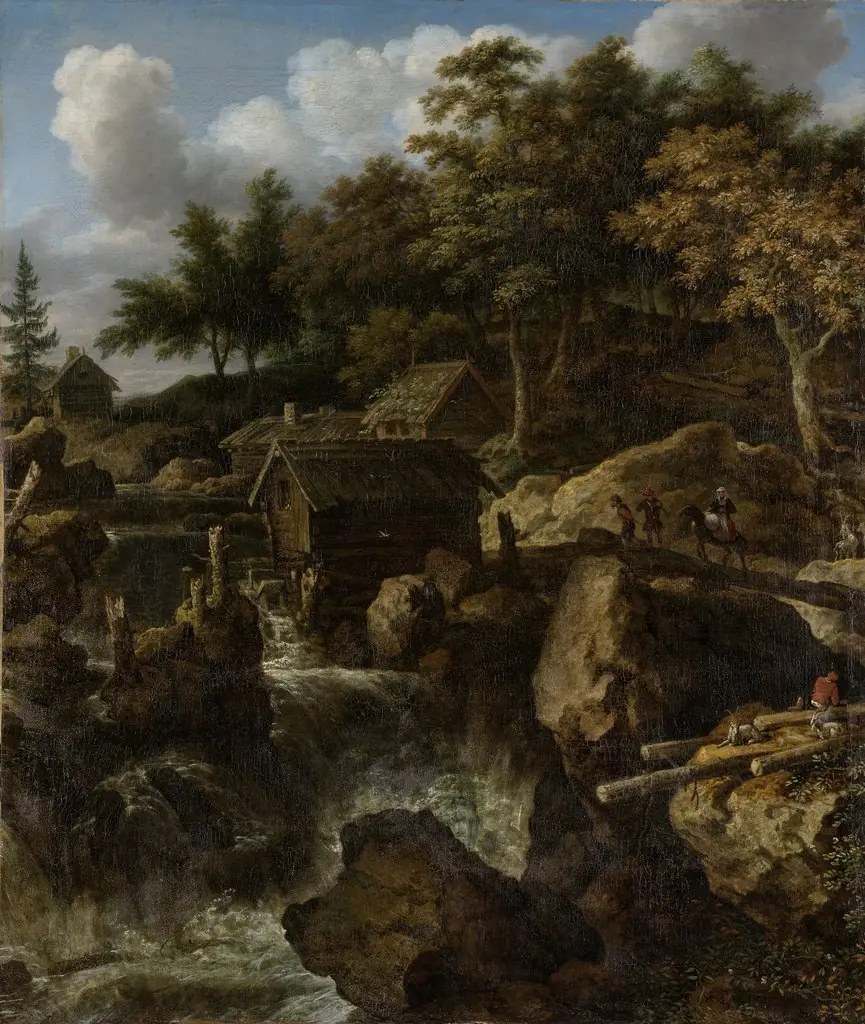
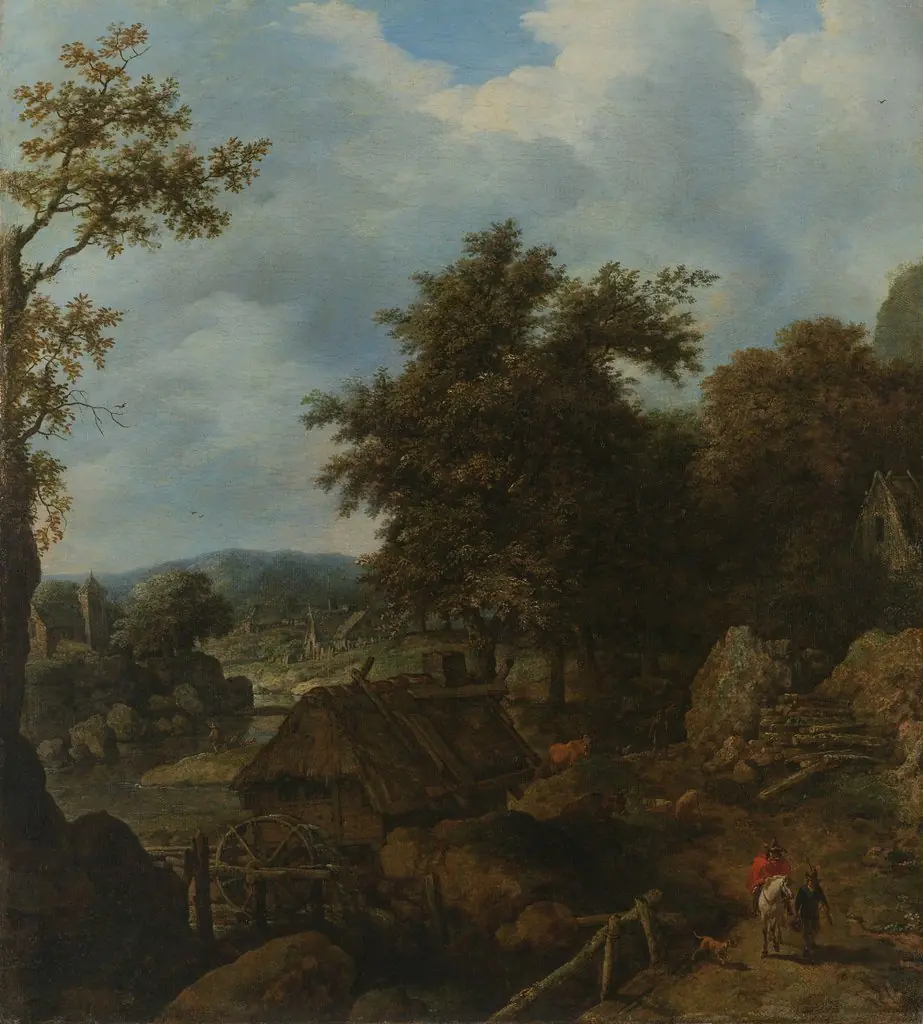
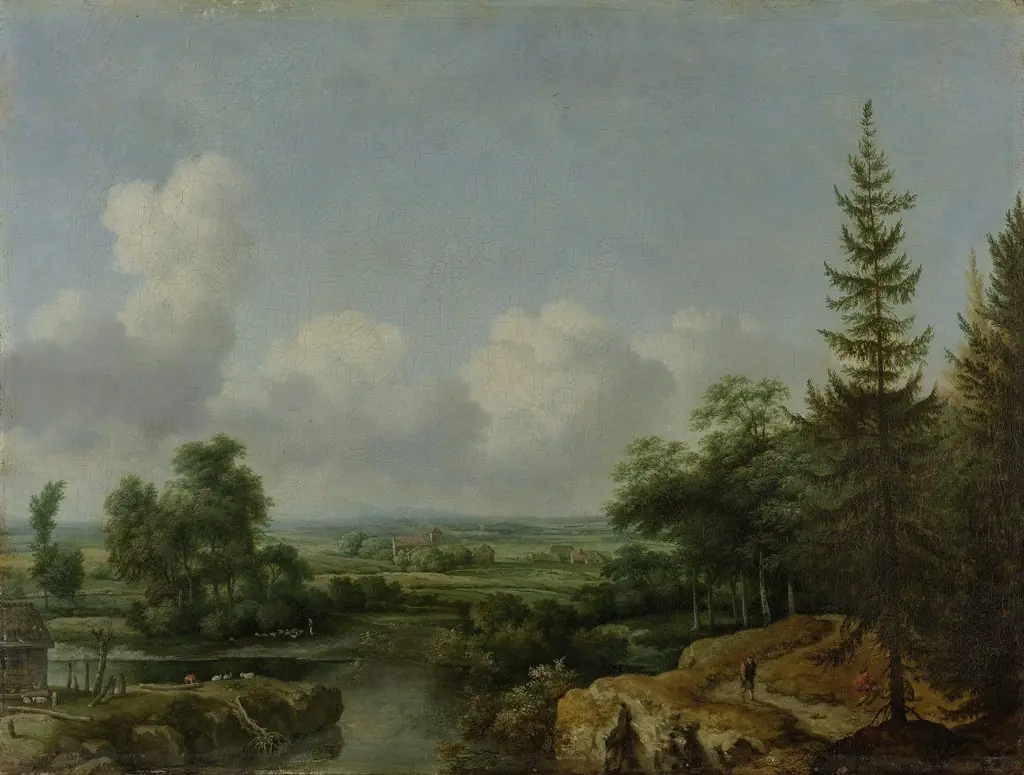
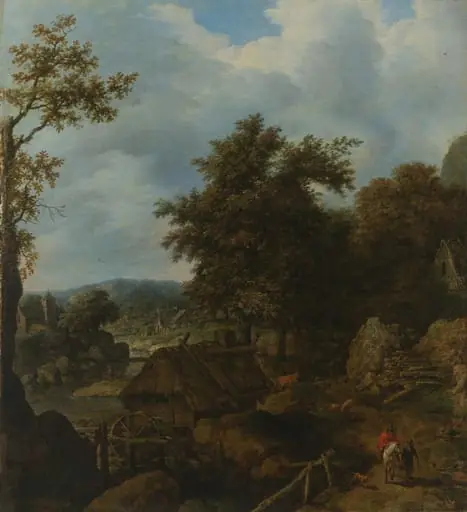
Created around 1650 by Allart van Everdingen, this etching presents a quiet rural scene in the Dutch countryside. The composition centers on a modest wooden hut surrounded by the skeletal remains of a hedgerow, with a narrow path leading toward it. A lone figure crosses a log bridge over a stream, while distant figures tend to a field. The image is rendered in fine, controlled lines typical of van Everdingen’s printmaking, evoking stillness and solitude.
Subject & Meaning
The scene depicts ordinary rural life without idealization: a humble dwelling, a working landscape, and a solitary traveler. The decaying hedge suggests seasonal change or neglect, reinforcing themes of transience. The distant tower and laborers hint at broader social structures, yet the focus remains on quiet, unremarkable moments. There is no narrative drama—only the quiet persistence of daily existence in the countryside.
Technique & Style
Van Everdingen employed fine, incised lines to render texture with precision: the roughness of the hut’s timber, the ripple of water, the softness of grass, and the weight of clouds. The etching’s tonal range is subtle, relying on line density rather than shading. The composition is deliberately uncluttered, with spatial depth suggested by receding hills and diminishing figures. The style balances detail with restraint, avoiding ornamentation.
History & Provenance
The print dates from the height of van Everdingen’s career as a printmaker, when he was producing landscapes that reflected his travels through Scandinavia and the Dutch countryside. While specific early ownership records are sparse, the work aligns with a broader 17th-century Dutch interest in documenting everyday rural life. It was likely circulated among collectors and artists who valued intimate, observational prints over grand historical subjects.
Context
In mid-17th-century Holland, landscape prints flourished as affordable art for middle-class homes. Van Everdingen’s work stood apart by emphasizing atmospheric mood over topographical accuracy. His etchings responded to a cultural fascination with nature’s quiet rhythms, distinct from urban or mythological themes. This piece reflects a broader trend toward introspective, unidealized depictions of the land and its inhabitants.
Legacy
Van Everdingen’s etchings, including this one, influenced later generations of landscape printmakers through their emphasis on naturalism and tonal subtlety. Though less celebrated than his paintings, his prints were widely studied for their technical precision and emotional restraint. This work remains a quiet example of how Dutch artists transformed the mundane into enduring visual records of rural life.
Artist & collection
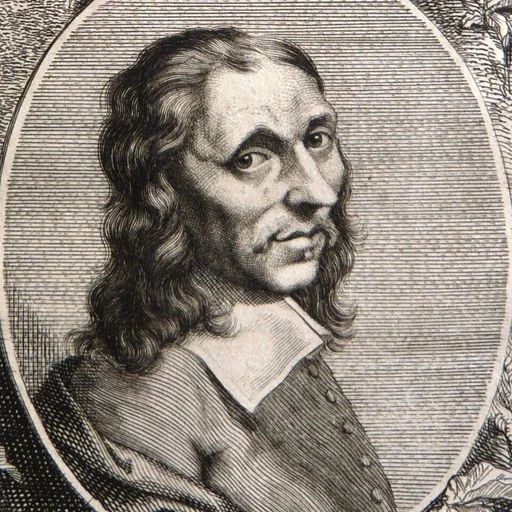
Artist
Allaert van Everdingen (Dutch pronunciation: ; bapt. 18 June 1621 – 8 November 1675 (buried)), was a Dutch Golden Age painter and printmaker in etching and mezzotint.