Artwork
Large Rock at the River
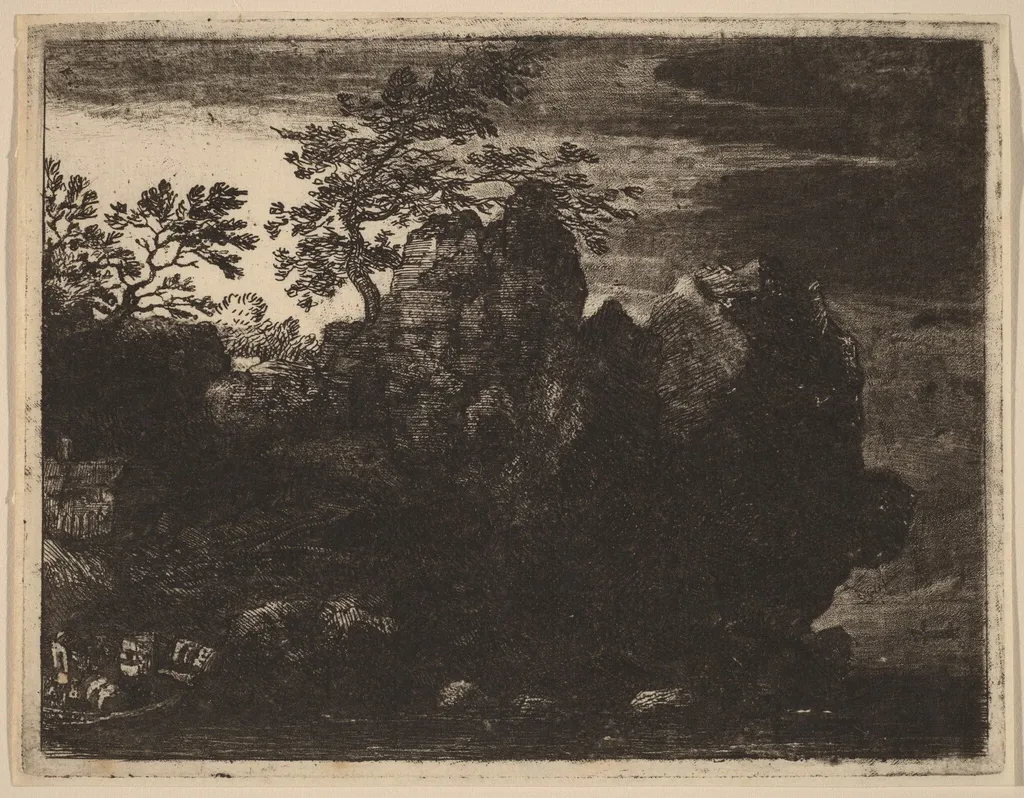
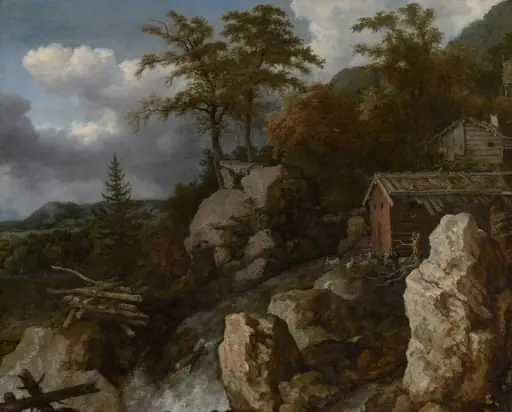
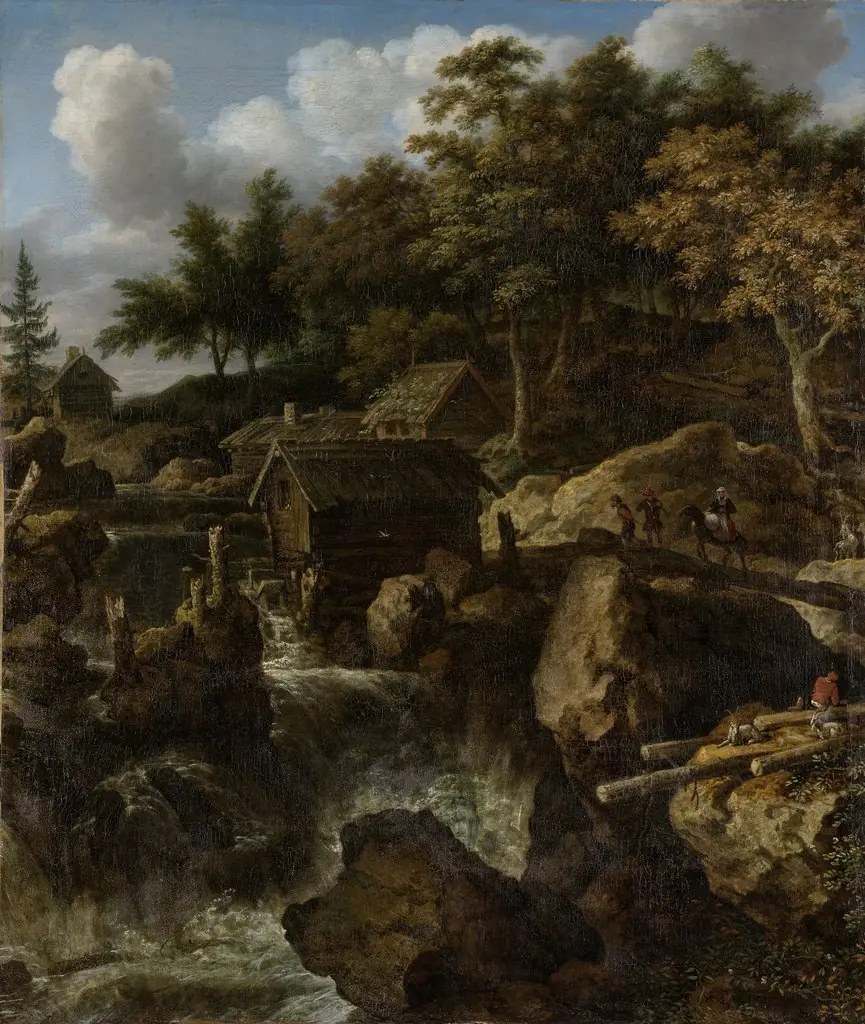
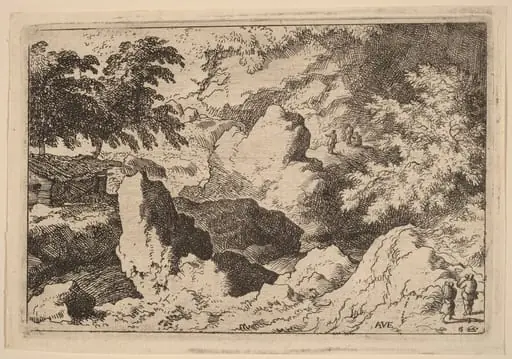
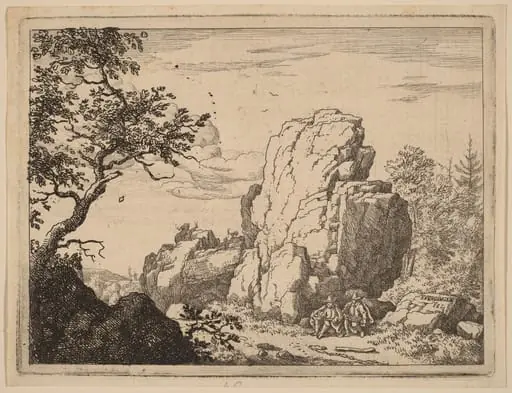
Large Rock at the River is an ink print by the Baroque artist Allart van Everdingen. It dates from 1650 and is held in the collection of the National Gallery of Art.
About this work
Overview
Executed in a technique he mastered, the print conveys a quiet, atmospheric presence through controlled line work and tonal variation.
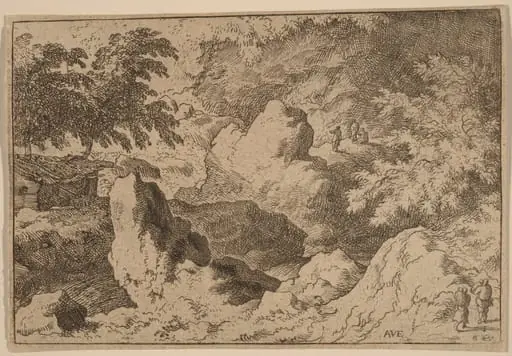
Created around 1650 by Allart van Everdingen, this etching captures a solitary rock formation beside a river, typical of the artist’s interest in rugged natural scenery. Executed in a technique he mastered, the print conveys a quiet, atmospheric presence through controlled line work and tonal variation. The composition avoids grandeur, favoring intimate observation of the landscape’s quiet persistence.
Subject & Meaning
The central rock, massive and weathered, anchors the scene alongside a winding river and sparse vegetation. A distant building hints at human presence without disrupting the wilderness. The image suggests solitude and endurance, reflecting a Northern European tradition that valued nature not as idealized beauty but as a force shaped by time and elemental conditions.
Technique & Style
Van Everdingen employed etching to achieve fine, expressive lines that vary in density to suggest shadow and texture. The rough, hand-drawn quality of the strokes enhances the sense of immediacy, while the narrow band of pale sky contrasts with the dark, densely worked foreground. This contrast deepens the mood, emphasizing the weight of the rock and the stillness of the scene.
History & Provenance
The print emerged during the height of Dutch printmaking, when artists like van Everdingen circulated landscape studies among collectors and fellow artists. Though no specific early ownership records are documented, its stylistic alignment with his other known etchings supports its attribution to the early 1650s, a period when he was actively exploring Nordic-inspired terrain.
Context
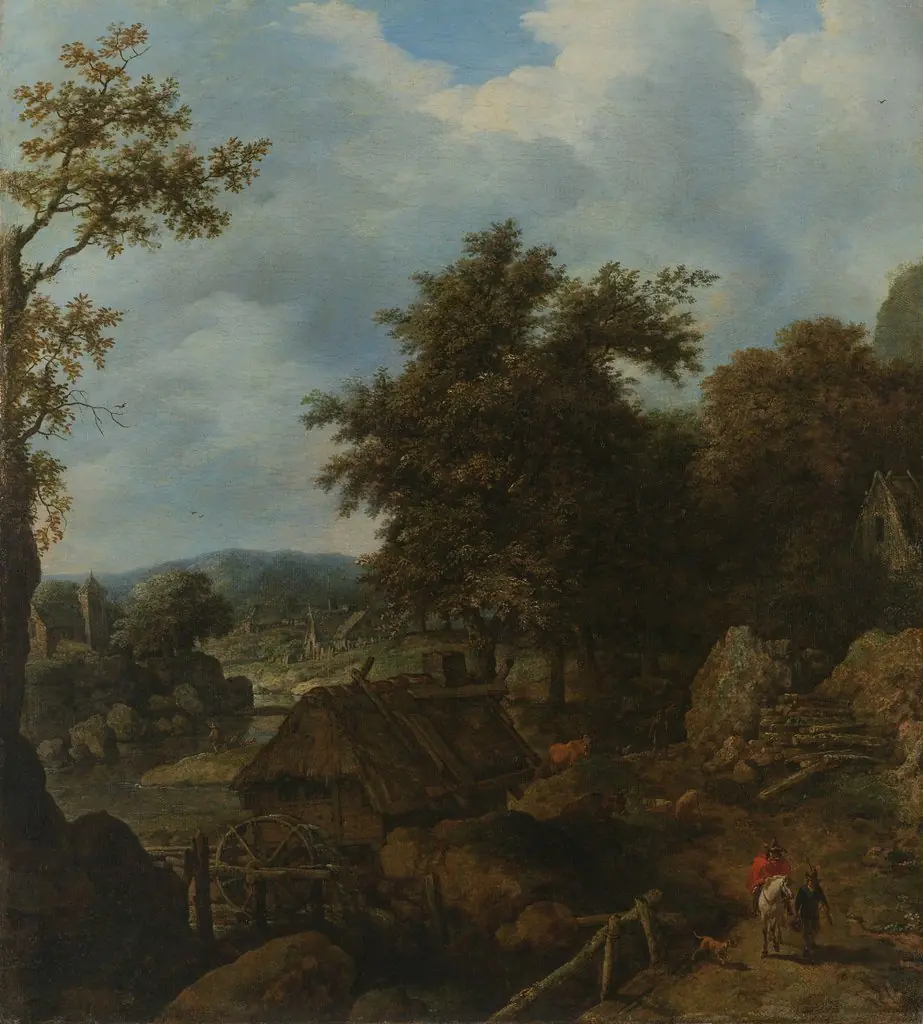
Van Everdingen’s travels to Norway and Sweden influenced his depiction of dramatic rock formations and dense forests, which he translated into prints upon returning to the Netherlands. This work reflects a broader trend among Dutch artists to move beyond cultivated gardens and canals toward wilder, more remote landscapes, often drawn from memory or sketchbooks.
Legacy
The print exemplifies how etching could convey emotional depth without color or grand scale. Van Everdingen’s approach to landscape—emphasizing texture, mood, and geological presence—helped shape later generations of printmakers who sought to capture nature’s quiet intensity, influencing both Dutch and German Romantic traditions.
Own this work as a print
Artist & collection
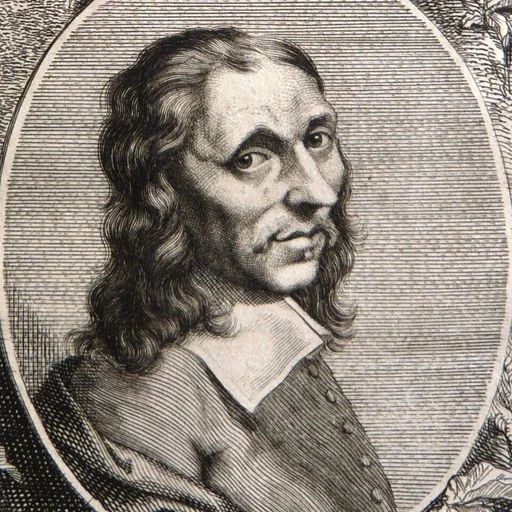
Artist
Allaert van Everdingen (Dutch pronunciation: ; bapt. 18 June 1621 – 8 November 1675 (buried)), was a Dutch Golden Age painter and printmaker in etching and mezzotint.