Artwork
Italian Landscape
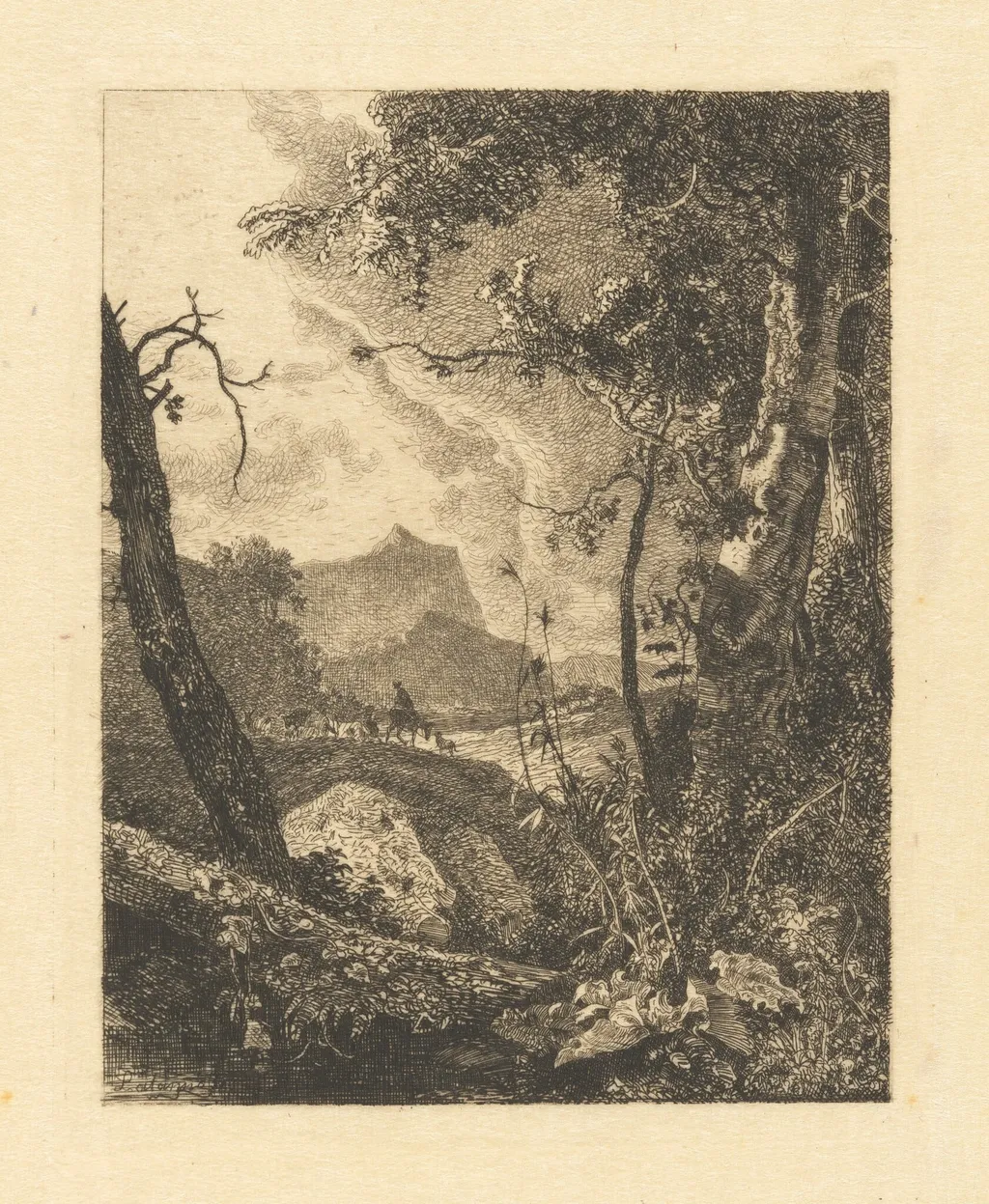
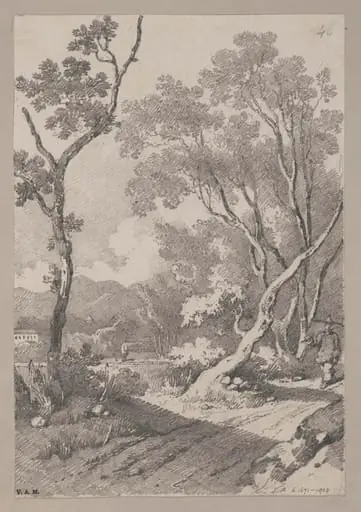
Italian Landscape is an ink print by the Impressionist artist Maxime Lalanne. It dates from 1873 and is held in the collection of the National Gallery of Art.
About this work
Overview
Italian Landscape is an 1873 etching on laid paper by French artist Maxime Lalanne, housed in the National Gallery of Art in Washington. The piece depicts a serene landscape with a distant hill, a simple building atop it, a bare tree in the foreground, and various bushes and wild plants.
Subject & Meaning
The subject is a peaceful, everyday Italian landscape. The emphasis on light, shadow, and natural textures suggests the work's primary concern is evoking a contemplative mood rather than detailing a specific location or narrative.
Technique & Style
Lalanne employed etching to achieve fine lines that capture the interplay of light and shadow, imbuing the scene with vitality. The style, characterized by a focus on mood over meticulous detail, was innovative for its time.
History & Provenance
Created in 1873, the etching is part of the National Gallery of Art's collection in Washington. Specific details about its creation context or ownership history before entering the gallery are not provided.
Context
The piece reflects late 19th-century artistic shifts towards capturing atmospheric effects. Etching, involving acid-etched metal plates, was a technique suited to expressing the subtle, expressive qualities Lalanne pursued in this work.
Legacy
While specific influences or direct artistic legacies of *Italian Landscape* are not detailed, it contributes to the broader appreciation of Lalanne's contribution to the evolution of landscape etching, emphasizing mood and light.
Artist & collection
Artist
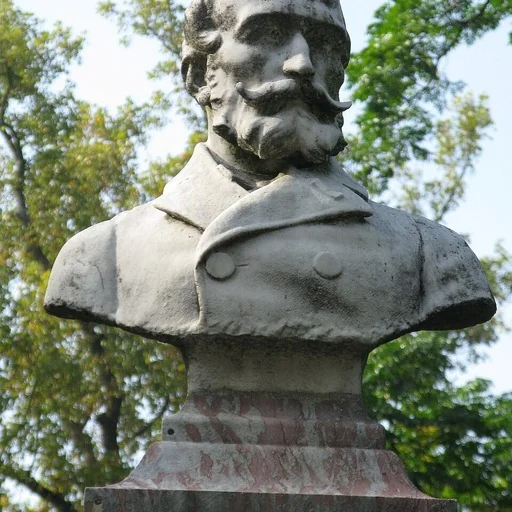
François Antoine Maxime Lalanne (November 27, 1827 – July 29, 1886) was a French artist known for his etchings and charcoal drawings (fusain).

 Satyr (Le Satyre)
 A figure on a path between rocks and trees
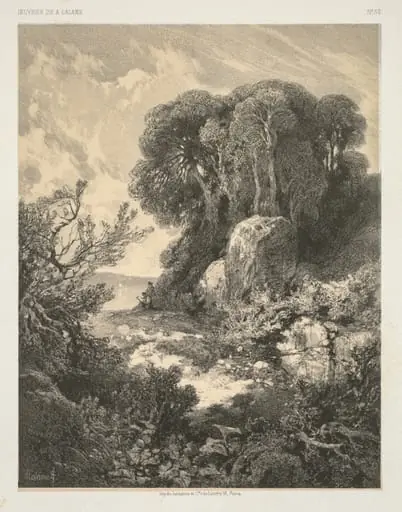 Oeuvres de A. Calame: No. 52
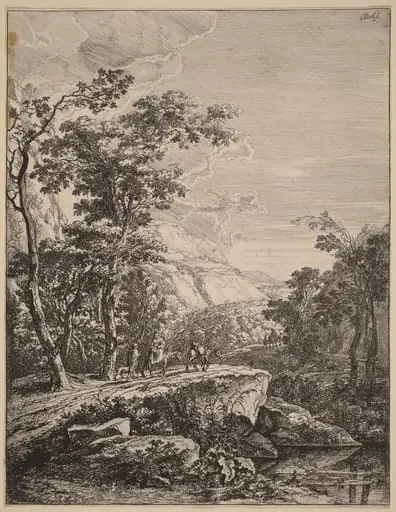 The Woman on the Hinny
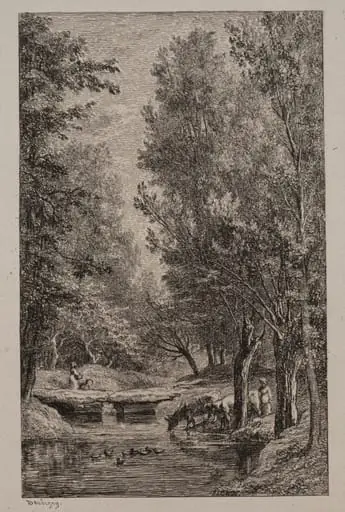 Brook in the Val Mondois
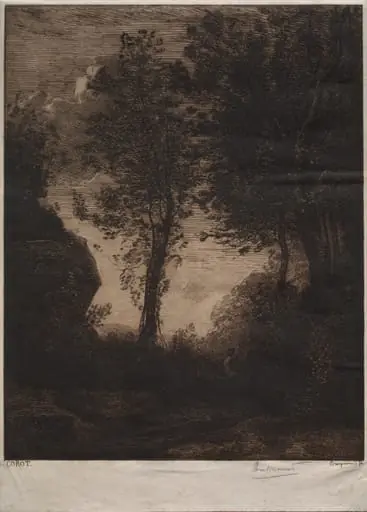 Landscape: Sunset, after Corot
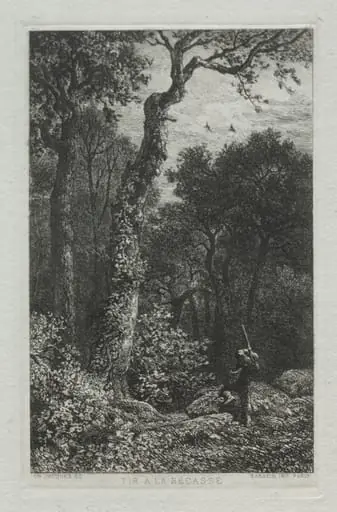 Shooting the Woodcock
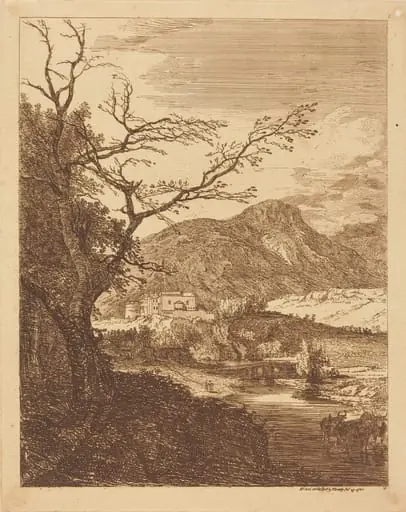 Capriccio with Edinburgh Castle and Arthur's Seat
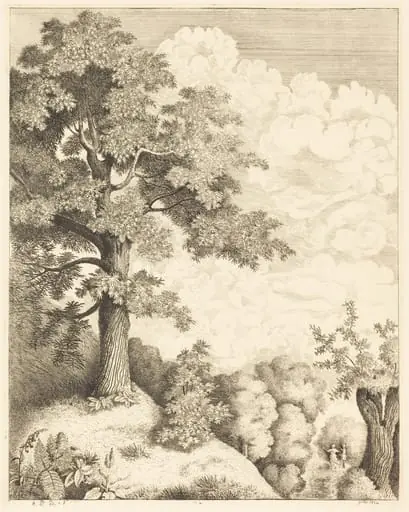 View of Santron
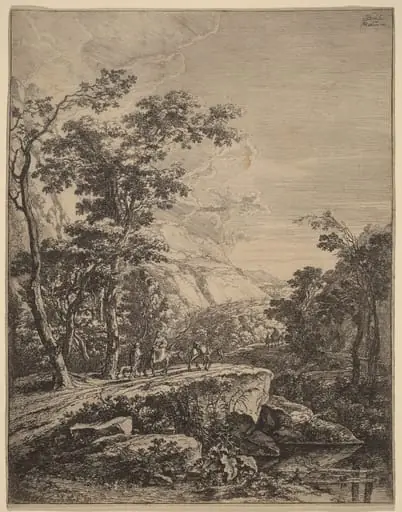 The Woman on the Hinny
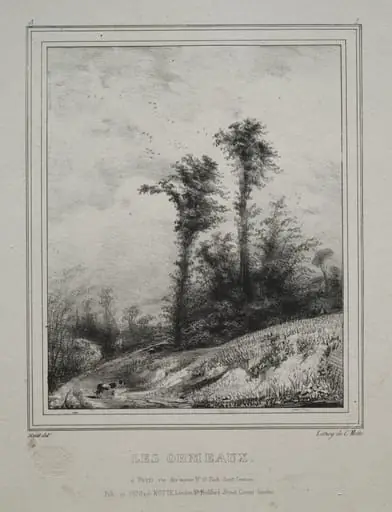 Landscapes: Young Elm Trees
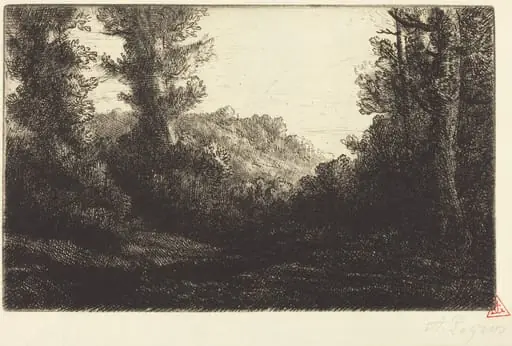 Edge of a Wood (Lisiere de bois)