Artwork
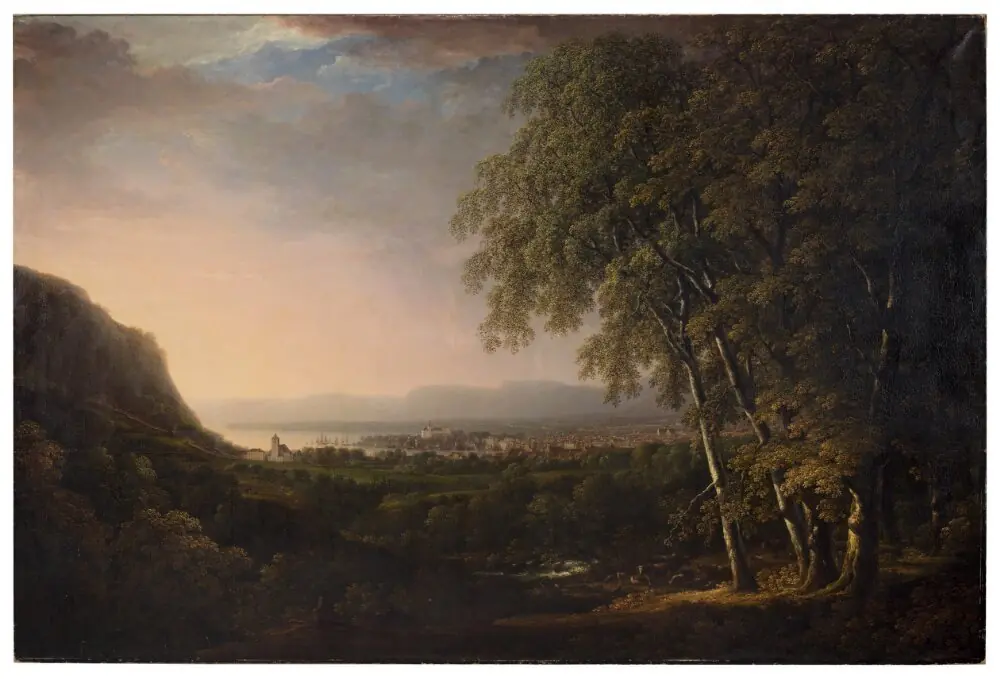
Gothenburg Seen From Örgryte
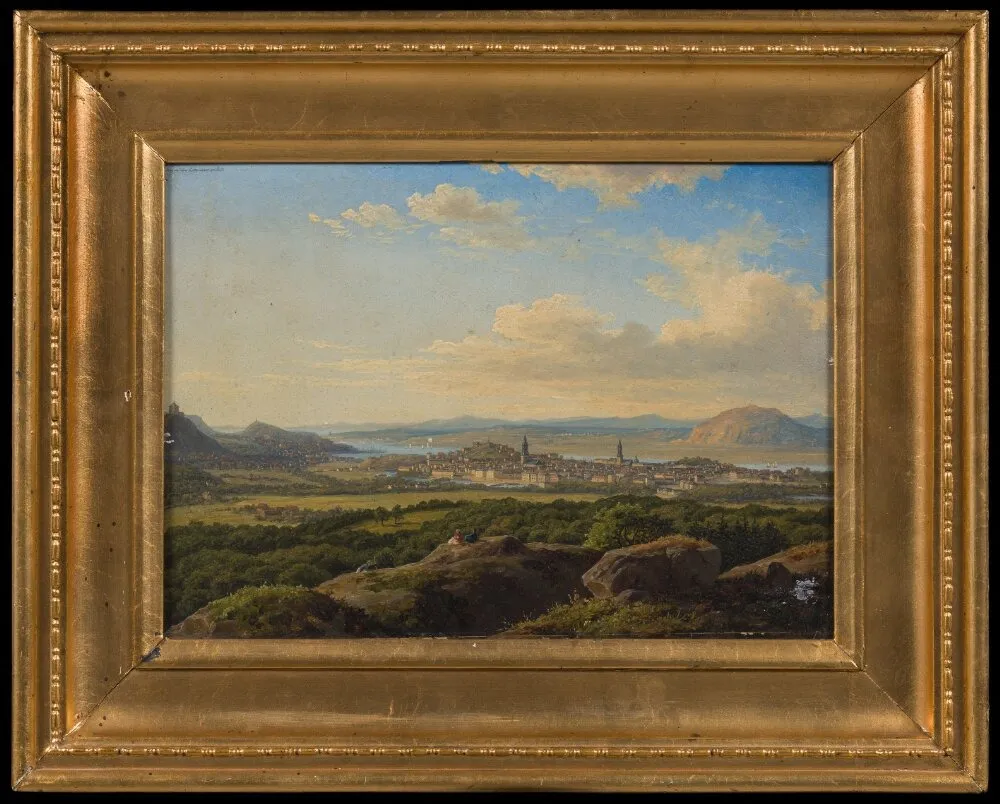
Gothenburg Seen From Örgryte is an unspecified painting by F.C. Kiærskou. It dates from 1849 and is held in the collection of the Nationalmuseum. Painted in 1849 by F.
About this work
Overview
The composition balances natural elements in the foreground with the urban silhouette in the distance, capturing a quiet moment in the city’s landscape.
Painted in 1849 by F.C. Kiærskou, this work presents a view of Gothenburg as seen from the Örgryte district. The composition balances natural elements in the foreground with the urban silhouette in the distance, capturing a quiet moment in the city’s landscape. It is part of the Nationalmuseum’s collection in Stockholm, where it remains a representative example of 19th-century Danish landscape painting.
Subject & Meaning
The painting portrays Gothenburg across a stretch of water, emphasizing separation between the rural foreground and the developed city. The absence of human figures and the calm atmosphere suggest contemplation rather than activity. It reflects a period when urban growth was accelerating, yet the artist chose to highlight harmony between nature and settlement, not industrial progress.
Technique & Style
Kiærskou employed fine brushwork to render the textures of foliage, rock, and water with precision. The sky, rendered in soft gradients of blue and white, guides the eye toward the city’s distant spires and rooftops. Light is carefully modulated to suggest morning or late afternoon, enhancing the sense of stillness. The perspective is slightly elevated, allowing both foreground detail and urban depth to coexist.
History & Provenance
Created during Kiærskou’s active period in Denmark, the painting was acquired by the Nationalmuseum in Sweden shortly after its completion. Its presence in a Swedish national collection reflects the cultural ties between Denmark and Sweden in the 19th century. No significant changes in ownership are recorded, and it has remained in public care since the mid-1800s.
Context
In the mid-19th century, Scandinavian artists increasingly turned to local landscapes as subjects of artistic interest, moving away from idealized classical scenes. Kiærskou’s work aligns with this trend, documenting real places with observational accuracy. Gothenburg, a key port city, was a symbol of regional commerce, yet here it is rendered with restraint, as part of a broader natural setting.
Legacy
Though not widely reproduced, the painting is recognized within Nordic art history as a quiet example of topographical landscape painting. It contributes to the understanding of how Danish artists engaged with Swedish geography during a time of shifting national identities. Kiærskou’s attention to atmospheric detail influenced later generations focused on naturalistic representation.
Artist & collection

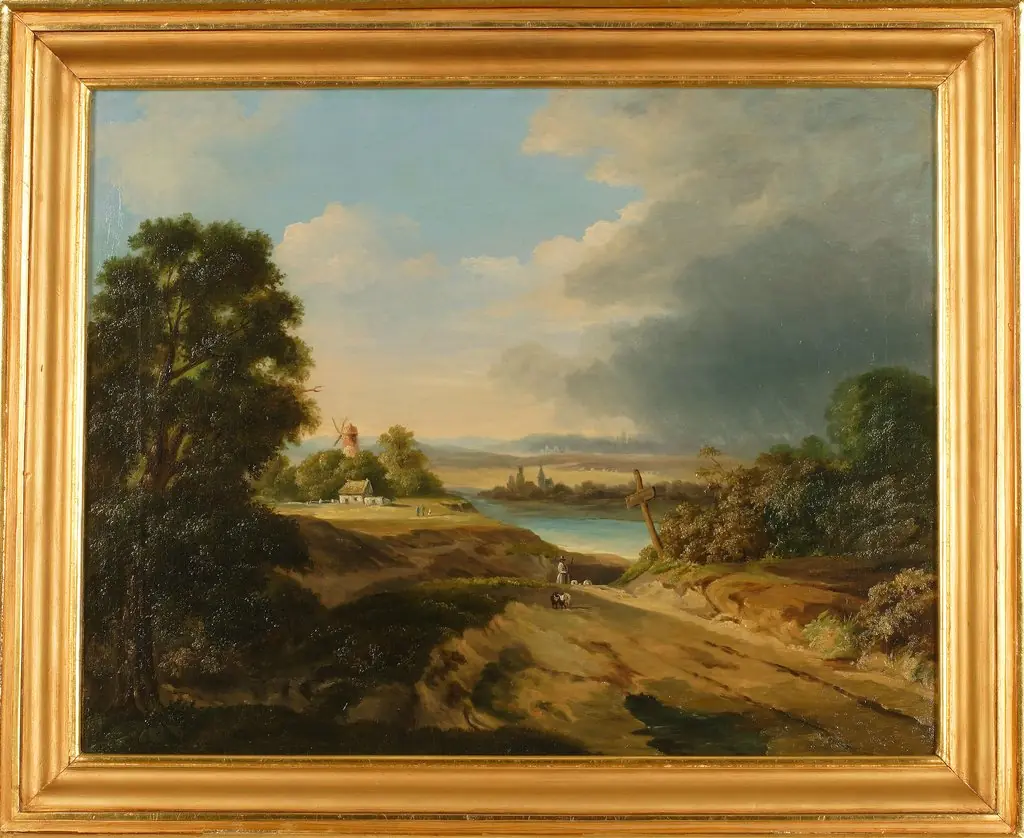 Landscape with a windmill
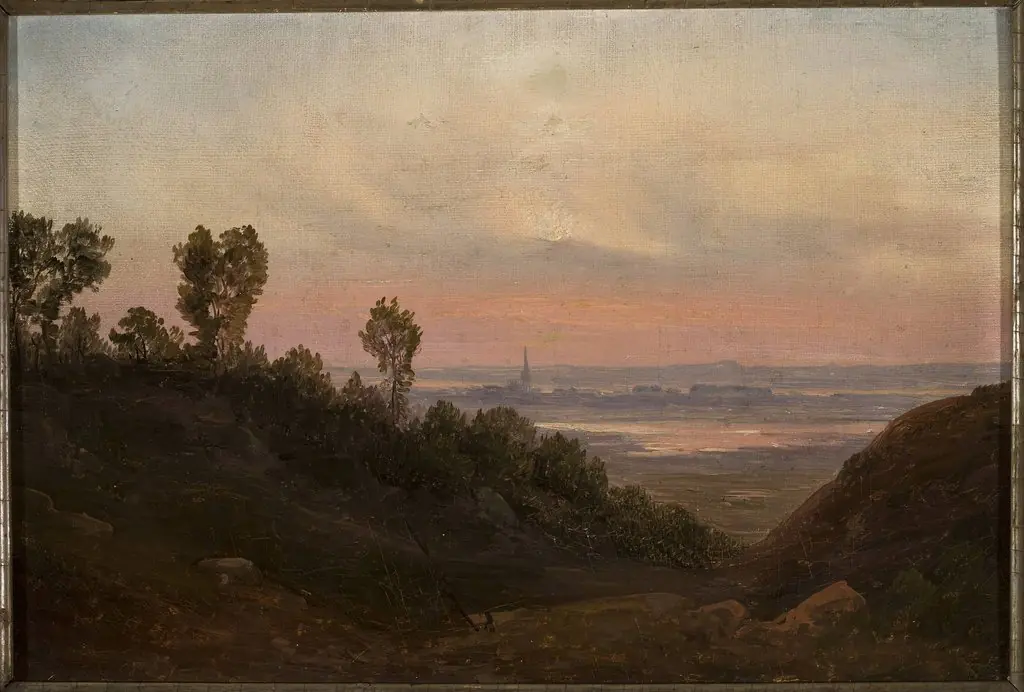 Hilly landscape at sunset
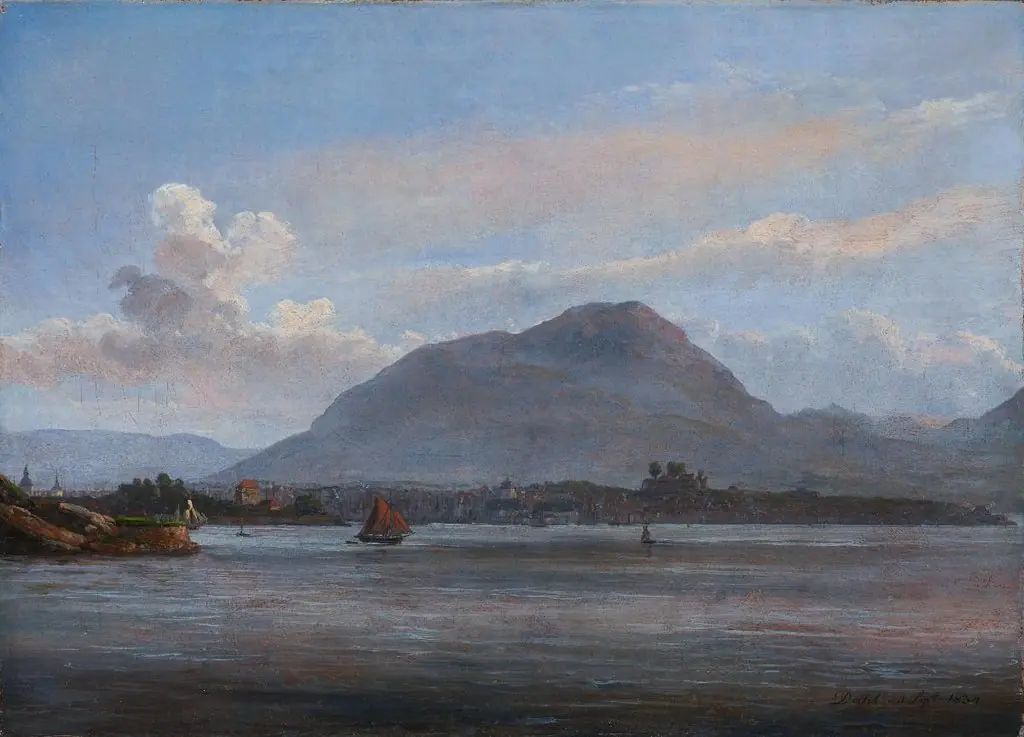 Bergen Seen from the Northern Inlet
 A View Across Lake Leman Towards Mont Blanc and Geneva
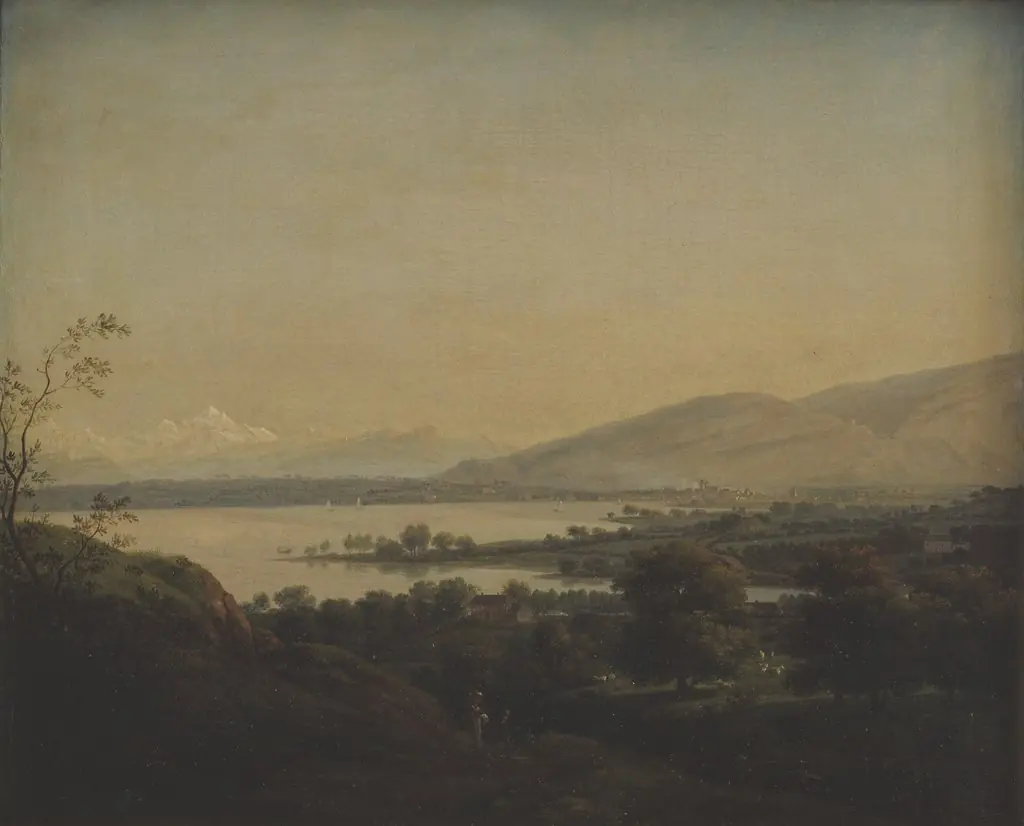 A View Across Lake Leman Towards Mont Blanc and Geneva
 Απεικόνιση θαλάσσιου τοπίου
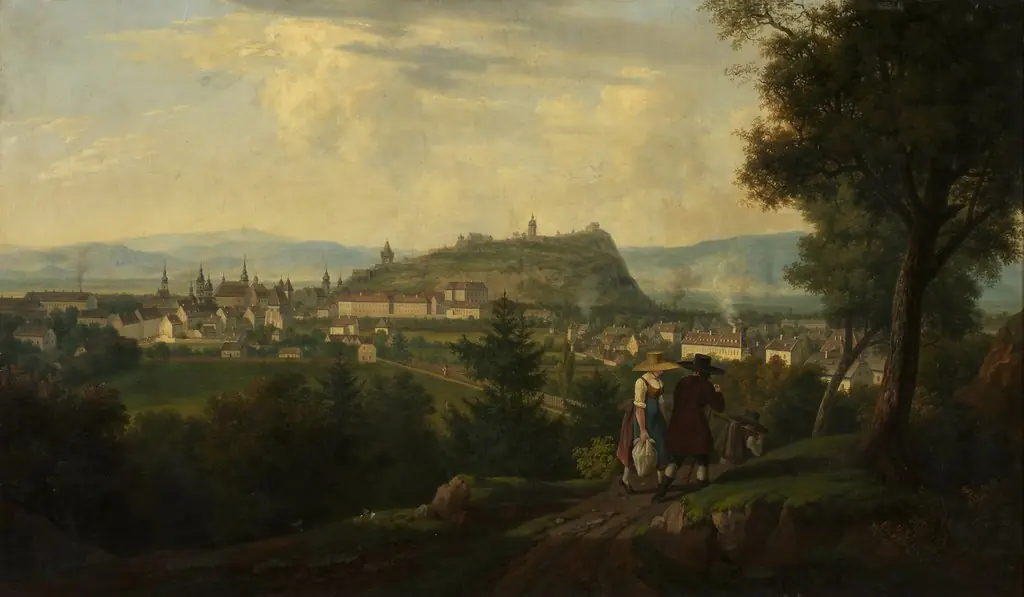 Graz mit Schlossberg
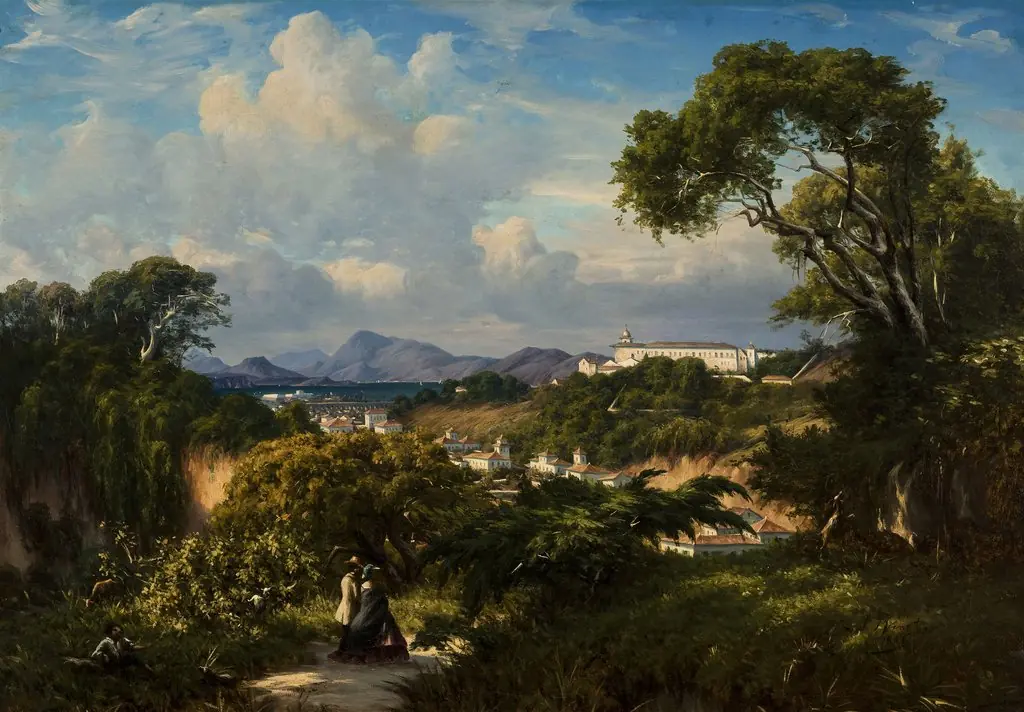 View of Santa Teresa Convent from the Heights of Paula Matos
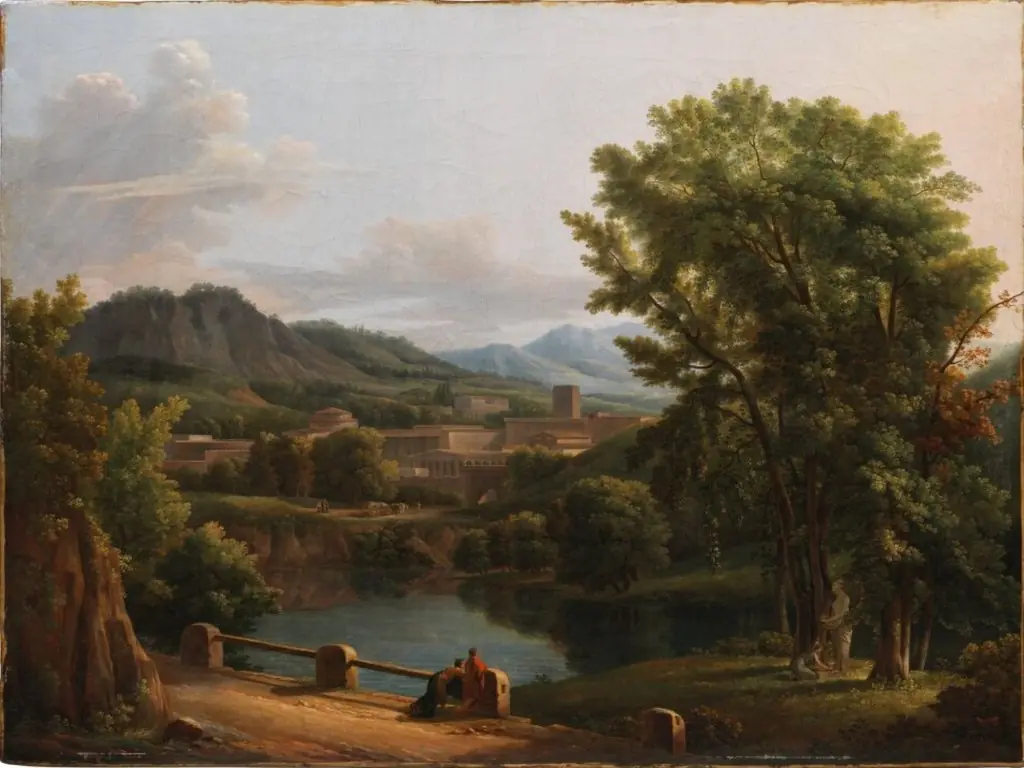 Ideal Landscape with a Sacrifice to the Goddess Flora
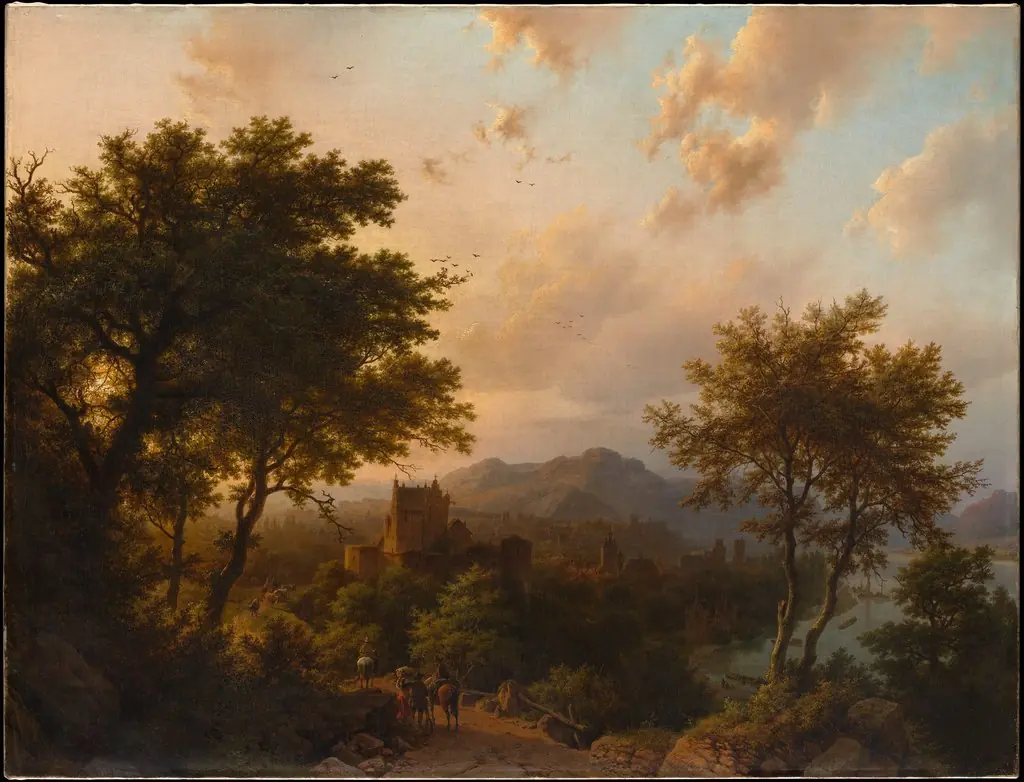 Sunset on the Rhine
 View of Kristiania (Oslo)
 View from Bornholm