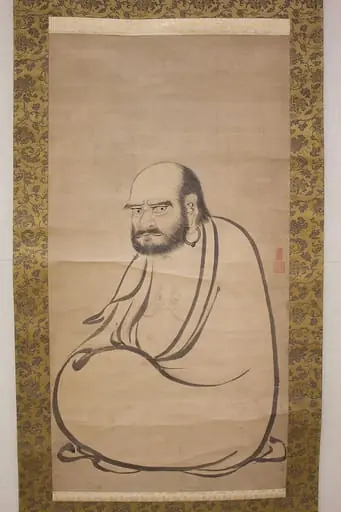
Artwork
Daruma
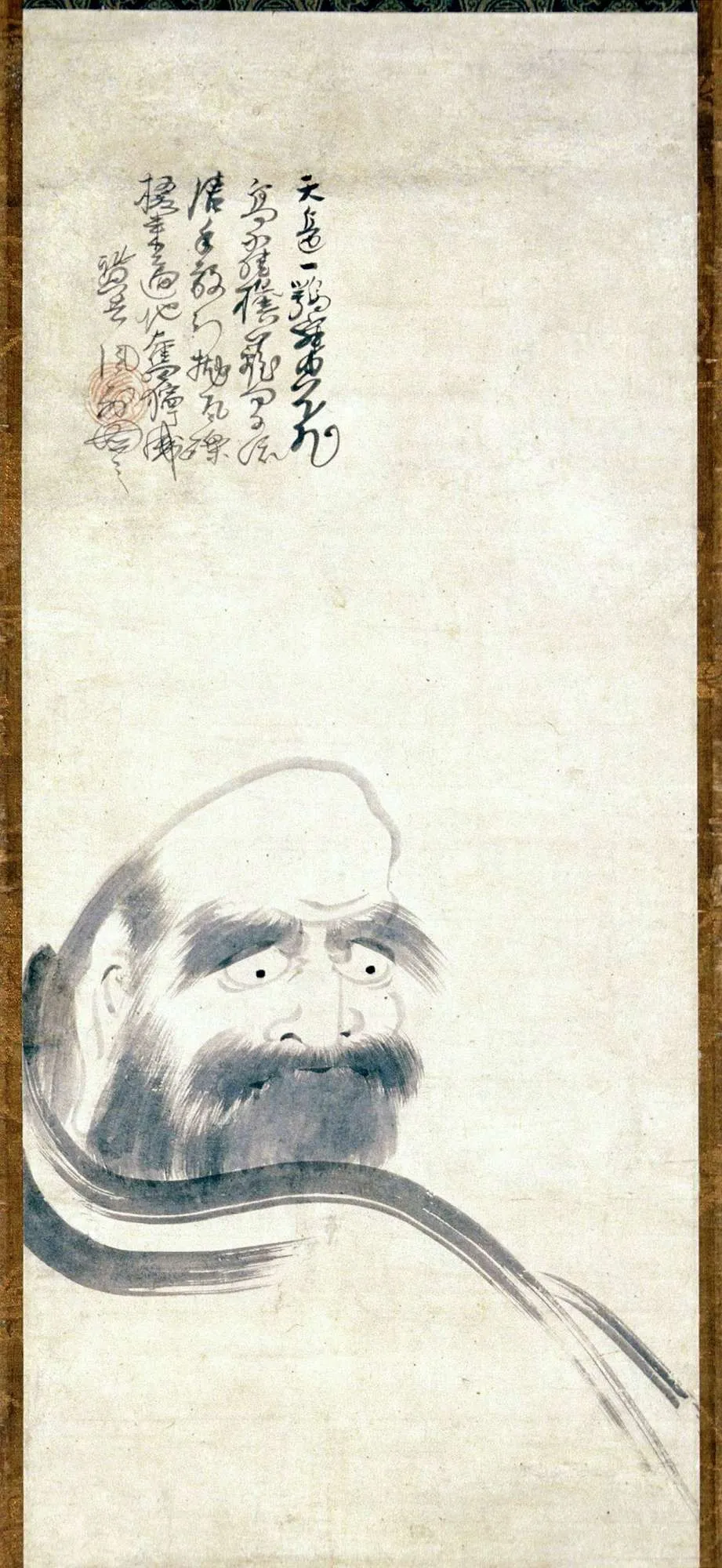
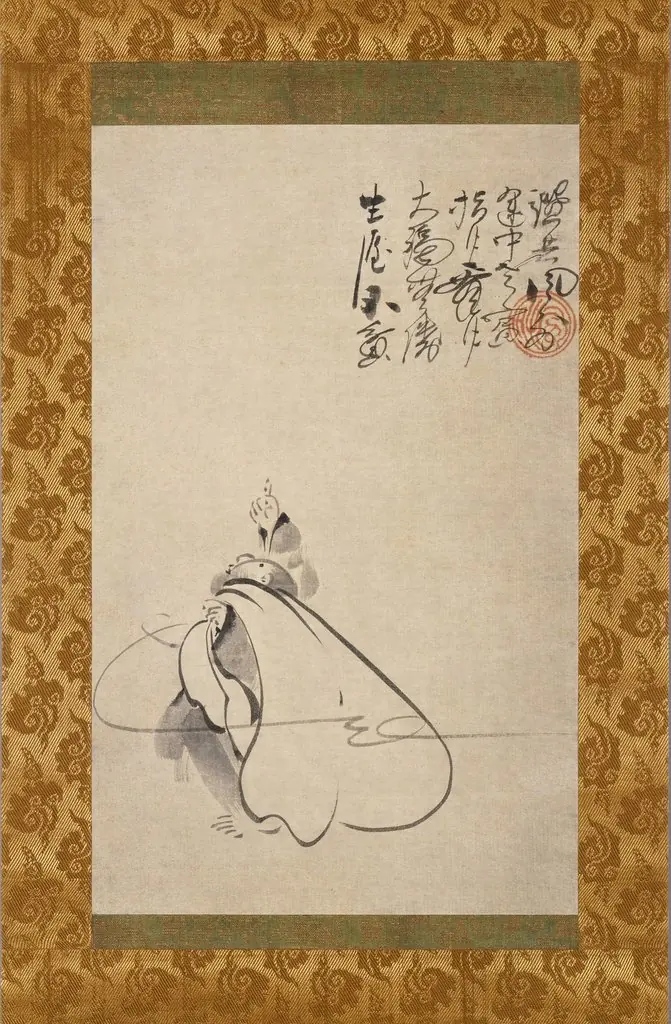
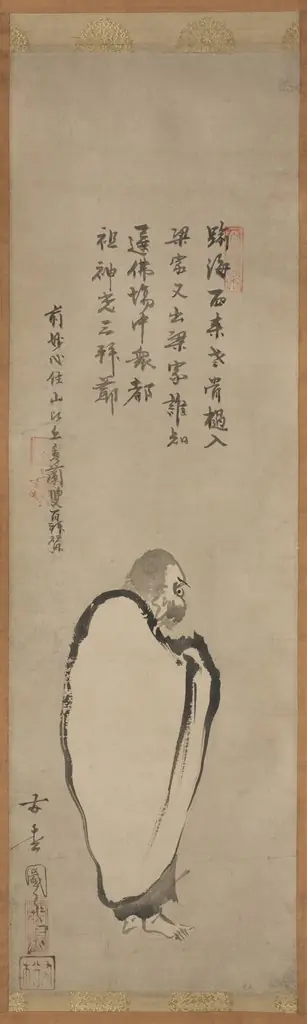
Daruma is a paint painting by Fūgai Ekun. It dates from 1618 and is held in the collection of the Detroit Institute of Arts.
About this work
Overview
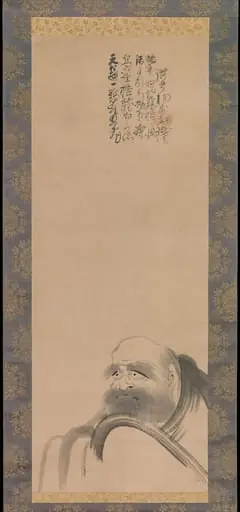
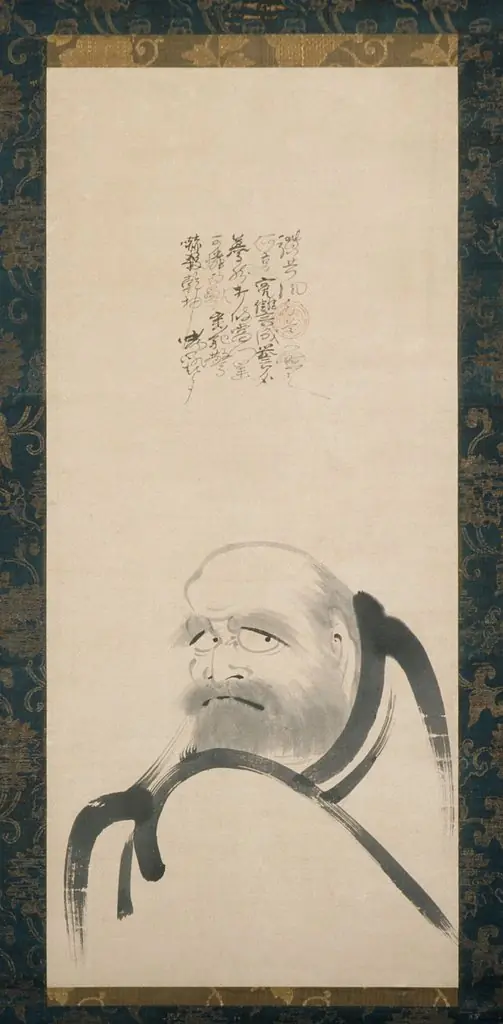
Created around 1618 by the Japanese painter Fūgai Ekun, this work titled Daruma is an oil painting that resides in the collection of the Detroit Institute of Arts. The piece presents a solitary figure modeled after the traditional Daruma doll, a symbol associated with perseverance and renewal in Japanese culture.
Subject & Meaning
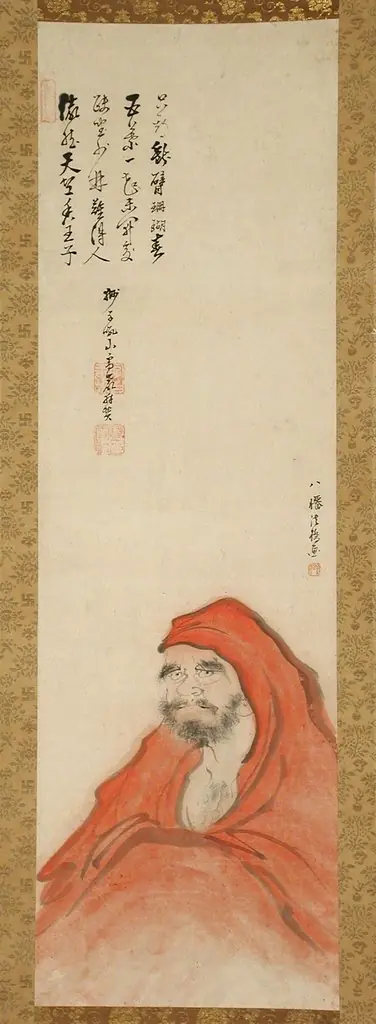
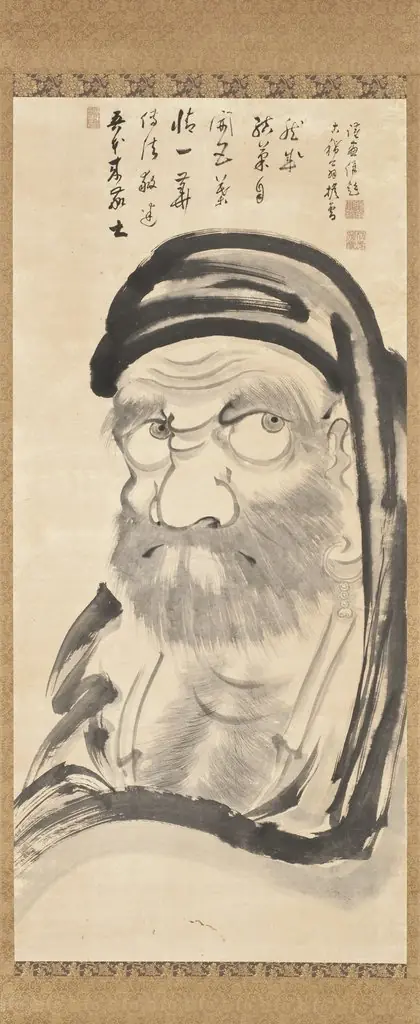
The canvas portrays a man with a rounded face, a flowing beard, and a solemn demeanor. He wears a simple robe and a hat, his gaze directed downward, evoking the contemplative posture typical of Daruma icons, which are often linked to personal resolve and the pursuit of goals.
Technique & Style
Ekun employs confident, sweeping brushstrokes that give the figure a sense of immediacy, while the palette combines saturated hues for the clothing with a subdued, almost neutral background. This contrast isolates the subject, allowing the viewer’s attention to remain on the expressive features and the symbolic posture.
History & Provenance
The painting entered the Detroit Institute of Arts through acquisition in the mid‑20th century, though earlier ownership records are sparse. Its attribution to Fūgai Ekun has been supported by stylistic analysis and comparative study with other works dated to the early Edo period.
Artist & collection