Artwork
Dinner Service (Rousseau service): Swallow, Rooster and Flowers (no. 8)
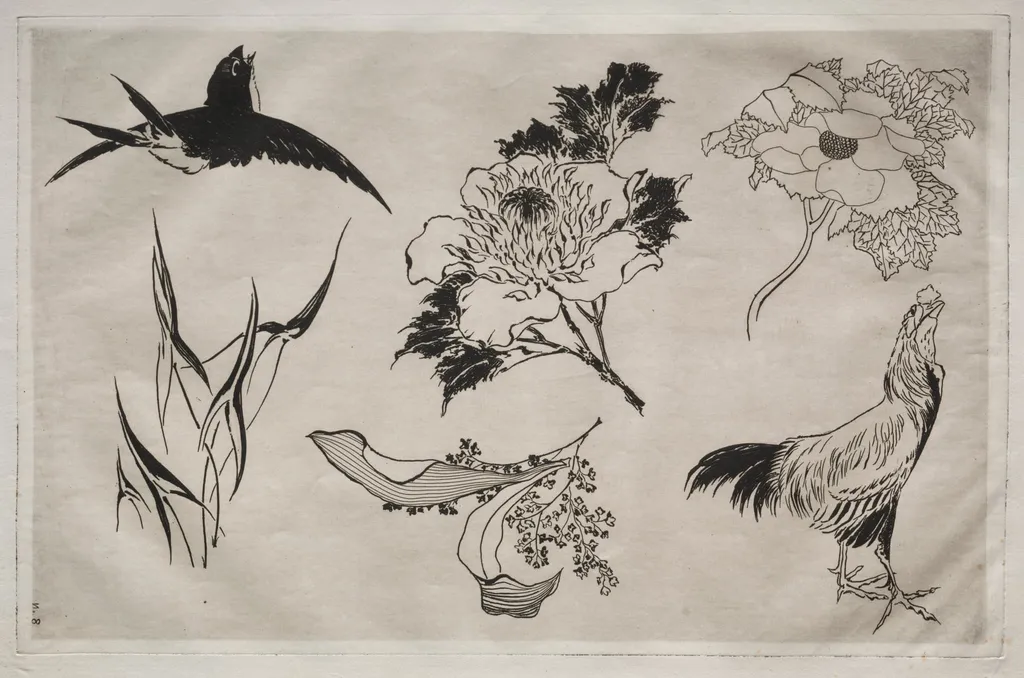
Dinner Service (Rousseau service): Swallow, Rooster and Flowers (no. 8) is a print by the Impressionist artist Félix Bracquemond. It dates from 1866 and is held in the collection of the Cleveland Museum of Art.
About this work
Overview
Created in 1866 by Félix Bracquemond, this print is part of a larger dinner service designed to transform tableware into a cohesive artistic statement.
Created in 1866 by Félix Bracquemond, this print is part of a larger dinner service designed to transform tableware into a cohesive artistic statement. Rendered in ink on paper, it features three distinct natural forms arranged in a balanced composition. The work reflects Bracquemond’s interest in integrating fine art motifs into functional objects, aligning with broader 19th-century efforts to elevate decorative arts.
Subject & Meaning
The imagery centers on a swallow in flight, a rooster standing prominently, and a sprig of flowering branches. Each element draws from the natural world, suggesting themes of movement, vitality, and seasonal renewal. The swallow’s dynamic posture contrasts with the rooster’s grounded presence, while the flowers introduce organic rhythm. Together, they form a quiet narrative of life in harmony with nature, devoid of overt symbolism.
Technique & Style
Bracquemond employed precise linework to define each form, using contrast between dark ink and the pale paper to enhance clarity. The swallow’s wings are rendered with fine, feather-like strokes; the rooster’s tail fans out in tightly controlled curves. Flowers and leaves are simplified yet carefully observed, balancing botanical accuracy with decorative intent. The style reflects Japanese woodblock influences, particularly in flat planes and bold outlines.
History & Provenance
This print was produced as part of the Rousseau dinner service, commissioned for a private French household and later dispersed. The Cleveland Museum of Art acquired the piece as part of its broader collection of 19th-century decorative prints. Its survival as a single sheet underscores the fragmentary nature of the original service, which once included multiple plates and dishes bearing similar motifs.
Context
Created during a period when European artists were reimagining domestic design through exposure to Japanese aesthetics, this work aligns with the Japonisme movement. Bracquemond, influenced by ukiyo-e prints, sought to break from academic traditions by applying graphic clarity to utilitarian objects. The service was among the earliest European attempts to unify tableware under a single artistic vision, predating similar efforts by the Aesthetic Movement.
Legacy
Though the Rousseau service was not widely reproduced, its individual components influenced later designers interested in integrating nature into applied arts. Bracquemond’s approach—combining precision with restraint—helped bridge the gap between fine printmaking and decorative design. The print remains a key example of how 19th-century artists redefined the boundaries between art and everyday life.
Artist & collection

Artist
Félix Henri Bracquemond (French pronunciation: ; 22 May 1833 – 29 October 1914) was a French painter, etcher, and printmaker.

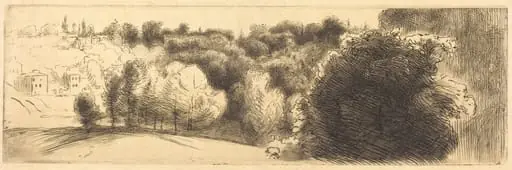
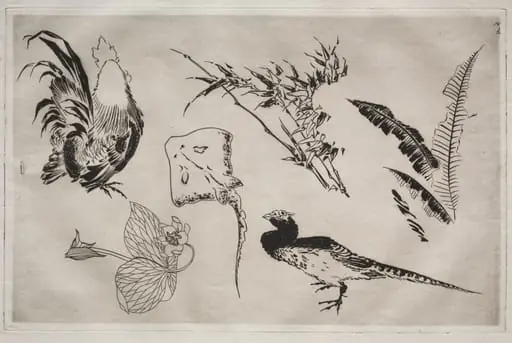 Dinner Service (Rousseau service): Roosters, skate, plants, etc. (no. 9)
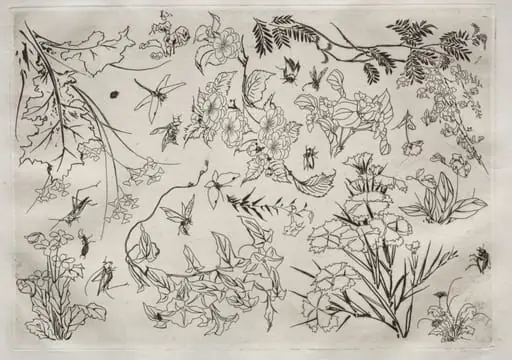 Dinner Service (Rousseau service): Flowers (no. 22)
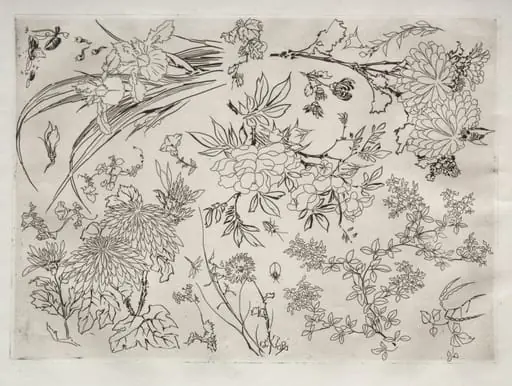 Dinner Service (Rousseau service): Flowers (no. 23)
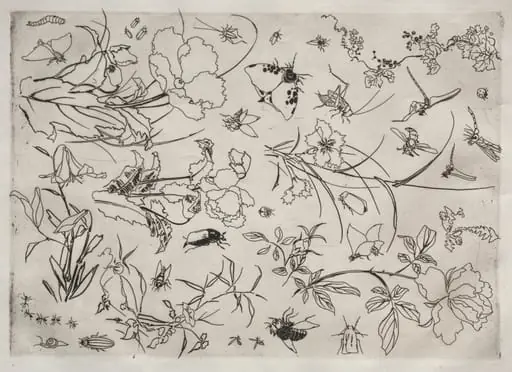 Dinner Service (Rousseau service): Flowers and Insects (no. 15)
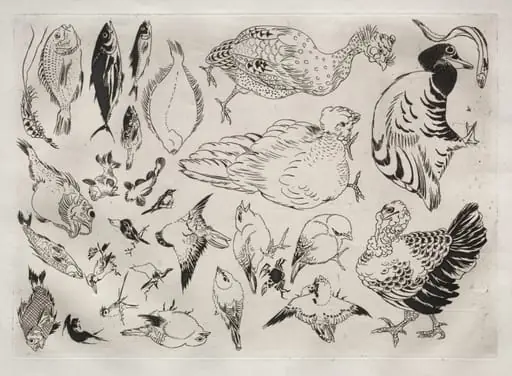 Dinner Service (Rousseau service): Ducks, fish, etc. (no. 12)
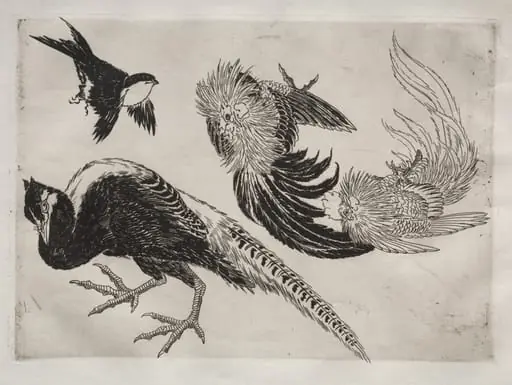 Dinner Service (Rousseau service): Pheasants and bird (no. 18)
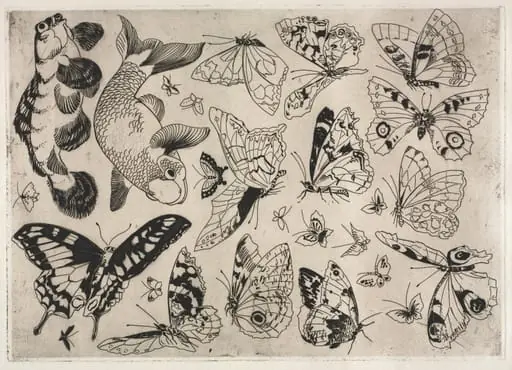 Dinner Service (Rousseau service): Butterflies and Fish (no. 16)
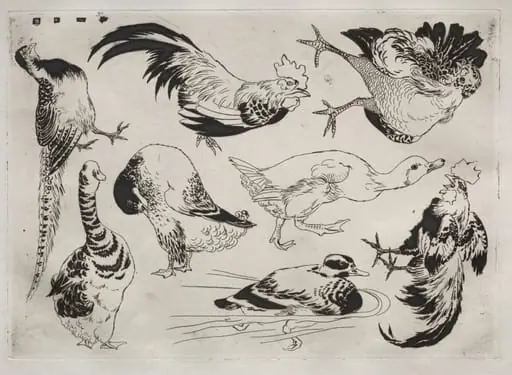 Dinner Service (Rousseau service): Roosters, ducks, etc. (no. 13)
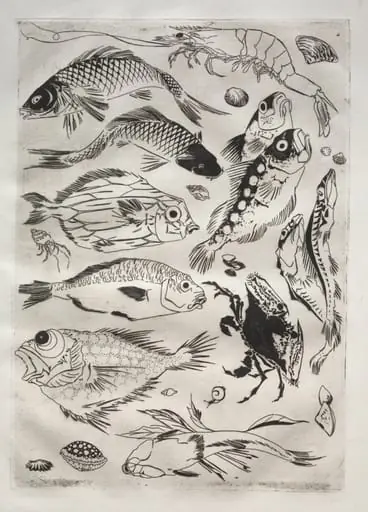 Dinner Service (Rousseau service): Fish (no. 24)
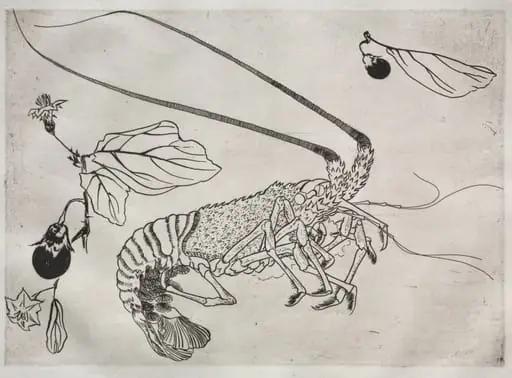 Dinner Service (Rousseau service): Large lobster with raised antenna (no. 21)
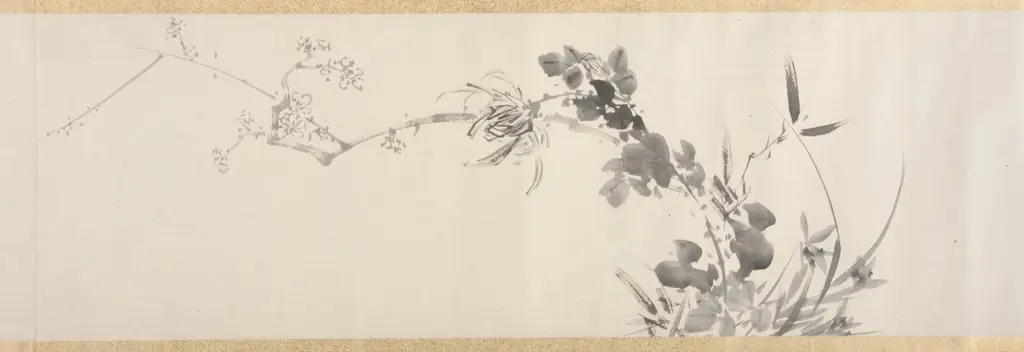 Birds and Flowers