Artwork
Parisian Service (Haviland service): The Moon (no. 5)
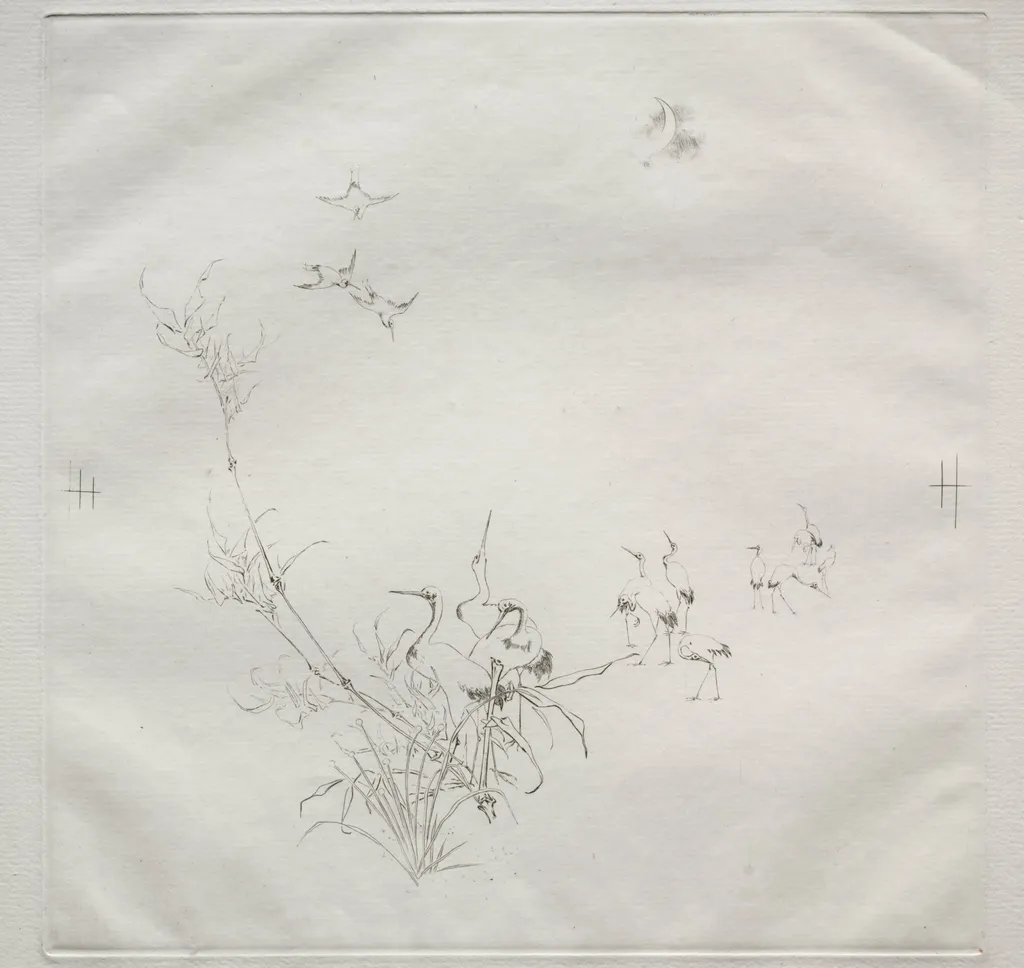
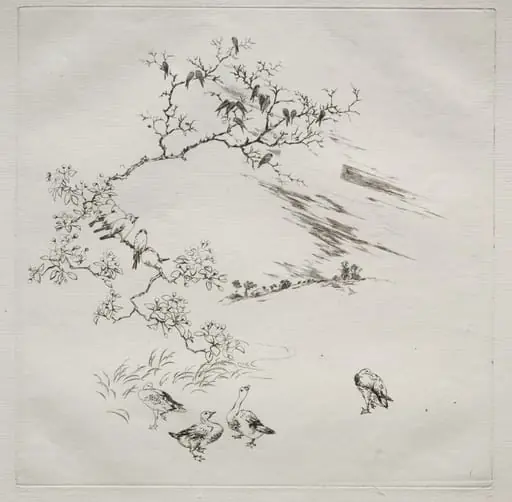
Parisian Service (Haviland service): The Moon (no. 5) is a print by the Impressionist artist Félix Bracquemond. It dates from 1875 and is held in the collection of the Cleveland Museum of Art.
About this work
Overview
Created in 1875 by Félix Bracquemond, this print is part of the Parisian Service, a series of ceramic designs produced for the Haviland & Co.
Created in 1875 by Félix Bracquemond, this print is part of the Parisian Service, a series of ceramic designs produced for the Haviland & Co. porcelain manufacturer. The work is one of five in the series, each depicting a celestial body paired with natural motifs. This piece, representing the Moon, features a delicate arrangement of flora and avian forms rendered in monochrome. It resides in the collection of The Cleveland Museum of Art.
Subject & Meaning
The design centers on a slender, spindly plant with elongated stems and sparse foliage, accompanied by birds in varied postures—some in flight, others perched. The imagery evokes nocturnal quietude, aligning the plant’s delicate form with lunar stillness. Rather than symbolic allegory, the composition suggests an intimate observation of nature under moonlight, reflecting a broader 19th-century interest in naturalism and atmospheric subtlety.
Technique & Style
Executed in fine black ink on a white ground, the drawing employs minimal linework and avoids shading or texture. Forms are simplified, with contours defining both plant and birds without ornamental detail. This restrained aesthetic draws from Japanese woodblock prints, which Bracquemond admired and helped introduce to French decorative arts. The clarity and economy of line emphasize grace over realism.
History & Provenance
Bracquemond designed this print as a transfer decoration for porcelain plates commissioned by Haviland & Co. The Parisian Service, though commercially produced, was intended as high art, reflecting Bracquemond’s role as a bridge between fine and applied arts. The Cleveland Museum of Art acquired the print as part of its broader collection of 19th-century decorative designs, preserving its original context as a design prototype.
Context
This work emerged during a period when French artists were reimagining decorative arts through the lens of Japanese aesthetics. Bracquemond, influenced by ukiyo-e prints, sought to elevate ceramics beyond mere ornamentation. The Moon plate was part of a broader movement to integrate artistic integrity into mass-produced objects, aligning with the Arts and Crafts ethos and early reactions against industrial excess.
Legacy
Bracquemond’s Parisian Service influenced later generations of designers seeking harmony between nature and craft. Though not widely known today, the series is recognized in scholarly circles as a pivotal moment in the integration of fine art principles into industrial design. Its restrained beauty continues to inform discussions on the relationship between drawing, function, and artistic expression in decorative objects.
Artist & collection

Artist
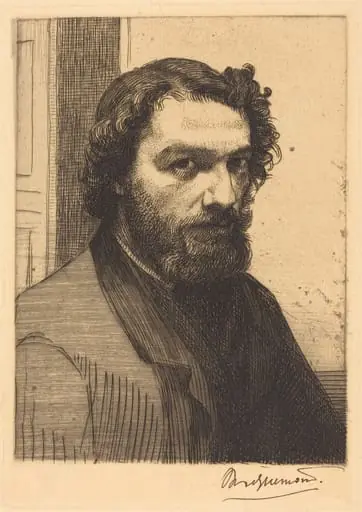
Félix Henri Bracquemond (French pronunciation: ; 22 May 1833 – 29 October 1914) was a French painter, etcher, and printmaker.

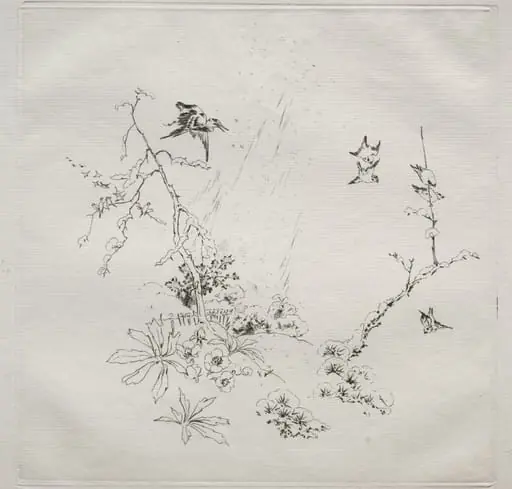 Parisian Service (Haviland service): Snow (no. 6)
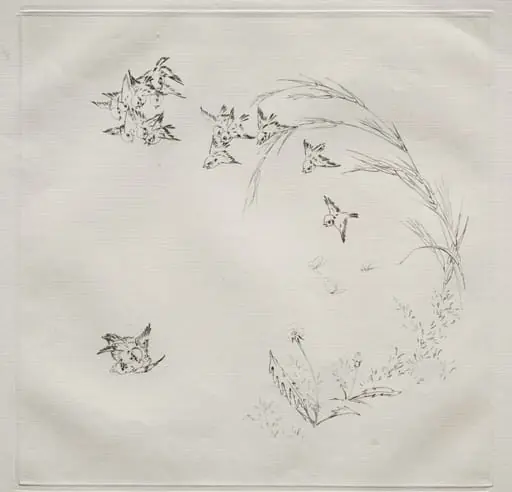 Parisian Service (Haviland service): The Fight (no. 2)
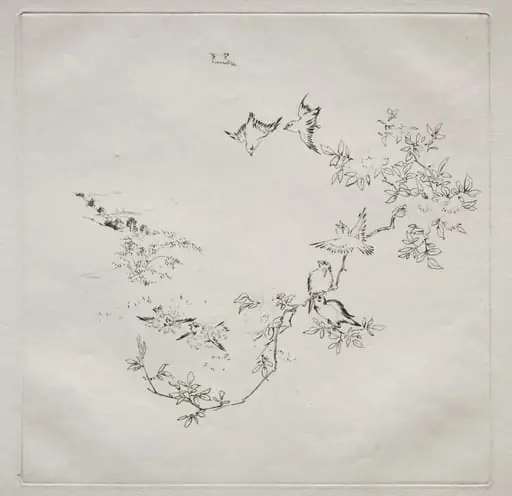 Parisian Service (Haviland service): Sunrise (no. 12)
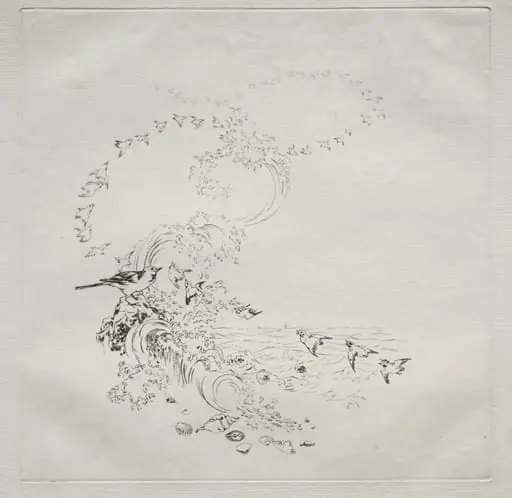 Parisian Service (Haviland service): Sunset (no. 11)
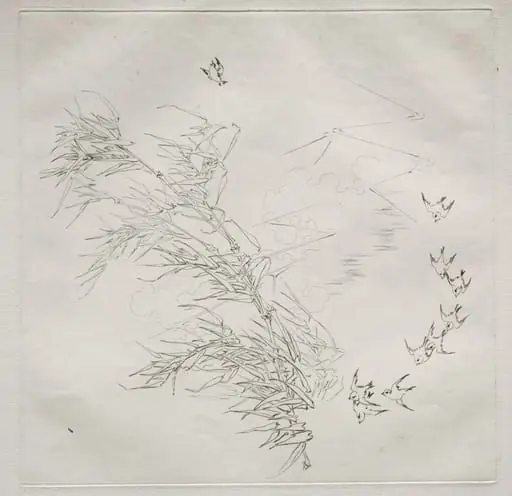 Parisian Service (Haviland service): The Storm (no. 8)
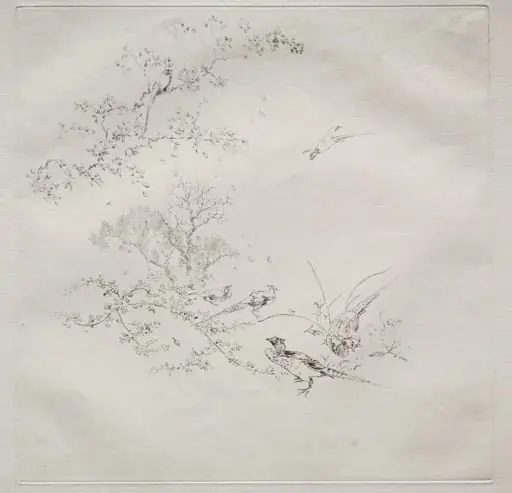 Parisian Service (Haviland service)
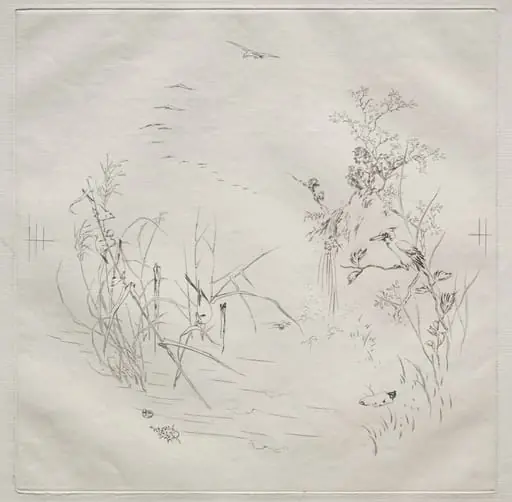 Parisian Service (Haviland service): Calm (no. 3)
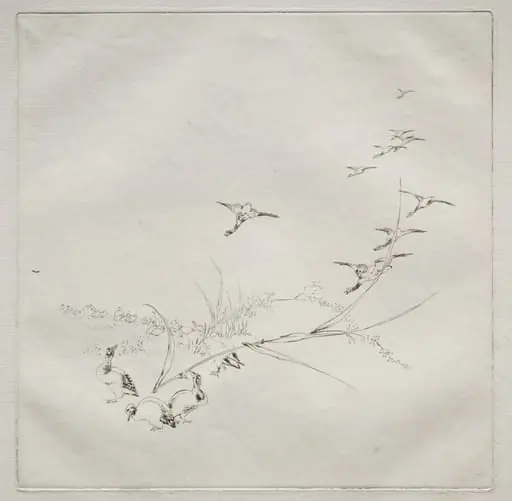 Parisian Service (Haviland service): Right in the sun (no. 9)
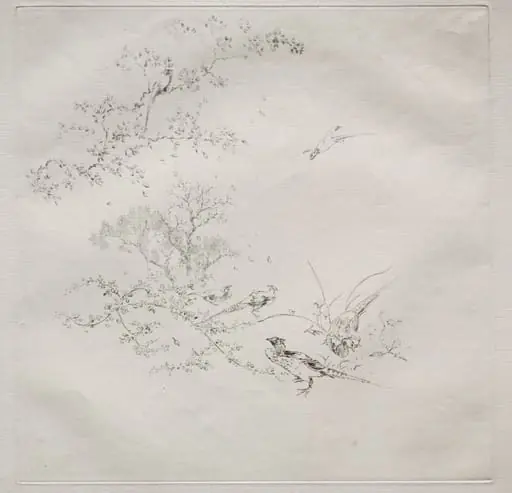 Parisian Service (Haviland service): Fog (no. 1)
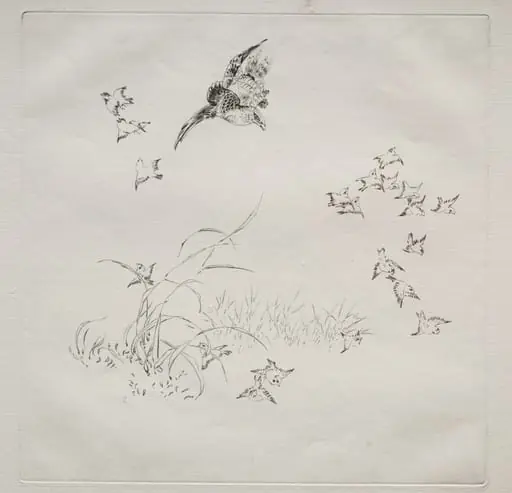 Parisian Service (Haviland service): The Terror (no. 4)
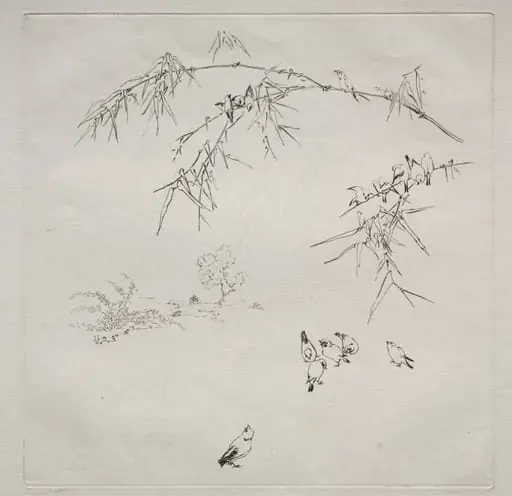 Parisian Service (Haviland service): Rain (no. 10)
 Parisian Service (Haviland service): Night (no. 7)