Artwork
The Donkeys at the Hill of the Cailles
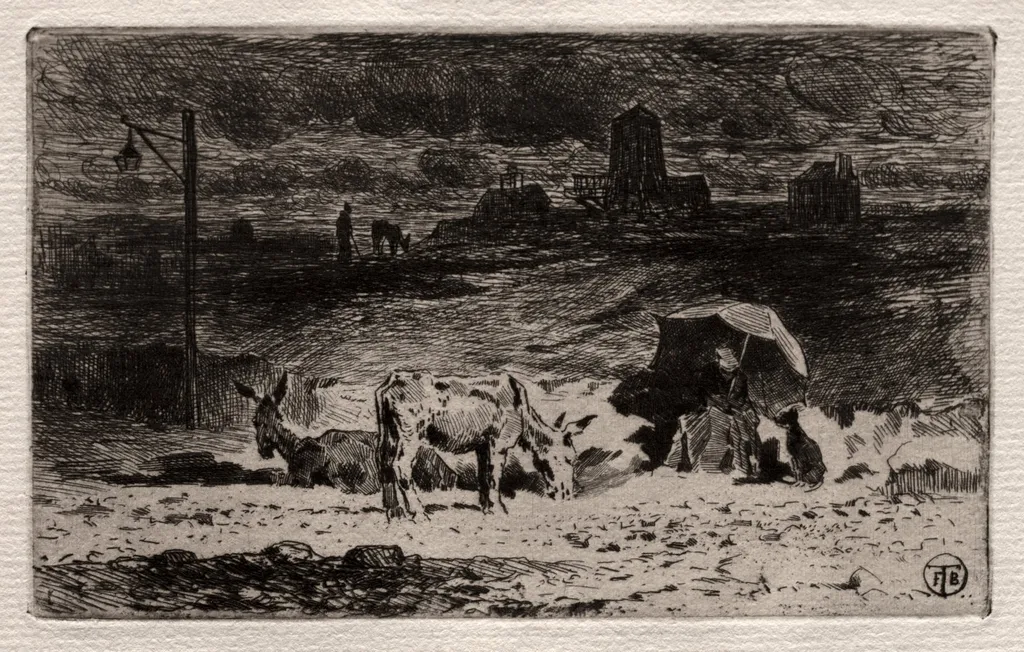
The Donkeys at the Hill of the Cailles is a print by the Impressionist artist Félix-Hilaire Buhot. It dates from 1875 and is held in the collection of the Cleveland Museum of Art. Created around 1875 by Félix Hilaire Buhot, this print captures a quiet moment in a Parisian suburb.
About this work
Overview
The scene centers on two donkeys resting beneath a small umbrella, with a seated figure nearby sheltering from light rain.
Created around 1875 by Félix Hilaire Buhot, this print captures a quiet moment in a Parisian suburb. The scene centers on two donkeys resting beneath a small umbrella, with a seated figure nearby sheltering from light rain. Sparse background elements—a few buildings and a distant walker with a dog—suggest a subdued, everyday atmosphere. The work is held in the collection of The Cleveland Museum of Art.
Subject & Meaning
The image portrays an unremarkable urban moment, elevating the mundane through careful observation. The donkeys, a common sight in 19th-century Paris, are rendered with quiet dignity. The umbrella and seated figure imply routine, not drama. No narrative is forced; instead, the scene invites contemplation of ordinary life, reflecting a broader interest in the rhythms of daily existence.
Technique & Style
Buhot employed loose, rapid etching lines to evoke texture and atmosphere. Rain is suggested through delicate, slanted strokes, while the donkeys’ forms are simplified yet expressive, conveying weight and stillness. The misty background is rendered with faint, atmospheric marks, reducing detail to imply distance. The composition avoids grandeur, favoring immediacy and tactile suggestion over polished finish.
History & Provenance
The print was made during Buhot’s active period in Paris, when he focused on urban and suburban scenes using etching and drypoint. It entered The Cleveland Museum of Art’s collection through established acquisition channels, likely in the early 20th century. Its preservation reflects growing institutional interest in French printmaking of the period, particularly works that documented everyday life.
Context
In the 1870s, French artists increasingly turned to scenes of ordinary life, moving away from historical or mythological subjects. Buhot’s work aligns with Realist and early Impressionist tendencies, emphasizing transient moments and the effects of weather. His choice of donkeys—symbols of labor and endurance—echoes broader cultural interest in the working classes and the changing landscape of the city.
Legacy
Buhot’s prints, including this one, contributed to the revival of etching as a medium for modern life. His ability to convey mood with minimal lines influenced later generations of printmakers. Though not widely known today, his work remains a quiet testament to the artistic value found in unadorned, fleeting moments of urban observation.
Own this work as a print
Artist & collection

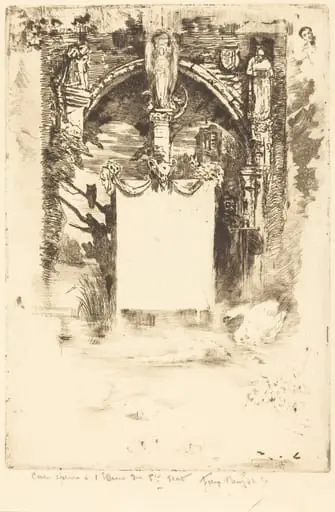 Ex-Libris pour "L'Ensorcelée" (Bookplate for "L'Ensorcelée")
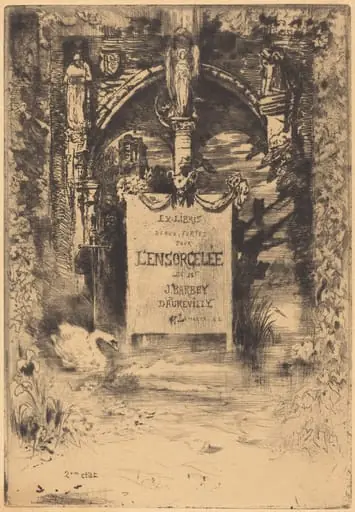 Ex-Libris pour "L'Ensorcelée" (Bookplate for "L'Ensorcelée")
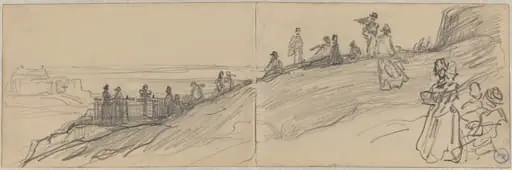 Figures on Top of a Hill, Overlooking the Sea
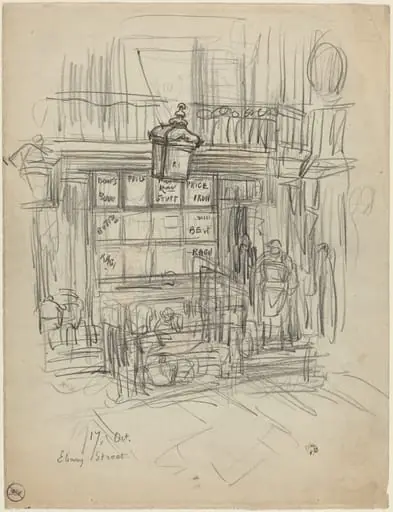 Ebury Street
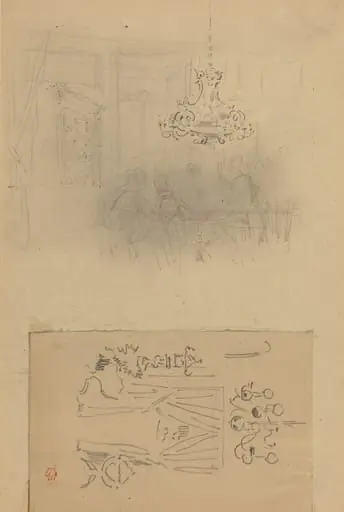 A Gathering in an Interior; A Curtained Doorway
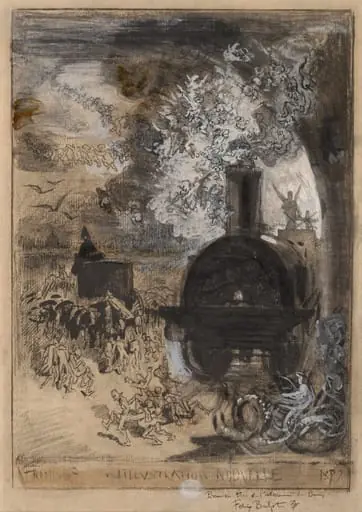 Frontispiece for L'Illustration Nouvelle: The Burial of the Burin
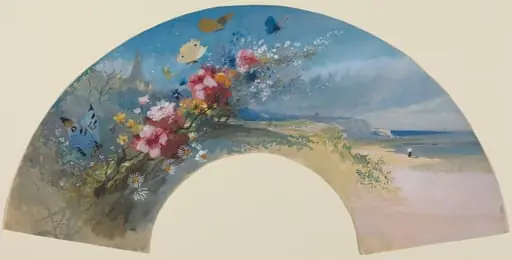 Fan with Wildflowers and Butterflies against the Norman Coast
![Gillingham Pier, London [verso], by Félix-Hilaire Buhot](https://artifactworldgallery.com/img/felix-hilaire-buhot--gillingham-pier-london-verso--641e03dd7de8217b-w320.webp) Gillingham Pier, London [verso]
Gillingham Pier, London [verso]