Artwork
Untitled
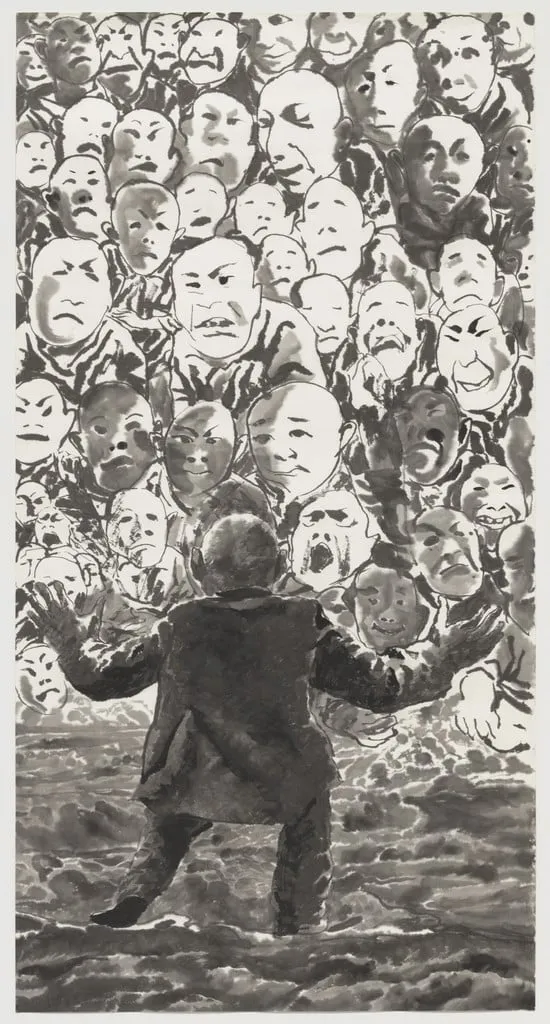
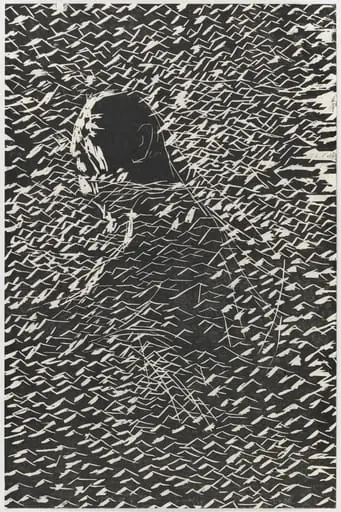
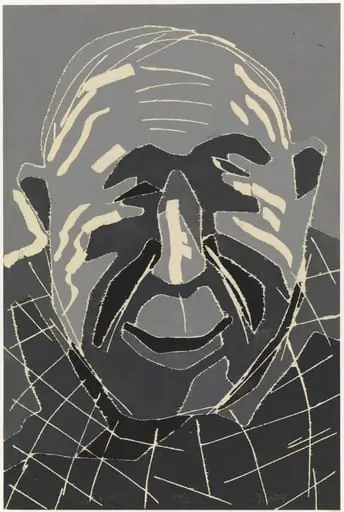
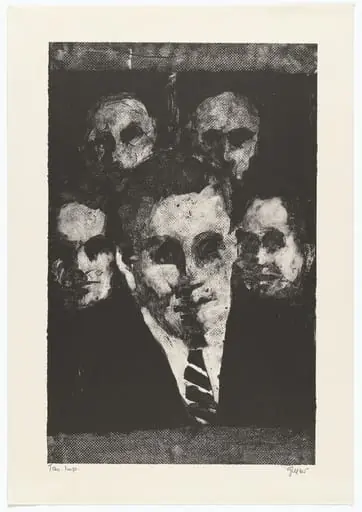
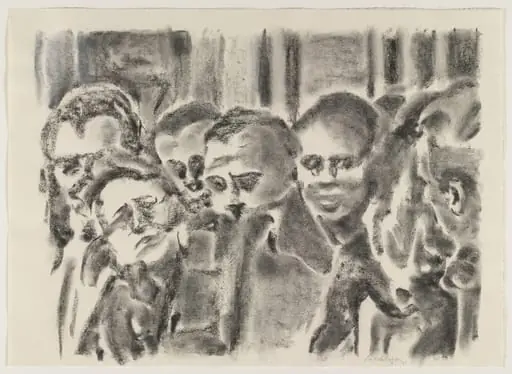
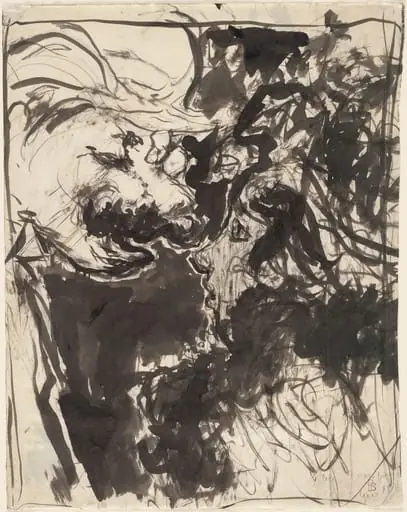
Untitled is an ink drawing by Fang Lijun. It dates from 2004 and is held in the collection of the Museum of Modern Art.
About this work
Overview
Its stark tonal range and expressive line quality reflect a visual language shaped by social disillusionment and psychological weight.
Fang Lijun created this ink drawing in 2004 as part of his ongoing exploration of collective identity in post-Mao China. Executed on paper with monochrome ink, the work belongs to The Museum of Modern Art’s collection and exemplifies his engagement with the Cynical Realism movement. Its stark tonal range and expressive line quality reflect a visual language shaped by social disillusionment and psychological weight.
Subject & Meaning
A solitary figure stands with arms raised, seemingly supporting a dense mass of faceless heads that crowd the upper portion of the composition. These faces, rendered without individual features, suggest anonymity and mass conformity. The figure’s posture evokes both burden and resistance, implying the tension between individual agency and societal pressure in contemporary Chinese life.
Technique & Style
The artist employs rapid, gestural ink strokes to construct the swirling faces, avoiding detail in favor of suggestive form. Shading is achieved through layered hatching and washes, creating a sense of depth and ethereal presence. The background’s chaotic, textured lines mimic storm clouds, reinforcing emotional turbulence. The absence of color heightens the work’s somber, introspective tone.
History & Provenance
Acquired by The Museum of Modern Art in the mid-2000s, this drawing entered a major international collection during a period of growing global interest in Chinese contemporary art. It reflects Fang Lijun’s prominence in the 1990s Beijing art scene, where his work responded to rapid societal transformation and the erosion of ideological certainty after the Cultural Revolution.
Context
Emerging in the 1990s, Cynical Realism critiqued the dissonance between state propaganda and lived experience in China. Fang Lijun’s imagery—often depicting bald, vacant figures—became symbolic of a generation navigating uncertainty. This drawing continues that theme, using the crowd of faces to represent collective memory, conformity, and the loss of personal voice amid political and economic upheaval.
Legacy
Fang Lijun’s work helped define a visual vocabulary for Chinese contemporary art that prioritized psychological resonance over political directness. His use of ink, traditionally associated with classical Chinese painting, was repurposed to express modern alienation. This drawing remains a reference point for artists examining the individual within mass society, both in China and beyond.
Artist & collection
Artist
Fang Lijun (Chinese: 方力钧; born 1963) is a Chinese artist based in Beijing. He was born into a wealthy family with a high social status. In the 1990s, there was a cultural movement in China referred to as Cynical Realism…