Artwork
Cherries
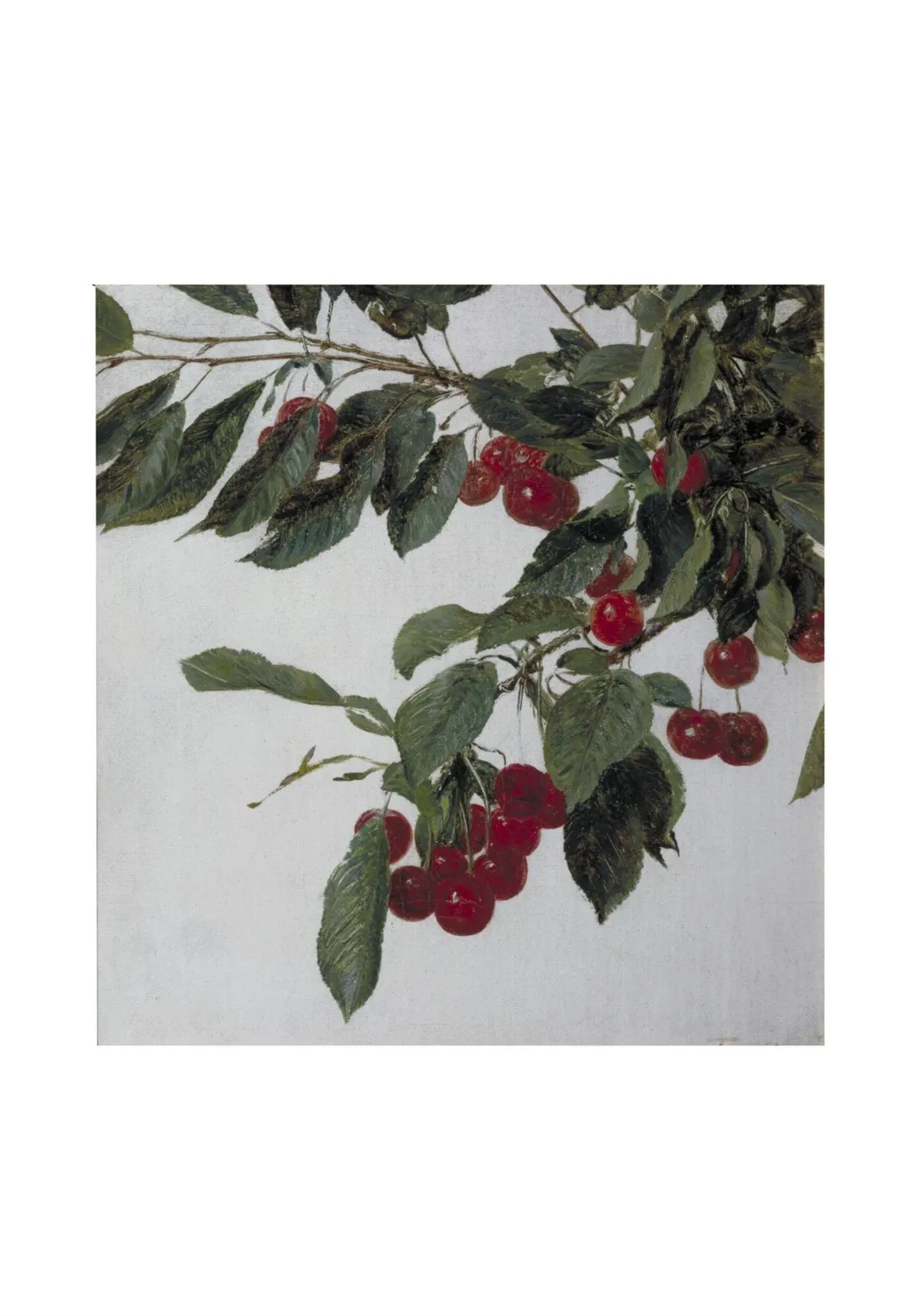
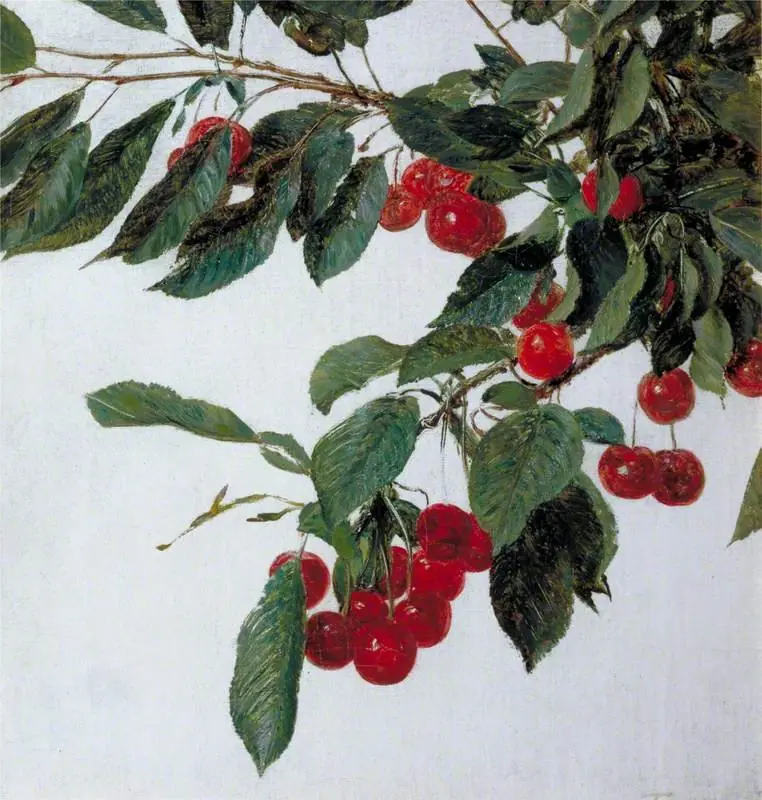
Cherries is a paint painting by the Impressionist artist Henri Fantin-Latour. It dates from 1883 and is held in the collection of the Victoria and Albert Museum.
About this work
Light hits the fruit, making the stems and leaves sharp against the soft background.
A bowl of dark red cherries sits on a plain wooden table. Light hits the fruit, making the stems and leaves sharp against the soft background. The shadows under the cherries are thin but clear.
Fantin-Latour painted this in 1883. He often focused on flowers and fruit like this. His work was popular with British buyers who liked calm, detailed still lifes.
Look for more of his quiet paintings at the Victoria and Albert Museum.
Overview
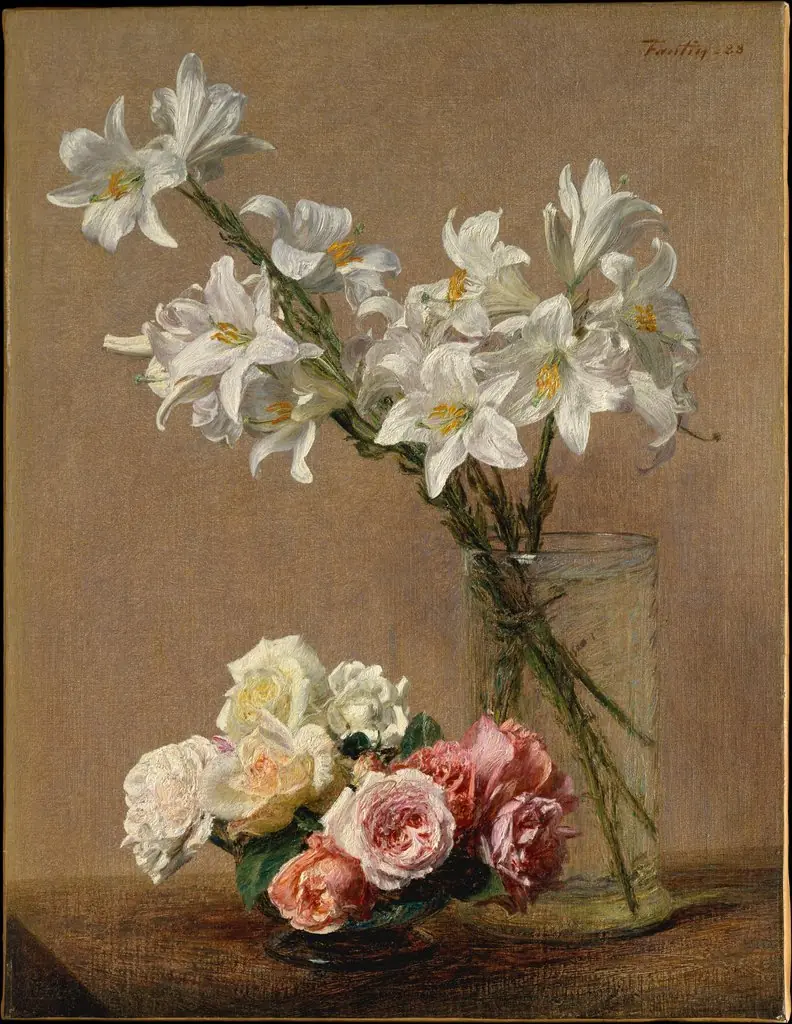
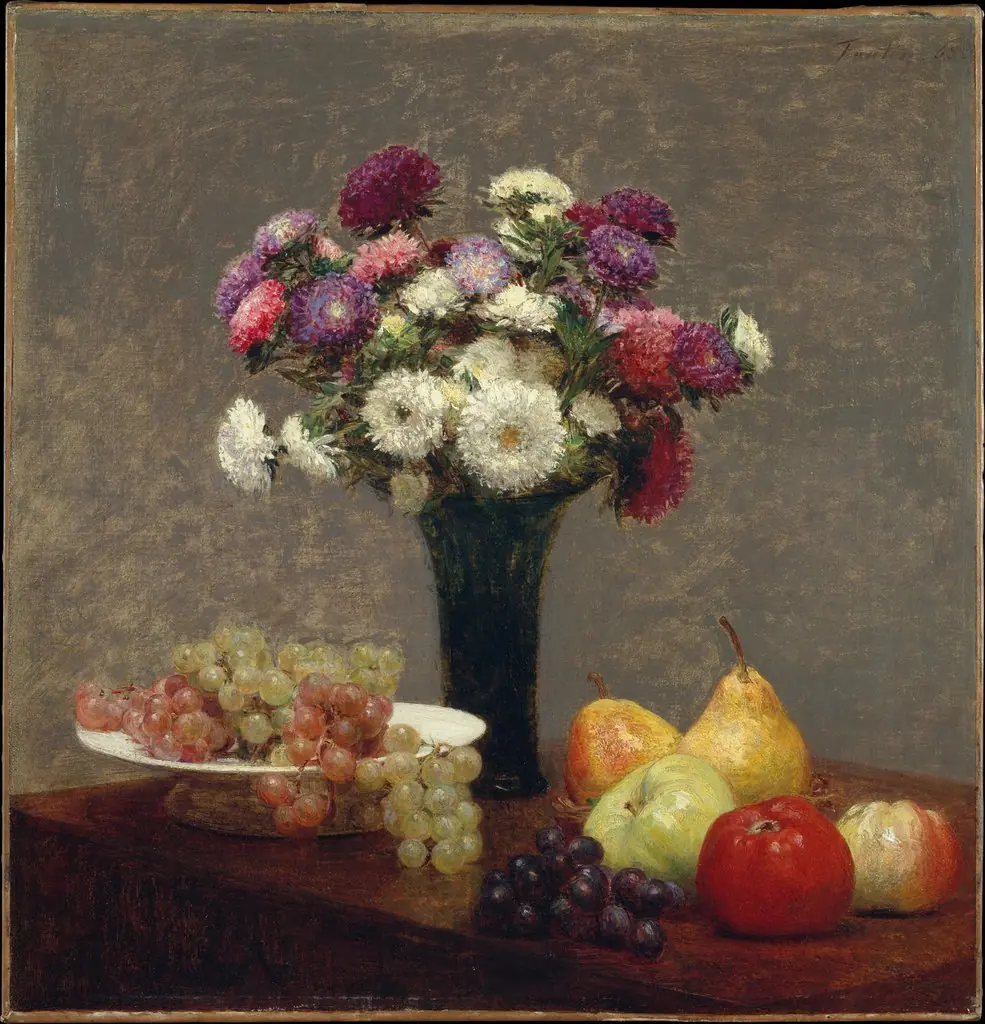
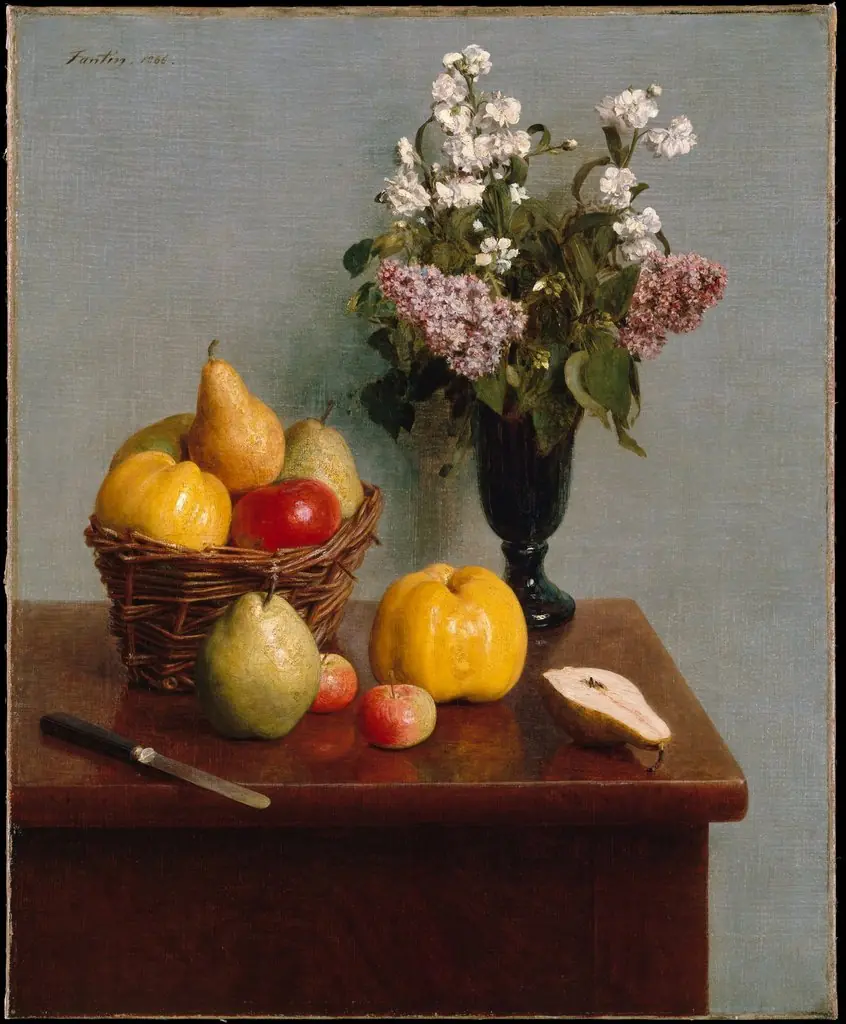
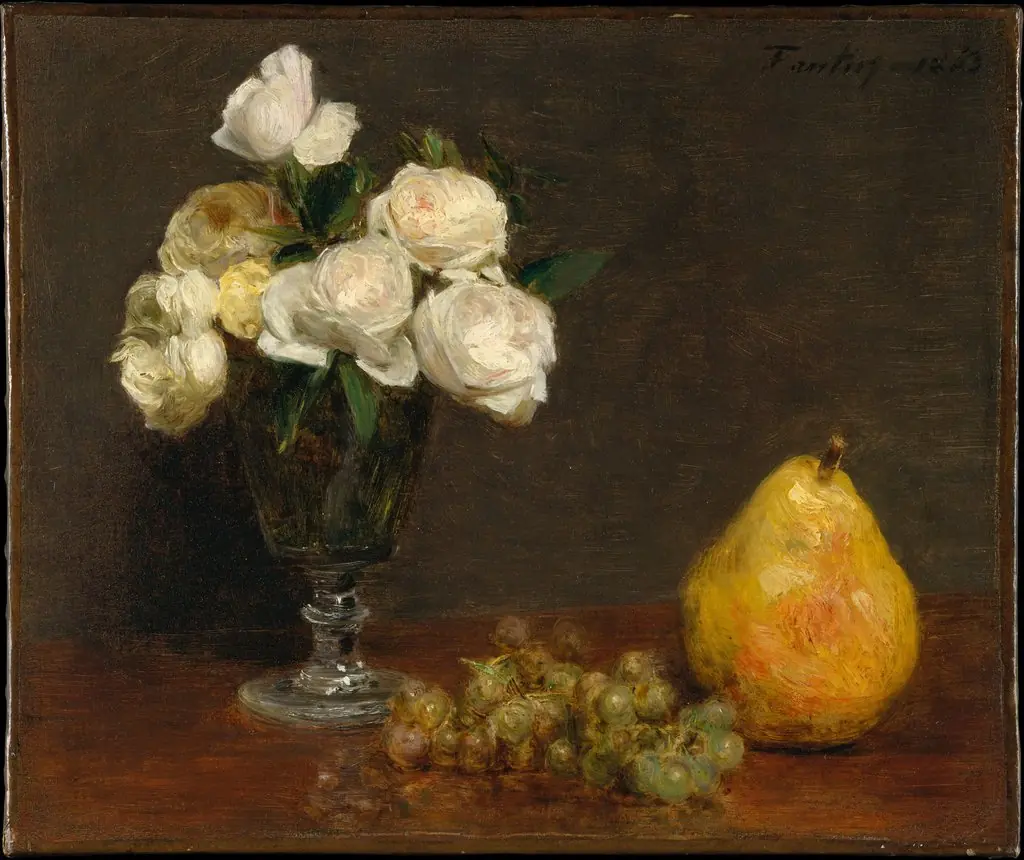
Henri Fantin-Latour, born in Grenoble in 1836, began his artistic training under his father and later at the Petite École de Dessin in Paris. Though he initially pursued portraiture, he gradually shifted focus to still lifes, particularly floral arrangements and fruit. By the 1880s, he had produced nearly five hundred such works, establishing a quiet but enduring reputation for meticulous observation and restrained composition.
Subject & Meaning
This 1883 painting depicts a single branch of cherries, heavy with fruit and leaves, resting on a wooden surface. The arrangement is spare and unadorned, emphasizing the natural form and color of the fruit. There is no narrative or symbolic intent; the subject is presented as an object of quiet contemplation, inviting attention to its subtle variations in hue and texture rather than any deeper allegory.
Technique & Style
Fantin-Latour rendered the cherries with precise brushwork, capturing the glossy sheen of the skin and the delicate transparency of the stems. The background is left unmodulated, allowing the vivid reds and greens to stand out with clarity. Shadows are minimal but carefully placed, grounding the fruit without distracting from its form. His approach favors tonal harmony over dramatic contrast, reflecting a commitment to observed reality.
History & Provenance
Painted in 1883, this work belongs to the later phase of Fantin-Latour’s career, when his still lifes gained significant traction among British collectors. His association with James McNeill Whistler helped secure his presence in London exhibitions, including regular showings at the Royal Academy. The painting’s calm aesthetic aligned with Victorian tastes, contributing to its popularity across the Channel.
Context
In the latter half of the 19th century, French artists increasingly turned to everyday subjects with heightened attention to light and color. Fantin-Latour’s still lifes emerged alongside, but distinct from, Impressionist experiments. While he shared their focus on naturalism, his method remained rooted in careful modeling and controlled composition, bridging academic tradition and emerging modern sensibilities.
Legacy
Fantin-Latour’s still lifes, though less radical than those of his contemporaries, influenced later generations through their emphasis on quiet observation and technical precision. His work remains represented in major collections, including the Victoria and Albert Museum, where his restrained yet evocative depictions of fruit and flowers continue to be studied for their balance between realism and poetic stillness.
Own this work as a print
Artist & collection
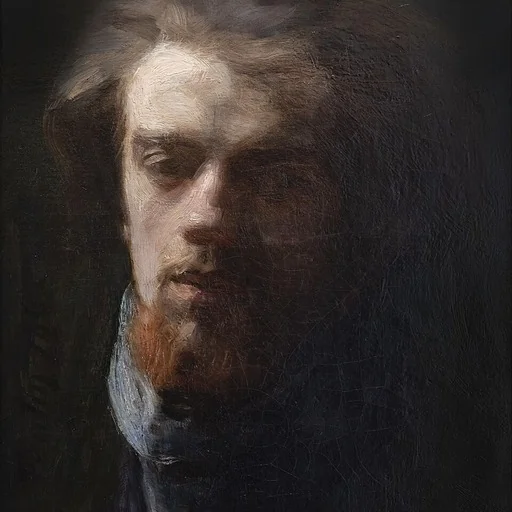
Artist
Ignace Henri Jean Theodore Fantin-Latour (French pronunciation: ; 14 January 1836 – 25 August 1904) was a French painter and lithographer best known for his flower paintings and group portraits of Parisian artists and writers.