Artwork
Cherries, redcurrants and gooseberries
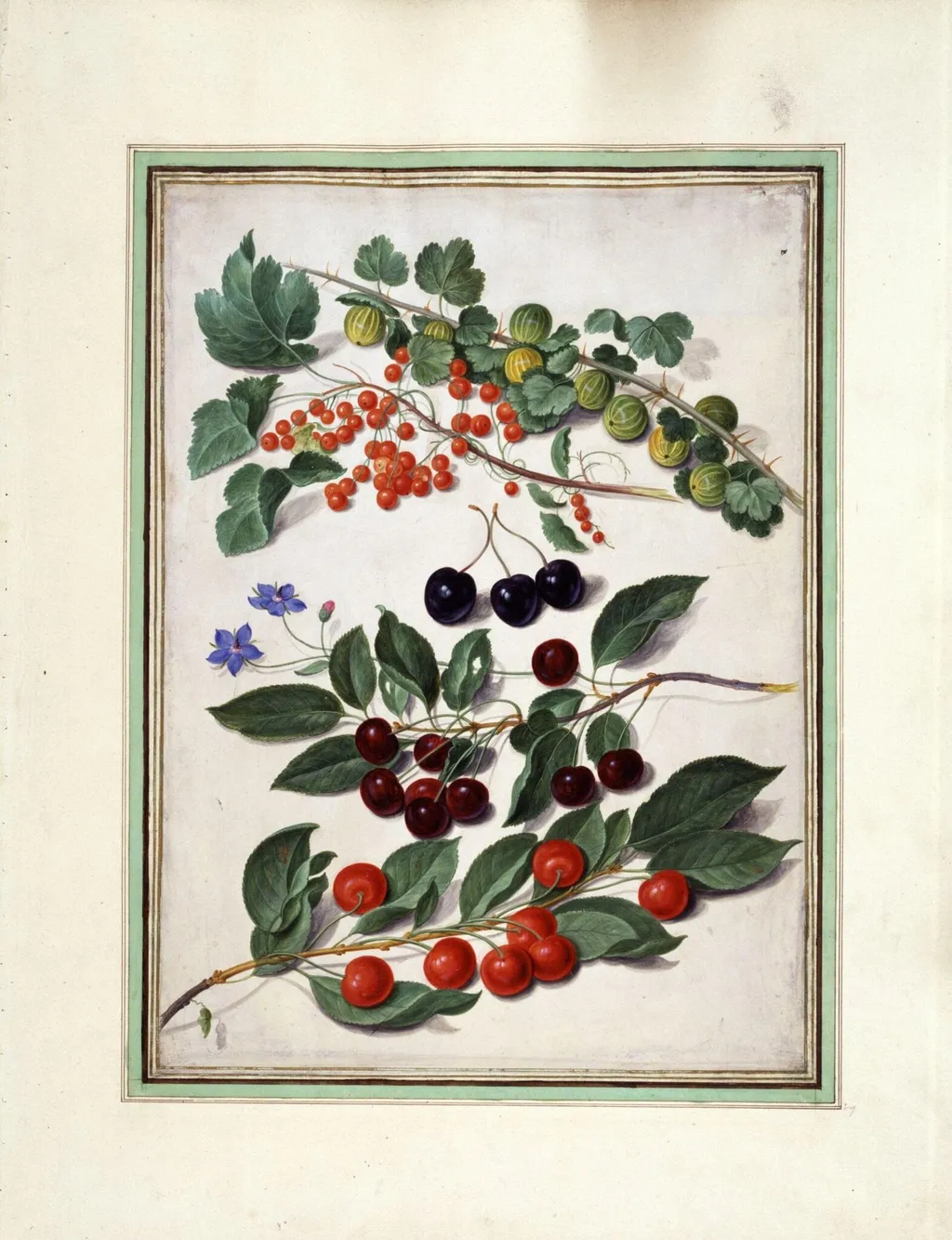
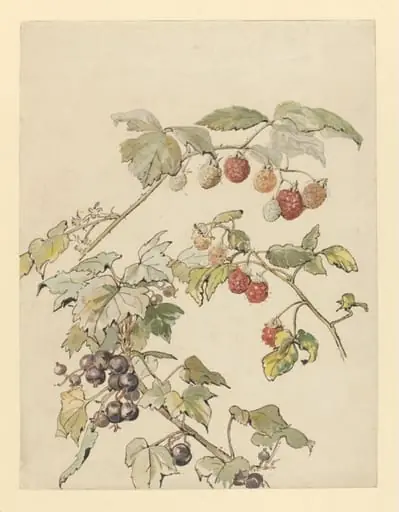
Cherries, redcurrants and gooseberries is a watercolor work on paper by the Baroque artist Johann Jakob Walther. It dates from 1660 and is held in the collection of the Victoria and Albert Museum.
About this work
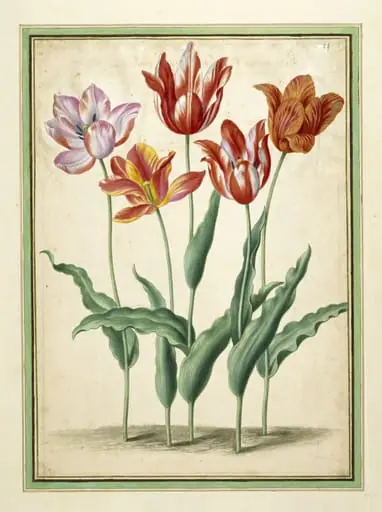
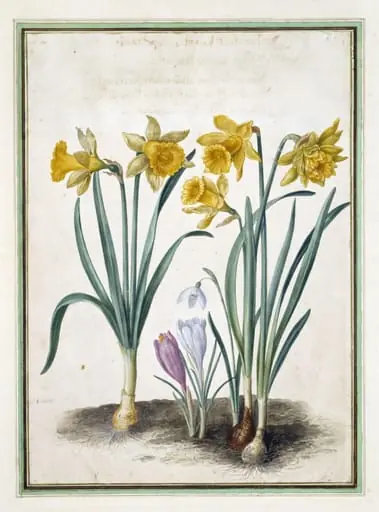
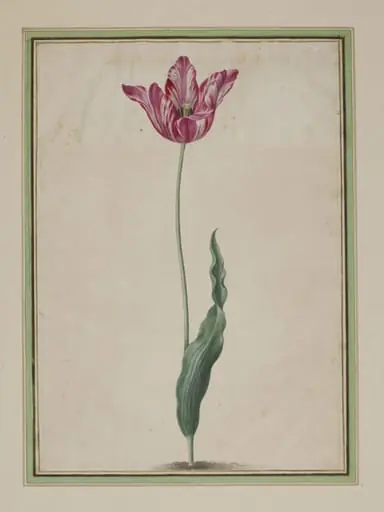
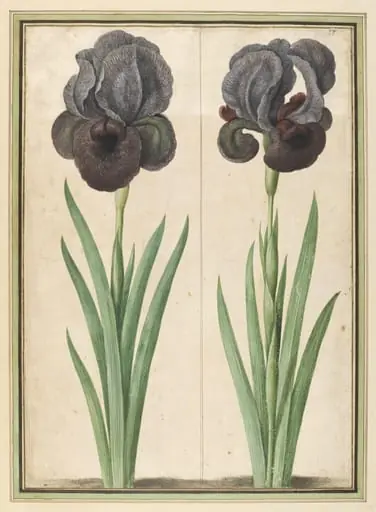
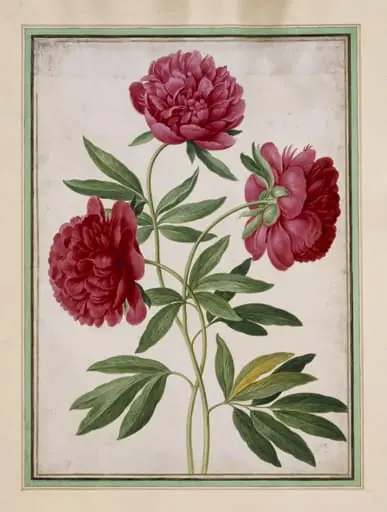
It’s part of a big flower book called the Nassau Florilegium painted between 1650 and 1670.
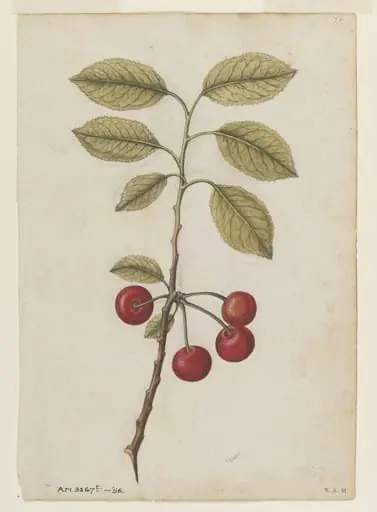
This watercolour shows cherries, redcurrants and gooseberries. It’s part of a big flower book called the Nassau Florilegium painted between 1650 and 1670. The book recorded plants from the Count of Nassau’s garden near Frankfurt.
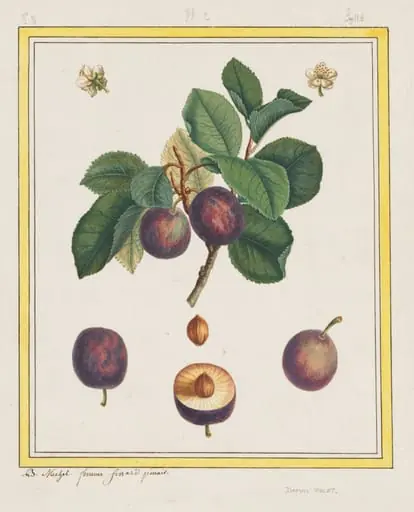
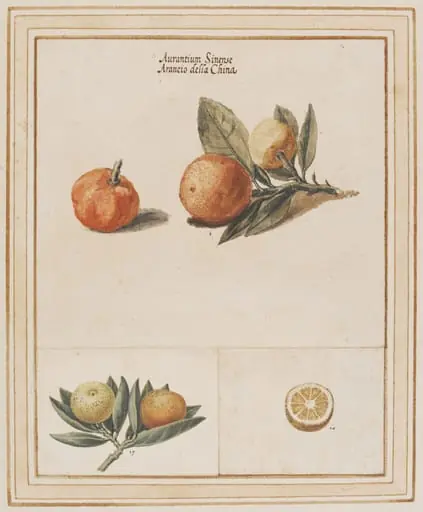
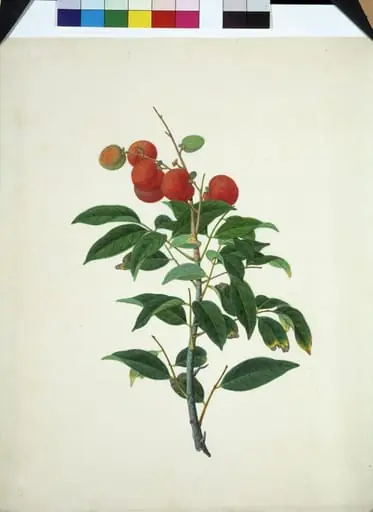
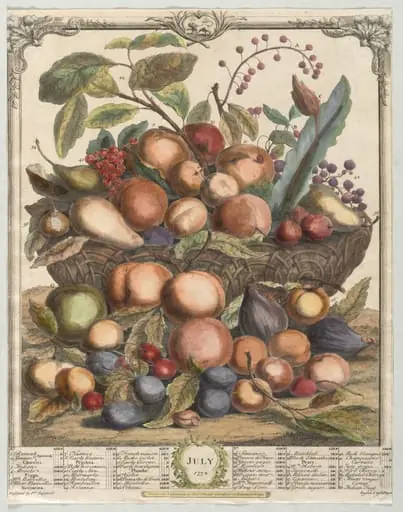
Florilegia were fancy catalogues for wealthy plant collectors. They kept track of rare and beautiful flowers and fruits from each season. These books also inspired artists who painted floral patterns for furniture and fabrics.
Look up the Victoria and Albert Museum to see more from this book.
Overview
This watercolour depicts a modest arrangement of cherries, redcurrants and gooseberries, rendered in the delicate wash of the medium. It forms part of a larger compilation of botanical illustrations known as the Nassau Florilegium, a manuscript assembled in the mid‑seventeenth century to document the living collection of the Count of Nassau’s garden near Idstein, close to Frankfurt.
Subject & Meaning
The composition combines both cultivated and wild fruit, presenting them as a study of seasonal bounty. By grouping the berries together, the image illustrates the variety of produce available in the garden, while also serving as a visual record for the patron’s horticultural interests and the broader trend of cataloguing nature’s diversity.
Technique & Style
Executed in watercolour, the work employs fine, transparent strokes to convey the texture of skin and the subtle play of light on each fruit. The naturalistic approach emphasizes accurate colour and form, characteristic of the Florilegium tradition, which favored precise observation over decorative embellishment.
History & Provenance
Compiled between roughly 1650 and 1670 by the artist Johann Jakob Walther, the Nassau Florilegium exists in two eighteenth‑century bound volumes containing 133 studies of flowers, fruits and garden views. A comparable set, dated 1652‑65, resides in the Bibliothèque Nationale in Paris, while a third, larger collection was lost during World War II.
Context
Florilegia emerged in the seventeenth century as status symbols for affluent collectors who prized exotic and rare plants. These illustrated catalogues not only recorded botanical specimens but also supplied motifs for decorative arts, influencing designs on textiles, furniture and other ornamental objects across Europe.
Artist & collection
Artist
Working in the 1600s, Johann Jakob Walther painted delicate watercolours of flowers and fruit, often naming each kind in Latin.