Artwork
Taiteilija Fahle Basilier
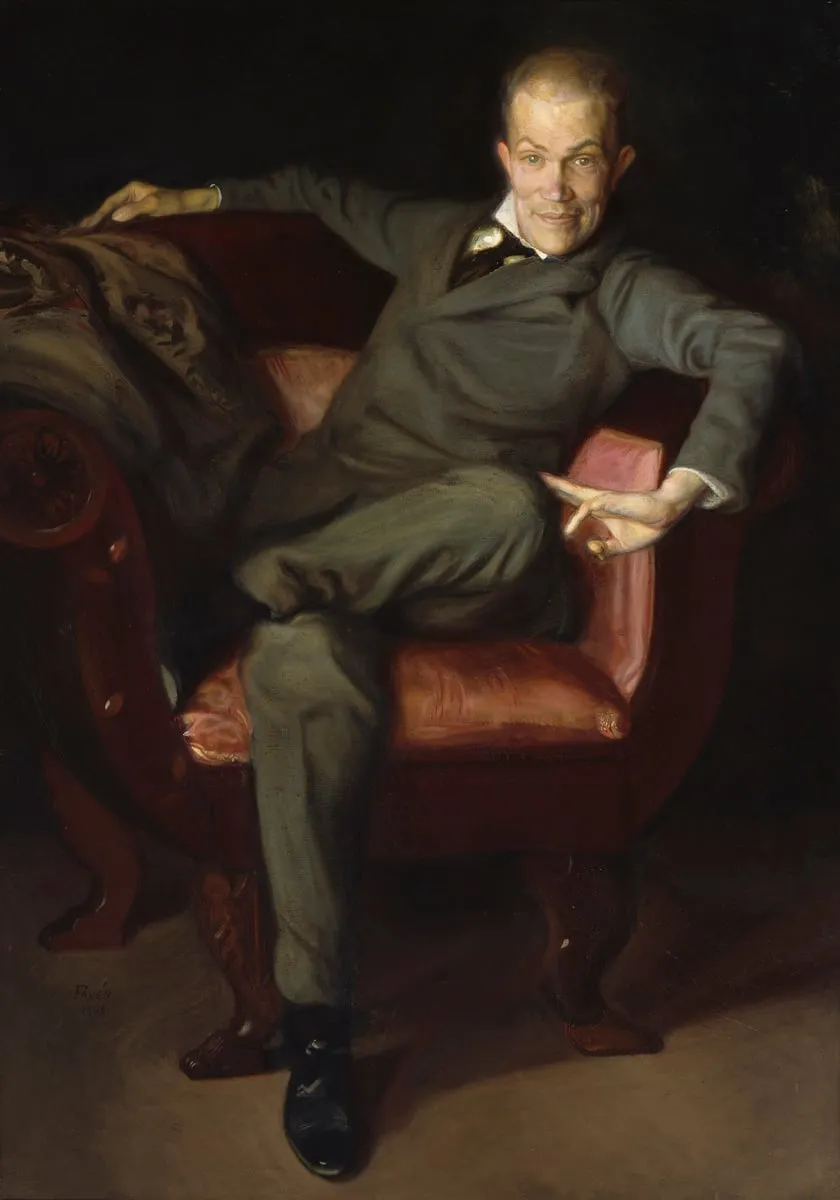
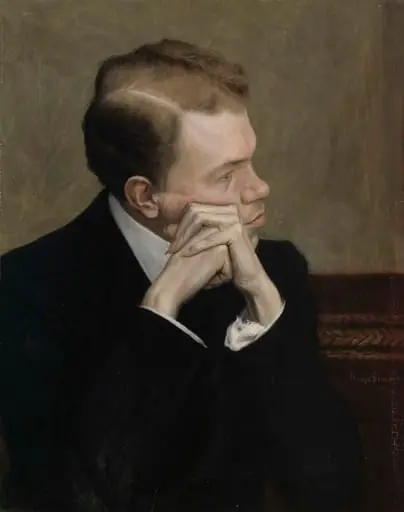
Taiteilija Fahle Basilier is an unspecified painting by Antti Favén. It is held in the collection of the Finnish National Gallery. This portrait presents a man seated in a formal pose, rendered with careful attention to light and shadow.
About this work
Overview
This portrait presents a man seated in a formal pose, rendered with careful attention to light and shadow. Dressed in a dark suit and tie, he gazes directly at the viewer with a composed, serious expression. The dark background isolates him, enhancing the focus on his figure. The composition emphasizes stillness and presence, using contrast to define form without decorative distraction.
Subject & Meaning
The subject appears as a figure of quiet authority, his shaved head and upright posture suggesting discipline and self-possession. His crossed legs and relaxed yet controlled arm placement convey confidence without overt dominance. The direct gaze invites engagement, but the lack of smile or gesture preserves an air of reserve, possibly reflecting professional or personal gravitas.
Technique & Style
The painting employs chiaroscuro to model the figure with strong contrasts between light and shadow, giving volume to the face, hands, and suit. The dark surroundings amplify the three-dimensionality of the subject, while the brushwork remains restrained and precise. No extraneous detail distracts from the psychological focus on the sitter’s expression and posture.
History & Provenance
The painting is attributed to Fahle Basilier, though limited documentation exists regarding its commission or early ownership. It has been held in private collections and was later cataloged in regional art archives. No public exhibition history is widely recorded, and its creation date remains unconfirmed, though stylistic elements suggest a late 20th-century origin.
Context
While reminiscent of 19th-century academic styles, its minimalism and psychological intensity reflect 20th-century tendencies toward psychological realism.
The portrait aligns with a tradition of formal male portraiture that emphasizes dignity through stillness and controlled lighting. While reminiscent of 19th-century academic styles, its minimalism and psychological intensity reflect 20th-century tendencies toward psychological realism. The absence of contextual clues—such as furnishings or symbols—shifts emphasis entirely to the individual’s presence.
Legacy
Though not widely reproduced or studied, the work contributes to a lesser-known body of Nordic portraiture that prioritizes emotional restraint over narrative. Its use of chiaroscuro, while technically competent, lacks the dramatic intensity seen in the works of artists like Favén, suggesting a more subdued, introspective approach to the genre.
Artist & collection
Artist
Antti Favén kept a tiny studio above a Helsinki bakery, where the smell of fresh rye bread mixed with turpentine.

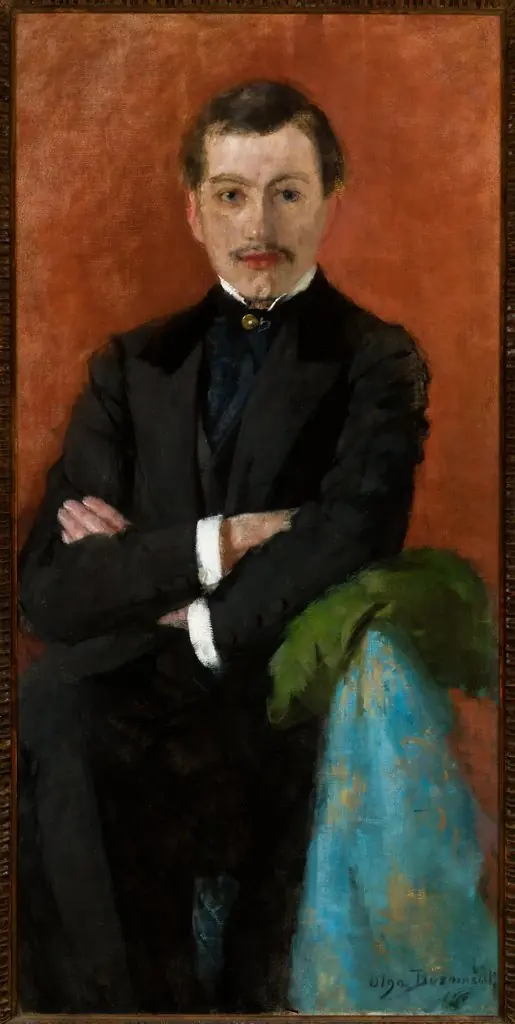 Portrait of Józef Czajkowski
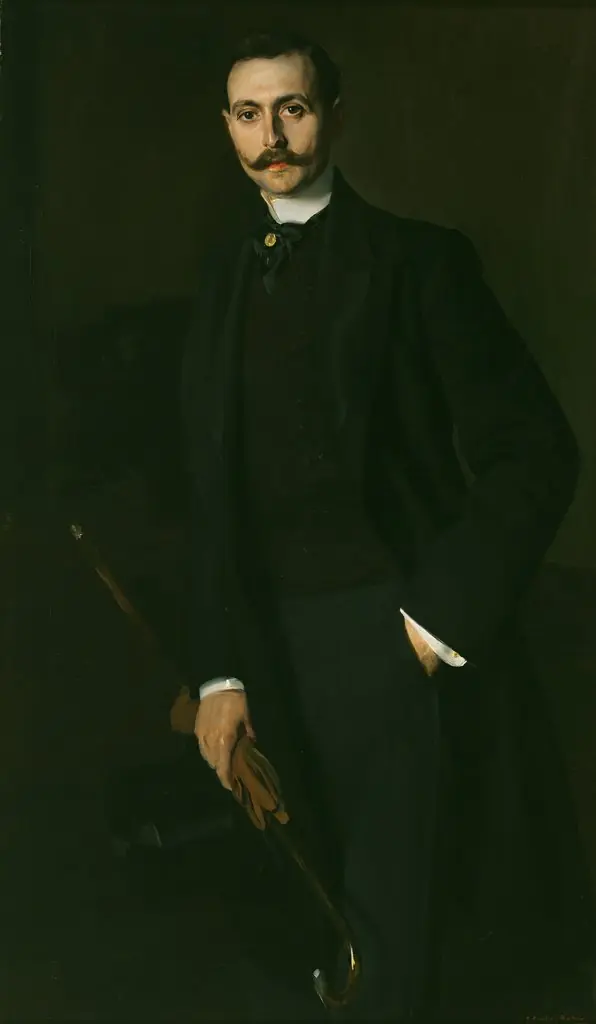 Aureliano de Beruete y Moret, Jr.
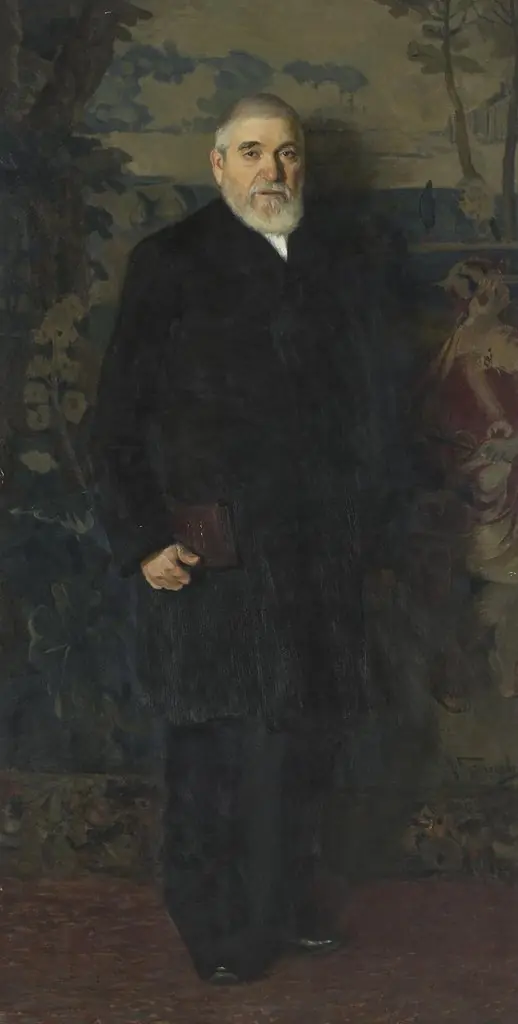 Kalman Ze'ev Wissotzky
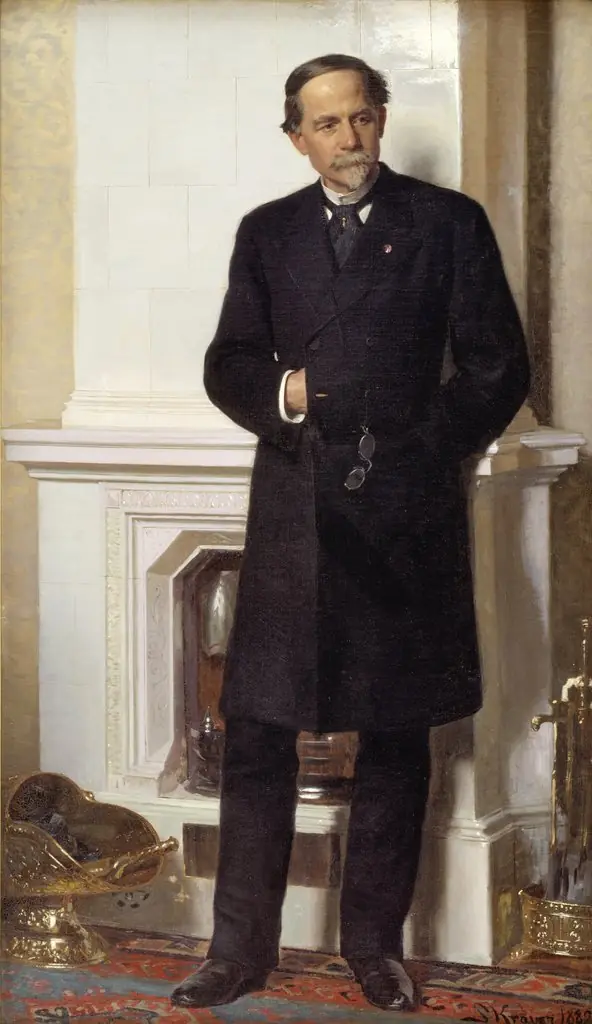 Portrait of the architect Ferdinand Meldahl
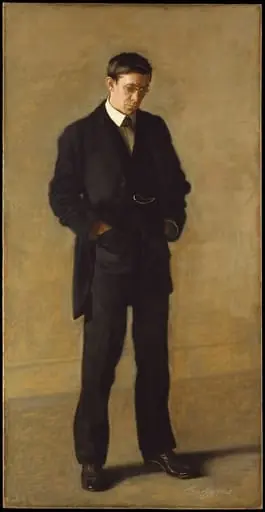 The Thinker: Portrait of Louis N. Kenton
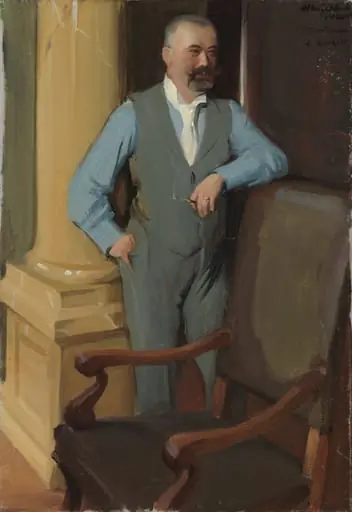 Ruukinpatruuna A.N:son Keirkner, muotokuvaharjoitelma
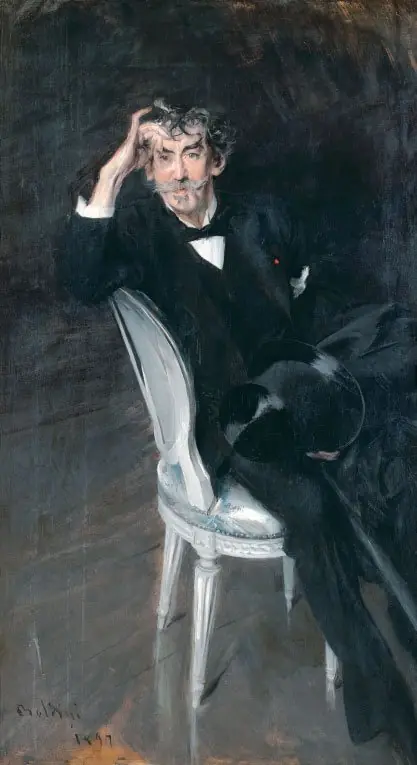 Portrait of James McNeill Whistler
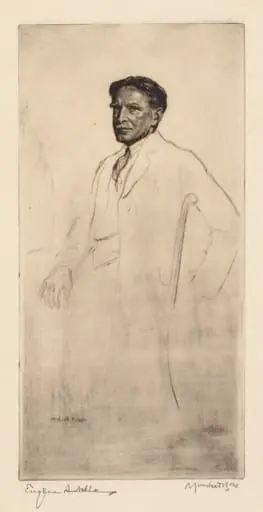 Dr. Eugene A. Noble
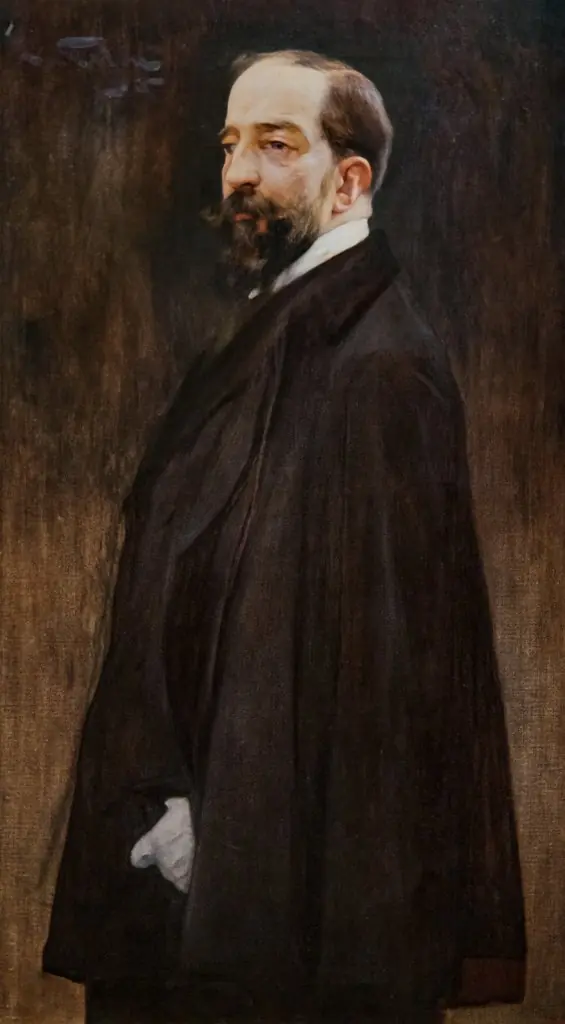 Retrat de Joan Baptista Parés (1847-1926) (Museu Nacional d'Art de Catalunya, inv 010150-000)
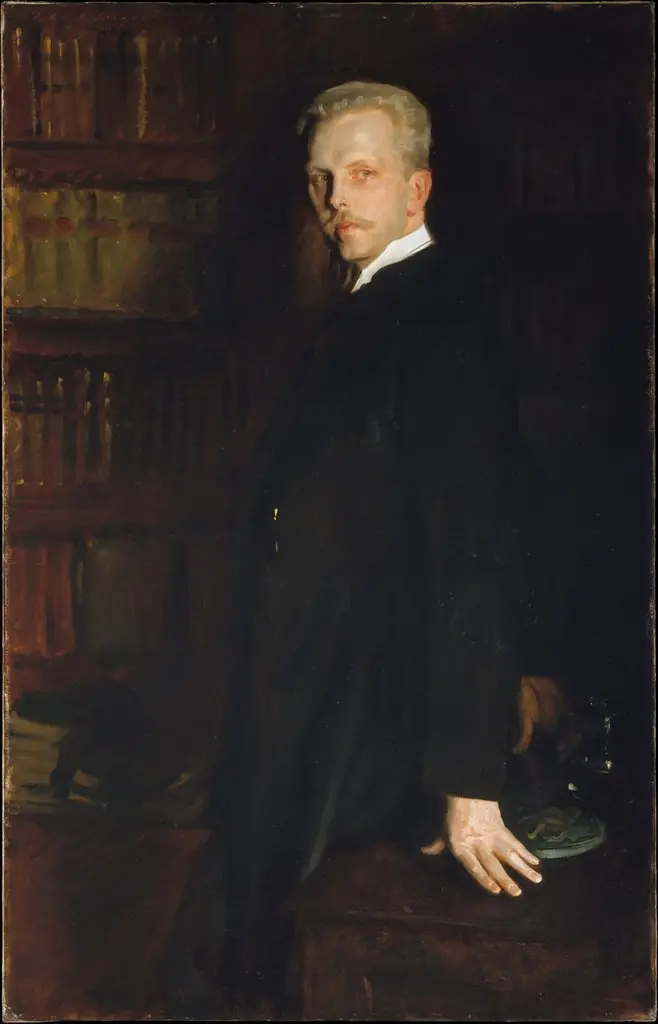 Edward Robinson
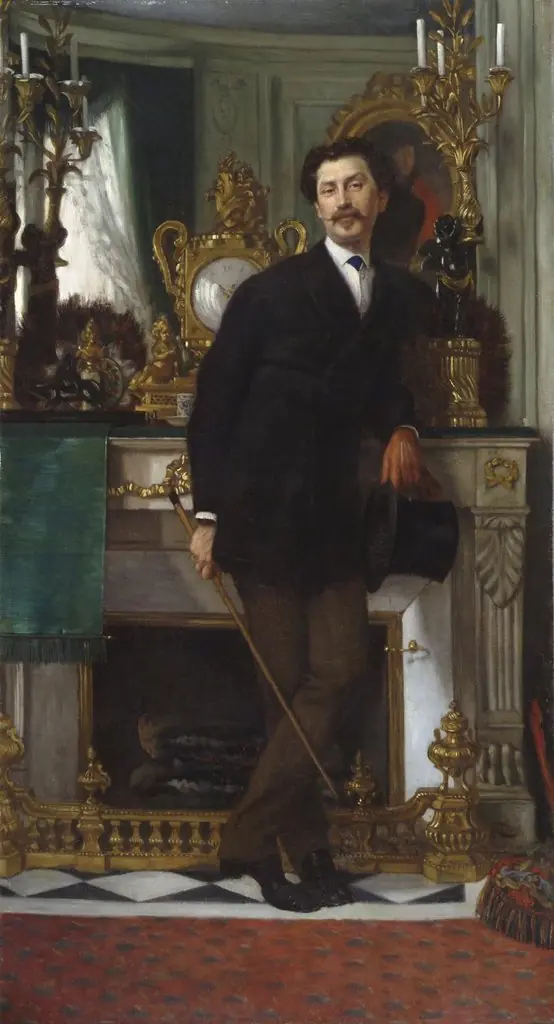 Portrait of Eugène Coppens de Fontenay
 Taiteilija Fahle Basilier