Artwork
Portrait of Ippolito della Rovere
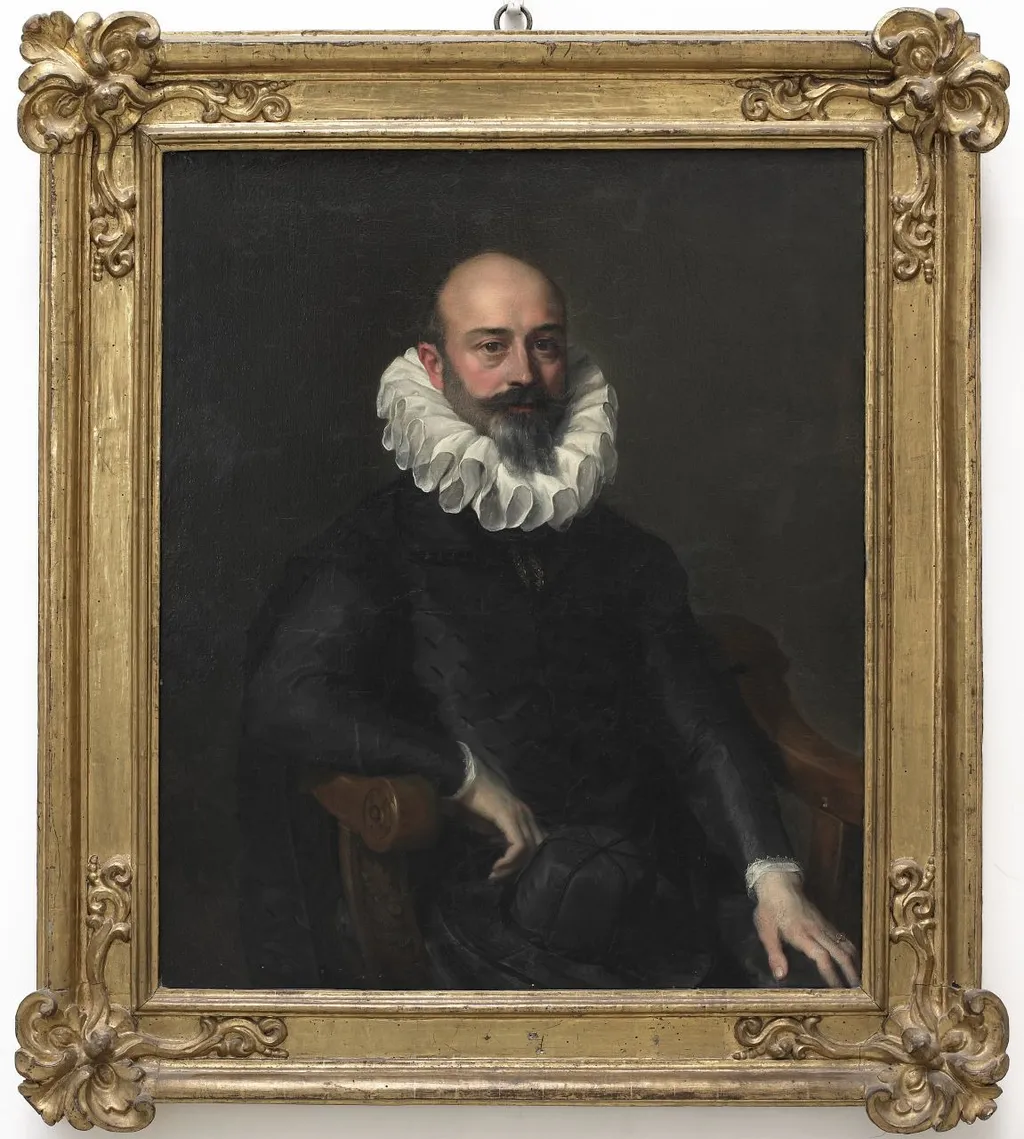
Portrait of Ippolito della Rovere is an oil painting by the Mannerist artist Federico Barocci. It dates from 1600 and is held in the collection of the Uffizi Gallery.
About this work
Overview
Painted in 1600 by Federico Barocci, this oil portrait captures Ippolito della Rovere, a member of the influential Roman noble family.
Painted in 1600 by Federico Barocci, this oil portrait captures Ippolito della Rovere, a member of the influential Roman noble family. Executed with meticulous attention to texture and tone, the work exemplifies late Mannerist sensibilities, bridging the expressive intensity of the 16th century with the emerging naturalism of the Baroque. It resides today in the Uffizi Gallery’s collection in Florence.
Subject & Meaning
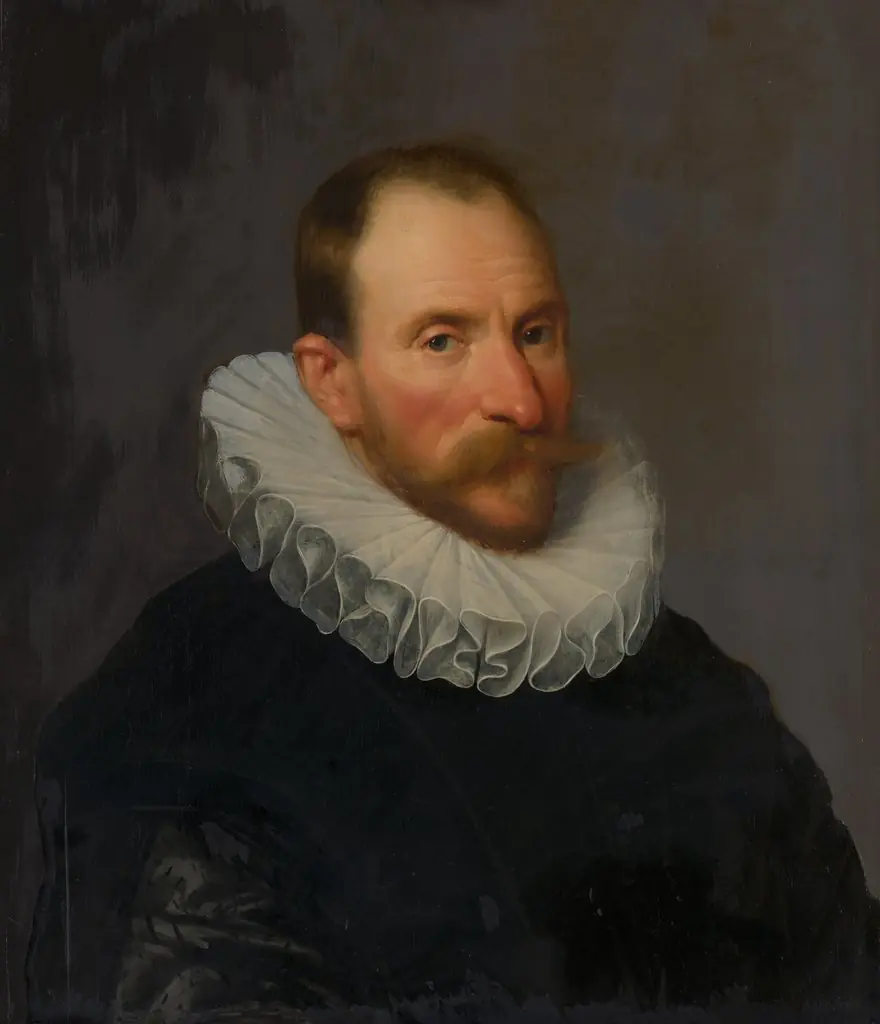
The sitter, Ippolito della Rovere, is portrayed with quiet dignity, his beard and formal attire suggesting ecclesiastical or aristocratic status. His composed posture—right hand resting gently in his lap, left hand braced on the chair—conveys restraint and authority. The absence of symbolic objects or elaborate setting shifts focus to his presence, emphasizing character over status markers.
Technique & Style
Barocci employed subtle chiaroscuro to model the face and hands, lending volume without harsh contrast. The white ruffle of the collar stands out against the dark clothing, its delicate rendering showing fine brushwork. The background recedes into shadow, isolating the figure and enhancing the psychological intimacy. His color palette, though restrained, uses nuanced tonal shifts to animate the surface.
History & Provenance
Commissioned during the final years of Barocci’s life, the portrait entered the Medici collections shortly after its completion. It was later transferred to the Uffizi Gallery, where it has remained since the 18th century. Its continuous presence in a major Florentine institution reflects its early recognition as a significant example of late Renaissance portraiture.
Context
Created at the turn of the 17th century, the portrait reflects a transitional moment in Italian art. While rooted in Mannerist refinement, its emotional subtlety and naturalistic handling anticipate Baroque developments. Barocci’s focus on individual expression, rather than idealized form, aligned with broader shifts in portraiture across Europe during this period.
Legacy
Barocci’s handling of light, texture, and psychological nuance in this work influenced later artists, including Peter Paul Rubens, who admired his ability to convey inner life through paint. Though less celebrated than his religious compositions, this portrait stands as a quiet testament to his skill in capturing the quiet gravity of the human figure.
Artist & collection
Artist
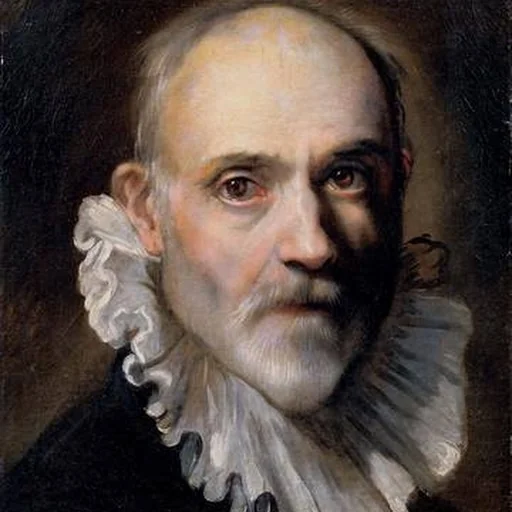
Federico Barocci (also written Barozzi) (c. 1535 – 30 September 1612) was an Italian Renaissance painter and printmaker. His original name was Federico Fiori, and he was nicknamed Il Baroccio. His work was highly…

 Untitled
 Double-sided portrait of Johann Christoph Oelhofen
 Portrait of Gottfried Hautappel
 Portrait of a Member of the Lyskirchen Family
 Portrait of a Man
 Portrait of a Gentleman
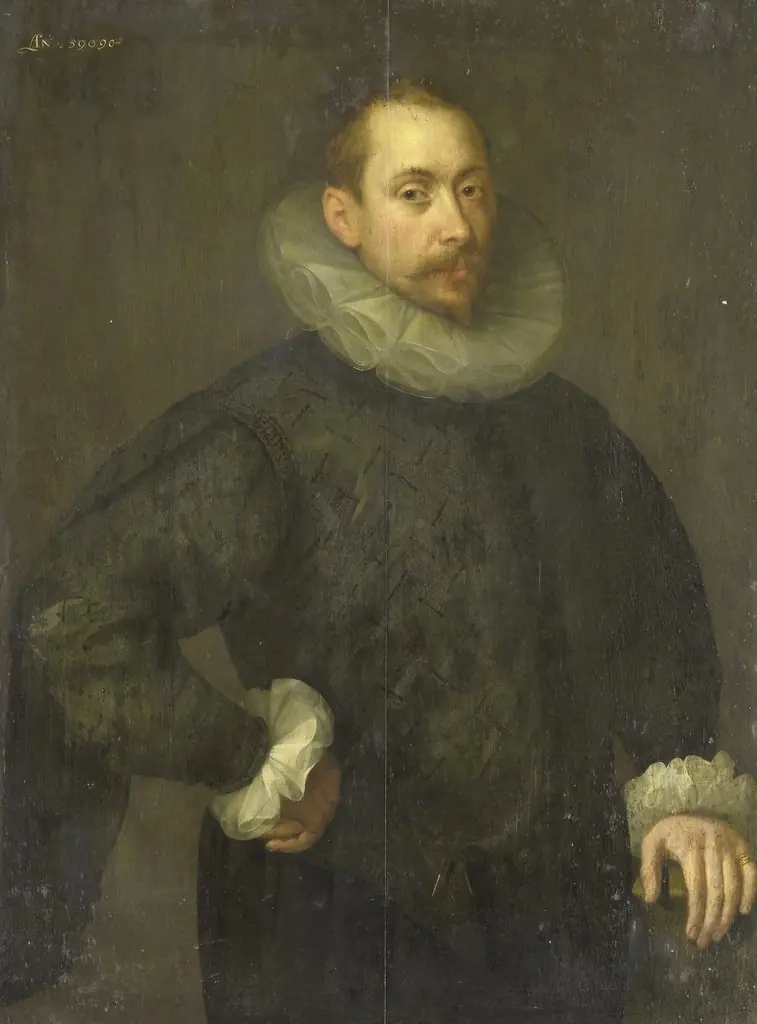 Portrait of Jean Fourmenois
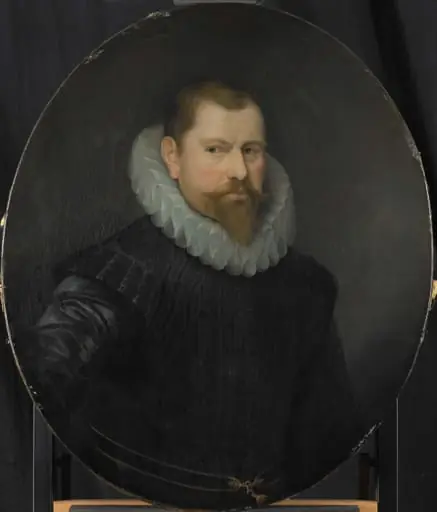 Portrait of Cornelis Matelieff the Younger, Director of the Rotterdam Chamber of the Dutch East India Company, elected 1602
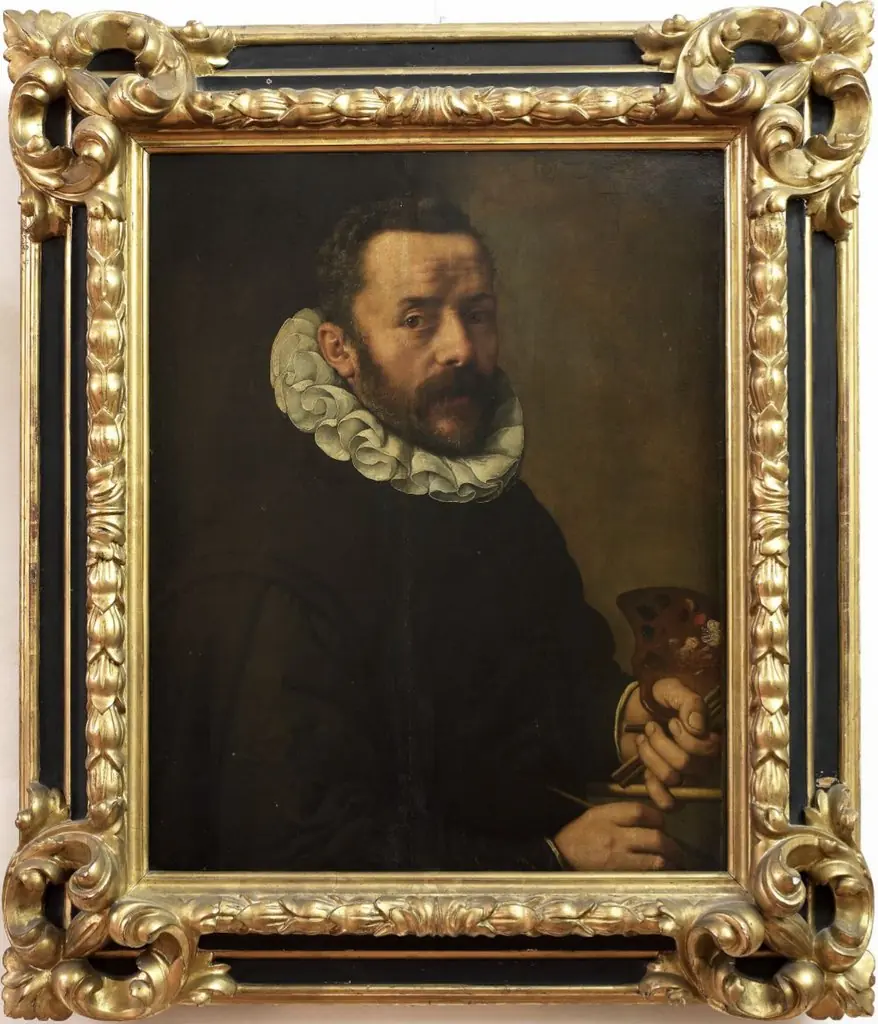 Portrait of Frans Francken (II)
 Untitled
 Portrait of Cornelis van Aerssen (1545-1627)
 Worthington Whittredge