Artwork
Elisa Tapia y Parrella
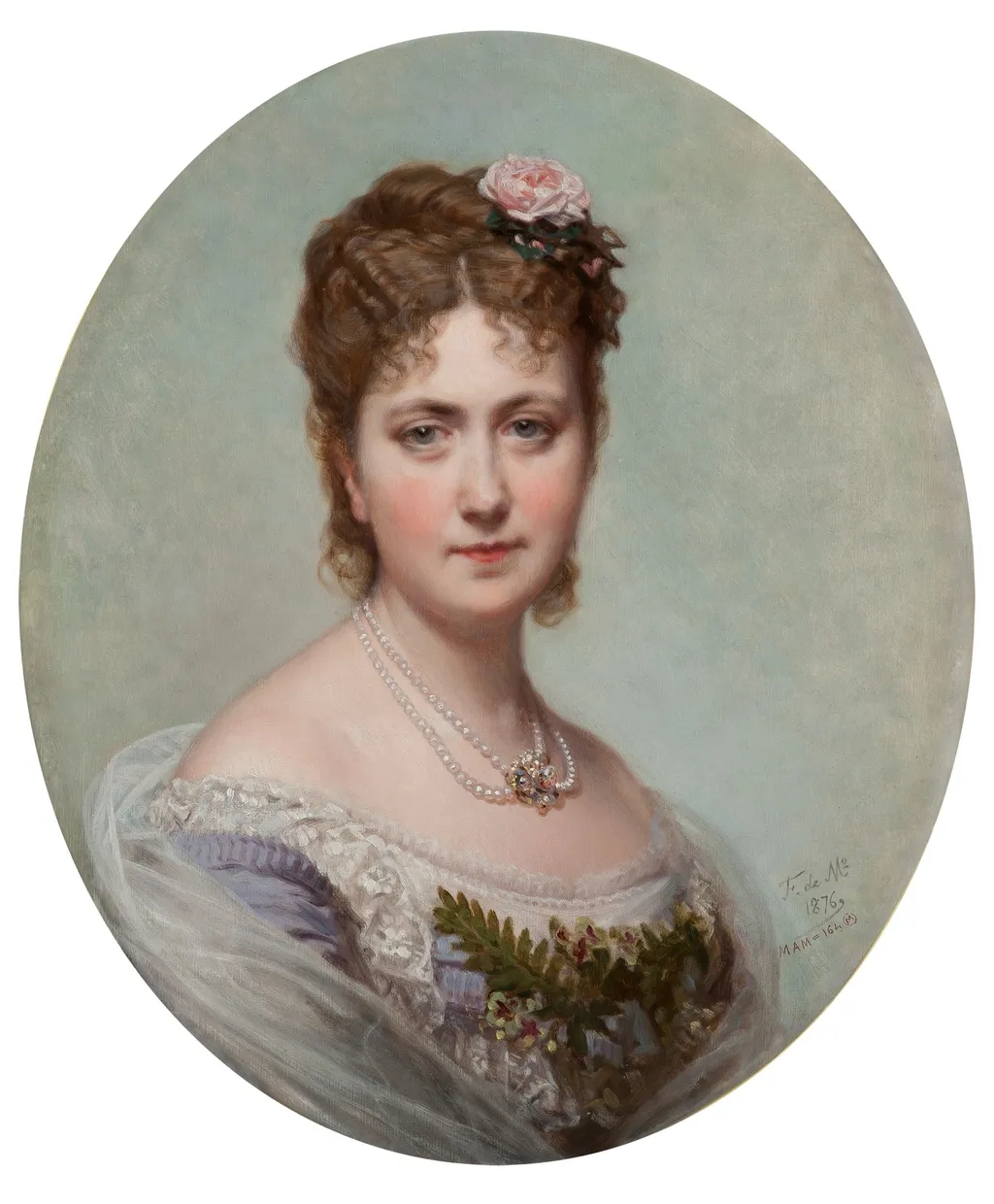
Elisa Tapia y Parrella is an oil painting by the Impressionist artist Federico de Madrazo y Kuntz. It dates from 1888 and is held in the collection of the Museo del Prado.
About this work
Overview
Painted in 1888 by Federico de Madrazo y Kuntz, this oil portrait depicts Elisa Tapia y Parrella, a woman of aristocratic bearing. Rendered from the chest upward, the composition centers on her poised presence against a softly blended background. The work is part of the permanent collection at the Museo del Prado in Madrid, where it exemplifies late 19th-century Spanish portraiture.
Subject & Meaning
Elisa Tapia y Parrella is portrayed with quiet dignity, her direct gaze inviting quiet engagement with the viewer.
Elisa Tapia y Parrella is portrayed with quiet dignity, her direct gaze inviting quiet engagement with the viewer. Her attire and adornments—white lace with floral embroidery, a pearl necklace featuring a prominent pendant, and a rose-and-leaf hair ornament—suggest refined taste and social standing. The absence of overt symbolism points to an emphasis on personal presence rather than narrative or allegory.
Technique & Style
Madrazo employed fine brushwork to capture the texture of silk, lace, and pearls with subtle precision. The palette is restrained, with soft whites and muted tones allowing the delicate pink of the rose and the luster of the pearls to stand out. Light falls gently across the figure, modeling form without dramatic contrast, reflecting the artist’s academic training and preference for naturalistic elegance.
History & Provenance
The painting was completed in 1888 and entered the Museo del Prado’s collection shortly thereafter. It remained in private hands prior to acquisition, likely belonging to the Tapia y Parrella family. Its inclusion in the national museum underscores its recognition as a representative work of Spanish portraiture from the period, though little is documented about its early exhibition history.
Context
Painted during the height of Madrid’s cultural revival under Alfonso XII, the portrait reflects the tastes of Spain’s upper classes, who favored formal, refined depictions of family members. Madrazo, a leading portraitist of his time, frequently painted aristocrats and intellectuals, blending academic discipline with a sensitivity to individual character that distinguished his work from more rigid conventions.
Legacy
While not widely reproduced, the portrait remains a quiet example of Madrazo’s skill in capturing inner composure through subtle detail. It contributes to the understanding of how Spanish elite women were visually represented in the late 19th century—not as symbols, but as individuals defined by poise, attire, and presence. The work continues to be studied for its technical restraint and psychological nuance.
Artist & collection
Artist
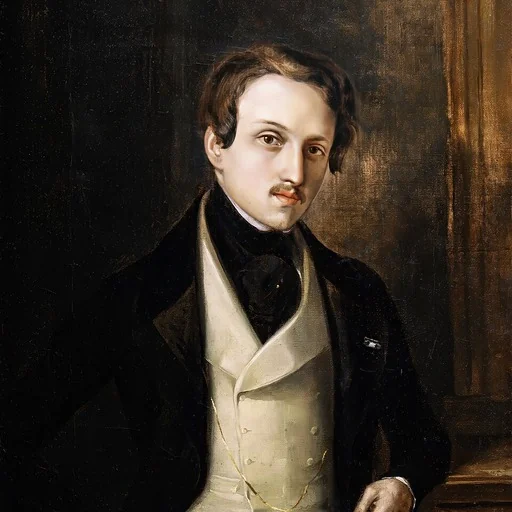
Federico de Madrazo y Kuntz (1815–1894) was an artist, born in Spain.

 Manuela María Miquel y Lucuy
 Portrait of Maria Ludwika Blumenfeld née Kobyłecka
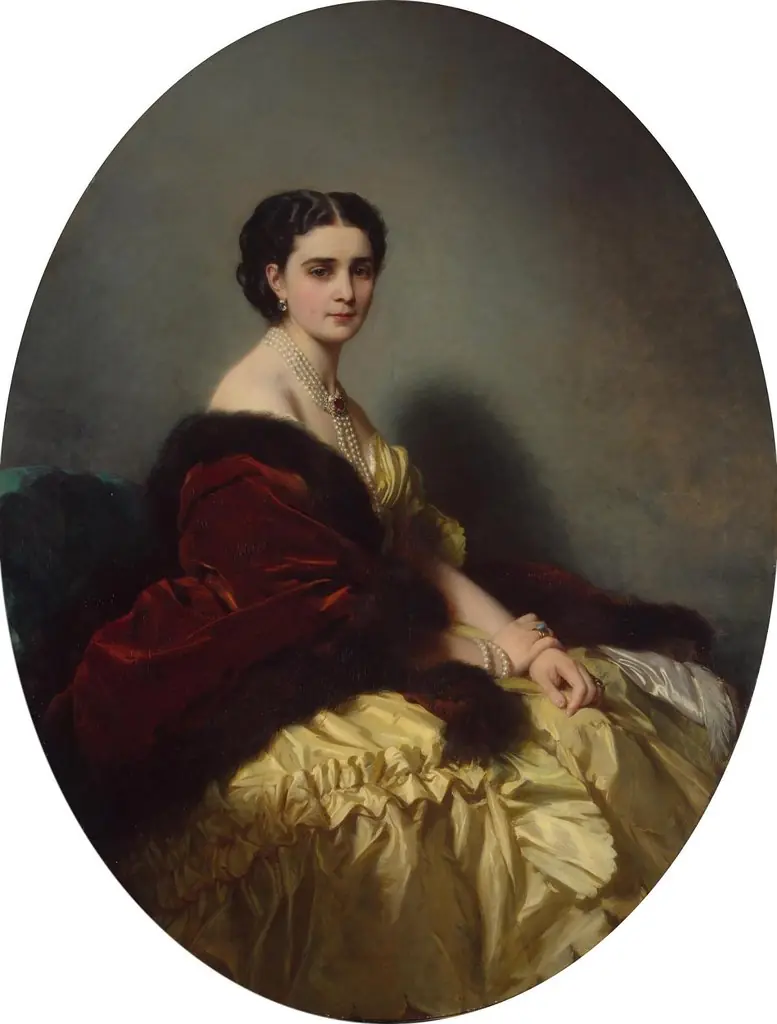 Portrait of Sophia Naryshkina
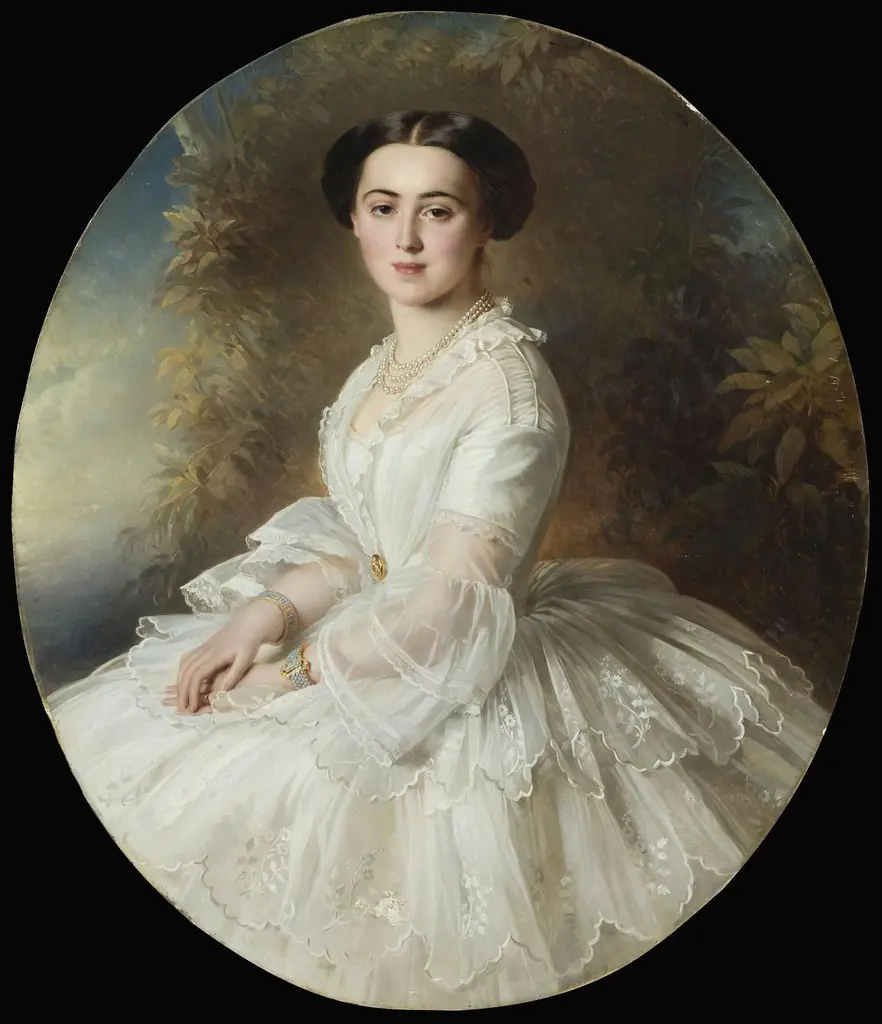 Portrait of Grand Duchess Olga Feodorovna
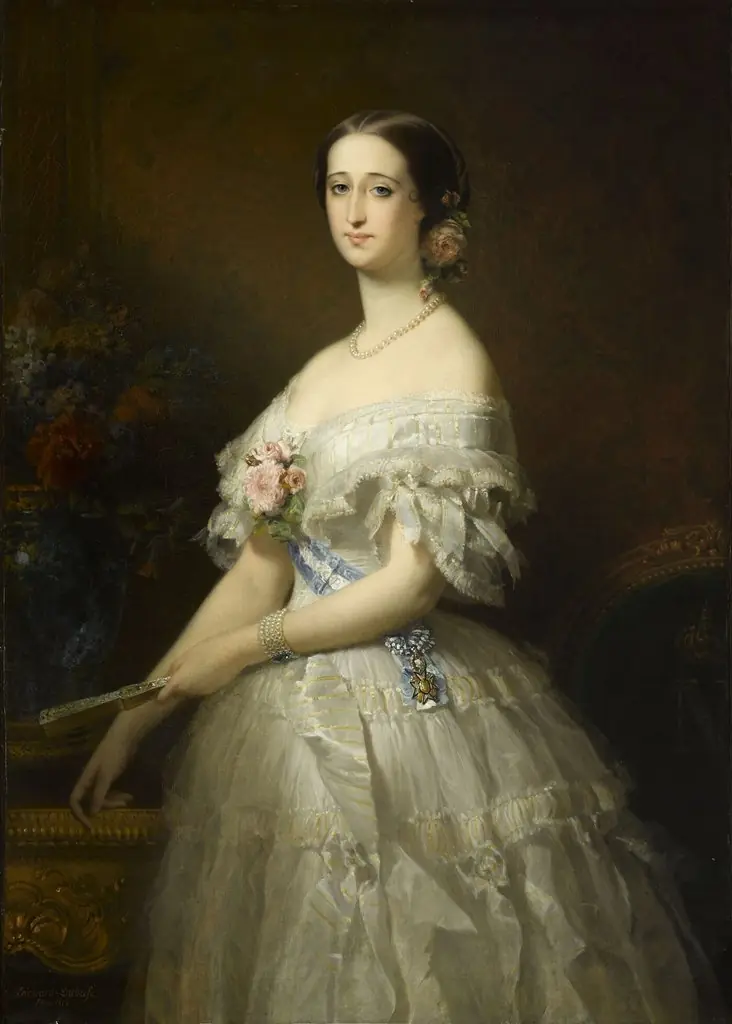 Portrait of the Empress Eugenie
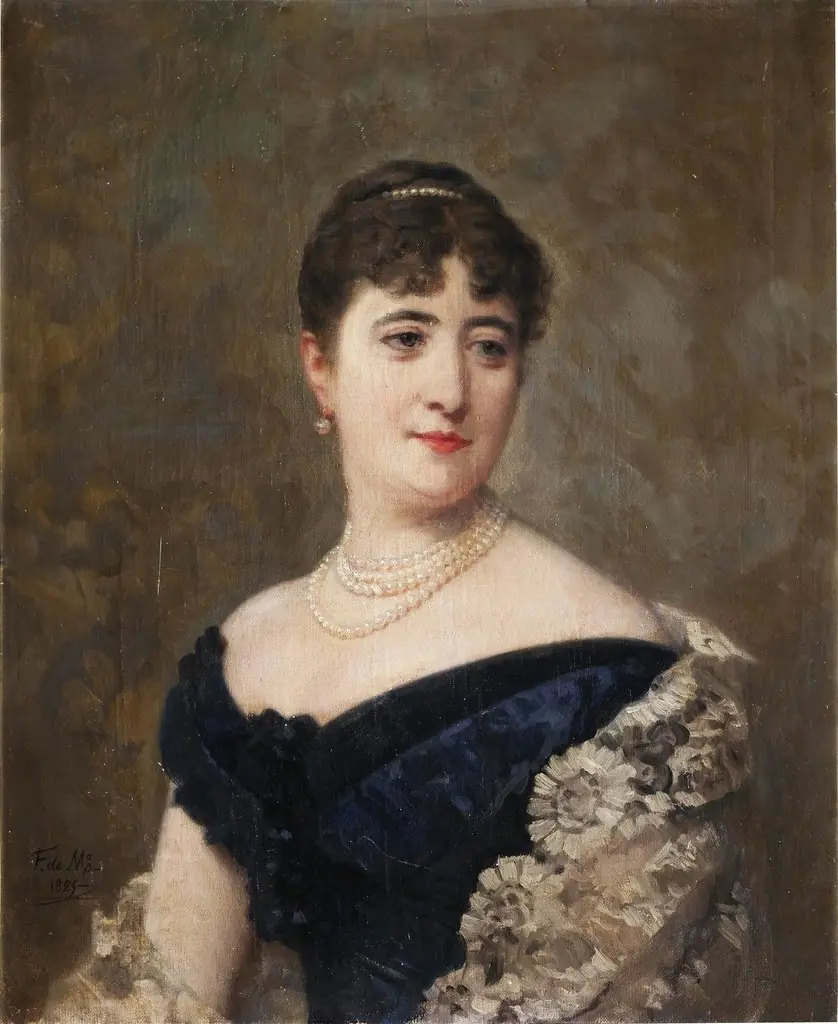 Purificación Fontán, marquesa del Pazo de la Merced
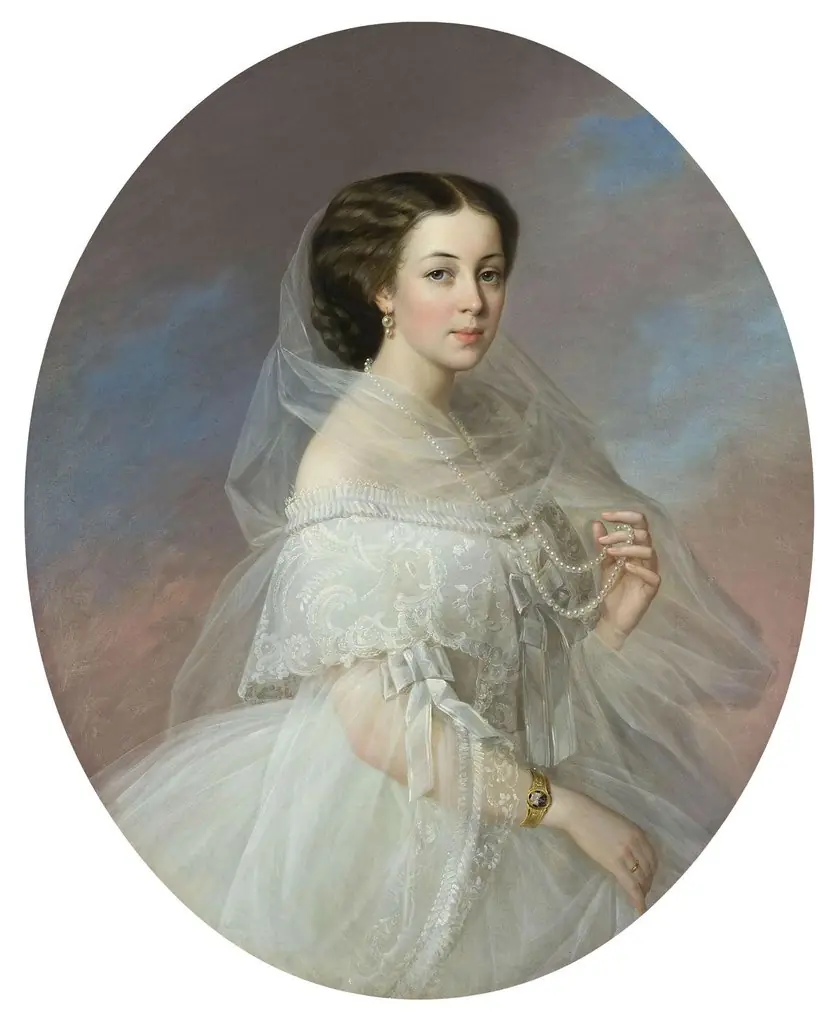 Portrait of Ekaterina Nikolaevna Volotskaya
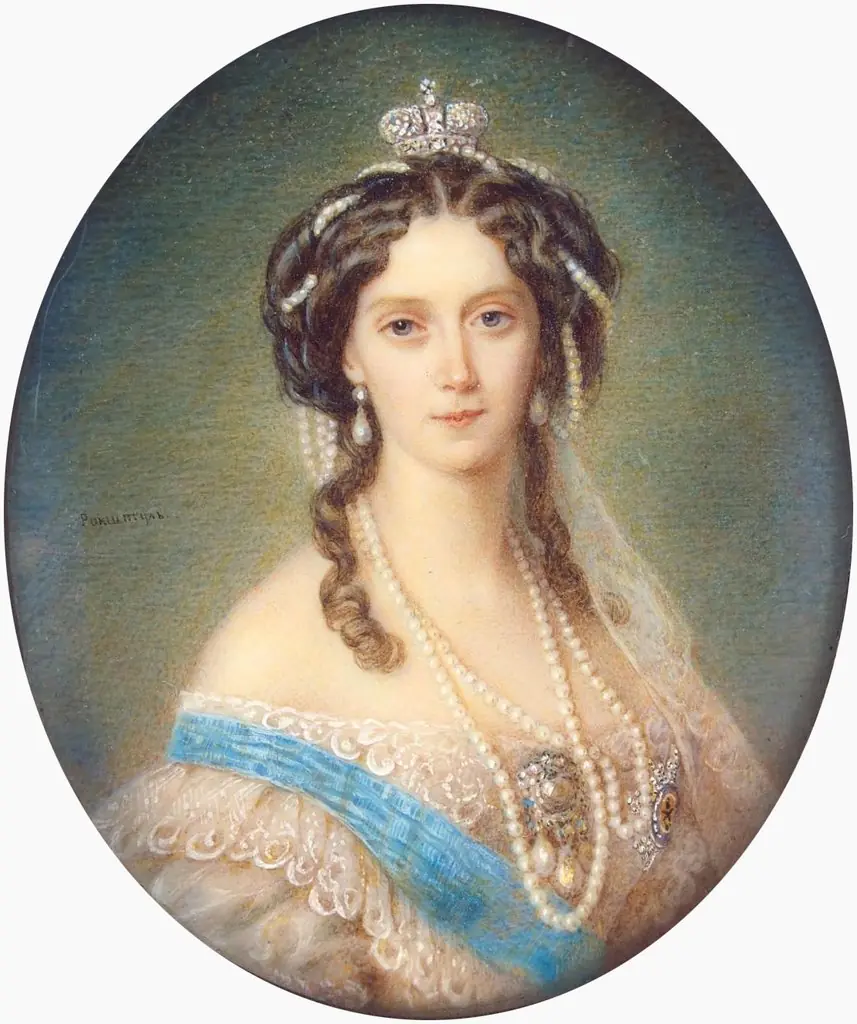 Portrait of Empress Maria Alexandrovna
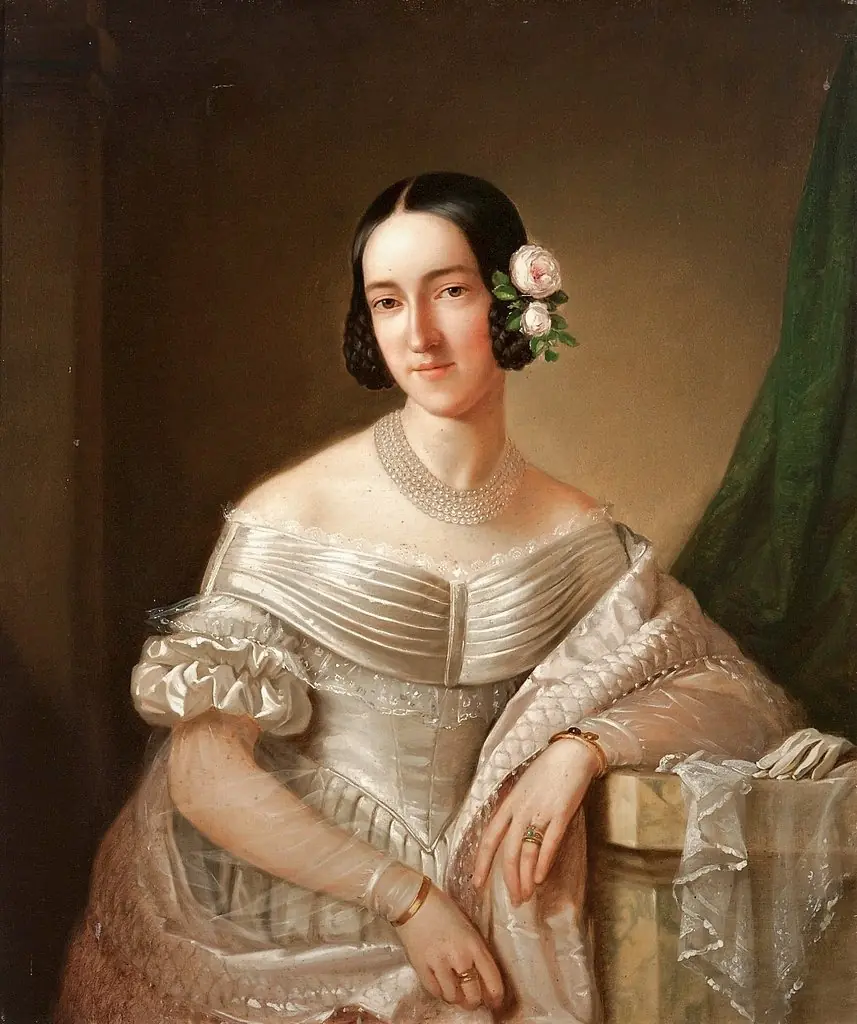 Portrait of Archduchess Hermine of Austria
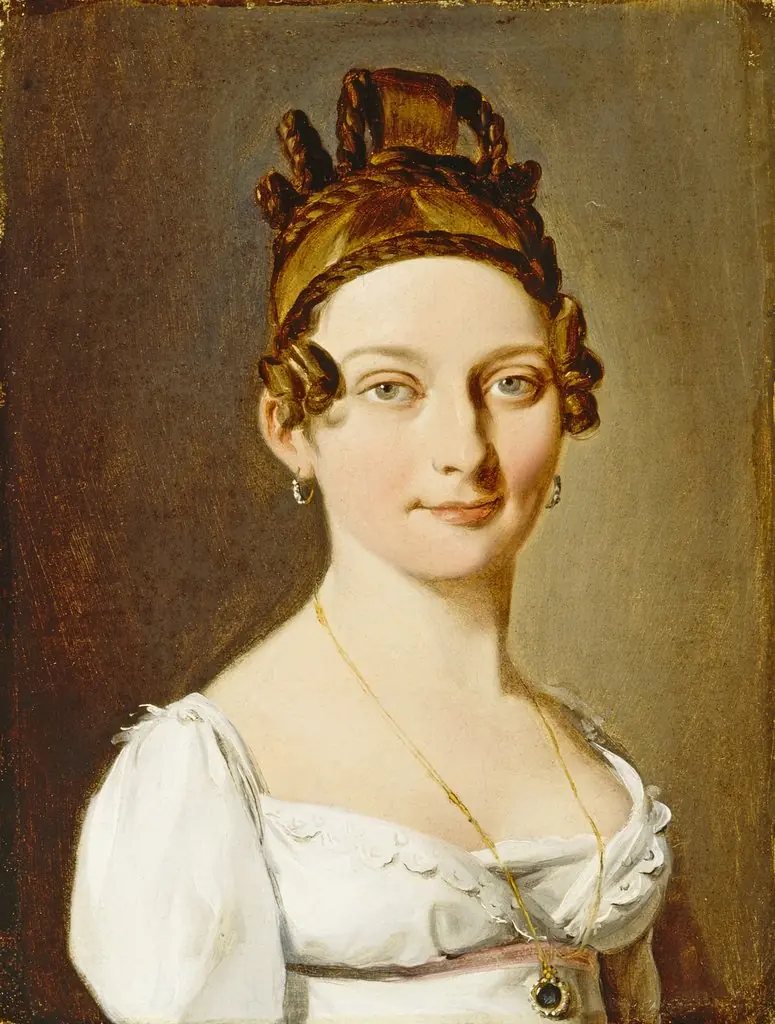 Portrait of a Lady
 Portrait of Berg
 Princess Maria Amélia of Brazil