Artwork
Saint Mary Magdalen
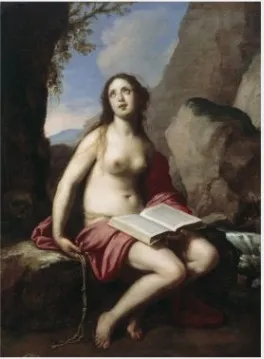
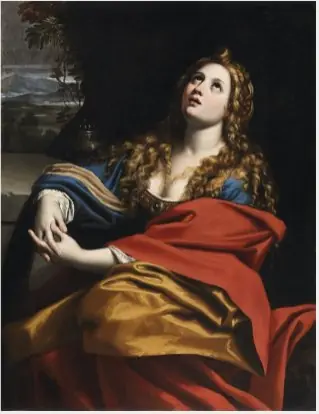
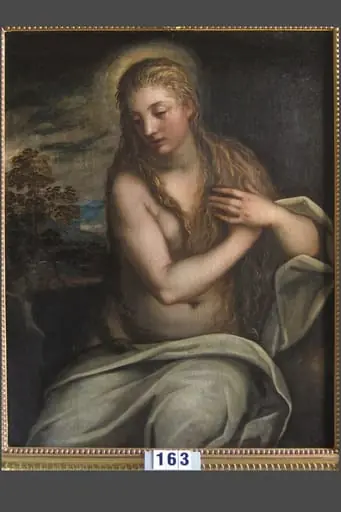
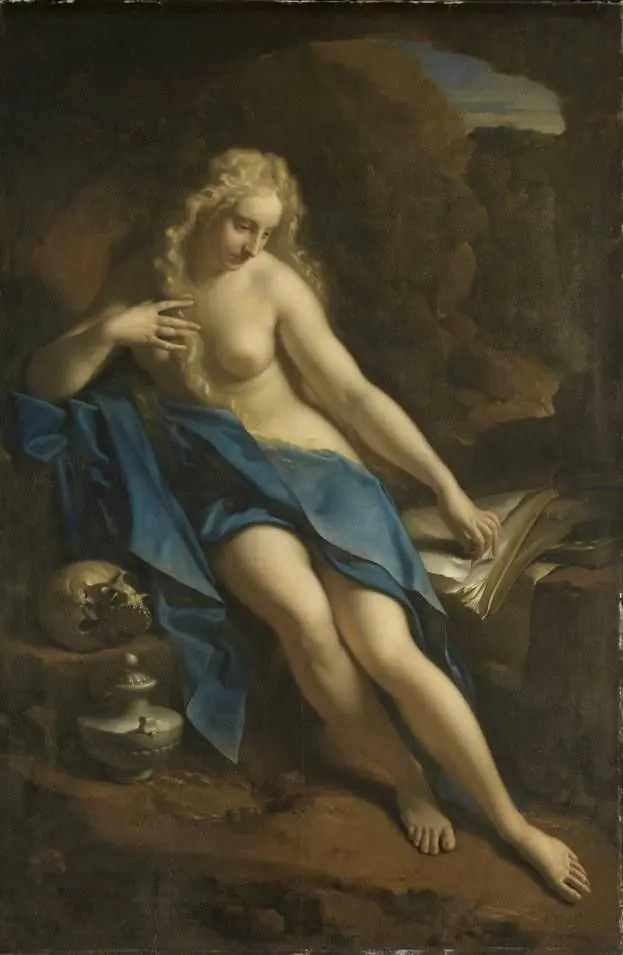
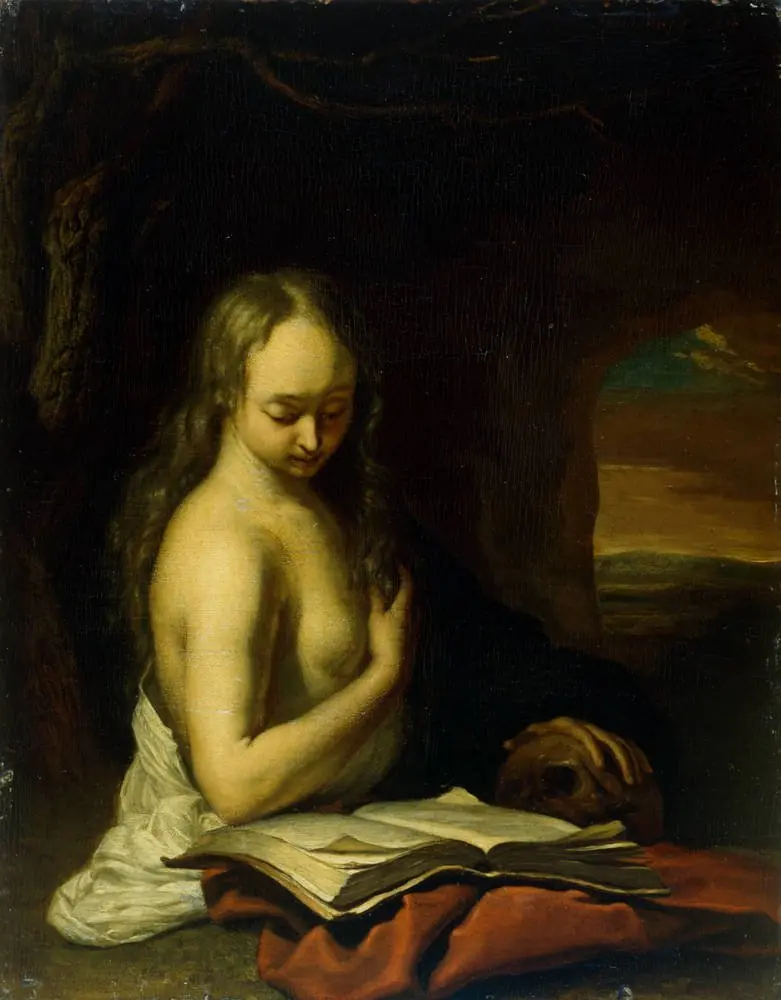
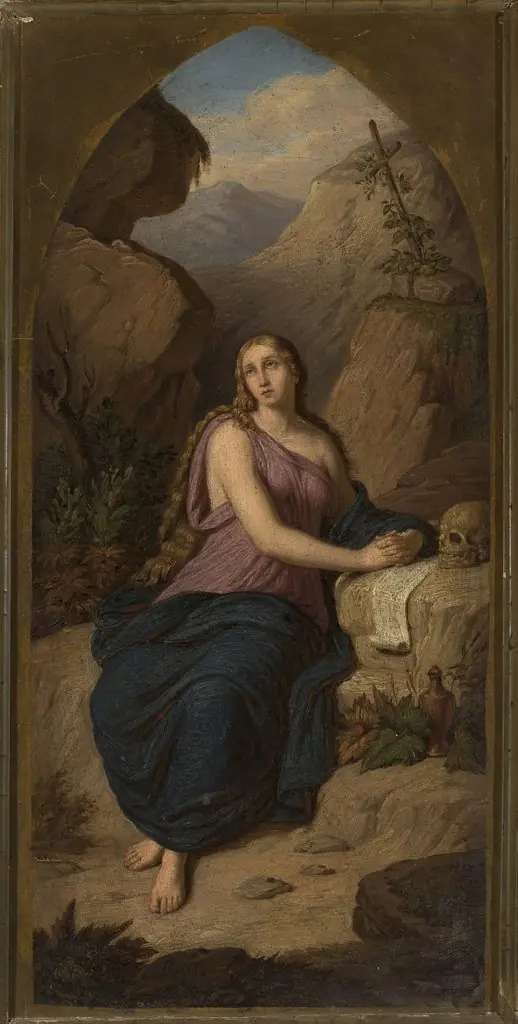
Saint Mary Magdalen is an oil painting by the Early Baroque Italian artist Felice Ficherelli. It dates from 1640 and is held in the collection of the National Gallery of Ireland.
About this work
Overview
The composition emphasizes stillness and spiritual contemplation through restrained movement and soft tonal transitions.
Painted in 1640 by Felice Ficherelli, this oil on canvas depicts Saint Mary Magdalen in a moment of quiet solitude. The work is part of the collection at the National Gallery of Ireland. It presents the saint seated upon a rocky outcrop, engaged in introspection, surrounded by a tranquil natural setting. The composition emphasizes stillness and spiritual contemplation through restrained movement and soft tonal transitions.
Subject & Meaning
The figure represents Mary Magdalen in her traditional role as a penitent devotee, often associated with withdrawal and prayer after her conversion. Her open book suggests scriptural study, while her upward gaze implies communion with the divine. The absence of overt symbols like a skull or ointment jar shifts focus to inner devotion rather than external markers of penance, reinforcing a personal, meditative spirituality.
Technique & Style
Ficherelli employs a muted palette of earth tones and soft blues, with gentle chiaroscuro to model the figure’s form. The drapery of her red robe is rendered with subtle gradations, avoiding dramatic contrasts. The landscape background is loosely brushed, creating atmospheric depth without distracting detail. The lighting is diffused, enhancing the hushed, reverent mood and unifying figure and environment in a single quiet tone.
History & Provenance
The painting was completed in the mid-17th century during Ficherelli’s active period in Tuscany. It entered the National Gallery of Ireland’s collection in the 19th century, likely through acquisition from a European private collection. Its journey to Dublin reflects broader patterns of religious art dispersal after the Napoleonic era, though specific ownership records prior to its Irish acquisition remain limited.
Context
Created during the Counter-Reformation, the image aligns with Catholic efforts to promote personal piety and emotional engagement with sacred figures. Mary Magdalen’s contemplative portrayal reflects contemporary devotional literature that emphasized inner conversion over spectacle. Ficherelli’s style, influenced by Caravaggio’s naturalism but tempered by regional Tuscan restraint, situates the work within a broader Italian devotional tradition.
Legacy
Though not widely reproduced or studied today, the painting remains a quiet example of 17th-century Italian religious portraiture. It contributes to the understanding of how lesser-known artists interpreted saintly themes with psychological subtlety. Its presence in a national collection underscores the value placed on regional variations within Baroque religious art, beyond the most celebrated names of the era.
Artist & collection