Artwork
Bildnis Johann Caspar Lavater
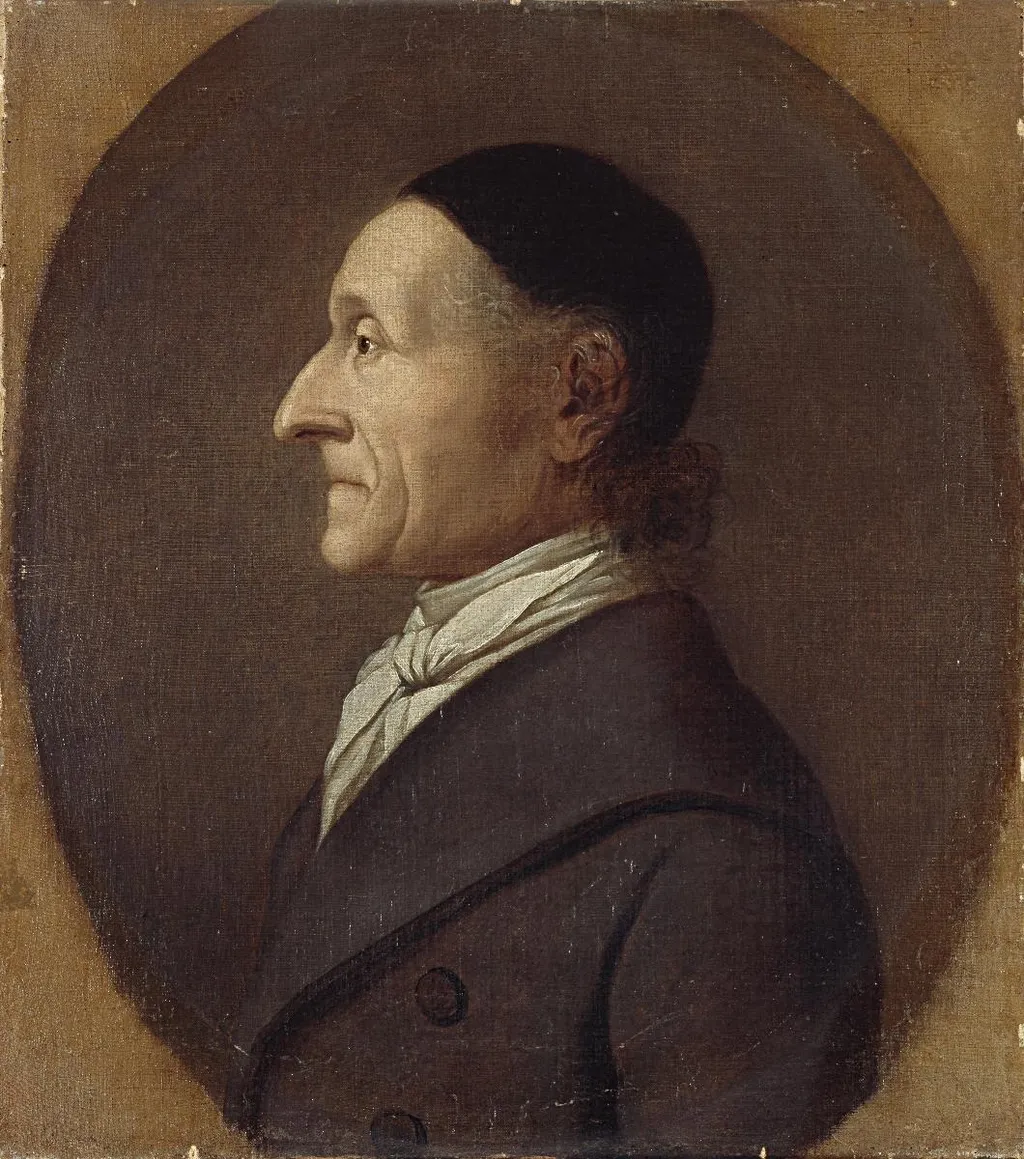
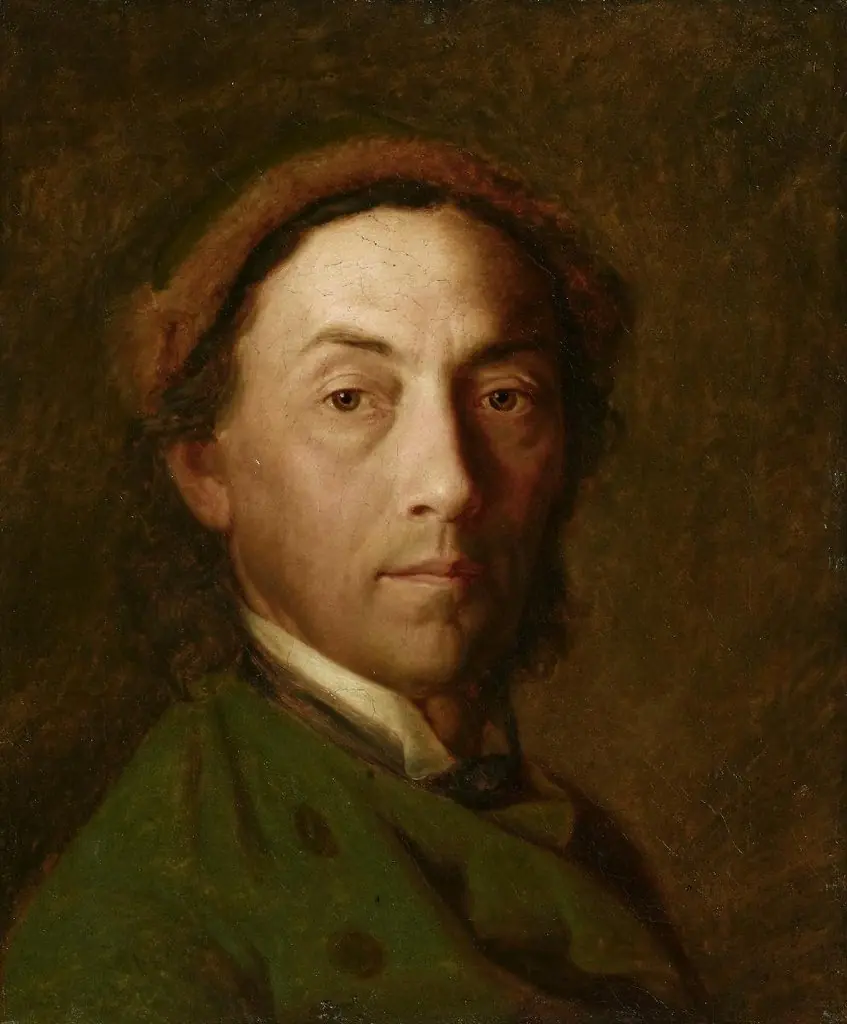
Bildnis Johann Caspar Lavater is an oil painting by Felix Maria Diogg. It dates from 1798 and is held in the collection of the Kunsthaus Zürich.
About this work
The use of dark colors and the focus on the subject's face create a sense of intimacy and seriousness.
This portrait features a man with a black cap and a white collar, set against a dark background. He is dressed in a dark jacket with buttons, and his face is turned to the left. The painting is done in oil paint.
The man's attire and the style of the painting suggest that it is from the late 18th century. The use of dark colors and the focus on the subject's face create a sense of intimacy and seriousness.
The painting is held at the Kunsthaus Zürich, and its style is reminiscent of the chiaroscuro technique, which uses strong contrasts between light and dark to create a sense of volume and depth.
Overview
Felix Maria Diogg, a Swiss painter active in the late 18th and early 19th centuries, completed this oil portrait in 1798 while residing in Rapperswil. The work presents Johann Caspar Lavater, a prominent Swiss writer and thinker, in a restrained, formal composition. Rendered with careful attention to texture and tone, the painting exemplifies Diogg’s reputation as a leading portraitist of Swiss Classicism. It is now part of the Kunsthaus Zürich’s permanent collection.
Subject & Meaning
Johann Caspar Lavater was a respected intellectual known for his writings on physiognomy and religious thought. Diogg captures him in a moment of quiet contemplation, his gaze directed slightly left, avoiding direct engagement with the viewer. The somber attire and minimal background emphasize his intellectual presence rather than social status. The portrait conveys gravitas, aligning with Lavater’s public image as a serious moral philosopher of his time.
Technique & Style
Diogg employed oil paint to achieve subtle gradations of light and shadow, particularly around the face and collar, enhancing the three-dimensionality of the figure. The dark background isolates Lavater, drawing focus to his features and the crisp white of his collar. The rendering of fabric—buttons, folds, and texture—is precise but unadorned, reflecting the Classical preference for clarity and restraint over theatricality.
History & Provenance
Painted in 1798 during Diogg’s time in Rapperswil, the portrait was likely commissioned by someone connected to Lavater’s circle. It remained in private hands before entering the Kunsthaus Zürich’s collection, where it has been preserved as a key example of Swiss portraiture from the late Enlightenment. Its provenance reflects its significance within regional artistic and intellectual history.
Context
In the late 1790s, Swiss art was transitioning from Baroque ornamentation toward the clarity of Classicism. Diogg’s work aligned with this shift, favoring psychological depth over decorative flourish. Lavater, though controversial in some circles, was widely read across Europe, making his portrait a culturally resonant subject. The painting reflects a broader trend of depicting thinkers with dignity and quiet intensity.
Legacy
Diogg’s portrait of Lavater endures as a representative work of Swiss Classicist portraiture. Its understated composition and psychological nuance influenced later Swiss artists seeking to portray intellectual figures with sincerity. The painting remains a reference point in studies of Enlightenment-era visual culture, valued for its restraint and historical resonance rather than dramatic flair.
Artist & collection
Artist
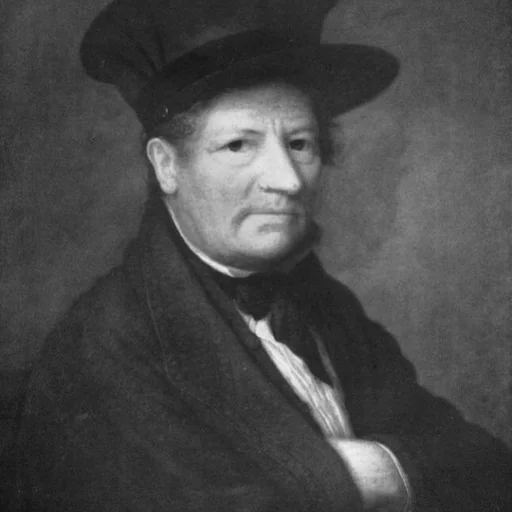
Felix Maria Diogg (1 July 1762 – 19 February 1834) was a Swiss painter. Born in Andermatt, as an adult he made Rapperswil his home. Diogg is considered the most important Swiss Classicism portraitist.

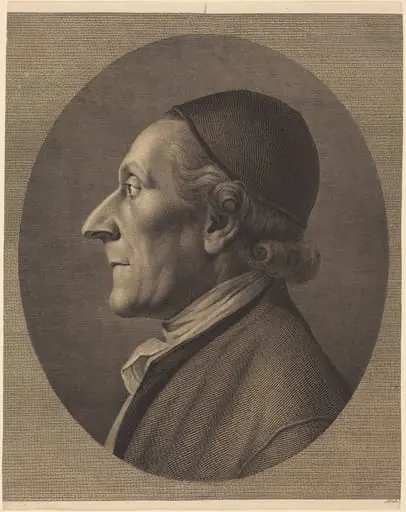 John Caspar Lavater
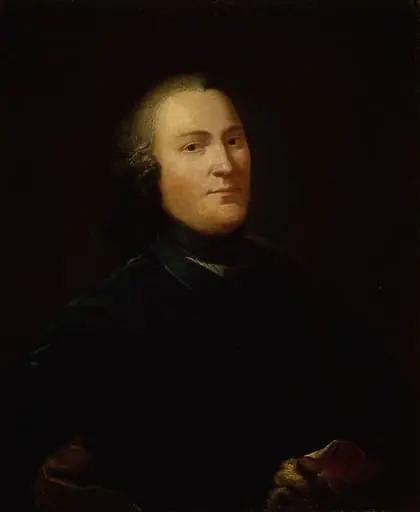 Kauppias Mikael Wacklin
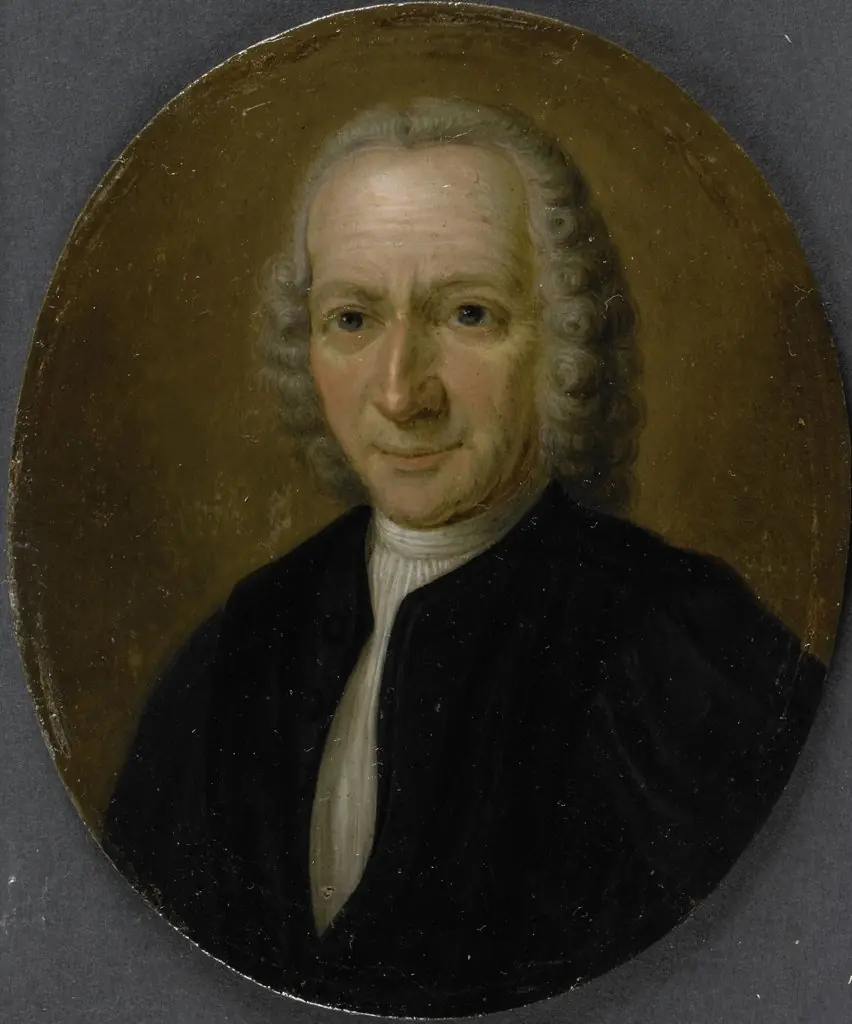 Adrianus van Royen (1704-79), professor of medicine and botany in Leiden
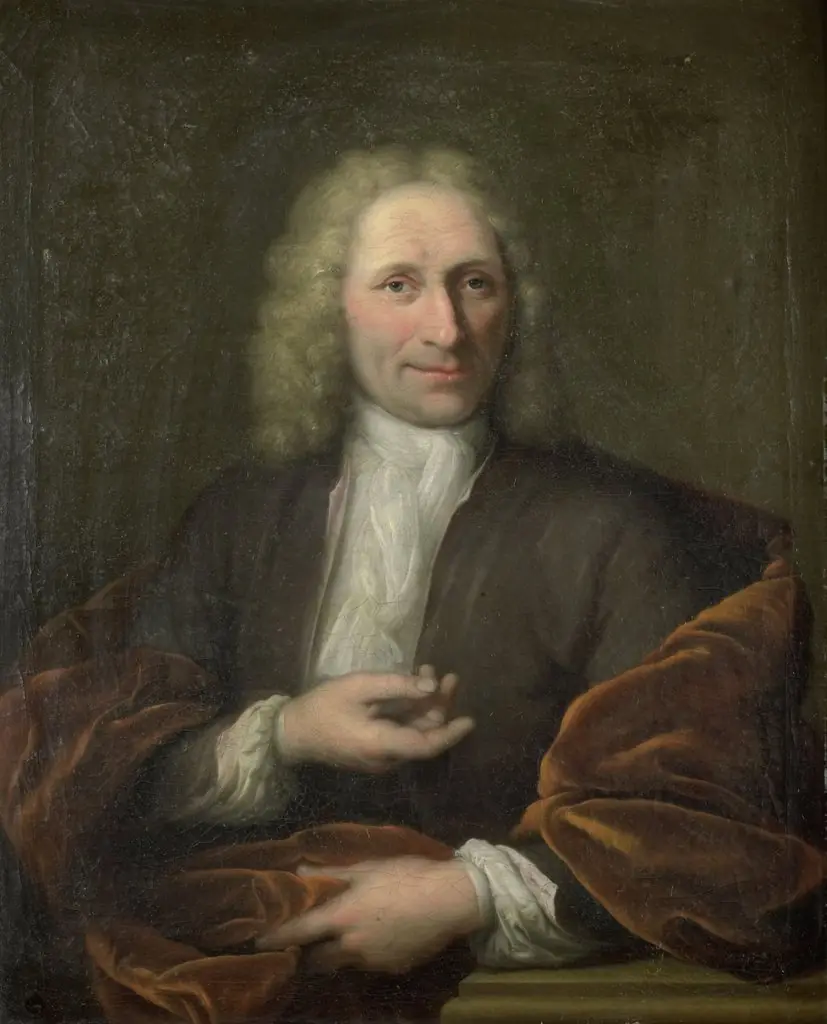 Portrait of a Man
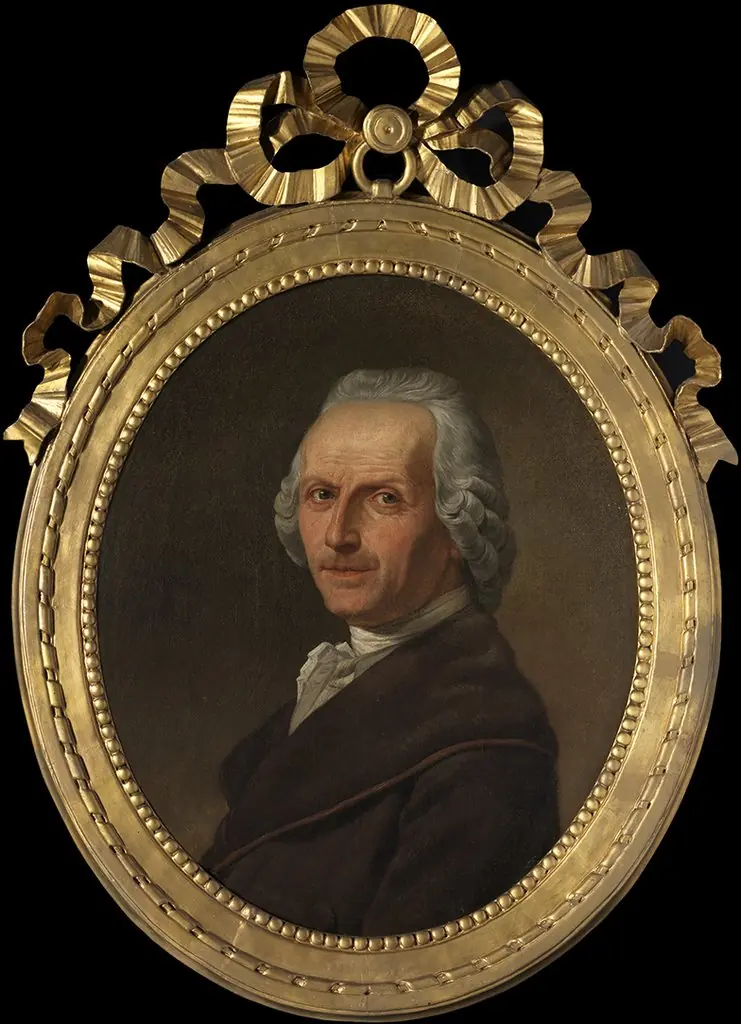 Portrait of Paul Josef de Cock
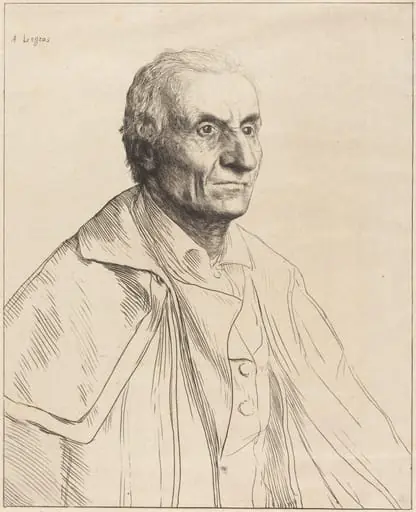 Large Spaniard (Le grand Espagnol)
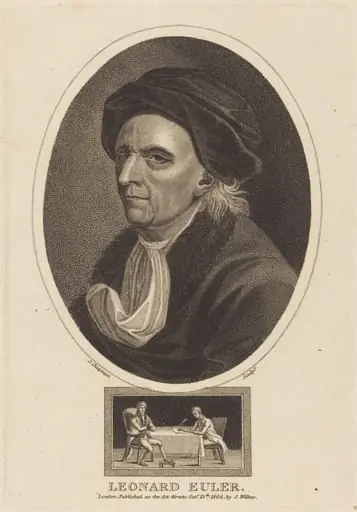 Leonard Euler
 Portrait of the artist’s father
 Portrait of Maciej Sobolewski
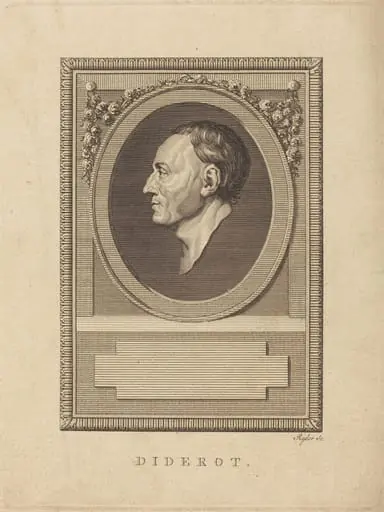 Diderot
 Selbstbildnis
 Timothy Pickering