Artwork
Timothy Pickering
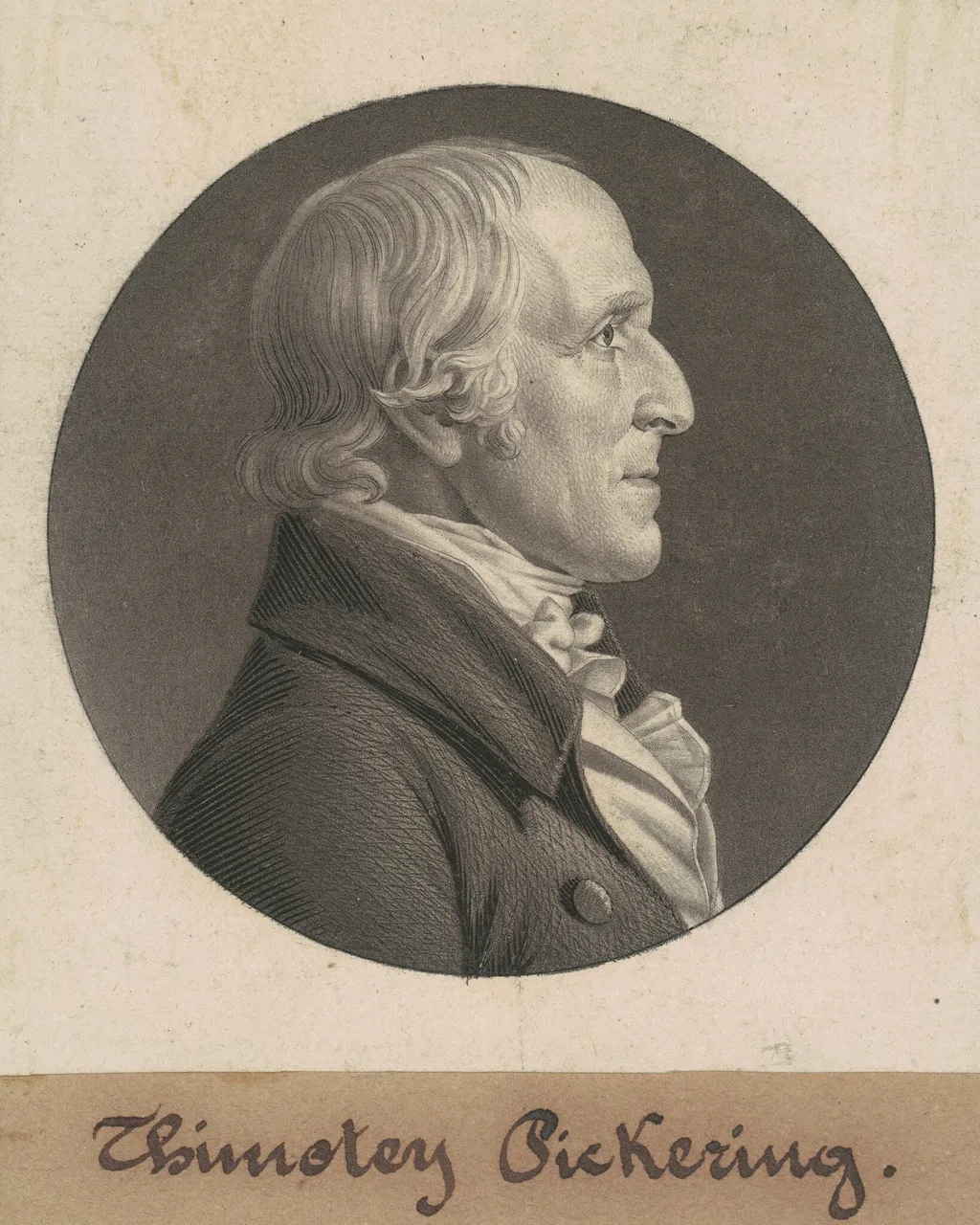
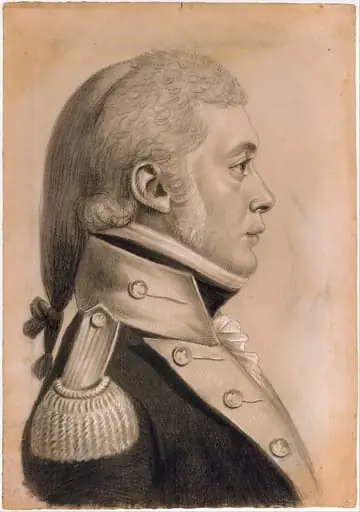
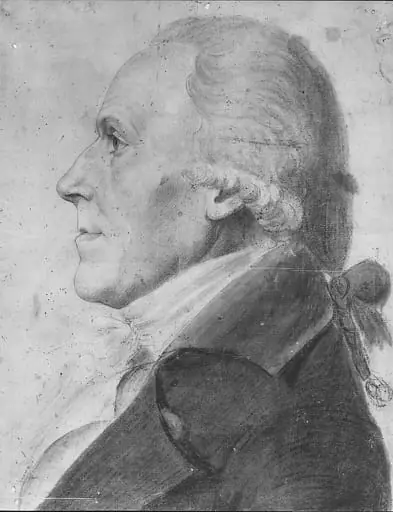
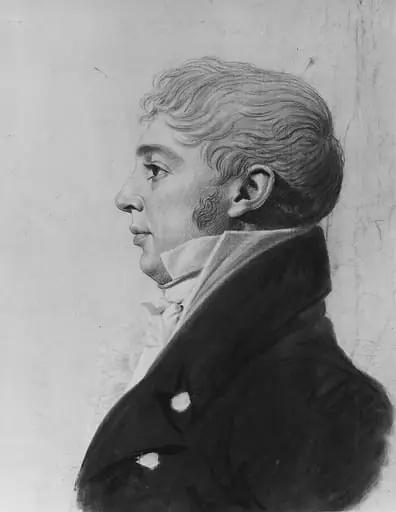
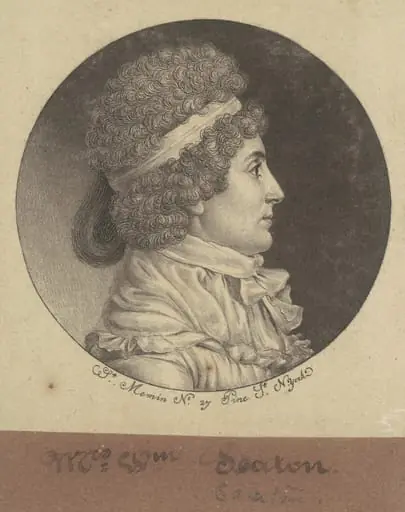
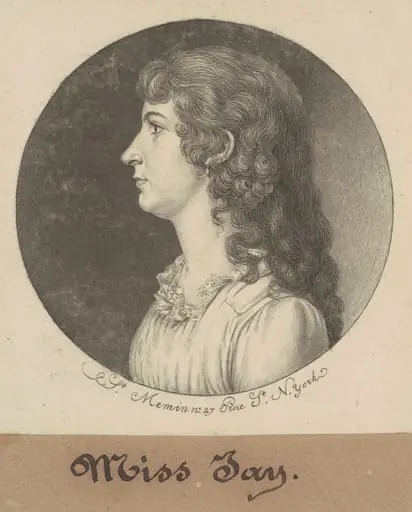
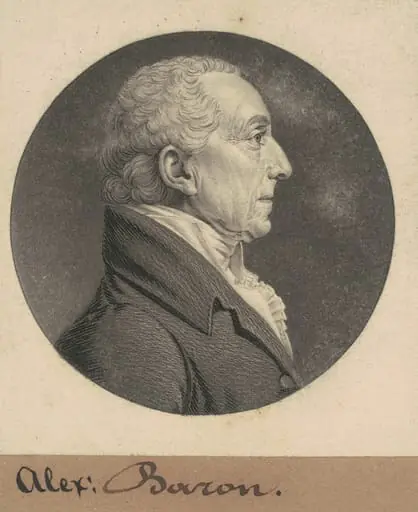
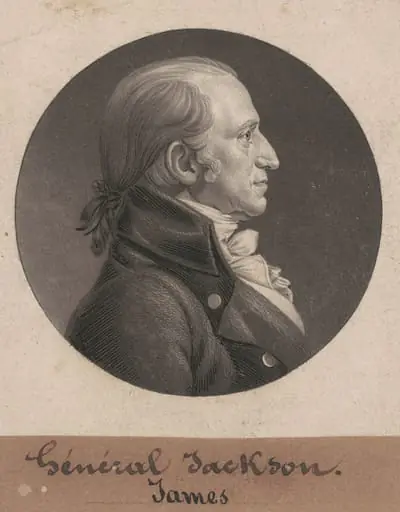
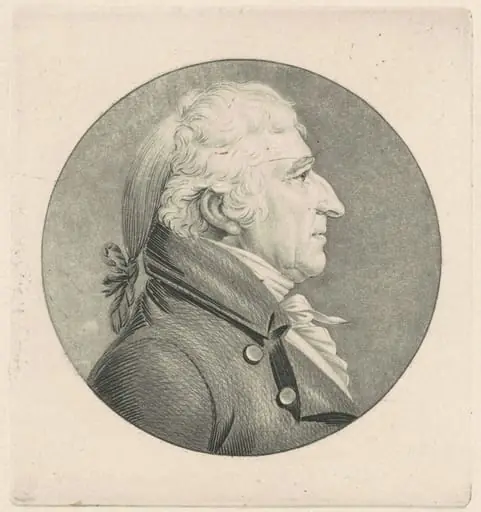
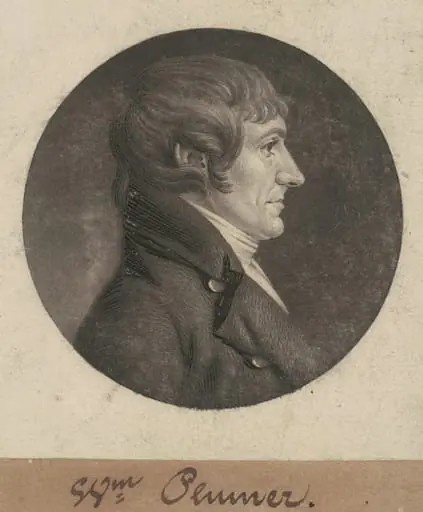
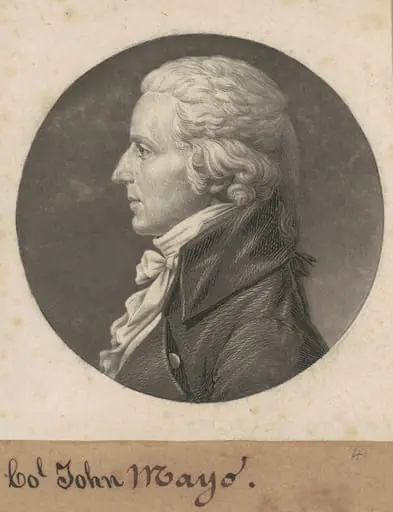
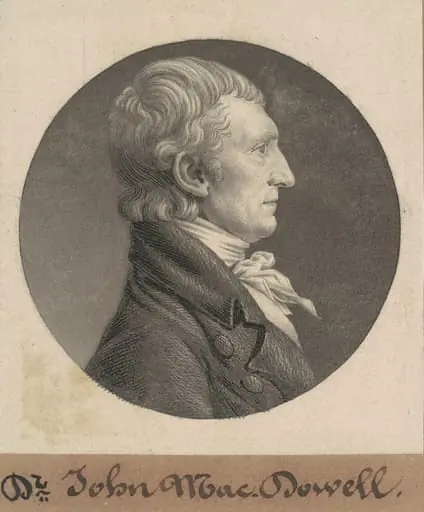
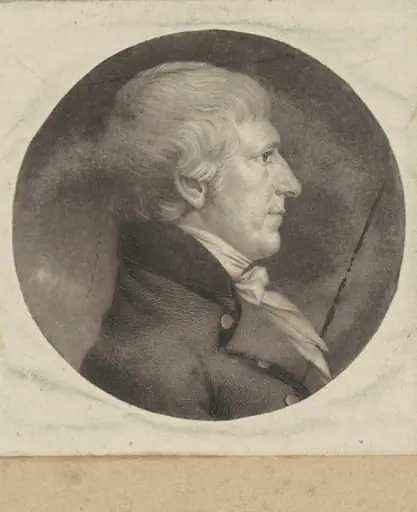
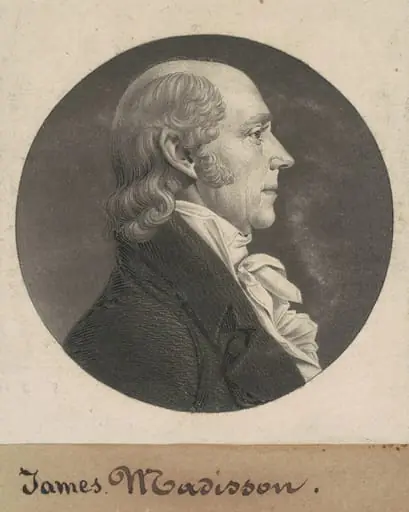
Timothy Pickering is an ink print by the Romanticist artist Charles Balthazar Julien Févret de Saint-Mémin. It dates from 1806 and is held in the collection of the National Gallery of Art. Created in 1806 by Charles B.
About this work
Overview
Created in 1806 by Charles B. J. Févret de Saint‑Mémin, this small print measures just over five and a half centimeters on each side. Executed as a combined mezzotint and engraving on wove paper, the work presents a tightly rendered portrait of the American statesman Timothy Pickering, rendered in black tones against a plain background.
Subject & Meaning
The image depicts Pickering in formal attire, his face set in a solemn, attentive expression that reflects his public role as a diplomat and cabinet officer. The restrained composition emphasizes his authority and the gravitas associated with early‑Republican leadership, offering a visual record of his dignified public persona.
Technique & Style
Saint‑Mémin employed a hybrid process: the metal plate was first incised to capture fine lines, then subjected to mezzotint work that creates rich, velvety shadows through a roughened surface. Ink is applied, wiped from the smooth areas, and left only in the incised and textured zones, producing a highly detailed, tonal image despite the work’s modest size.
History & Provenance
The print was produced during a period when American political figures were frequently commemorated through print media for broader distribution. While the original plate’s whereabouts are unknown, surviving impressions are held in several institutional collections, confirming the work’s circulation among early‑19th‑century portrait prints.
Artist & collection

Artist
Charles Balthazar Julien Févret de Saint-Mémin
Charles Balthazar Julien Févret de Saint-Mémin (French pronunciation: ; 1770–1852) was a French portrait painter and museum director.