Artwork
Heroic Head
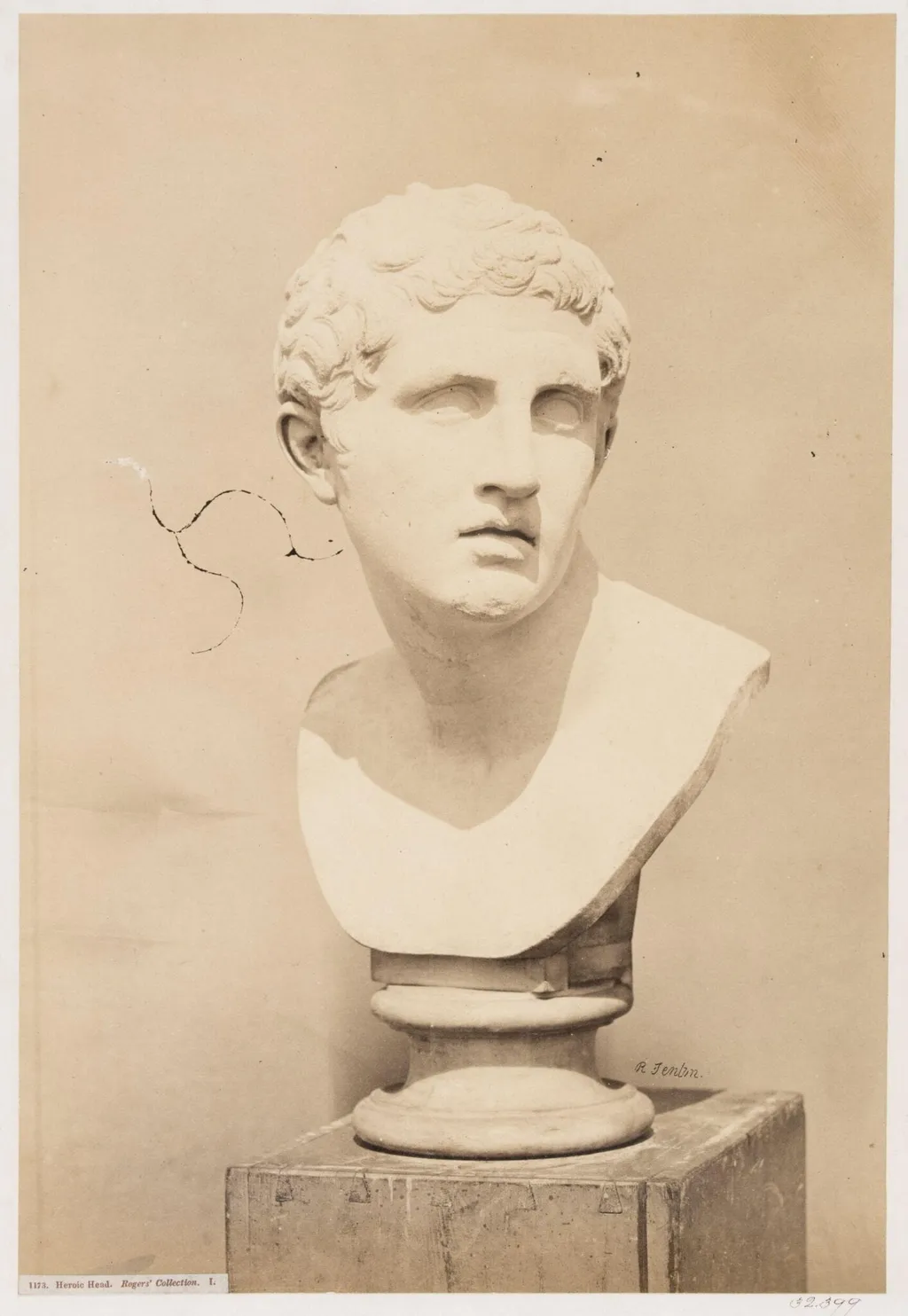
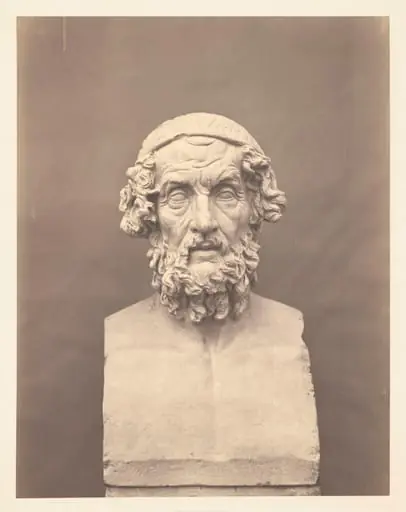
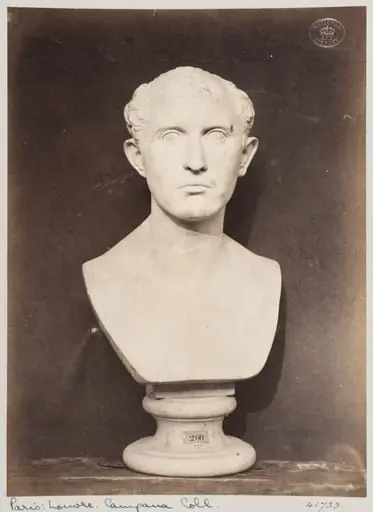
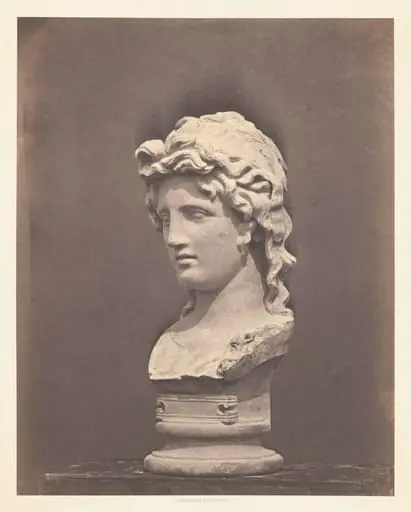
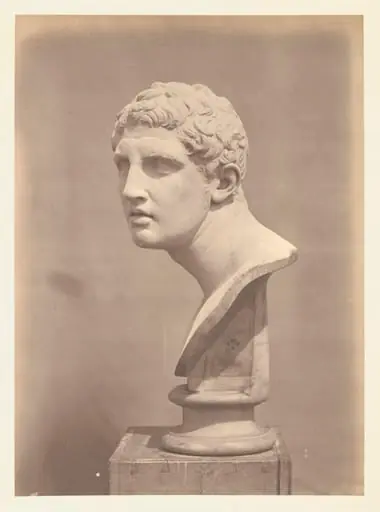
Heroic Head is a photographic photography by the Impressionist artist Roger Fenton. It dates from 1856 and is held in the collection of the Victoria and Albert Museum. This sepia-toned photograph captures a classical male bust, mounted and presented against a plain wall.
About this work
Overview
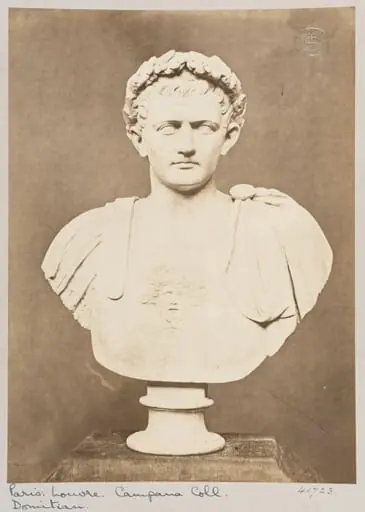
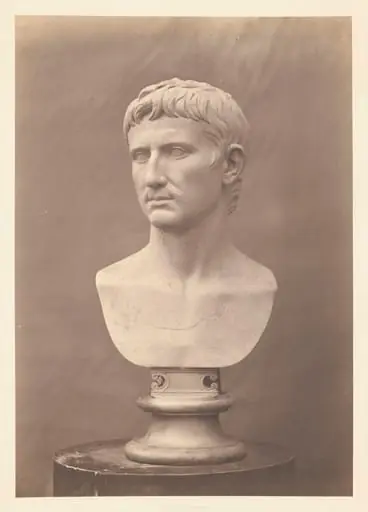
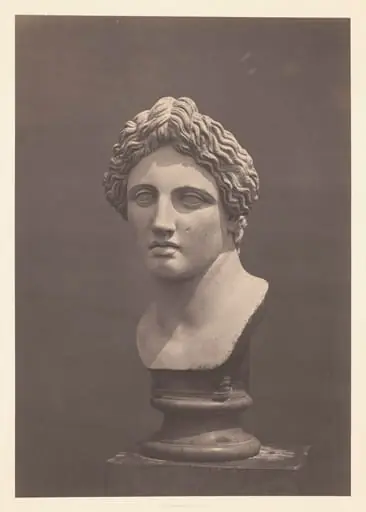
This sepia-toned photograph captures a classical male bust, mounted and presented against a plain wall. The image emphasizes the sculpted form through careful lighting, isolating the subject from its surroundings. The medium and composition reflect 19th-century documentary practices used to record antiquities for study and archival purposes.
Subject & Meaning
The subject is a male figure with short, curly hair and a solemn gaze, rendered in the style of Hellenistic or Roman portraiture. The draped fabric around the neck suggests civic or military status, common in idealized representations of leaders or philosophers. The serious expression conveys gravitas, aligning with classical ideals of stoic virtue and intellectual authority.
Technique & Style
The photograph employs chiaroscuro to model the contours of the bust, enhancing its three-dimensionality through sharp contrasts between light and shadow.
The photograph employs chiaroscuro to model the contours of the bust, enhancing its three-dimensionality through sharp contrasts between light and shadow. The lighting accentuates the texture of the stone and the folds of the drapery, while the plain background eliminates distractions. This approach prioritizes formal clarity over atmospheric effect, typical of scholarly photographic documentation.
History & Provenance
The sculpture depicted is part of the British Museum’s collection, likely acquired during the 18th or 19th century as part of broader efforts to catalog classical antiquities. The photograph itself was likely produced in the mid-1800s, when institutions began systematically photographing artifacts to support academic research and public display.
Context
During the 19th century, photography became a vital tool for museums to document and disseminate knowledge of ancient art. This image reflects a broader trend of using precise, neutral imagery to support archaeological and art-historical scholarship, moving away from artistic interpretation toward objective record-keeping.
Legacy
The photograph remains a reference point for scholars studying classical portraiture and the history of museum documentation. Its restrained aesthetic underscores the role of photography in preserving the physical presence of artifacts, influencing how later generations engage with ancient sculpture through visual archives.
Artist & collection