Artwork
Muse
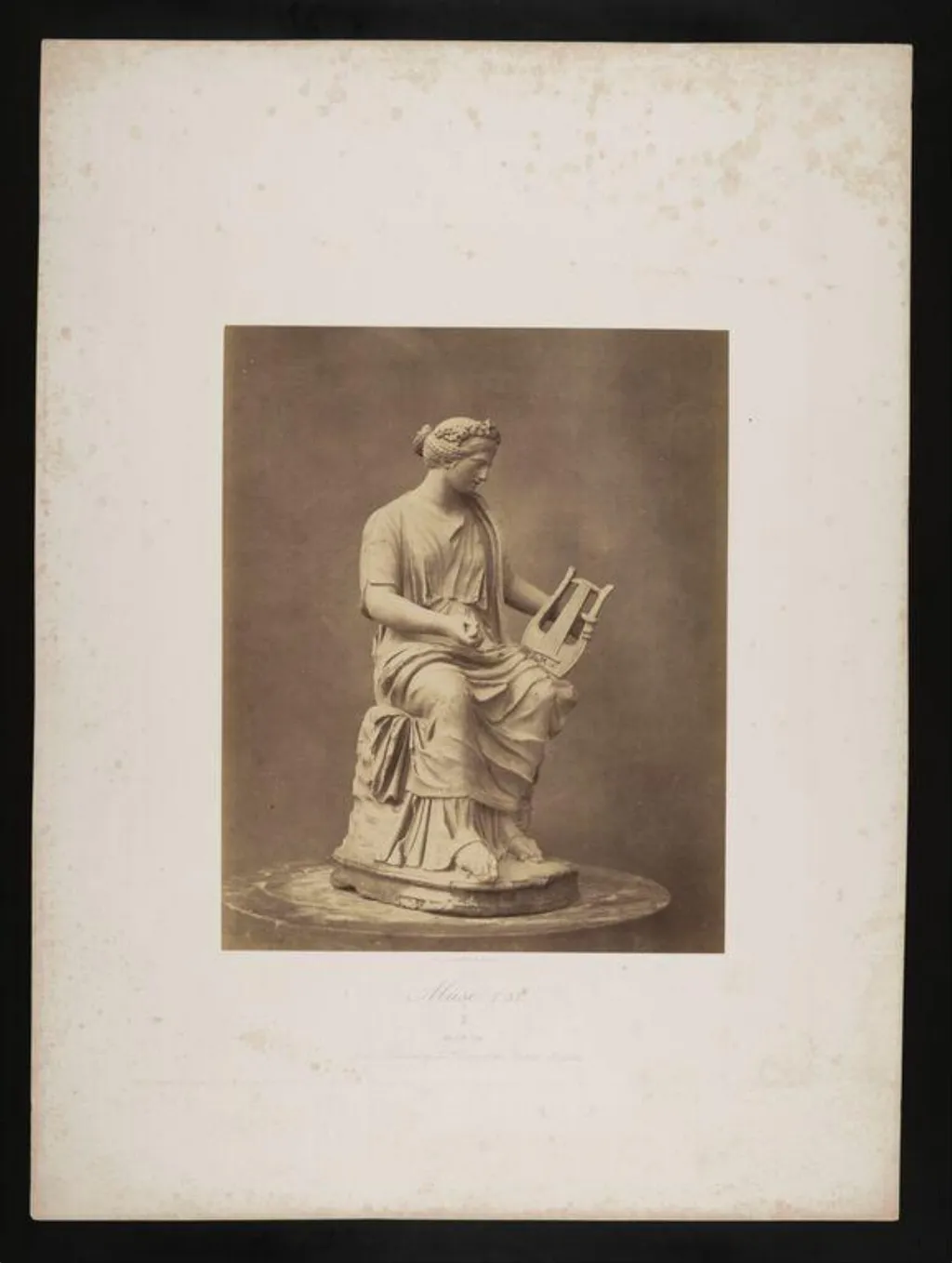
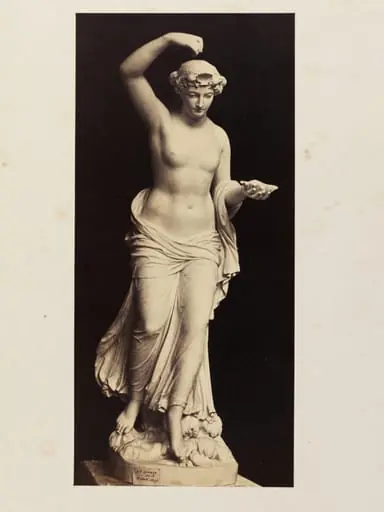
Muse is a photographic photography by the Impressionist artist Roger Fenton. It dates from 1856 and is held in the collection of the Victoria and Albert Museum.
About this work
Overview
It was produced as part of an official commission to document the British Museum’s antiquities collection, beginning in 1853.
Taken in 1856, this sepia-toned photograph by Roger Fenton captures a classical sculpture of a female figure holding a lyre. It was produced as part of an official commission to document the British Museum’s antiquities collection, beginning in 1853. The image emphasizes form and texture through careful lighting and composition, reflecting early photographic efforts to record cultural artifacts with precision and dignity.
Subject & Meaning
The subject is a Hellenistic-style representation of a muse, likely Euterpe, the Greek goddess of music. Dressed in a draped toga and crowned with a laurel wreath, she holds a lyre — a symbol of poetic inspiration. Her composed expression and restrained posture convey classical ideals of harmony and intellectual grace, aligning with 19th-century European reverence for ancient art as a model of aesthetic order.
Technique & Style
Fenton employed a large-format camera and long exposure to render fine details in the sculpture’s surface and drapery. The dark, neutral background isolates the figure, enhancing its sculptural presence. Sepia toning, common in albumen prints of the era, lends warmth and permanence. The low-angle viewpoint elevates the subject, subtly reinforcing its monumentality without theatricality.
History & Provenance
Commissioned by the British Museum, Fenton’s photographic project aimed to create a systematic visual archive of its holdings. This image was among hundreds produced between 1853 and 1857, intended for scholarly reference and public education. The photograph remained within the museum’s collection, later becoming part of its historical photographic record, valued for its documentary accuracy and technical execution.
Context
Fenton’s work emerged during a period when photography was increasingly used to preserve and disseminate knowledge of antiquities. While painting and drawing had long served this role, photography offered a new claim to objectivity. His images contributed to the institutionalization of art history as a discipline, aligning with broader 19th-century efforts to classify and conserve cultural heritage.
Legacy
Fenton’s photographs of the British Museum’s collection helped establish photography as a legitimate tool for art documentation. Though largely overlooked in his lifetime as mere records, these images are now recognized for their formal restraint and historical significance. They remain key references for understanding how early photography shaped public and academic engagement with classical art.
Artist & collection

 H Beard Print Collection
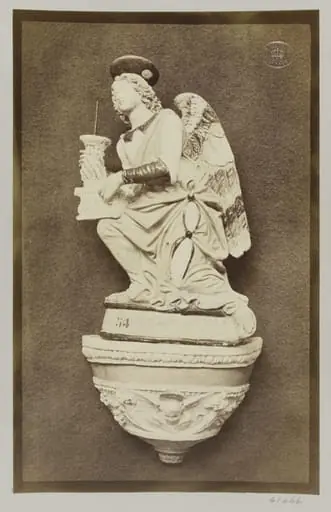 Figure of an Angel holding pricket candlestick by Luca della Robbia Ware
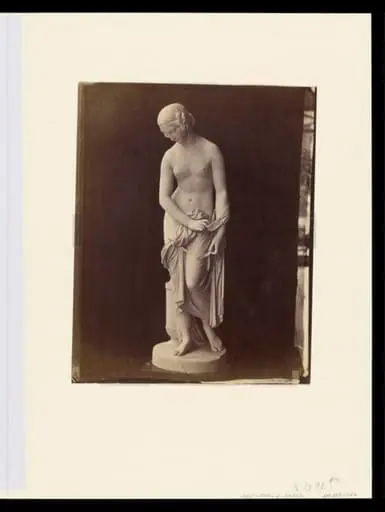 Statue, The Great Exhibition
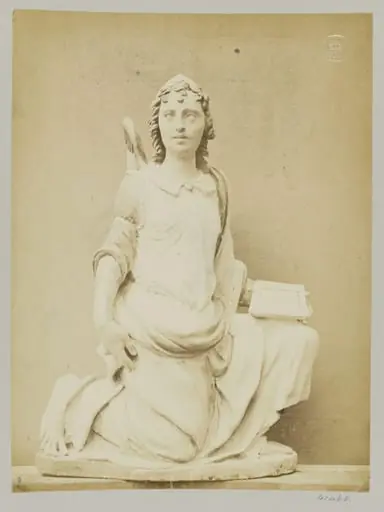 Figure of an Angel Kneeling, enamelled earthenware
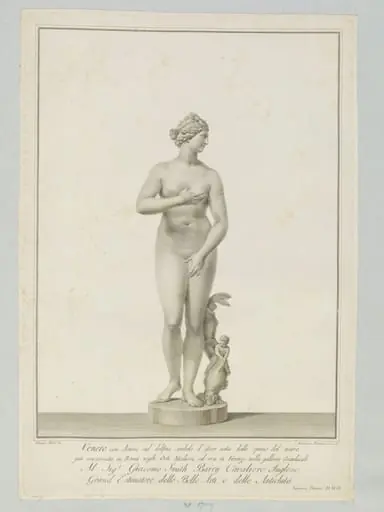 Venus and Cupid
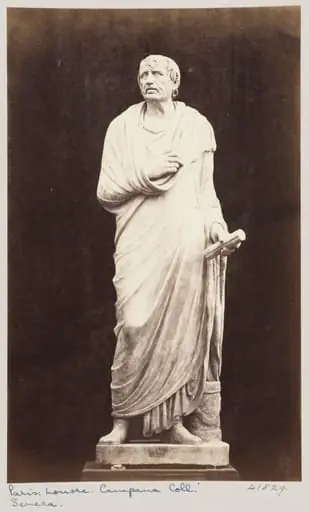 Marble Statue of Seneca
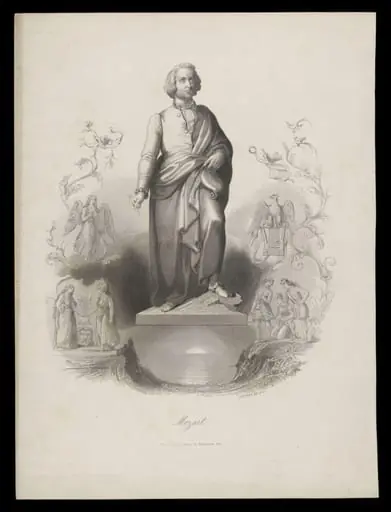 H Beard Print Collection
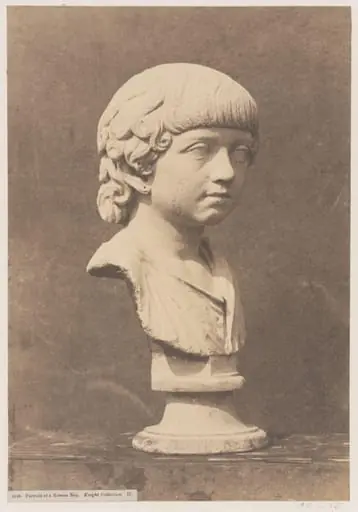
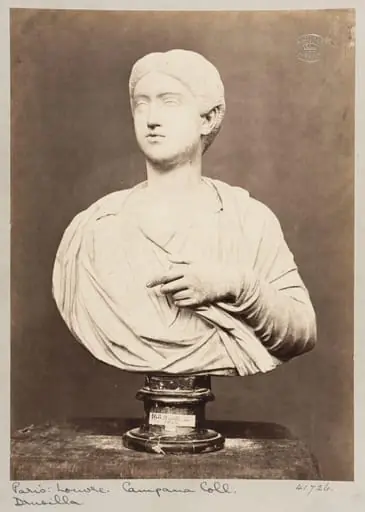 Marble bust o f Drucille, sister of the Emperor Caligula
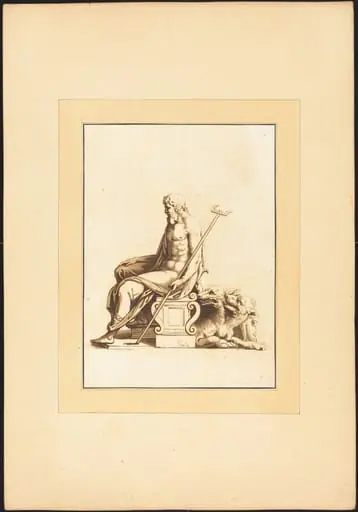 Pluto
Pluto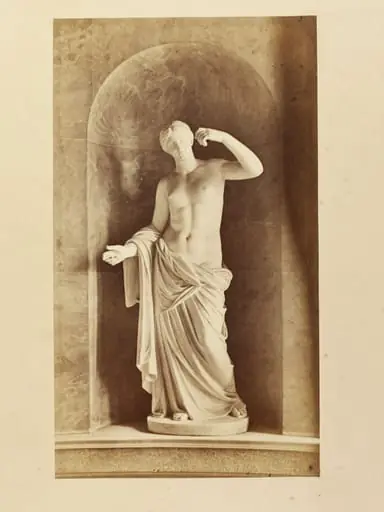 Untitled
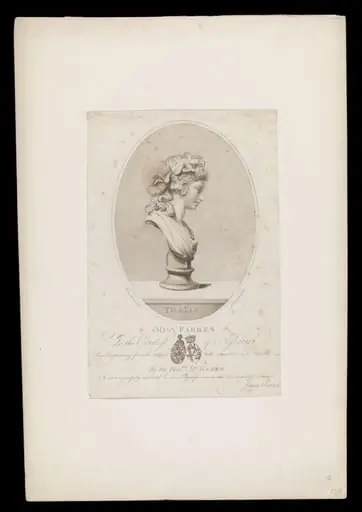 H Beard Print Collection
 Untitled