Artwork
Dead Game
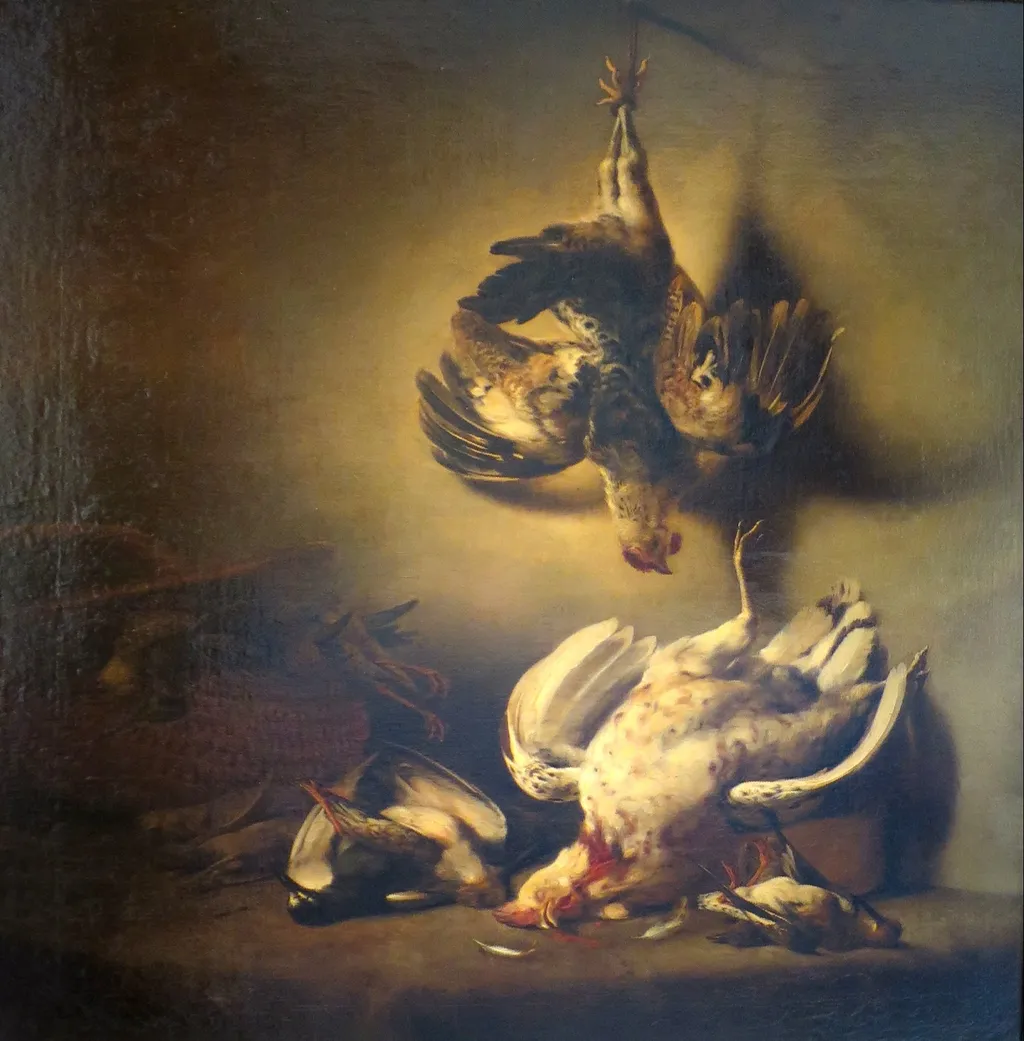
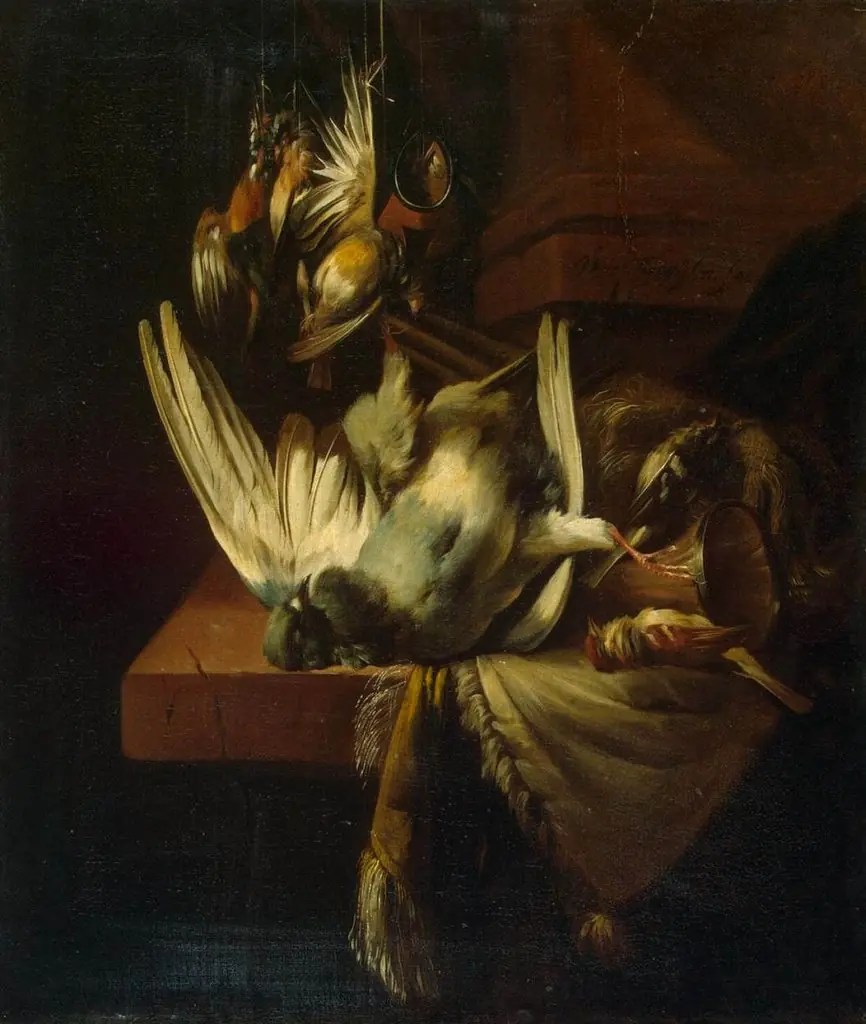
Dead Game is an oil painting by the Dutch Golden Age artist Ferdinand Bol. It dates from 1646 and is held in the collection of the Hermitage Museum.
About this work
Overview
Ferdinand Bol’s 1646 oil painting *Dead Game* belongs to the Dutch Golden Age tradition of still‑life. Executed in the mid‑17th century, the work presents a quiet, realistic tableau of hunted birds arranged on a darkened surface, illuminated by a warm, directional light. The composition reflects the period’s interest in detailed observation and the moral undertones of mortality.
Subject & Meaning
The canvas shows several dead birds—a white bird with a fresh wound on its neck, a brown bird suspended from a hook, and additional feathers scattered nearby. By foregrounding the lifeless game against a somber backdrop, the painting invites contemplation of the fleeting nature of life and the abundance derived from the hunt, themes common in Dutch still‑life symbolism.
Technique & Style
Bol employs chiaroscuro to model the forms, allowing the warm light to carve out volume and create a sense of three‑dimensionality. The subtle gradations of shadow against the dark background enhance the textures of plumage and flesh, while the restrained palette and careful brushwork convey a tactile realism characteristic of his training under Rembrandt.
History & Provenance
Created in 1646, *Dead Game* is among the relatively few surviving works by Bol, whose oeuvre is limited compared to his contemporaries. The painting entered the collection of the State Hermitage Museum in St. Petersburg, where it remains on display as part of the museum’s holdings of 17th‑century Dutch art.
Own this work as a print
Artist & collection
Artist
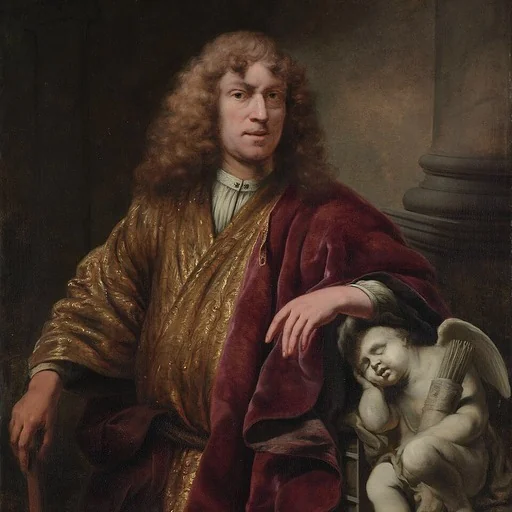
Ferdinand Bol (24 June 1616 - 24 August 1680) was a Dutch painter, etcher and draftsman.

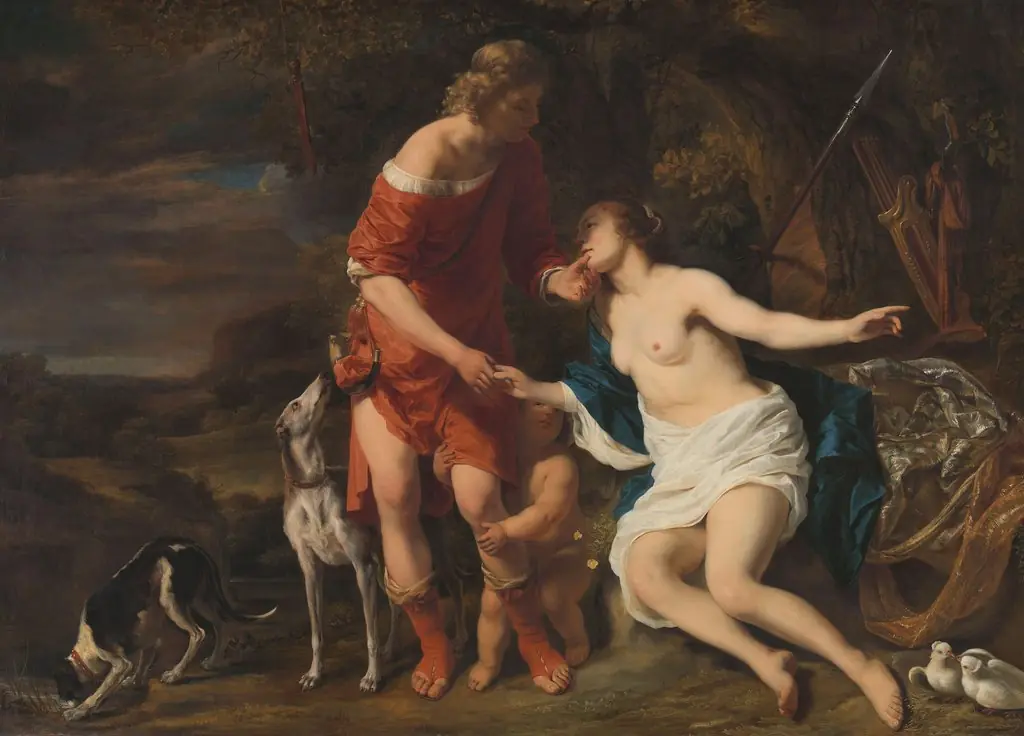 Venus and Adonis
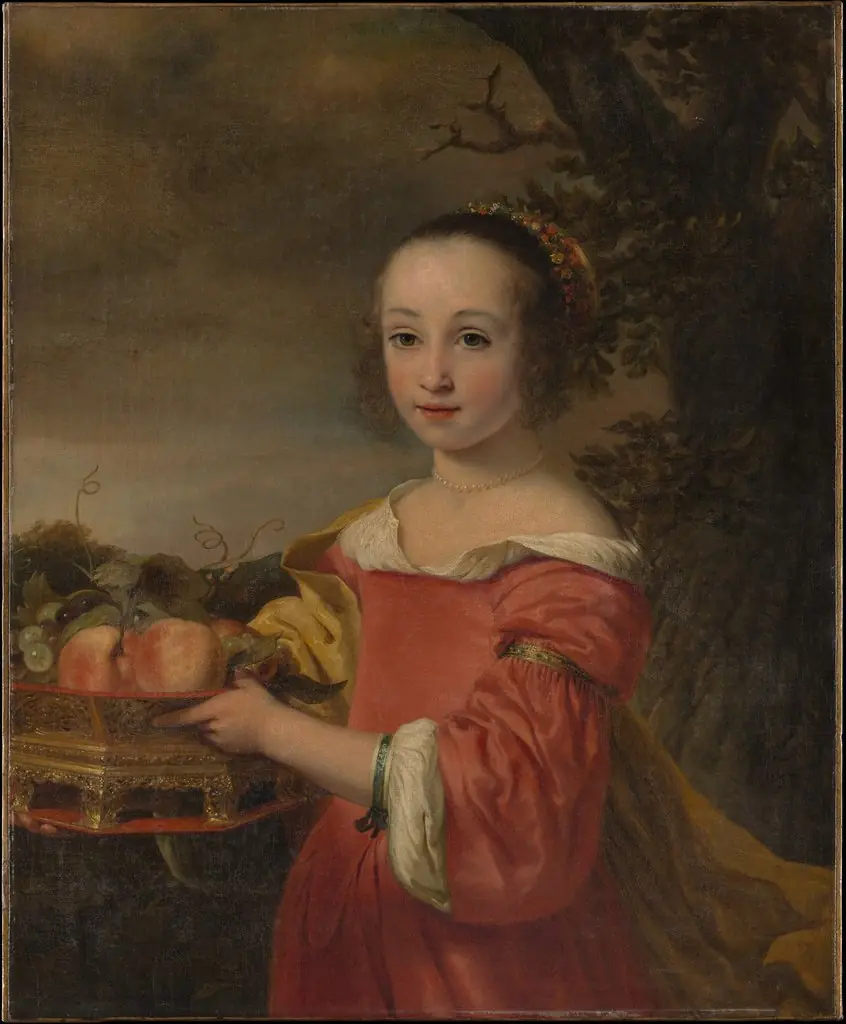 Petronella Elias (1648–1667) with a Basket of Fruit
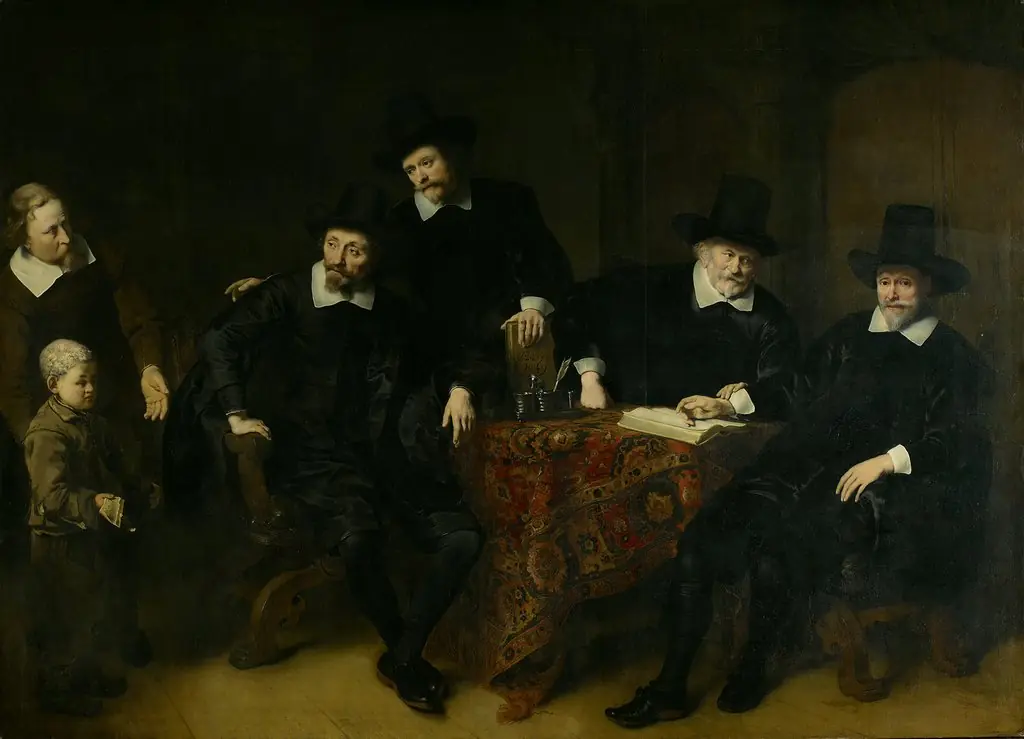 The Regents of the Leper's house in Amsterdam in 1649
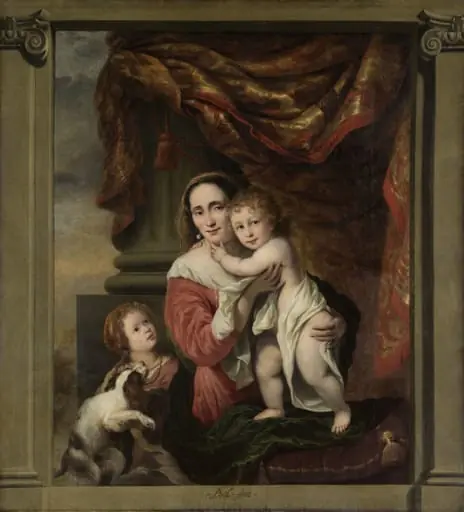 Caritas: Joanna de Geer (1629-1691) with her Children Cecilia Trip (1660-1728) and Laurens Trip (b. 1662)
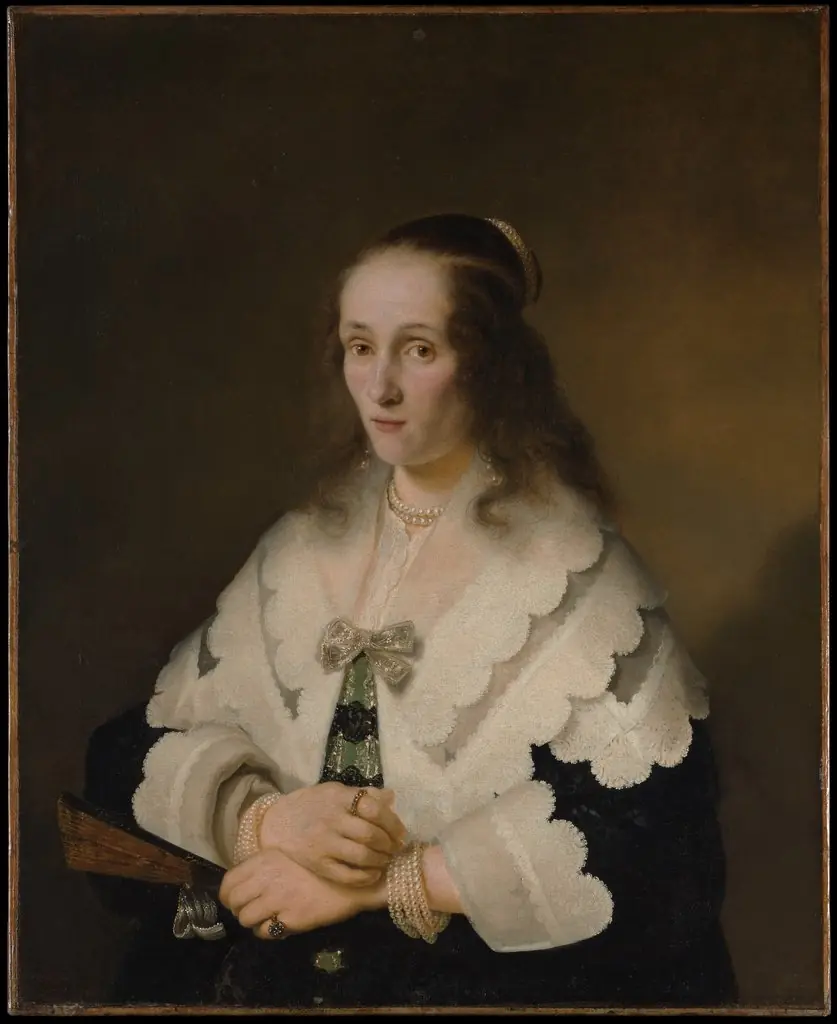 Portrait of a Woman
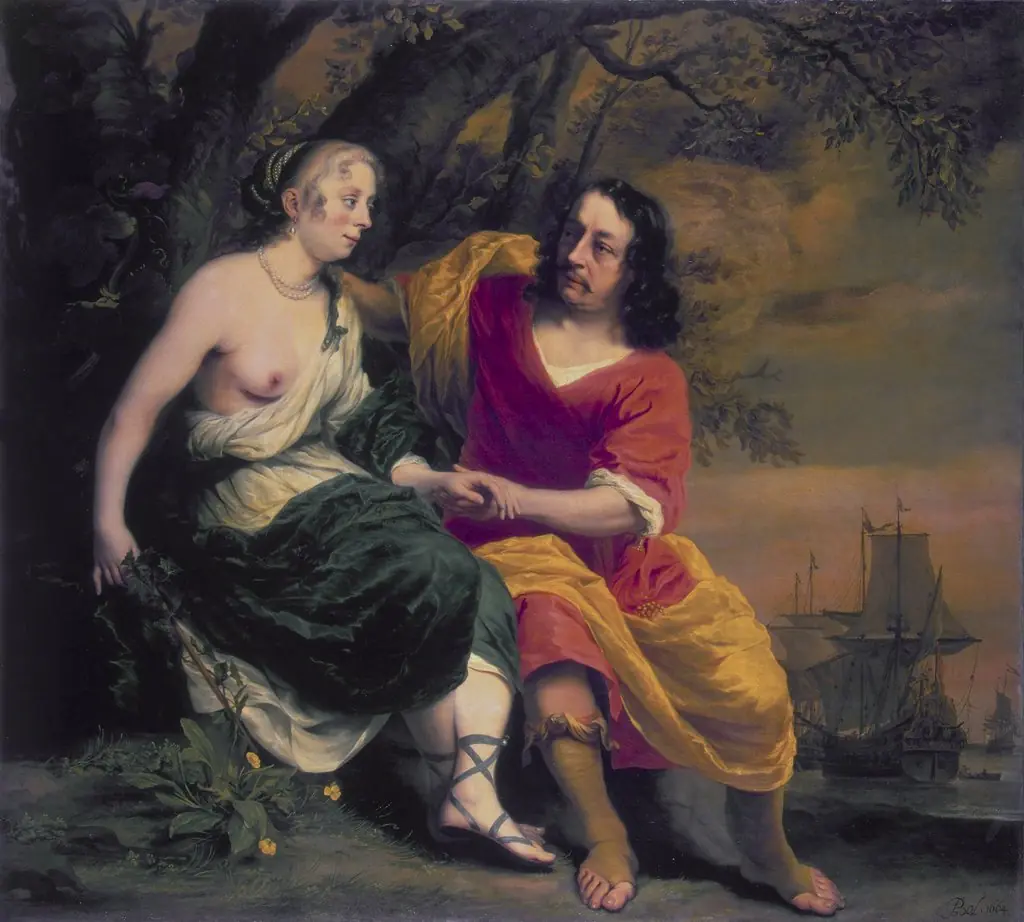 Bacchus and Ariadne
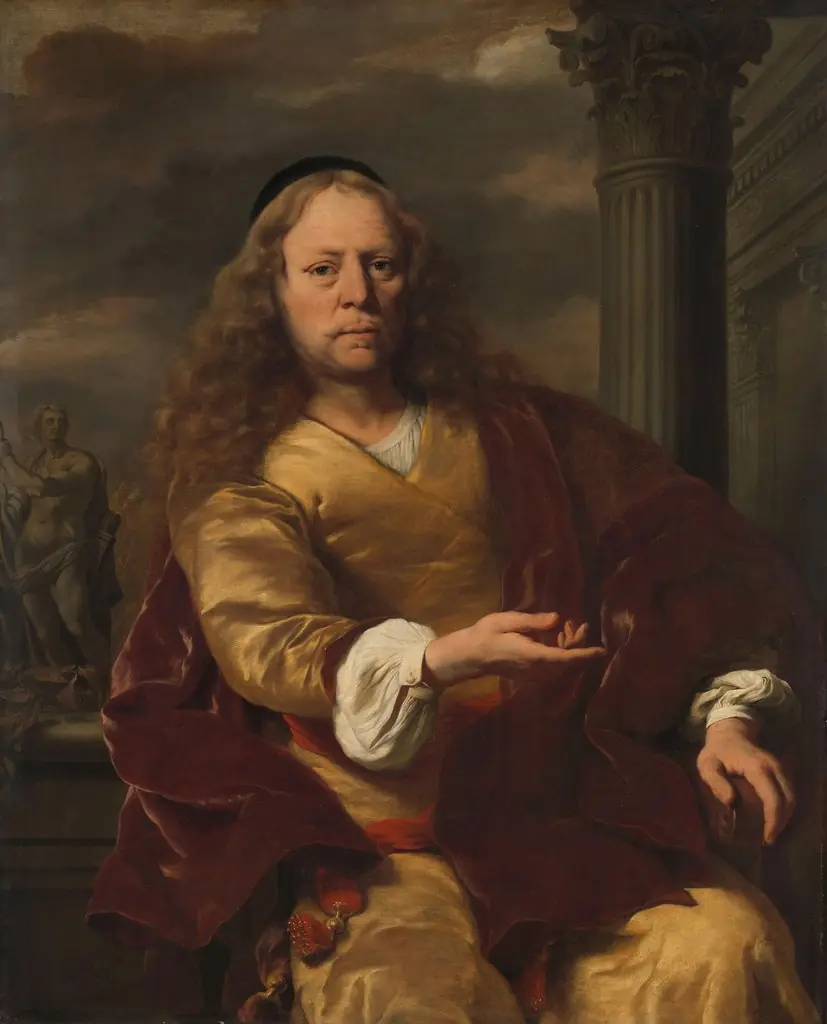 Portrait of a man
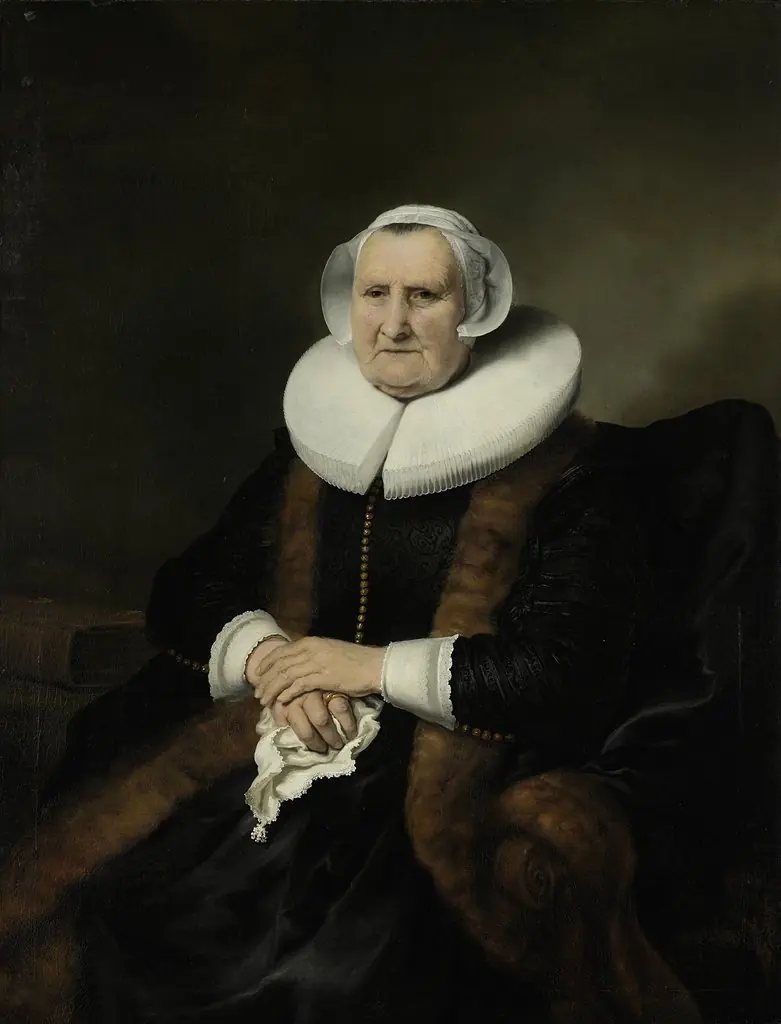 Portrait of an Old Lady, Possibly Elisabeth Bas