Artwork
The Holy Family in an Interior
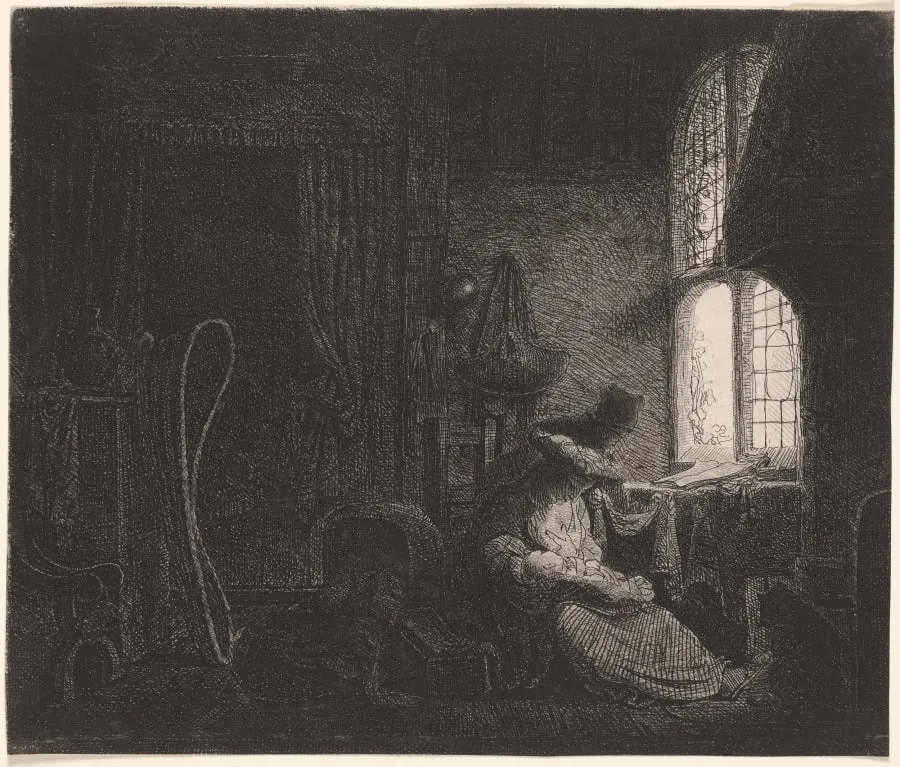
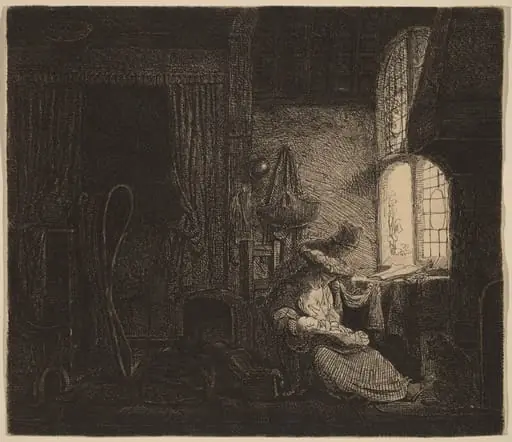
The Holy Family in an Interior is a print by the Baroque artist Ferdinand Bol. It dates from 1643 and is held in the collection of the Cleveland Museum of Art.
About this work
Overview
Ferdinand Bol created this etching shortly after departing Rembrandt’s studio, demonstrating his engagement with his former master’s visual language.
Ferdinand Bol created this etching shortly after departing Rembrandt’s studio, demonstrating his engagement with his former master’s visual language. The scene unfolds in a modest Dutch interior, rendered with careful attention to domestic detail and atmospheric depth. Bol uses the etching medium to explore light and shadow, transforming a biblical subject into an intimate, grounded moment within everyday life.
Subject & Meaning
The Holy Family is depicted in a quiet, unidealized domestic setting: Mary nurses the infant Jesus while Joseph holds a swaddling cloth nearby. The absence of halos or celestial elements grounds the sacred in the ordinary. The presence of infant care items—bassinet, nursing basket, and cloth—emphasizes human tenderness, suggesting divine presence within the routines of family life rather than in grandeur.
Technique & Style
Bol employs broad, intersecting etched lines to build tone and texture, creating deep shadows that envelop most of the room. A single window casts directional light, illuminating the figures and a small desk with an open book. The contrast between illuminated details and surrounding darkness reflects chiaroscuro, a technique inherited from Rembrandt, used here not for drama but for quiet focus and spatial coherence.
History & Provenance
Executed in 1638, the print dates from Bol’s transition from pupil to independent artist. It reflects his immediate post-apprenticeship engagement with Rembrandt’s compositional strategies, particularly the use of interior settings for religious narratives. The work was likely produced for a growing market of collectors interested in intimate, emotionally resonant prints rather than large-scale altarpieces.
Context
In mid-17th century Holland, religious imagery was increasingly rendered in domestic contexts, aligning with Protestant values that emphasized personal devotion. Bol’s choice to place the Holy Family in a typical Dutch home mirrors broader cultural trends favoring realism and moral quietude over theatricality. The inclusion of everyday objects signals a shift toward viewing sacred stories through the lens of lived experience.
Legacy
This print stands as an early example of Bol’s ability to adapt Rembrandt’s innovations while developing his own restrained aesthetic. Though less celebrated than his teacher’s works, it contributed to the broader acceptance of biblical scenes in domestic settings within Dutch print culture. Its quiet intimacy influenced later artists exploring the spiritual potential of ordinary interiors.
Artist & collection
Artist
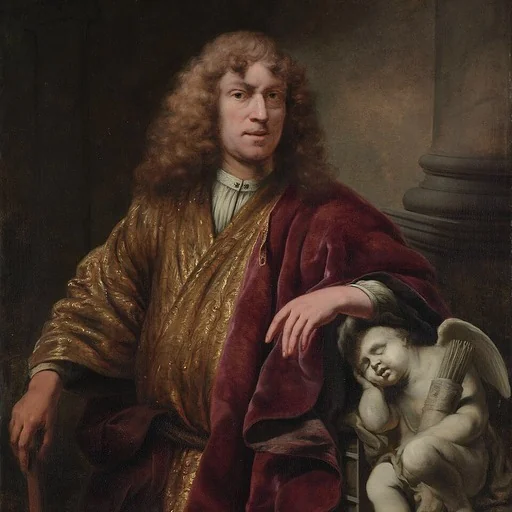
Ferdinand Bol (24 June 1616 - 24 August 1680) was a Dutch painter, etcher and draftsman.

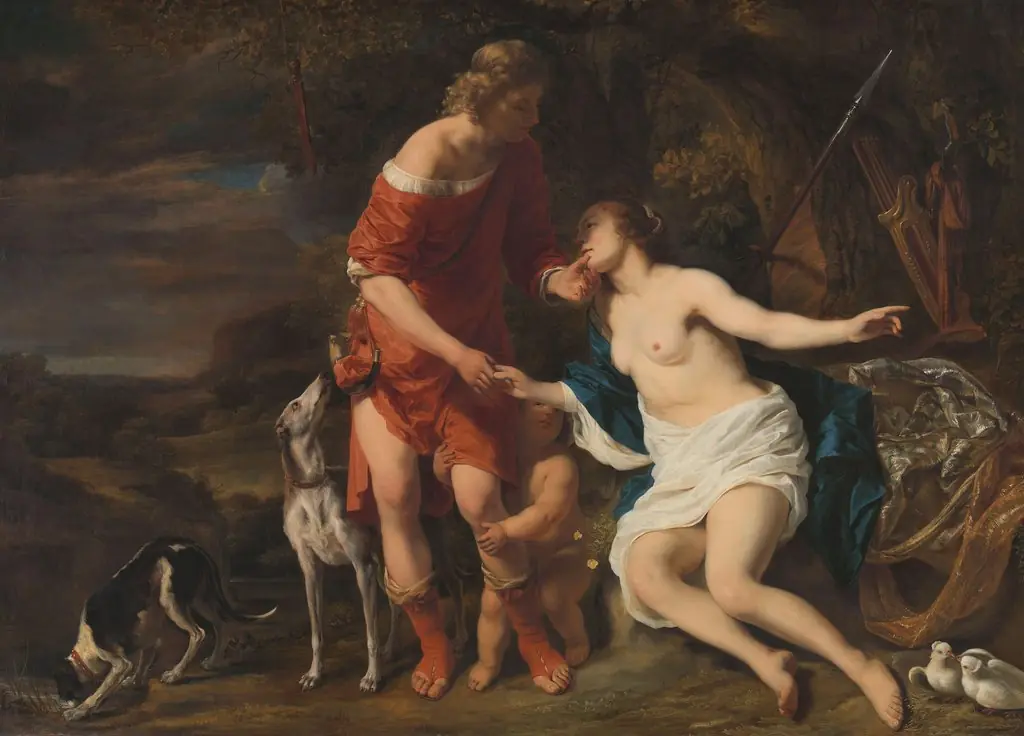 Venus and Adonis
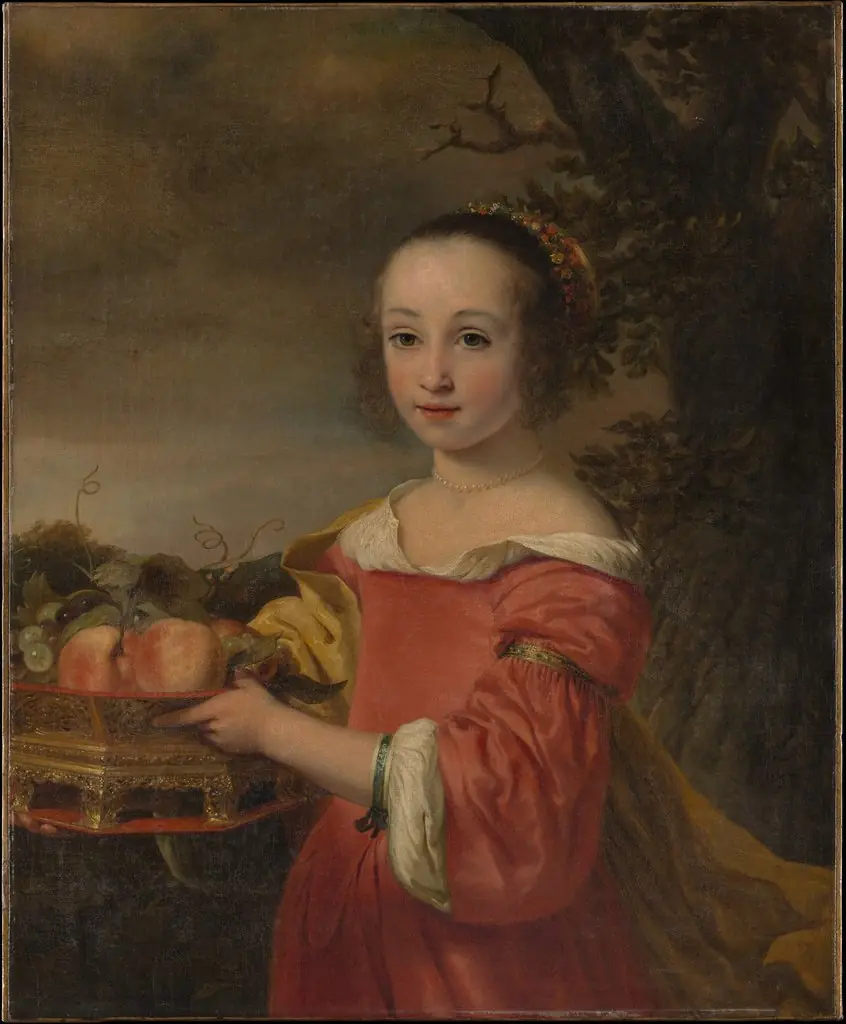 Petronella Elias (1648–1667) with a Basket of Fruit
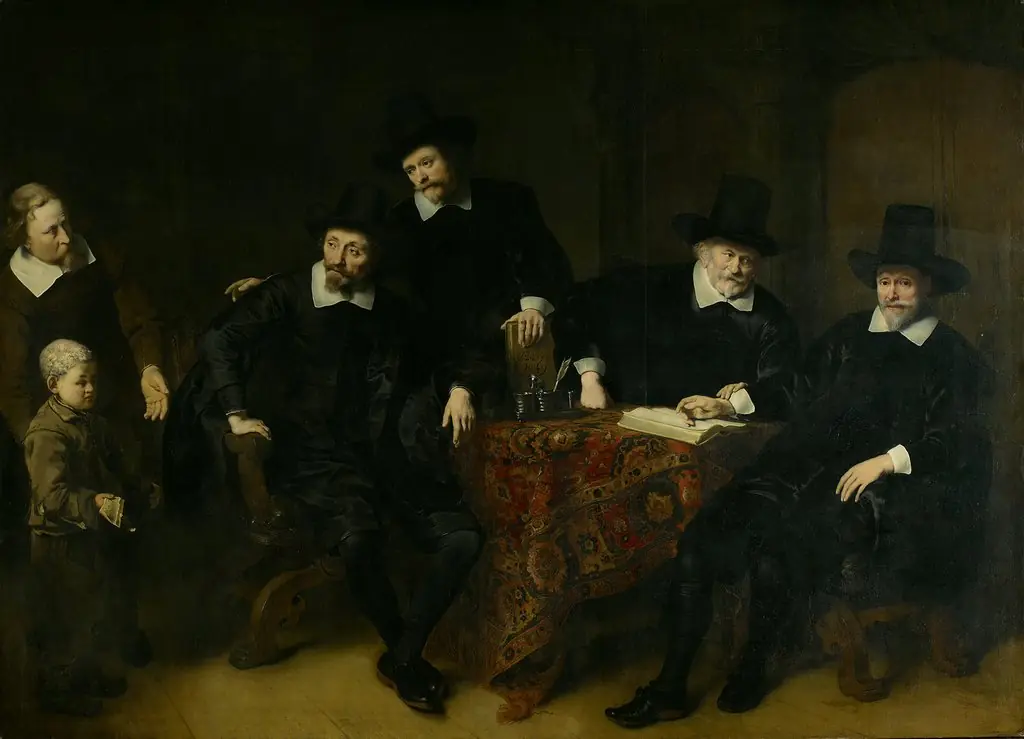 The Regents of the Leper's house in Amsterdam in 1649
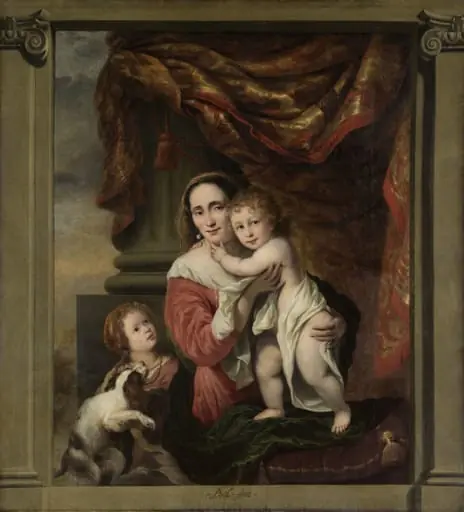 Caritas: Joanna de Geer (1629-1691) with her Children Cecilia Trip (1660-1728) and Laurens Trip (b. 1662)
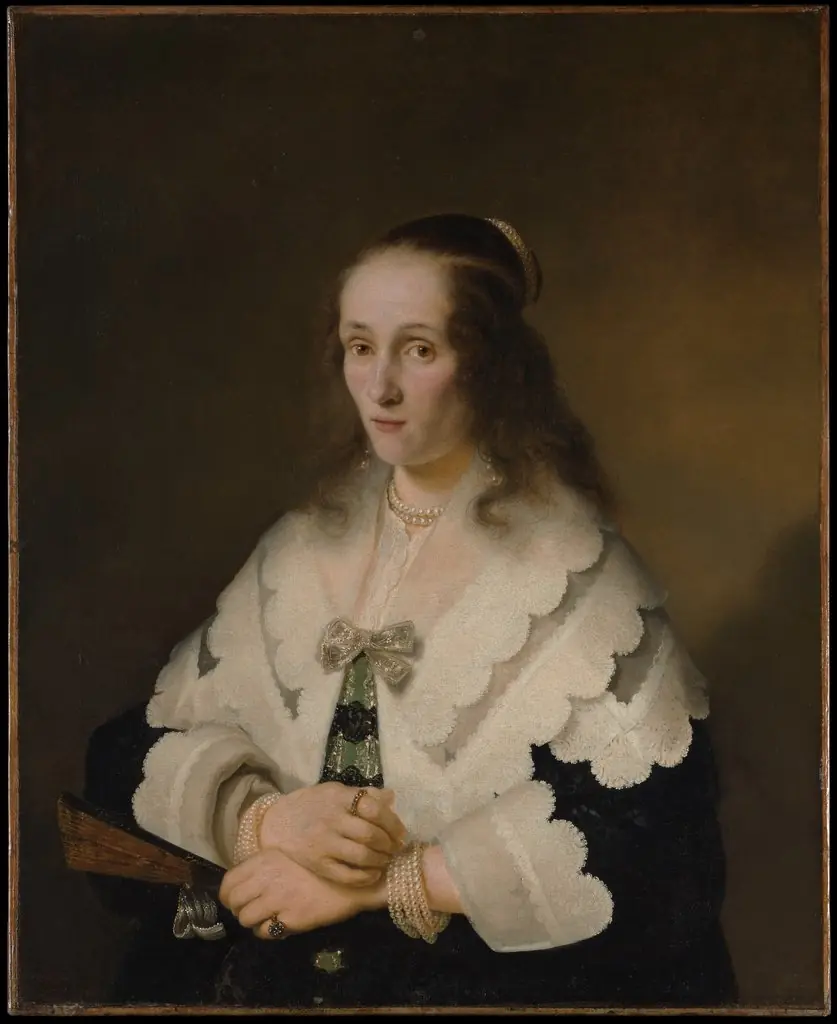 Portrait of a Woman
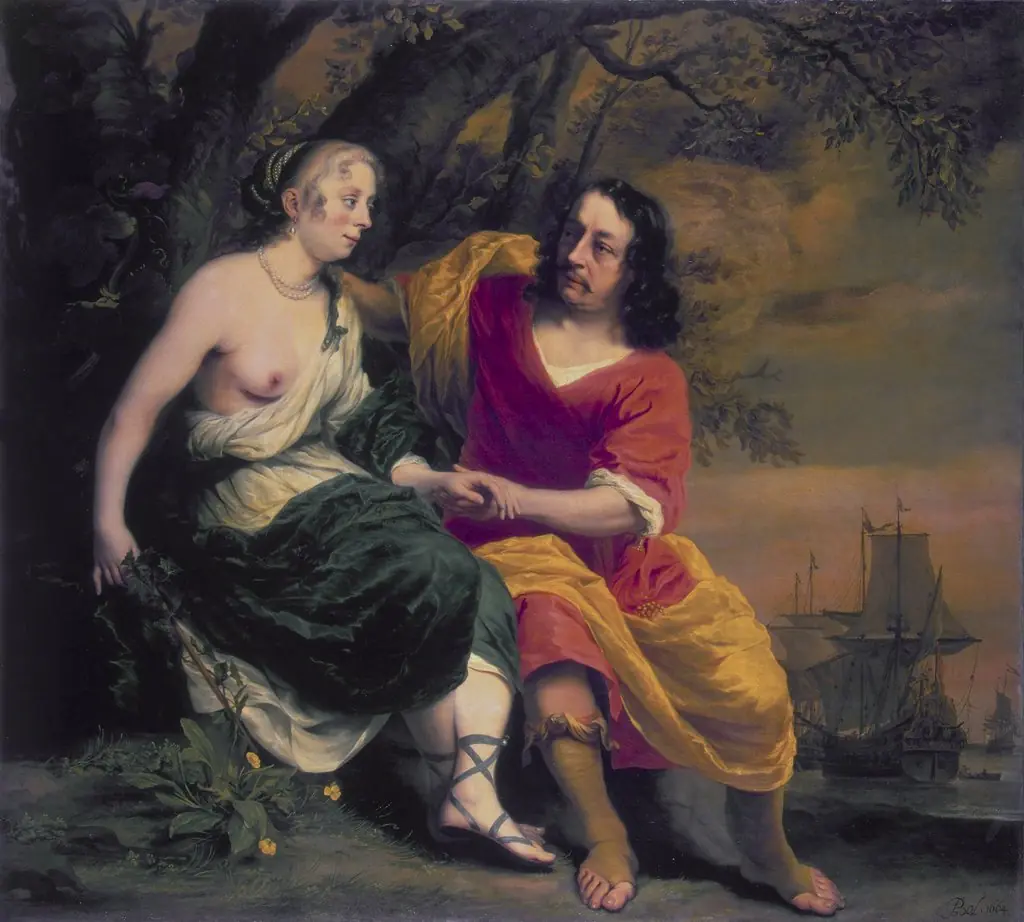 Bacchus and Ariadne
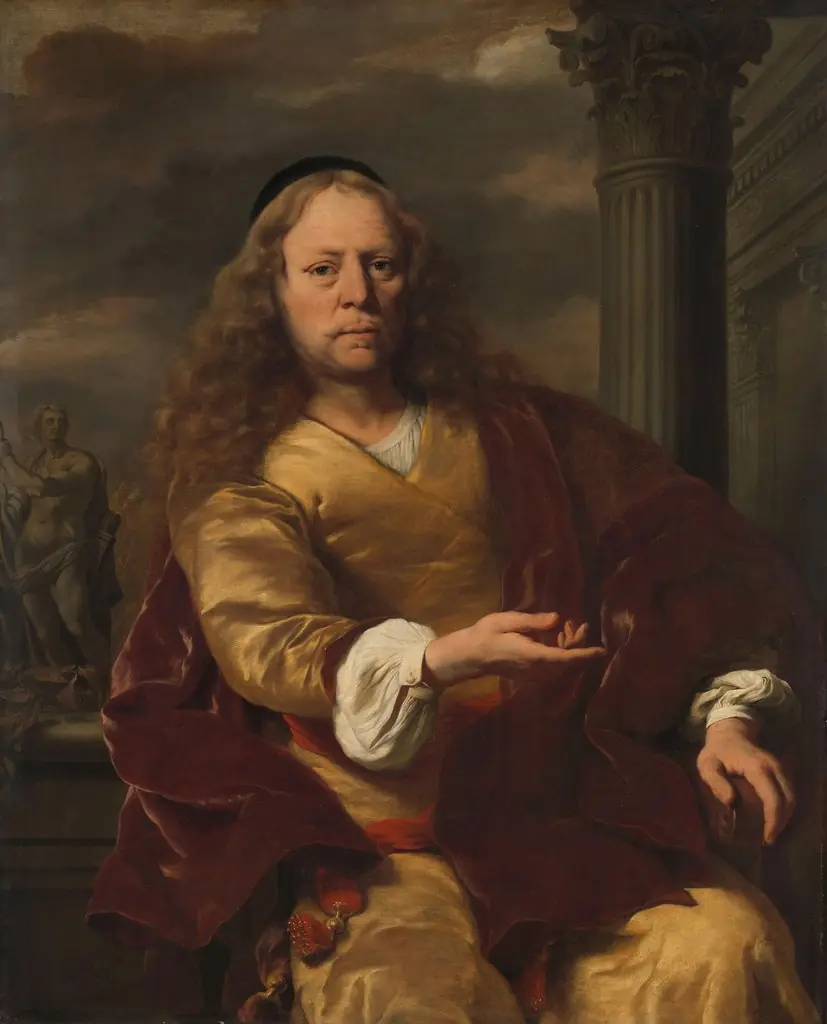 Portrait of a man
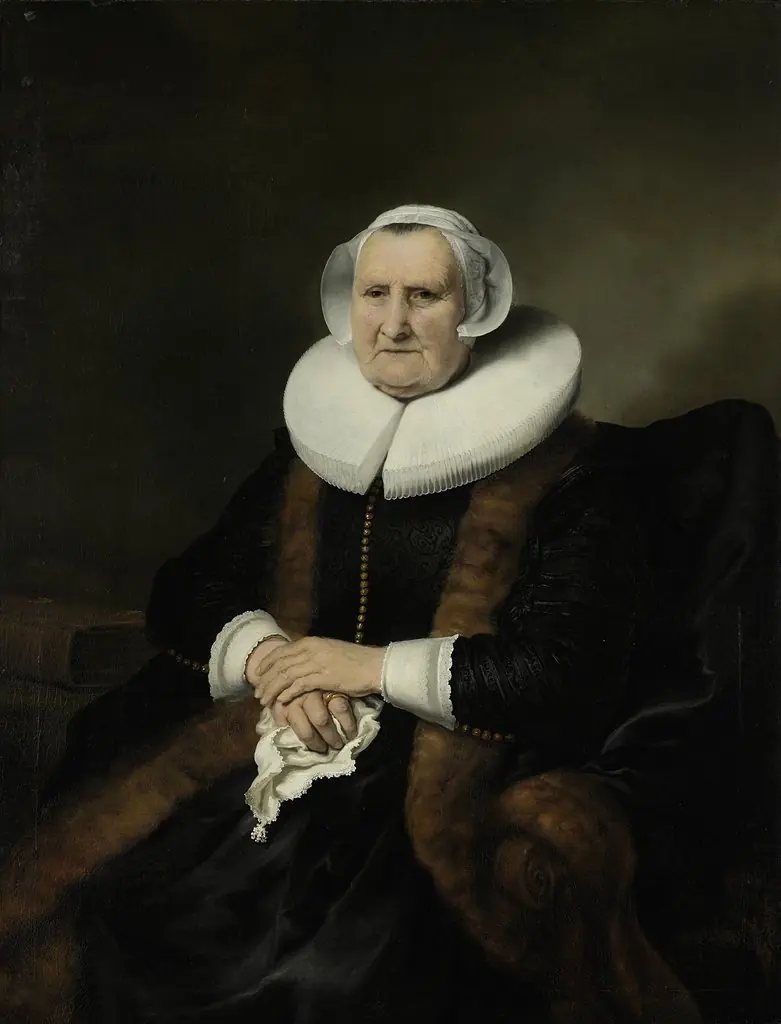 Portrait of an Old Lady, Possibly Elisabeth Bas
 The Family in the Room
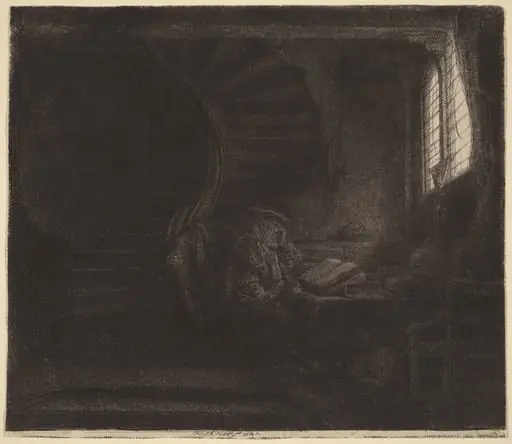 Saint Jerome in a Dark Chamber
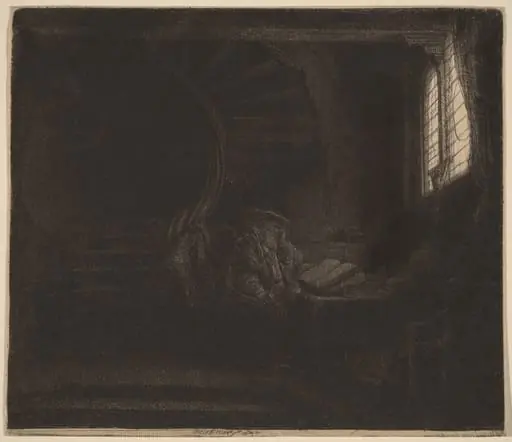 St. Jerome in a Dark Chamber
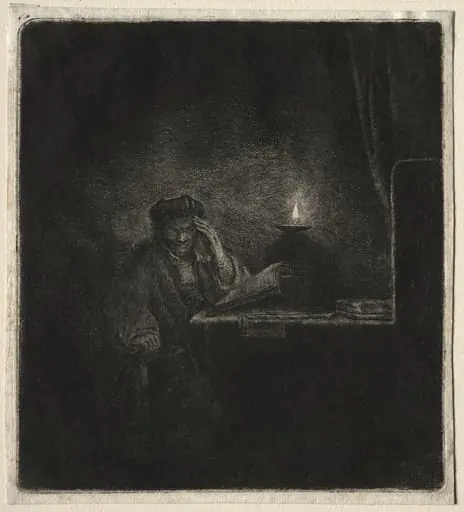 Copy of Student at a Table by Candelight
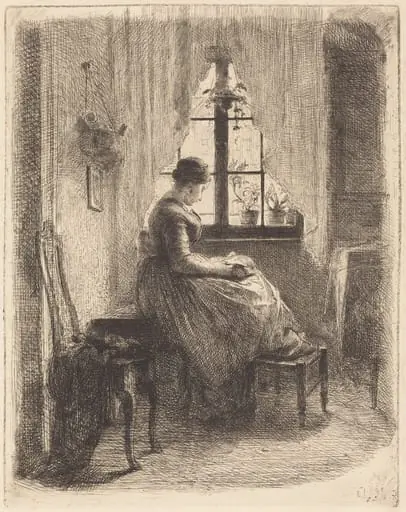 Young Woman Reading by a Window
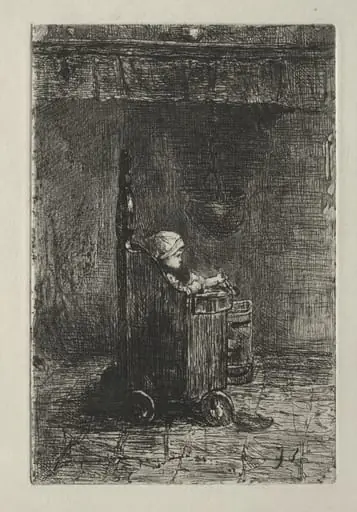 Baby in His Chair
 Student at a Table by Candlelight
 The Artist in His Mother's Room, Danzig
 Interior of a Farmhouse
 The Fortune Teller
 Faust
Faust Essay on Stone with Brush and Scraper: Woman Reading at the Fireside