Artwork
Judah and Tamar
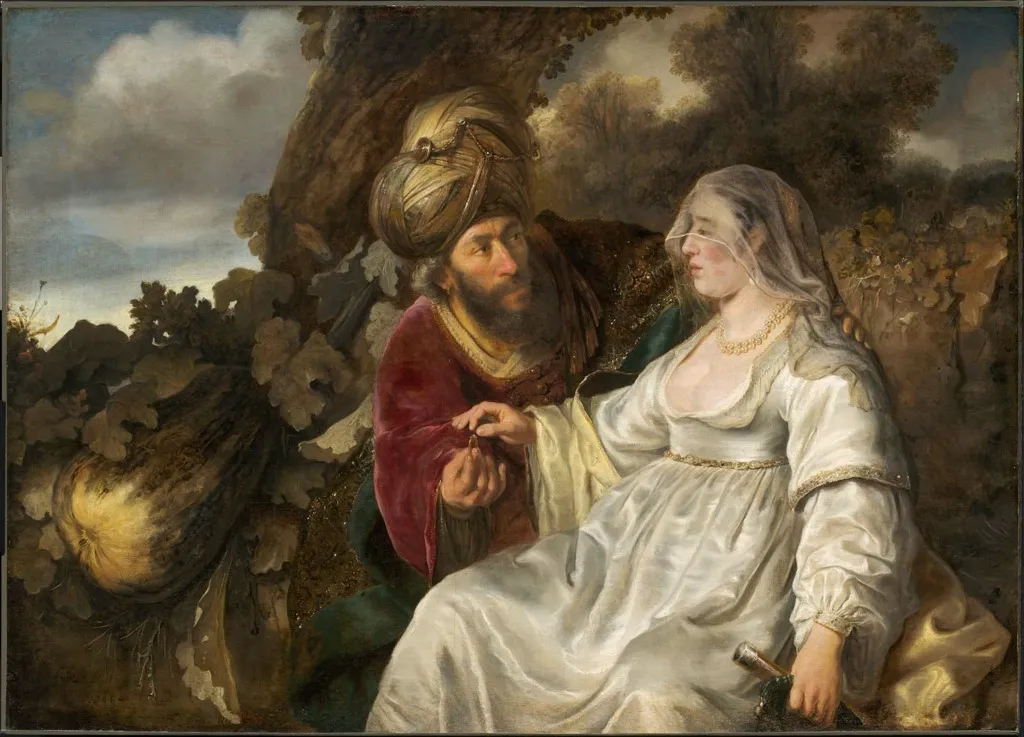
Judah and Tamar is an oil painting by the Dutch Golden Age artist Ferdinand Bol. It dates from 1644 and is held in the collection of the Museum of Fine Arts Boston.
About this work
Overview
Ferdinand Bol's 1644 painting 'Judah and Tamar' is a representative work of the Dutch Golden Age, a period of significant cultural and artistic growth in the Netherlands. Executed in oil paint, it showcases Bol's skill in rendering historical and religious subjects.
Subject & Meaning
The painting depicts a scene from a biblical narrative, featuring Tamar and Judah. The figures are set outdoors, near rocky cliffs, with the woman dressed in a white gown with gold trim and the man wearing a red robe and tall hat.
Technique & Style
Bol's use of chiaroscuro, a technique that exploits contrasts between light and dark, creates a dramatic effect, drawing attention to the figures against the softer background. The artist's handling of light and shadow highlights the textures of the subjects' clothing and emphasizes their presence within the landscape.
History & Provenance
Created in 1644 by Ferdinand Bol, a pupil of Rembrandt, 'Judah and Tamar' reflects the influence of his master in its rich detail and dramatic figural composition. The work is characteristic of Bol's style, which was shaped by his training under Rembrandt.
Artist & collection
Artist
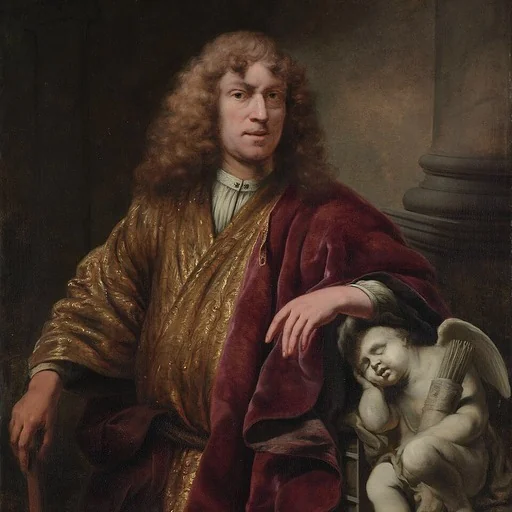
Ferdinand Bol (24 June 1616 - 24 August 1680) was a Dutch painter, etcher and draftsman.

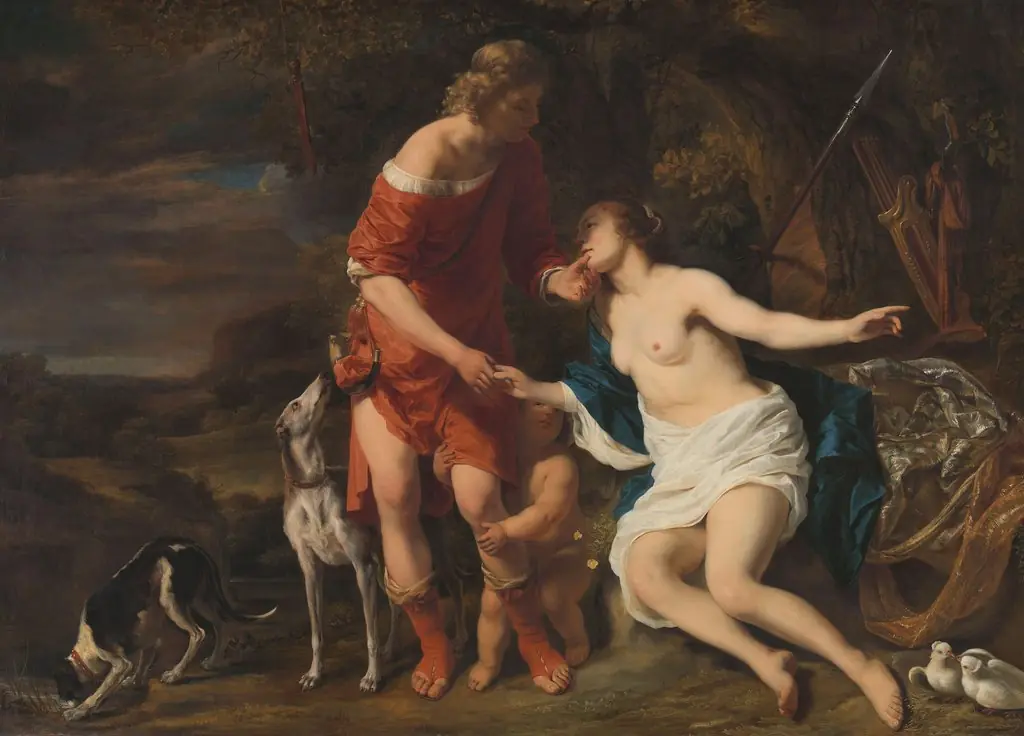 Venus and Adonis
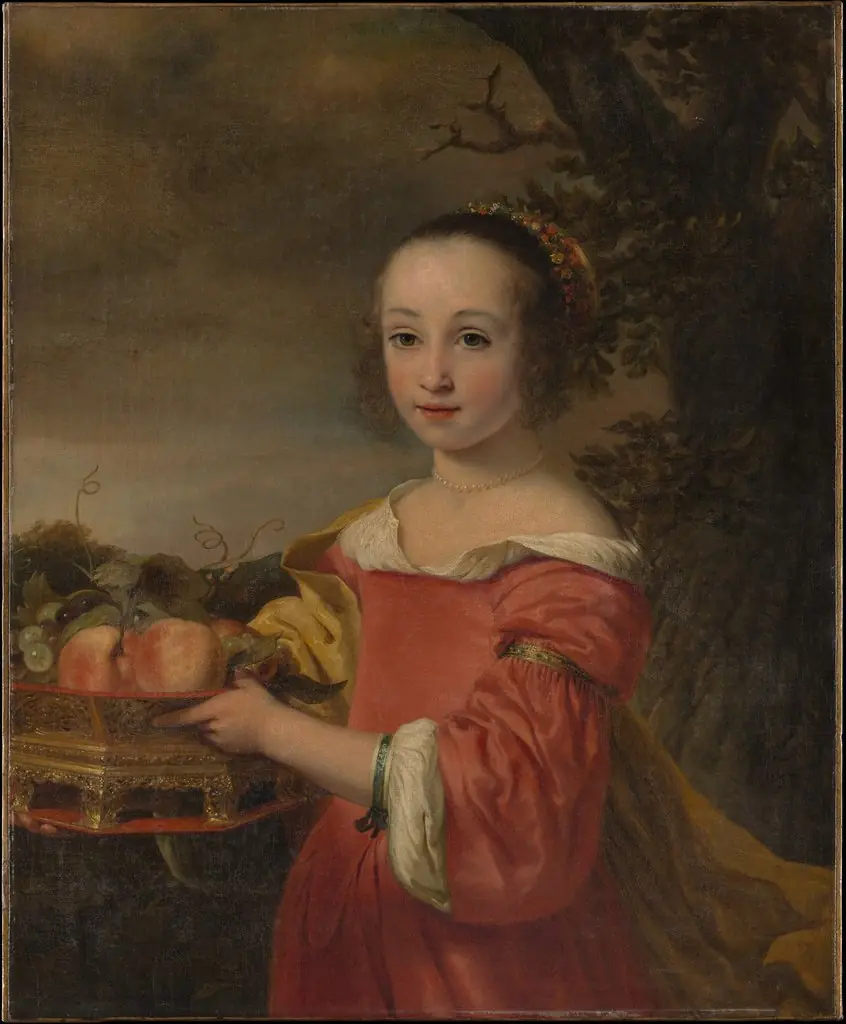 Petronella Elias (1648–1667) with a Basket of Fruit
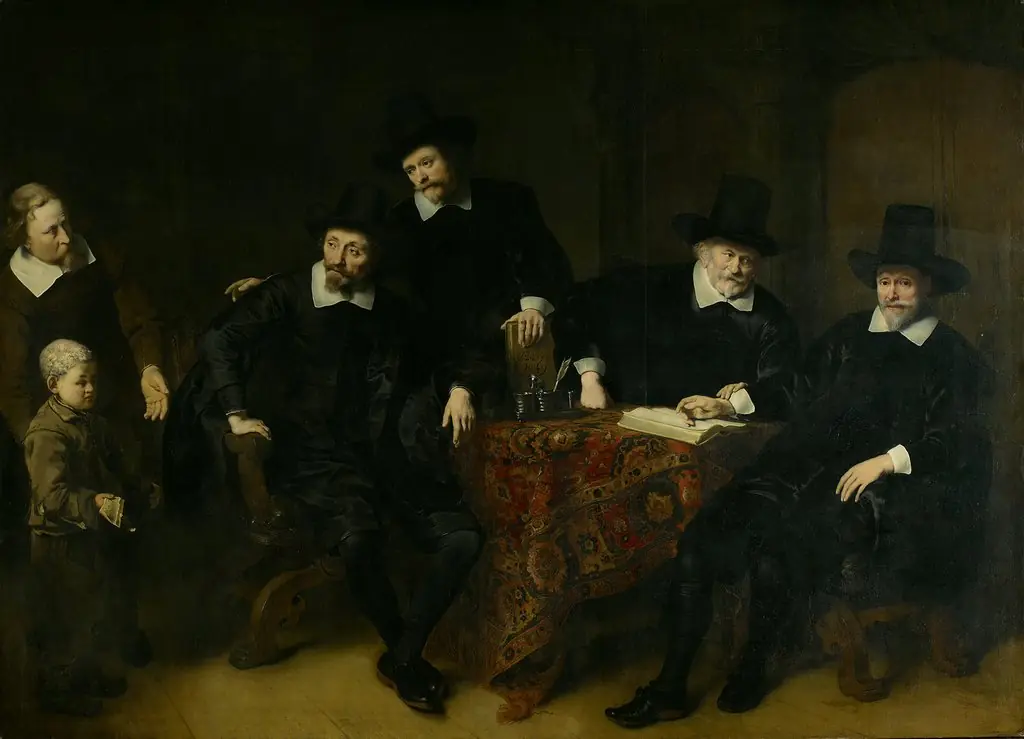 The Regents of the Leper's house in Amsterdam in 1649
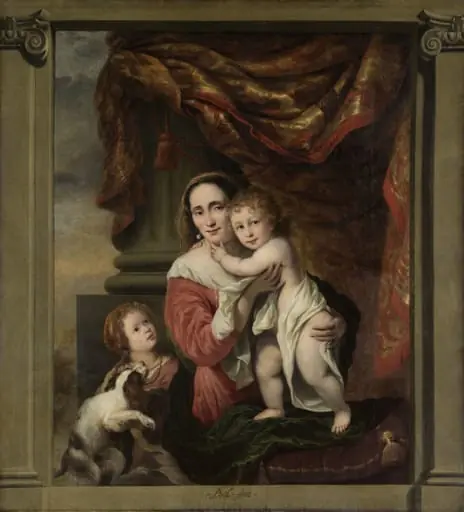 Caritas: Joanna de Geer (1629-1691) with her Children Cecilia Trip (1660-1728) and Laurens Trip (b. 1662)
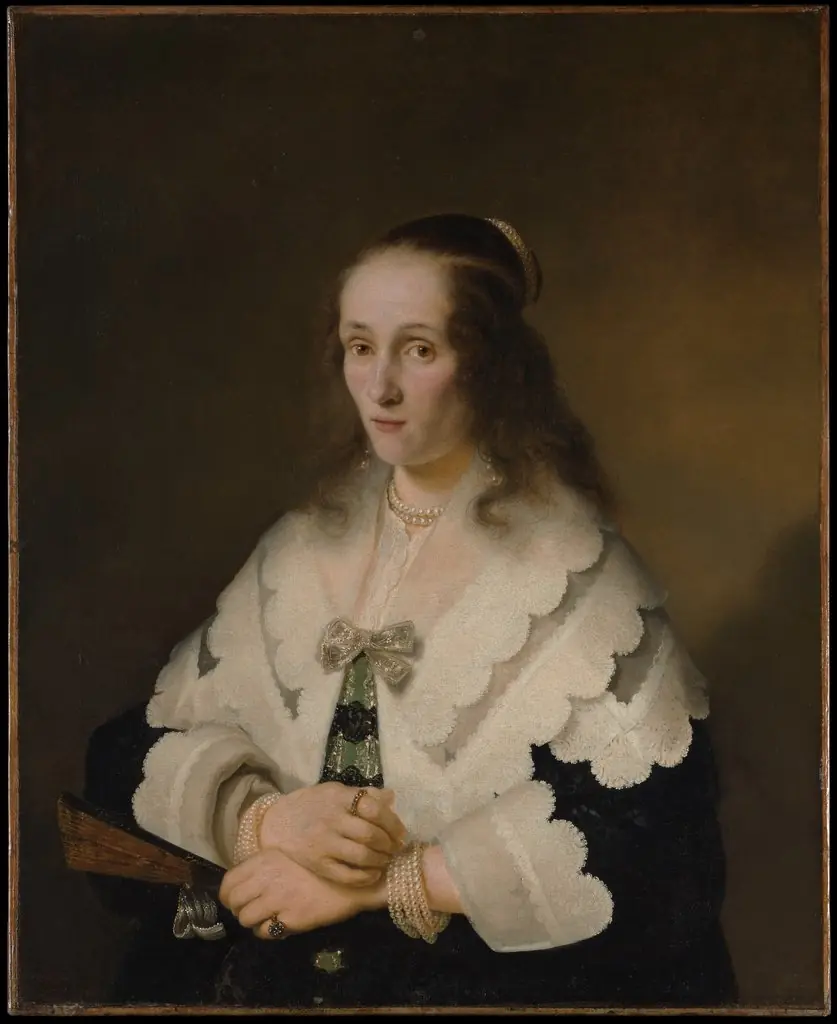 Portrait of a Woman
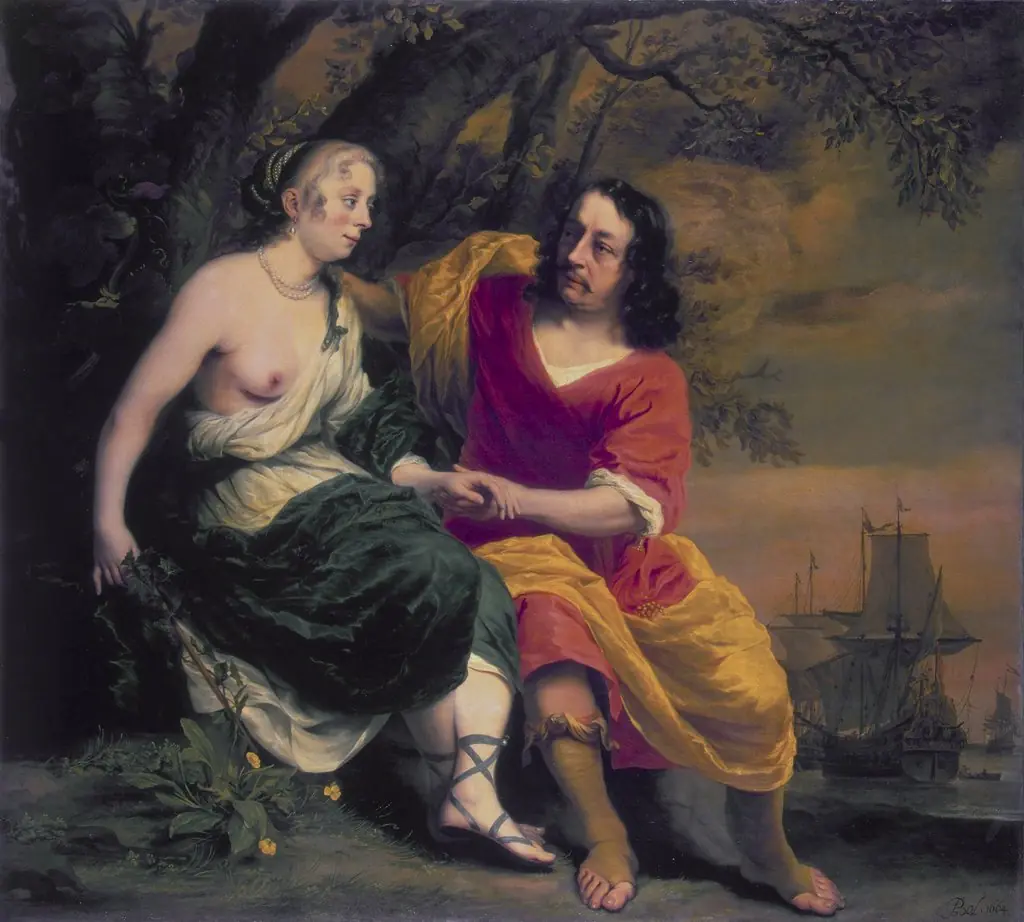 Bacchus and Ariadne
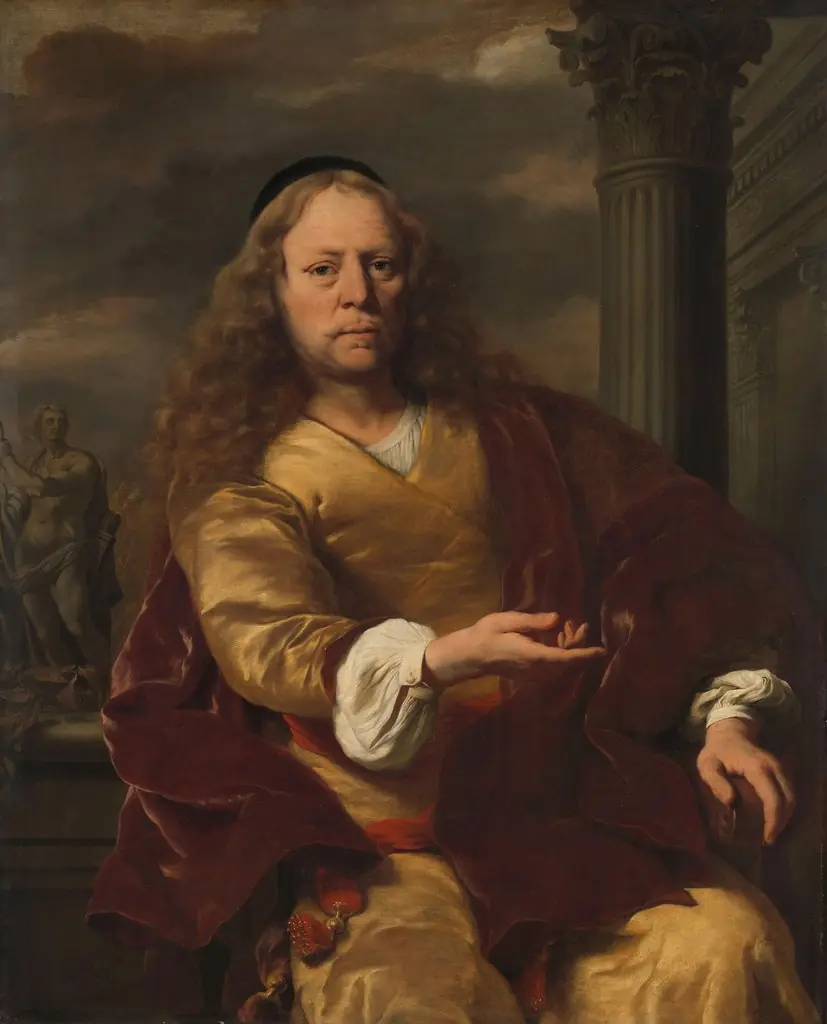 Portrait of a man
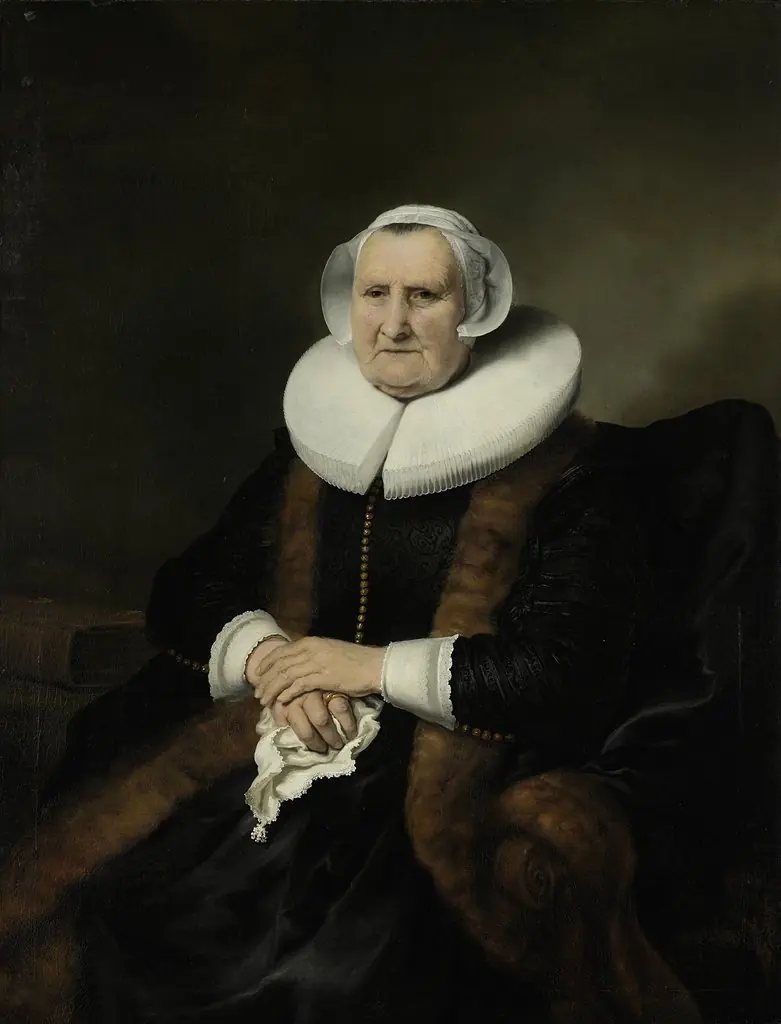 Portrait of an Old Lady, Possibly Elisabeth Bas
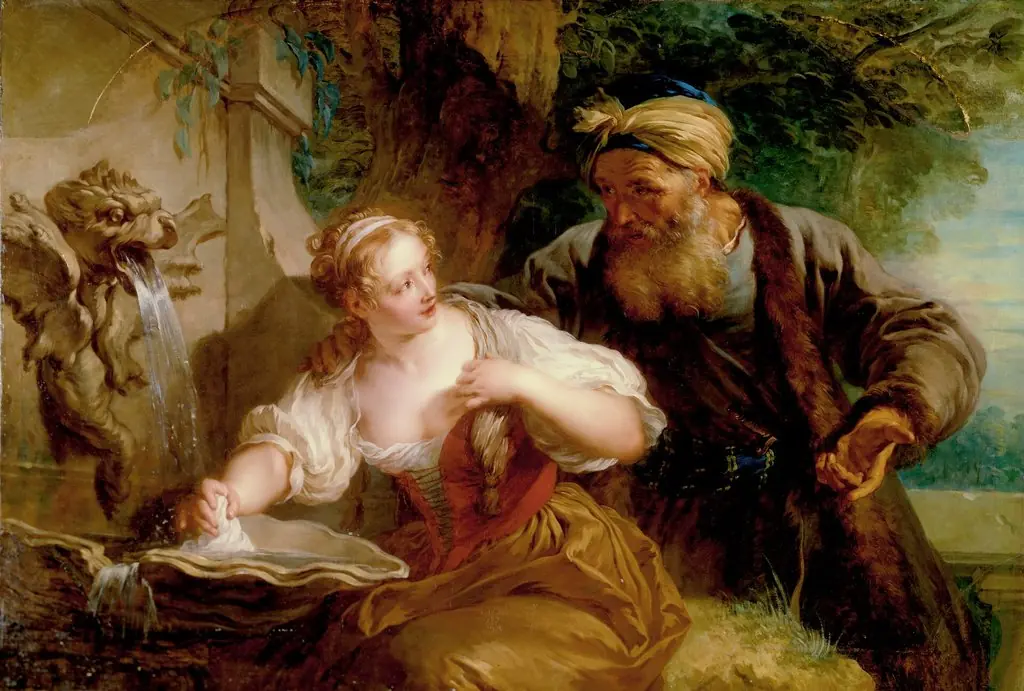 The Amorous Proposal
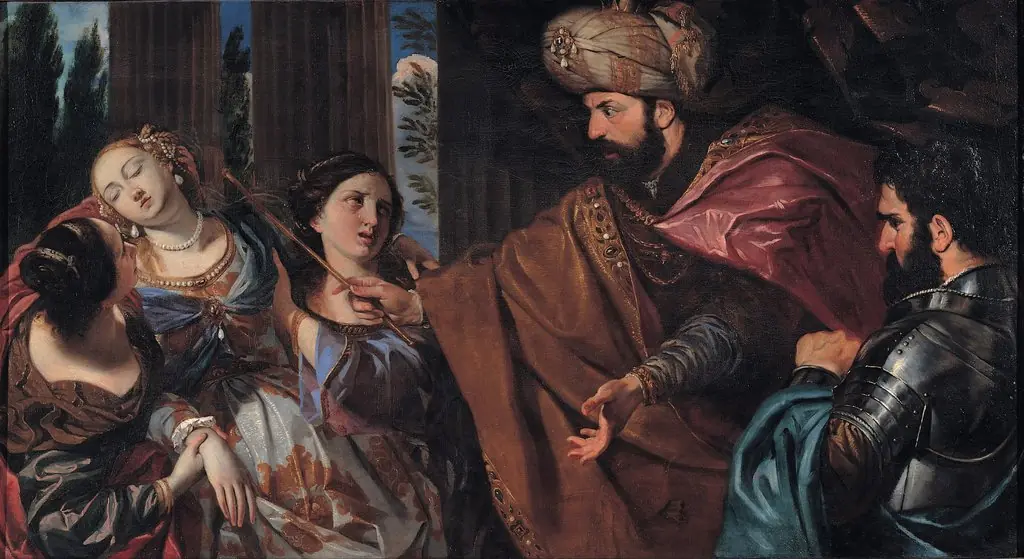 Esther before Ahasuerus
 Visit to a Palmist
 Bathing in an Oriental Harbour
 Bathing in an Oriental Harbour
 Hagar and Ishmael Banished by Abraham
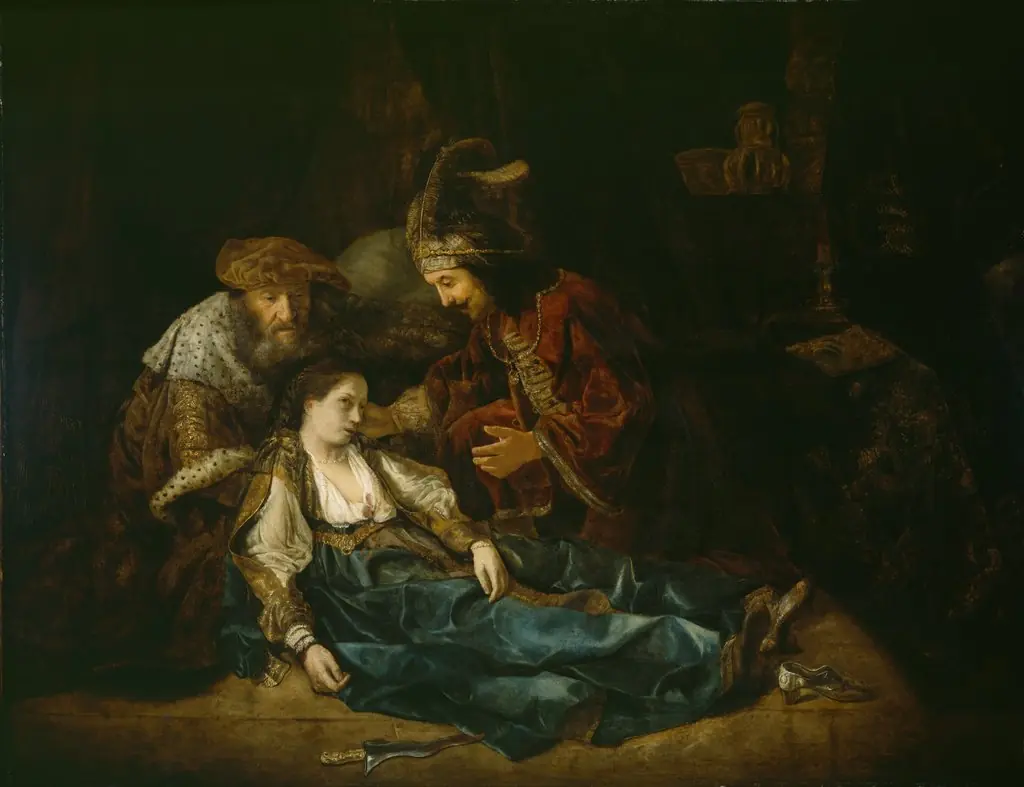 The Death of Lucretia
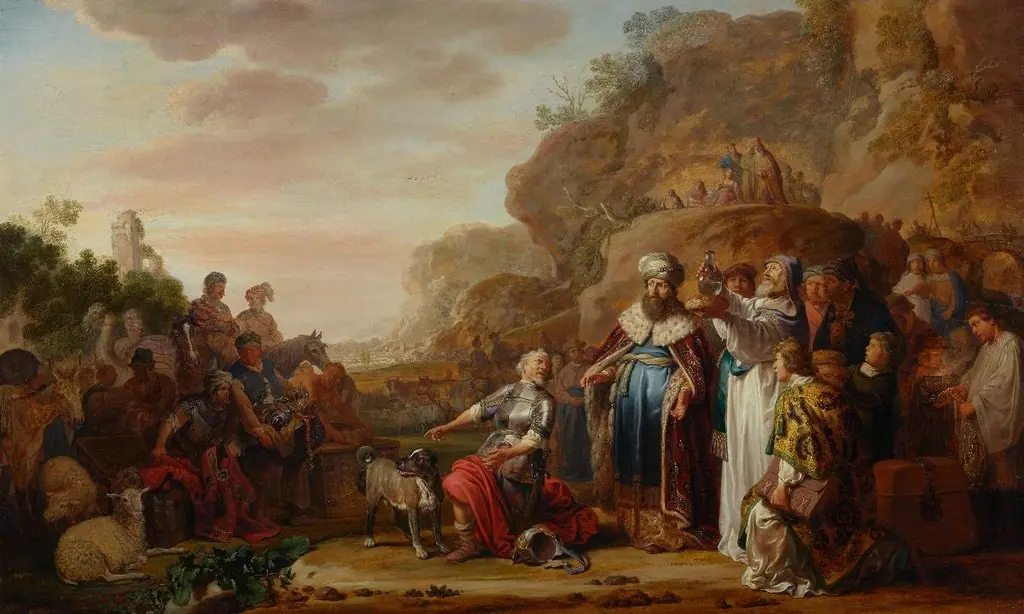 Abraham und Melchisedek
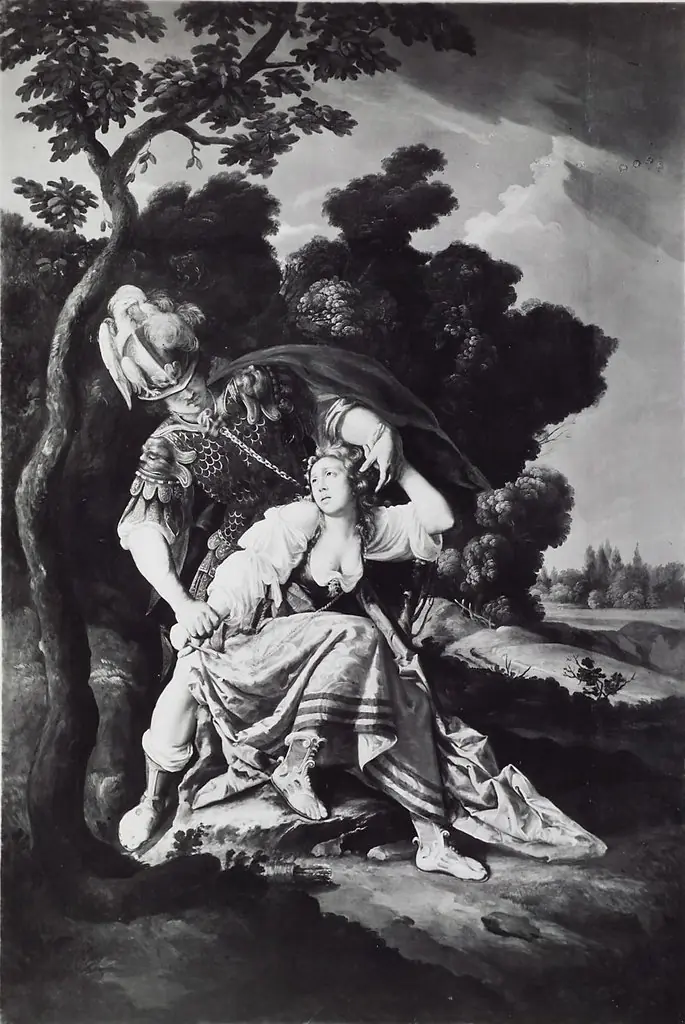 Rinaldo entwaffnet Armida
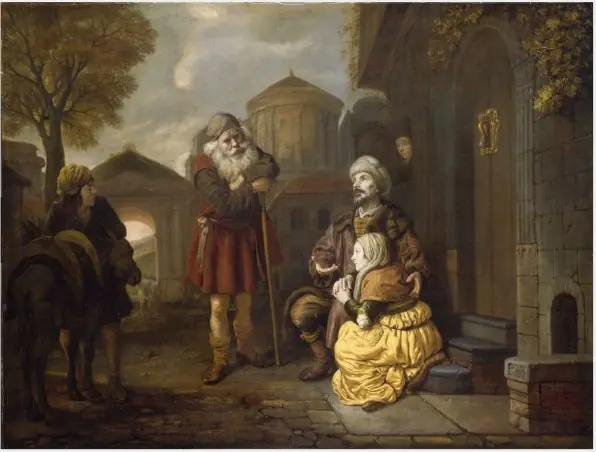 The Levite and his Concubine at Gibeah
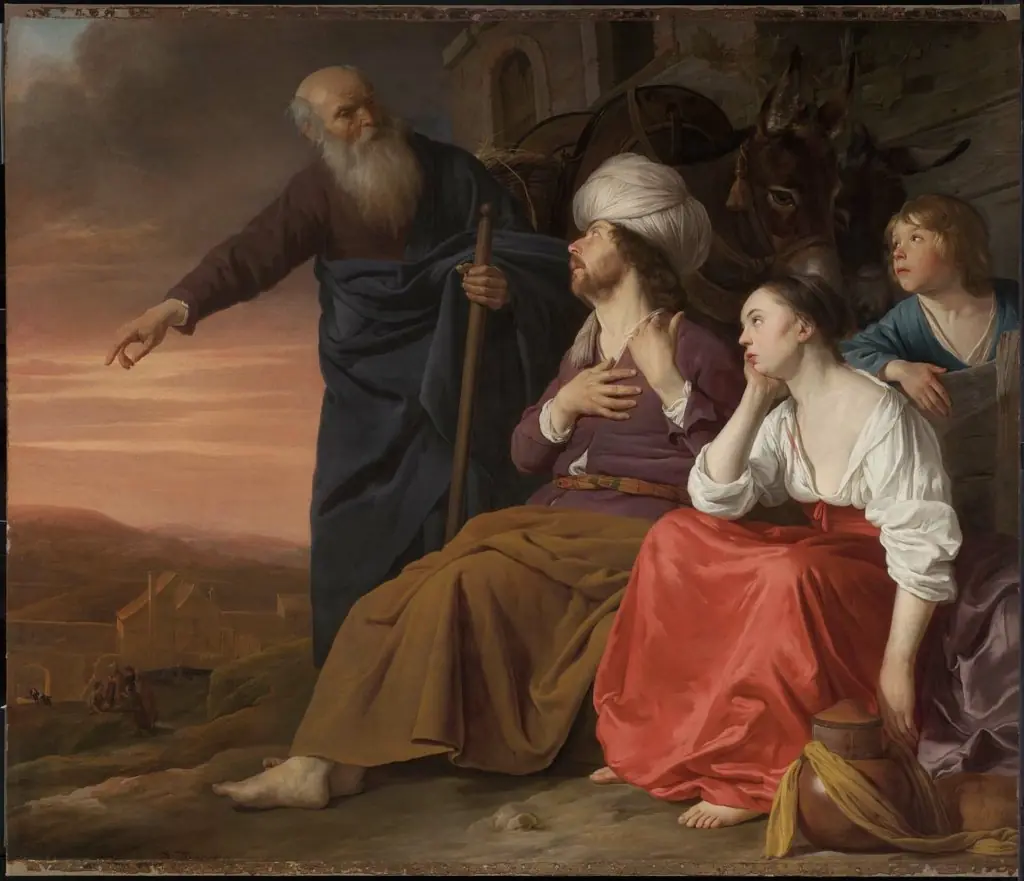 The Laborer of Gibea Offering Hospitality to the Levite and His Wife
 Untitled