Artwork
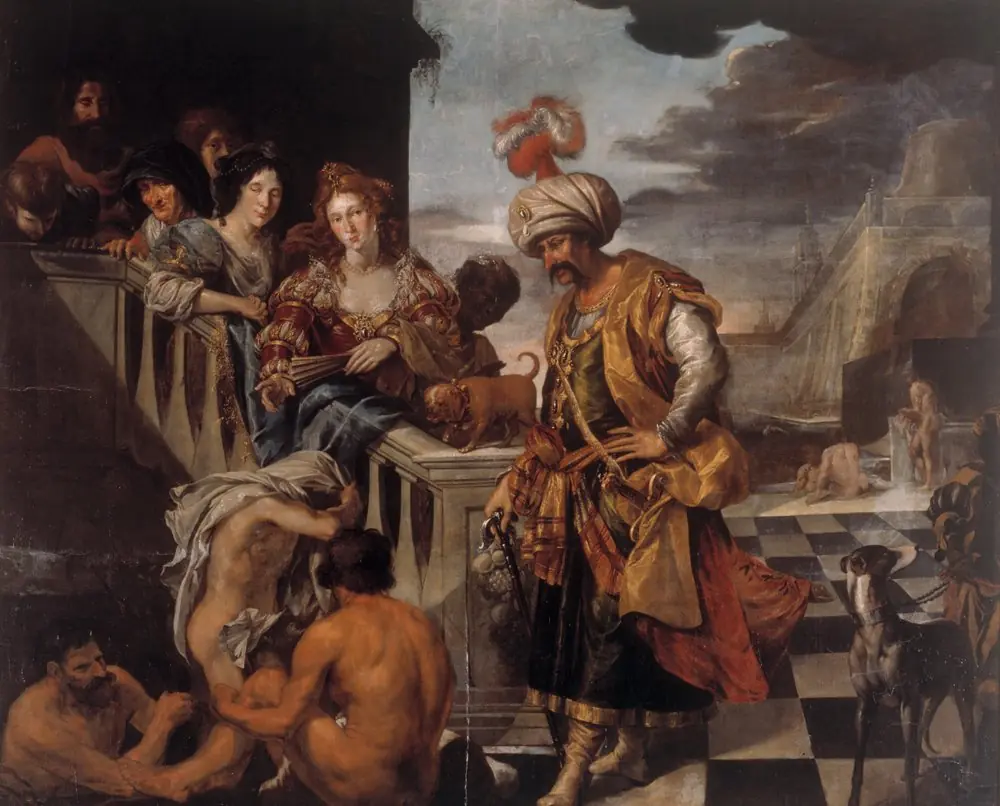
Bathing in an Oriental Harbour
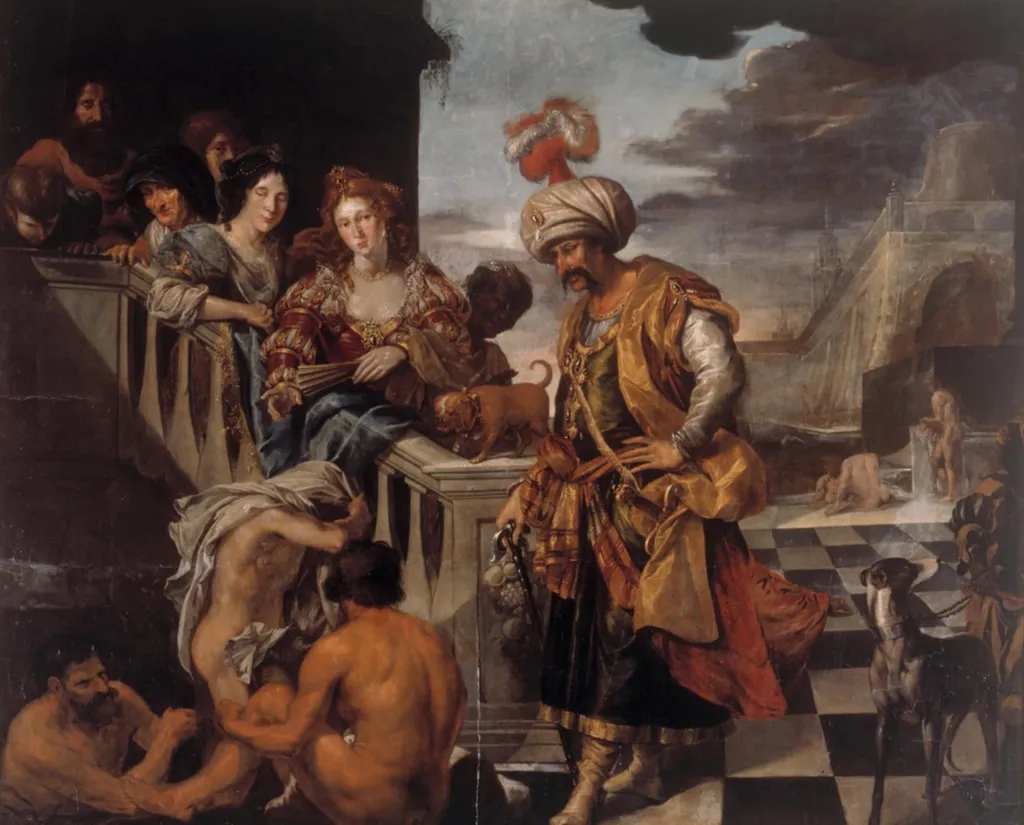
Bathing in an Oriental Harbour is a photography by Unknown. It dates from 1550 and is held in the collection of the Statens Museum for Kunst. Created around 1550, this image depicts a group of figures engaged in daily rituals beside a harbor in an Eastern setting.
About this work
Overview
Though labeled as a painting, its visual approach resembles early photographic composition, emphasizing naturalistic lighting and spatial depth.
Created around 1550, this image depicts a group of figures engaged in daily rituals beside a harbor in an Eastern setting. Though labeled as a painting, its visual approach resembles early photographic composition, emphasizing naturalistic lighting and spatial depth. The work is held in the collection of the Museum of Ethnography, where it is studied for its representation of cultural practices rather than its artistic lineage.
Subject & Meaning
The scene portrays individuals bathing, washing, and conversing along a waterfront, suggesting a moment of communal routine rather than ceremonial ritual. The absence of overt symbolism or narrative climax implies an intent to document everyday life. The figures’ relaxed postures and unidealized forms convey a sense of ordinary leisure, possibly reflecting a European observer’s fascination with perceived foreign customs.
Technique & Style
The image employs a flattened perspective and careful attention to surface detail, with figures rendered in soft, muted tones against a backdrop of architectural structures and moored vessels. Light is distributed evenly, minimizing dramatic shadows, which contributes to a documentary feel. The handling of form suggests an artist more concerned with observational accuracy than with classical ideals of beauty or movement.
History & Provenance
The work entered the Museum of Ethnography’s collection in the late 19th century, likely acquired during a period of increased European interest in non-Western cultures. Its attribution to a specific artist remains uncertain, and no contemporary records confirm its origin or commission. It was likely produced for private or scholarly circulation rather than public display.
Context
Created during a time when European artists and travelers increasingly documented foreign lands, this image aligns with a broader trend of ethnographic imagery. While not part of a formal artistic movement, it reflects the growing curiosity about Eastern societies, often filtered through a lens of exoticism. The harbor setting may reference Mediterranean or Near Eastern ports known to European merchants and pilgrims.
Legacy
Though not widely exhibited or reproduced, the image contributes to historical records of cross-cultural observation in the 16th century. It serves as a visual artifact of how non-European daily life was perceived and recorded by outsiders. Its preservation in an ethnographic museum underscores its role as a cultural document rather than a celebrated work of fine art.
Artist & collection

 Domestic Scene
 Giacomo and Cardinal Marco, investing Andrea, Abbot of San Zeno, with his Benefice
 The Nymph of Fontainebleau
 Portrait of a Woman
 Madonna and Child with Saints in the Enclosed Garden
 Venus and Minerva
 Family Group of Four on Sofa
 Wall painting from Room H of the Villa of P. Fannius Synistor at Boscoreale
 Adoration of the Magi
 Sacrifice of Iphigenia
 Esther before Ahasuerus
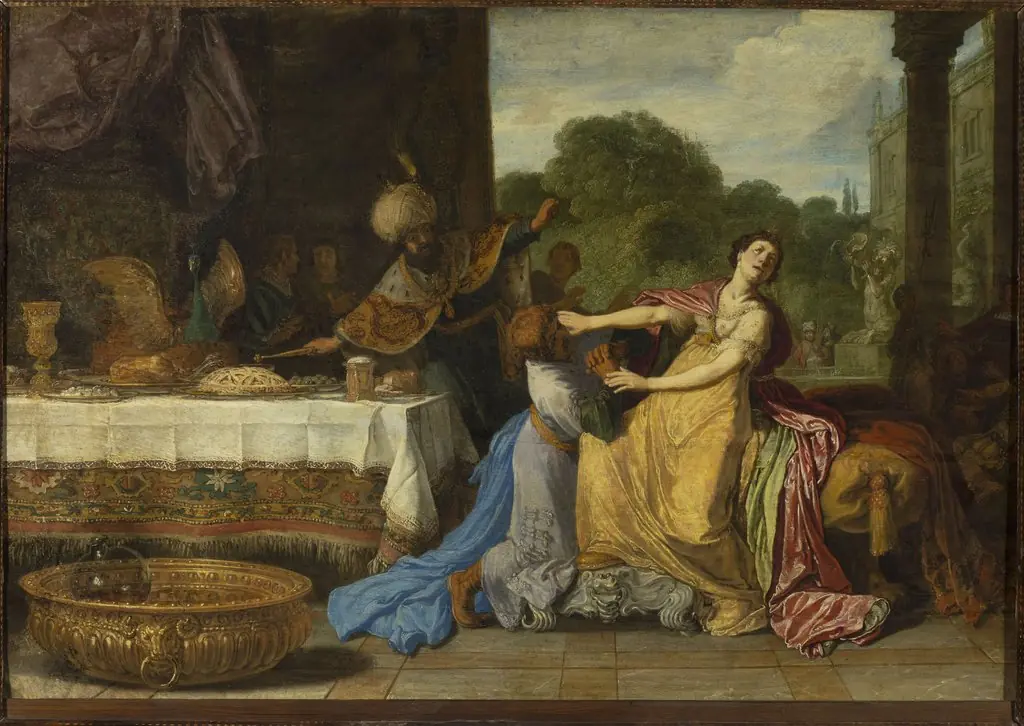 Haman begging the mercy of Esther (Esther 7:6-7)
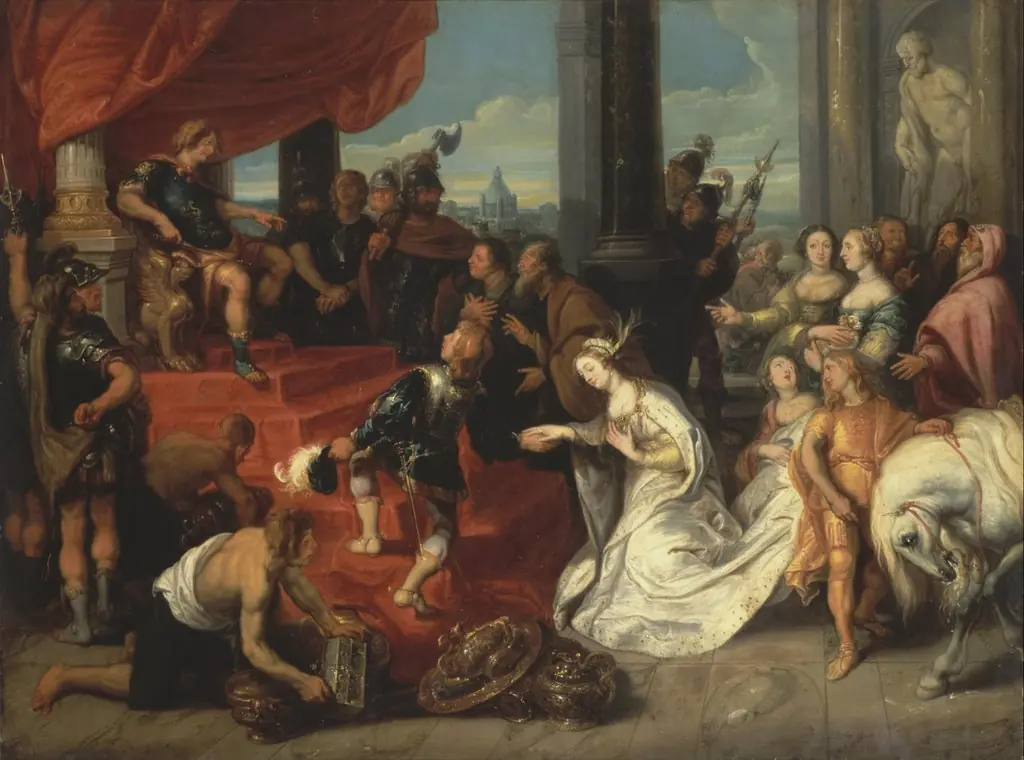 The Magnanimity of Scipio Africanus
 Untitled
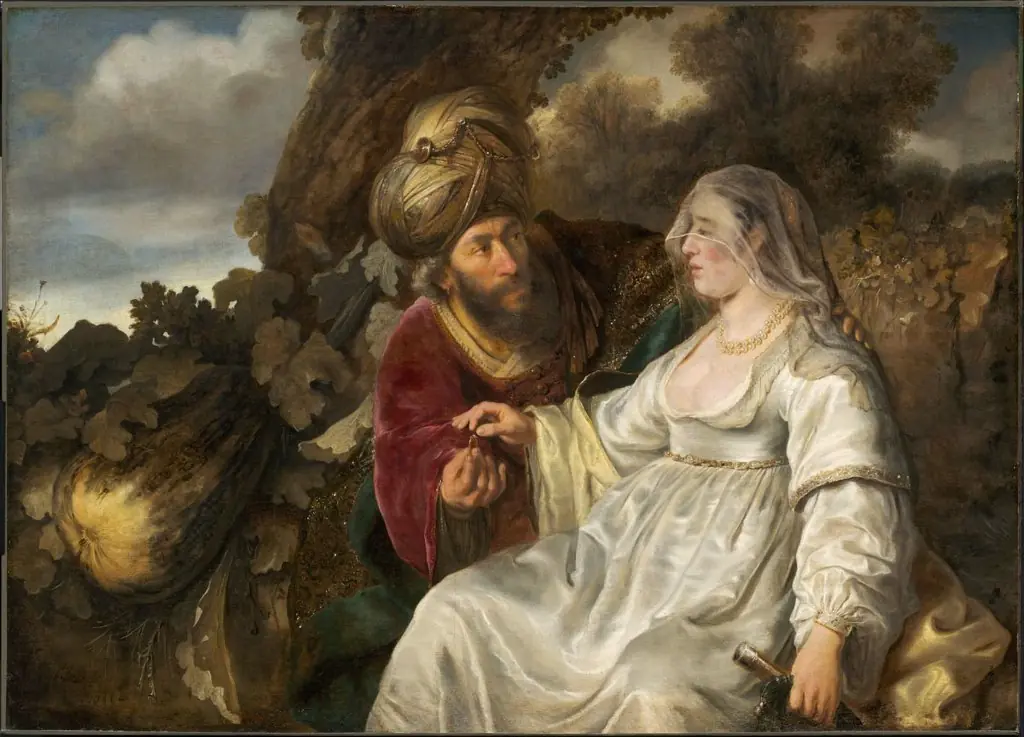 Judah and Tamar
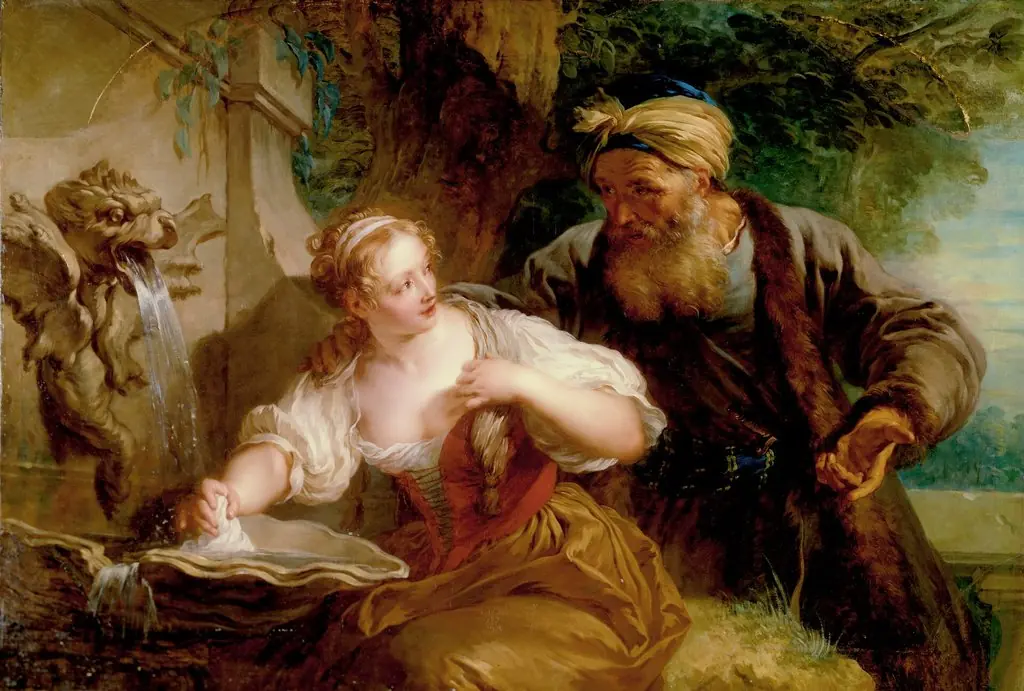 The Amorous Proposal
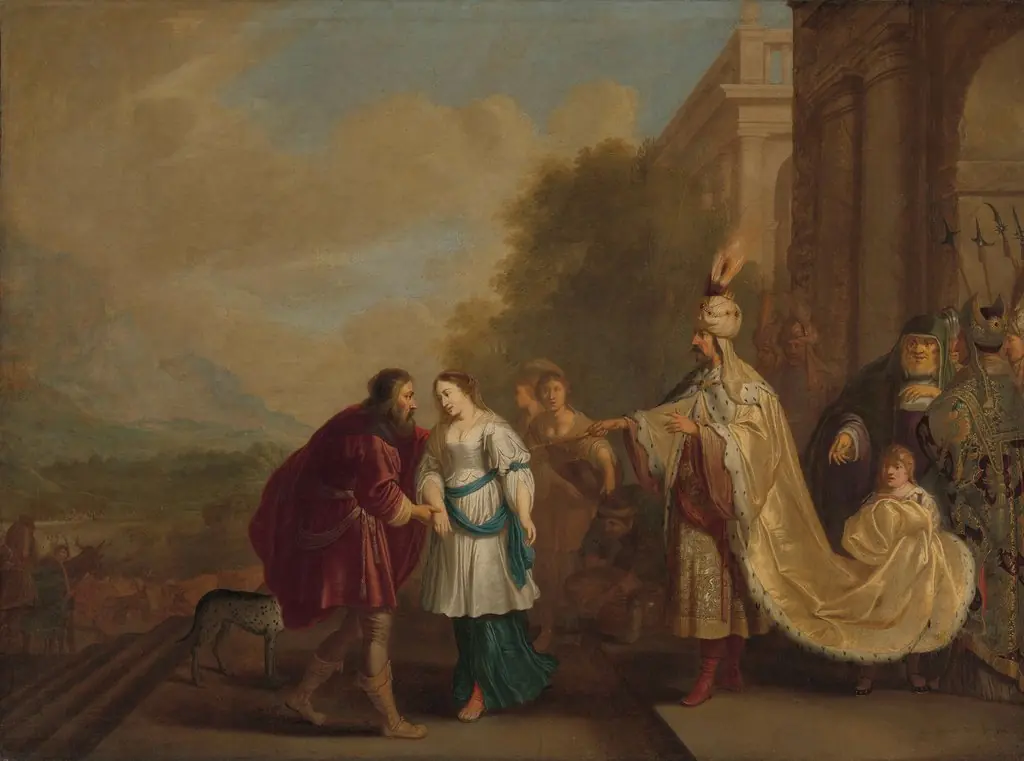 Pharaoh gives Sarah back to Abraham
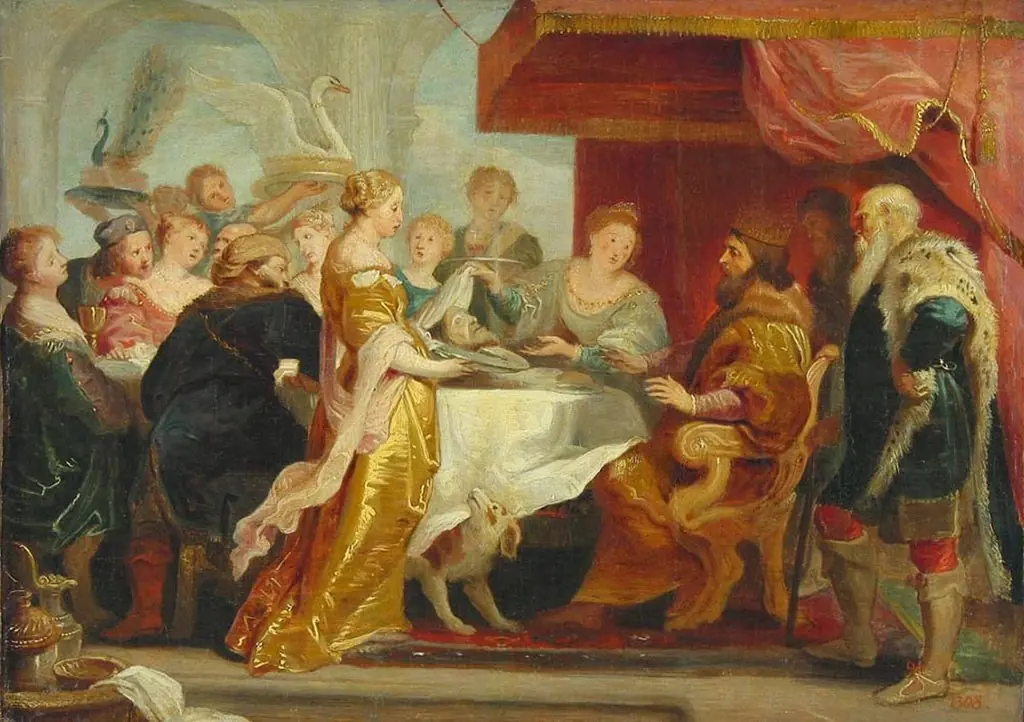 The Feast of Herod
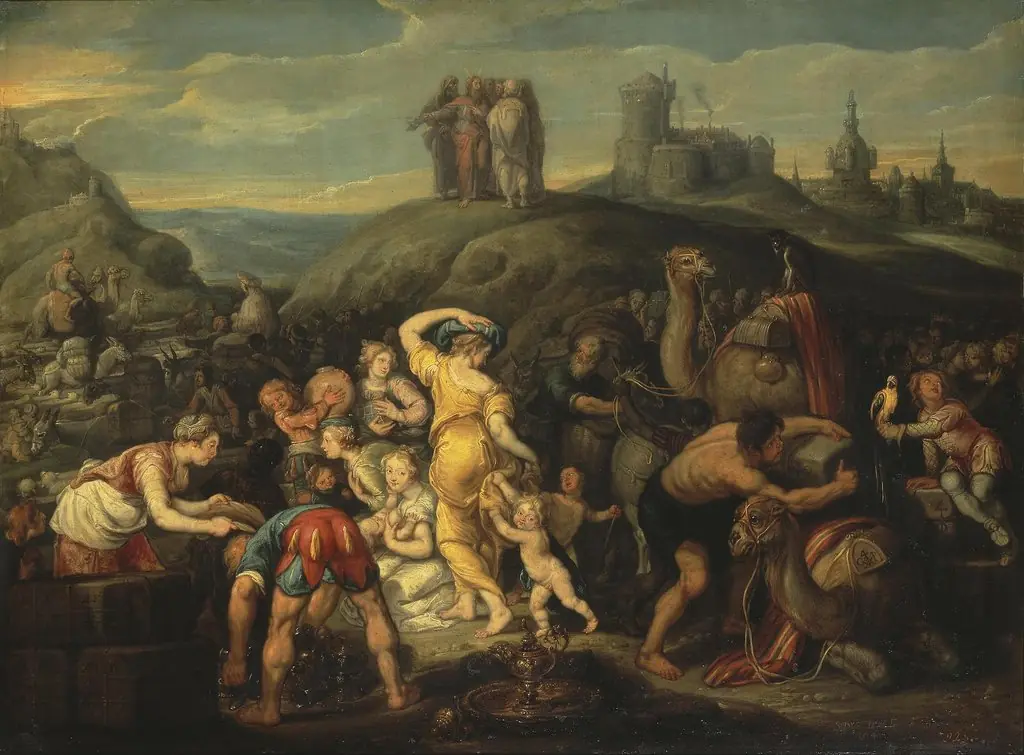 The Israelites after Crossing the Red Sea
 Bathing in an Oriental Harbour