Artwork
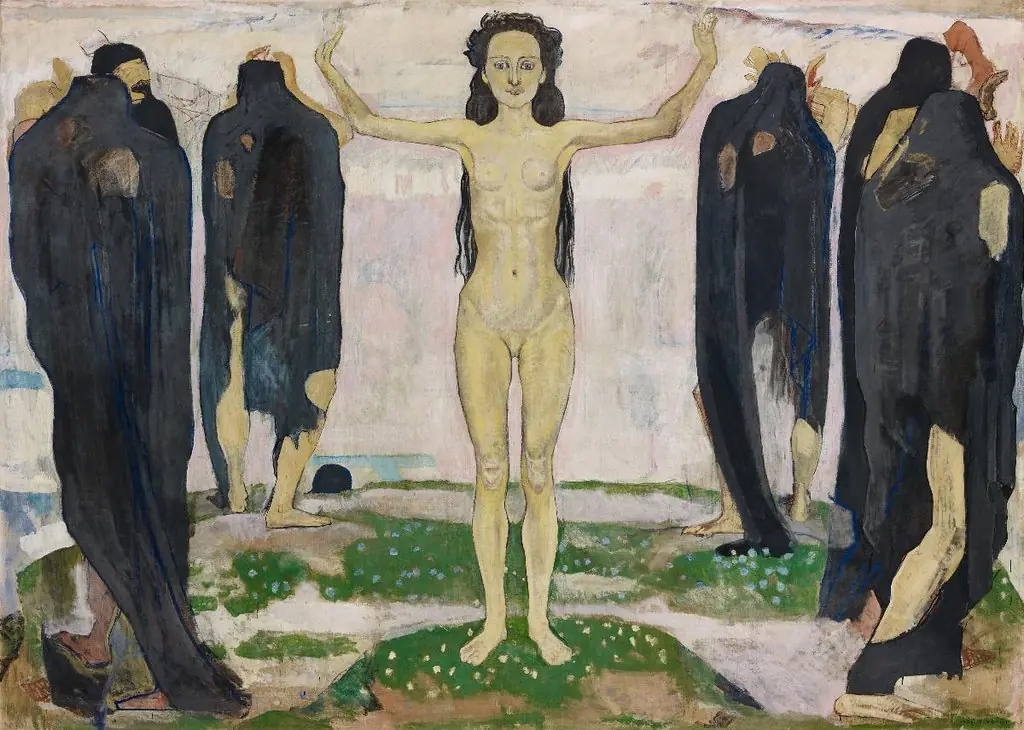
Day (Truth)
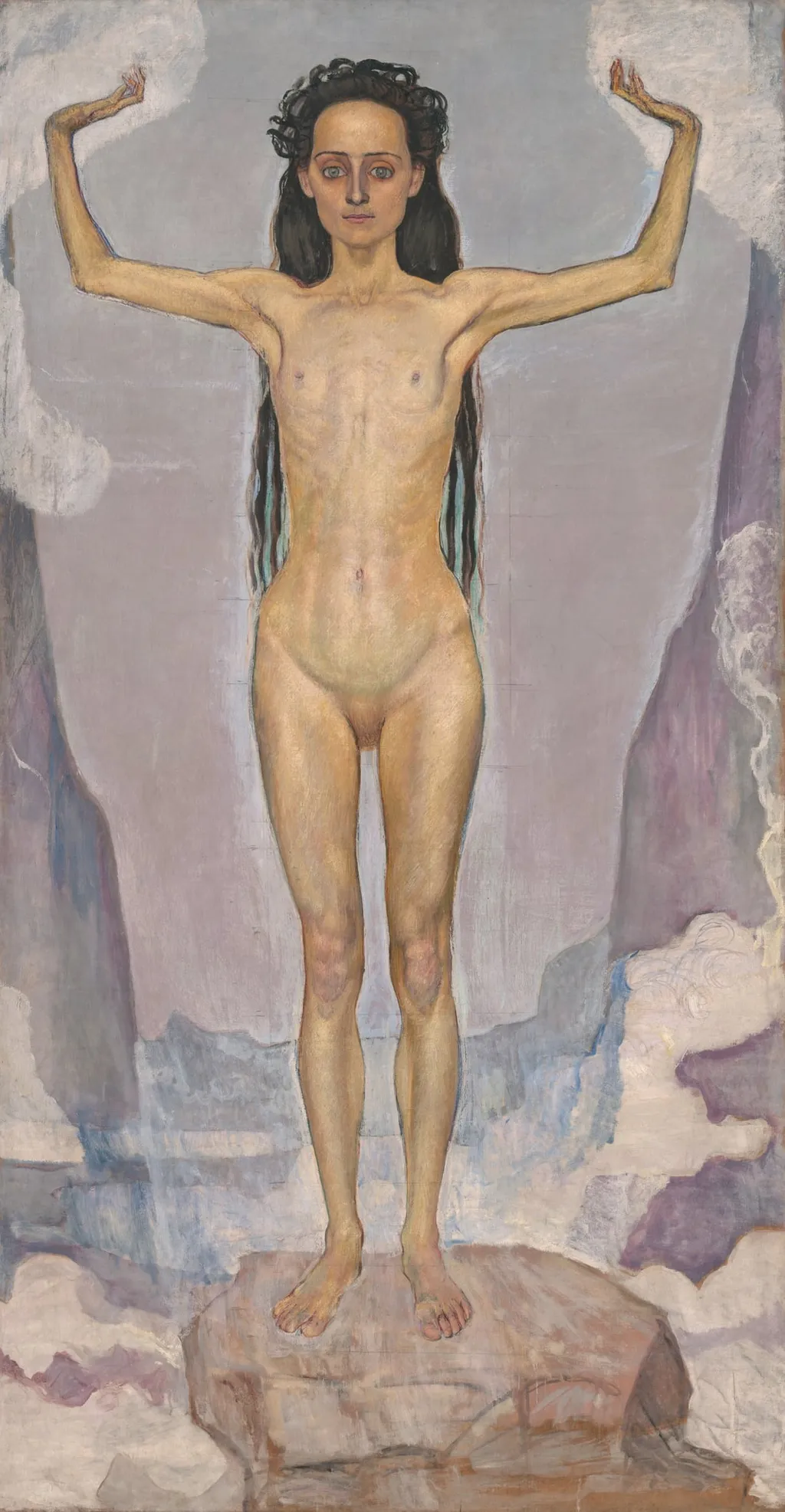
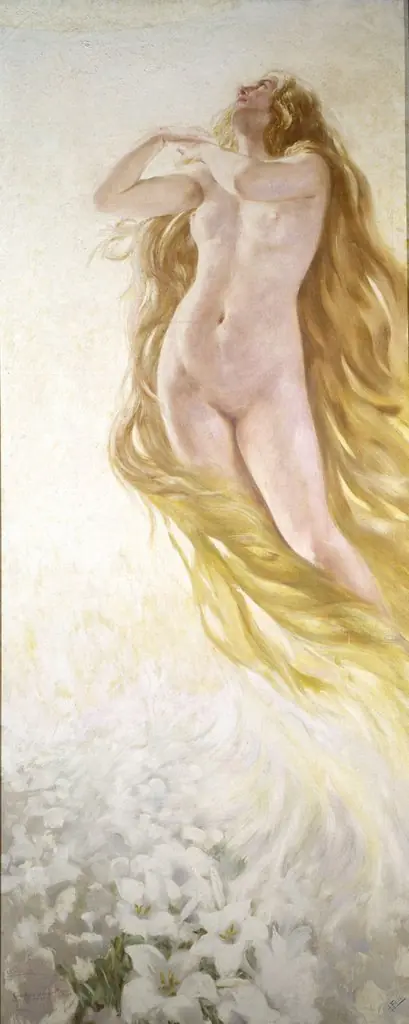
Day (Truth) is an oil painting by the Impressionist artist Ferdinand Hodler. It dates from 1897 and is held in the collection of the Art Institute of Chicago.
About this work
Overview
Ferdinand Hodler painted *Day (Truth)* in 1897 using oil on canvas, marking a pivotal moment in his artistic evolution.
Ferdinand Hodler painted *Day (Truth)* in 1897 using oil on canvas, marking a pivotal moment in his artistic evolution. Originally grounded in realism, he moved toward a distinctive symbolic language he called 'parallelism,' characterized by rhythmic repetition and simplified forms. This work exemplifies his transition from observational painting to a more conceptual mode, aligning with broader European Symbolist trends that prioritized inner meaning over literal representation.
Subject & Meaning
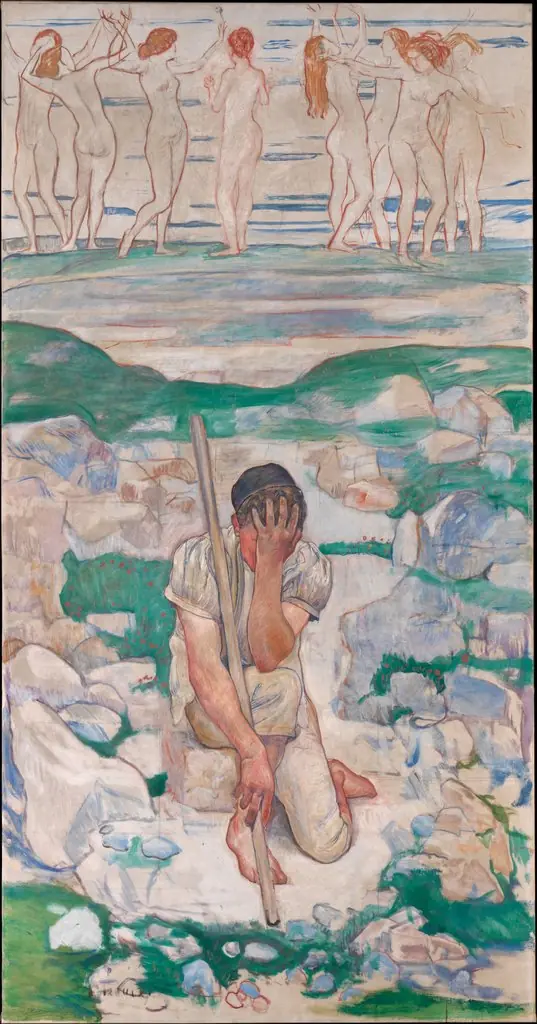
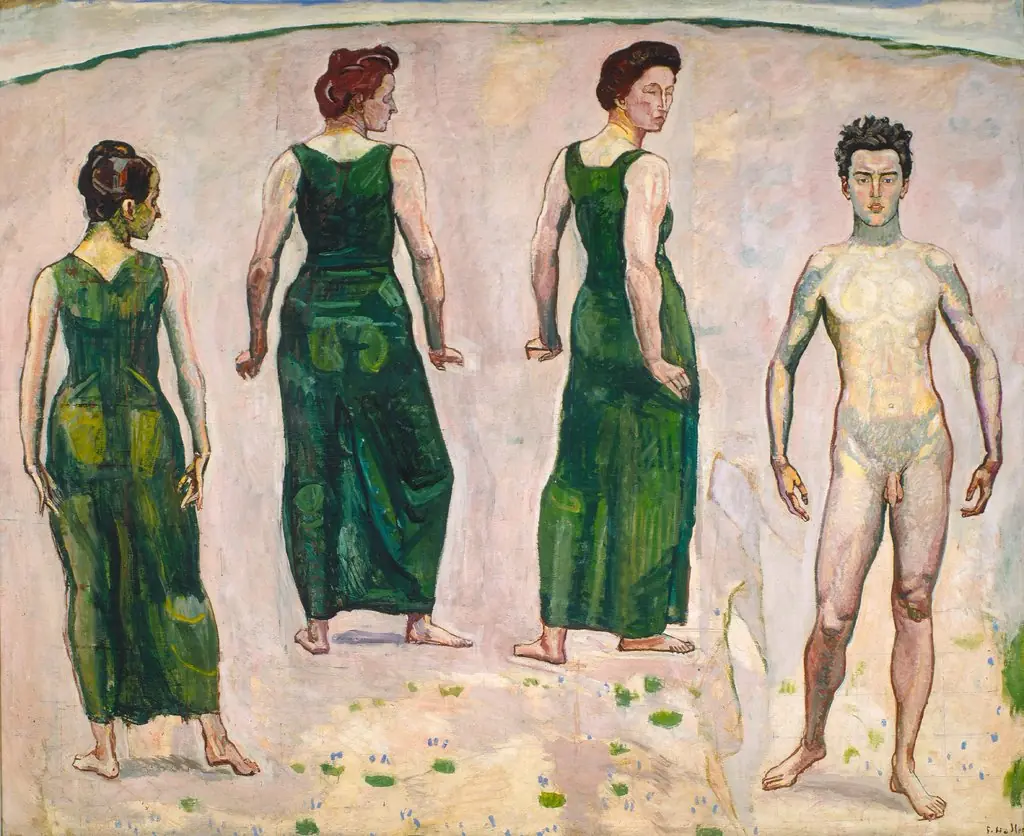
The central figure is a solitary woman, standing upright in a serene natural setting, her form rendered with stillness and clarity. She embodies the abstract concept of Truth, not through narrative or symbolism of objects, but through her composed presence and the harmonious balance of the composition. The surrounding landscape—trees, sky, and light—does not merely frame her but participates in the symbolic equilibrium, suggesting unity between human essence and the natural world.
Technique & Style
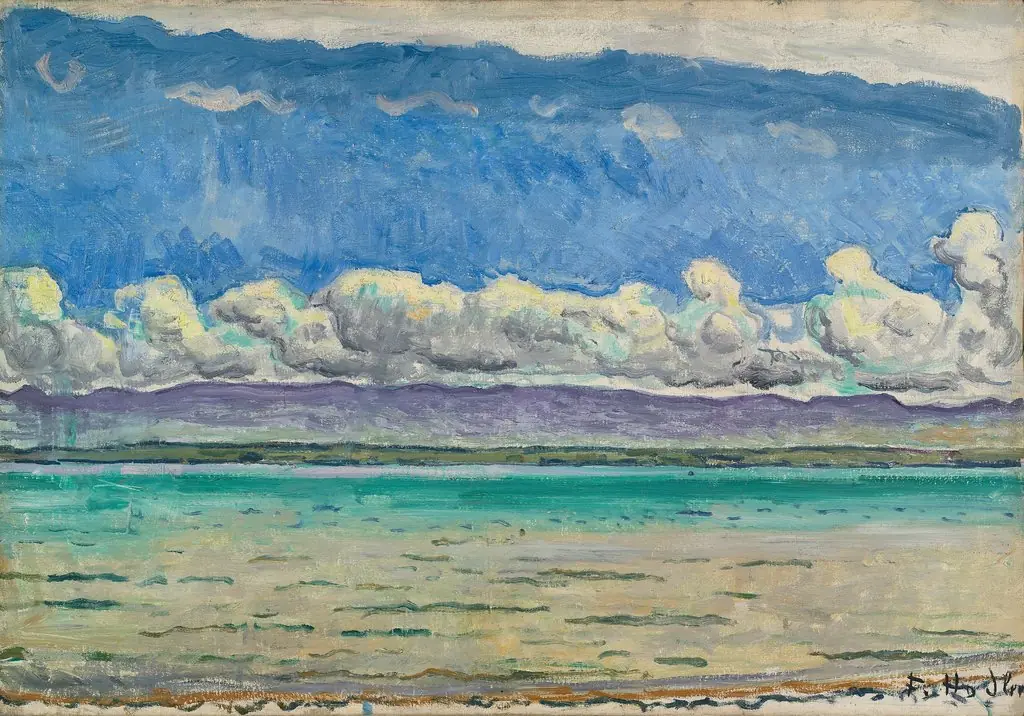
Hodler employed bold, flattened planes and strong linear contours to structure the scene, reducing natural detail into rhythmic patterns. Color is used expressively rather than naturallyistically: the sky and foliage are rendered in muted yet deliberate tones that enhance the painting’s meditative calm. His technique, termed 'parallelism,' repeats vertical and horizontal elements to create visual harmony, distancing the work from Impressionist spontaneity and embracing a more deliberate, symbolic order.
History & Provenance
Completed in 1897, *Day (Truth)* was part of Hodler’s series exploring allegorical themes of day and night, life and death. It entered the collection of the Art Institute of Chicago in the early 20th century, where it remains today. The painting’s acquisition reflected growing international interest in Swiss Symbolism and Hodler’s role in bridging 19th-century realism with modernist abstraction.
Context
In the late 19th century, European artists sought alternatives to naturalism, turning to Symbolism to express spiritual and philosophical ideas. Hodler’s work resonated with contemporaries like Gustave Moreau and Edvard Munch, though his approach was uniquely structured. *Day (Truth)* emerged during a period of cultural introspection in Switzerland, where artists grappled with national identity and metaphysical questions through simplified, monumental forms.
Legacy
Hodler’s *Day (Truth)* influenced later modernist movements through its emphasis on form over detail and its integration of symbolic content into landscape. While not widely known outside Switzerland during his lifetime, the painting contributed to his posthumous recognition as a precursor to Expressionism and geometric abstraction. Its quiet authority continues to inform discussions on the relationship between figure, nature, and abstraction in modern art.
Artist & collection
Artist
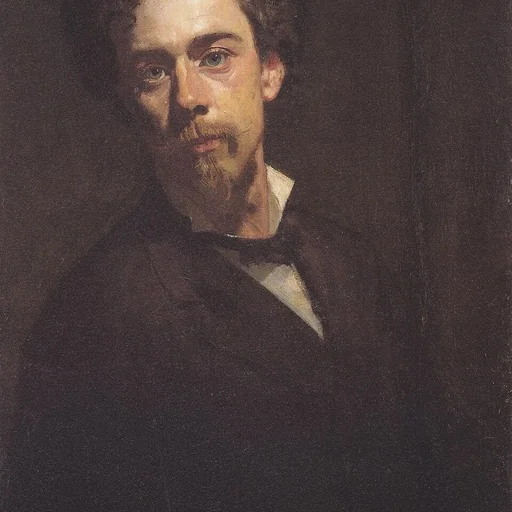
Ferdinand Hodler (March 14, 1853 – May 19, 1918) was a Swiss painter. He is one of the best-known Swiss painters of the nineteenth century. His early works were portraits, landscapes, and genre paintings in a realistic…