Artwork
Caryatid
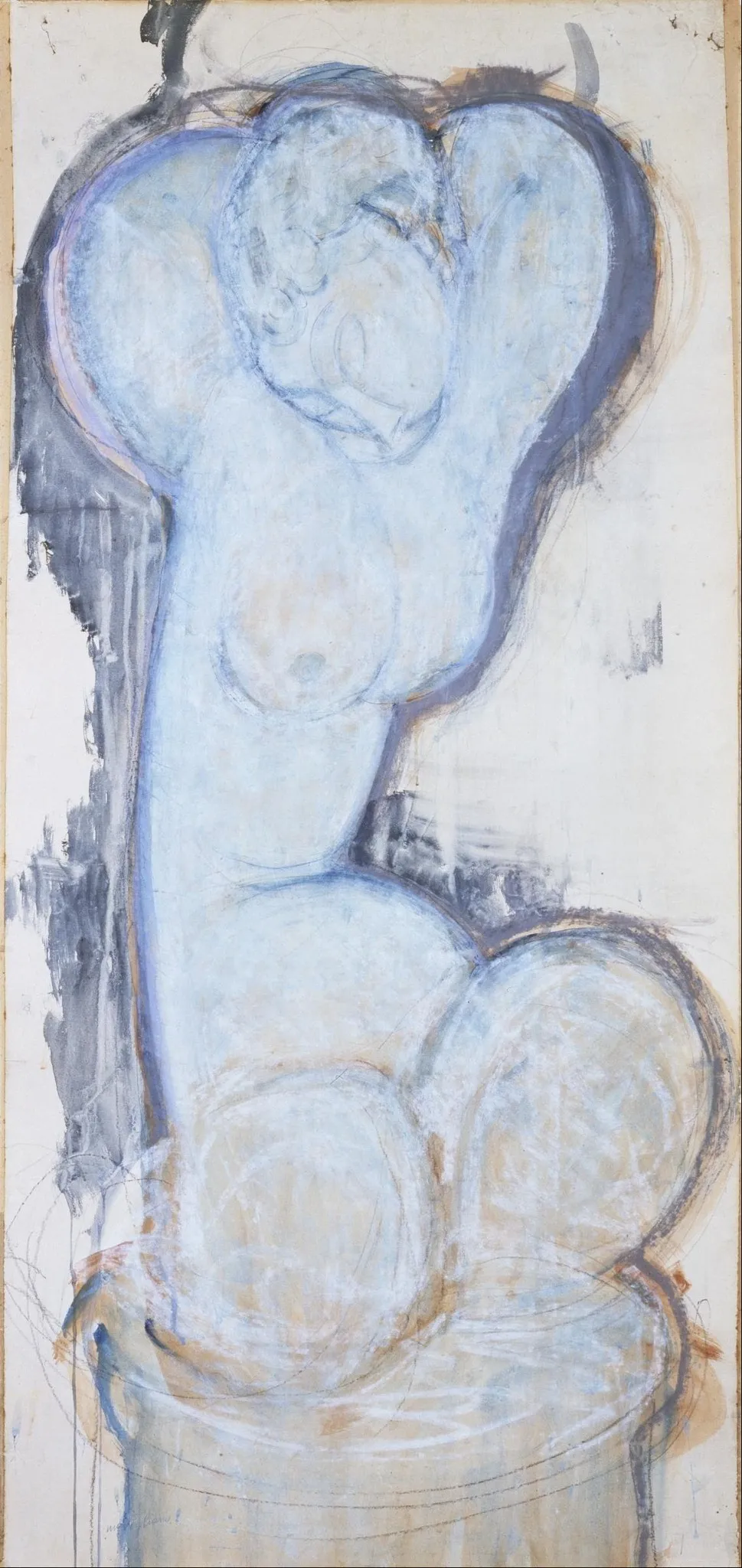
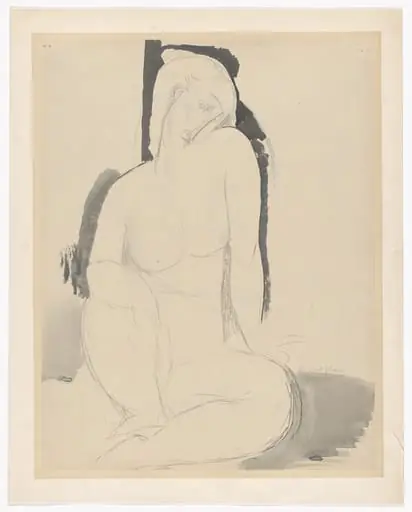
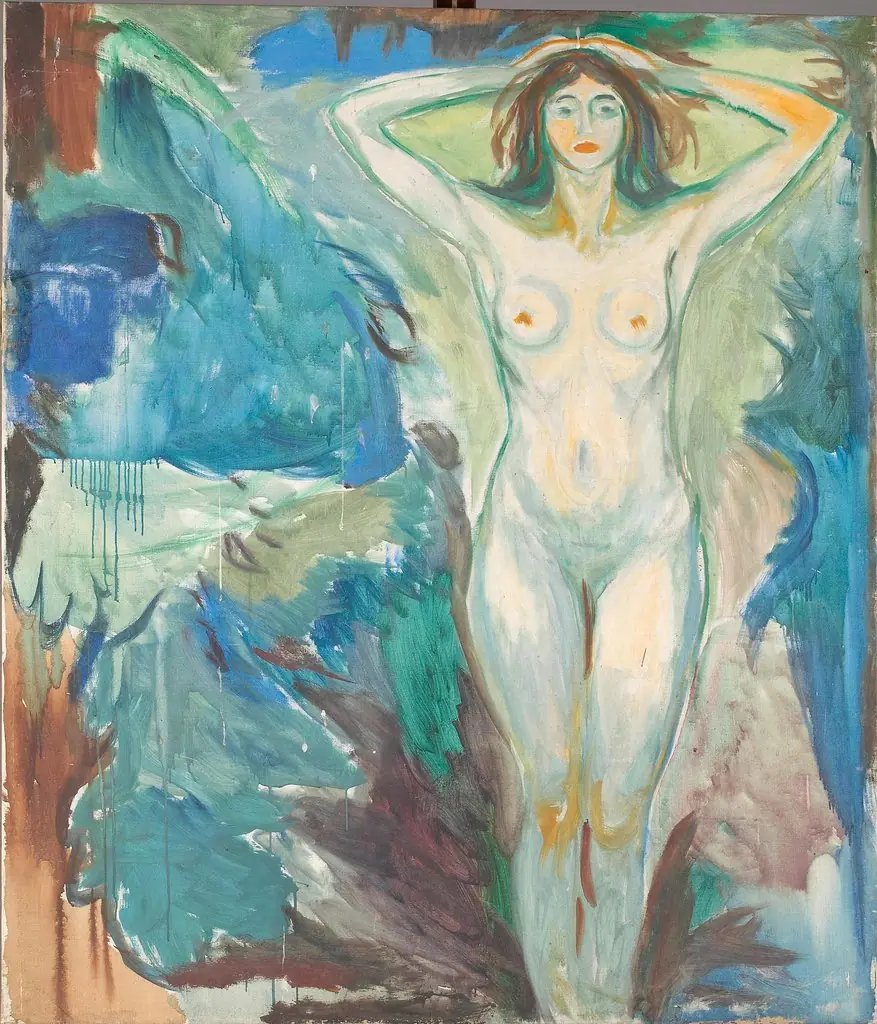
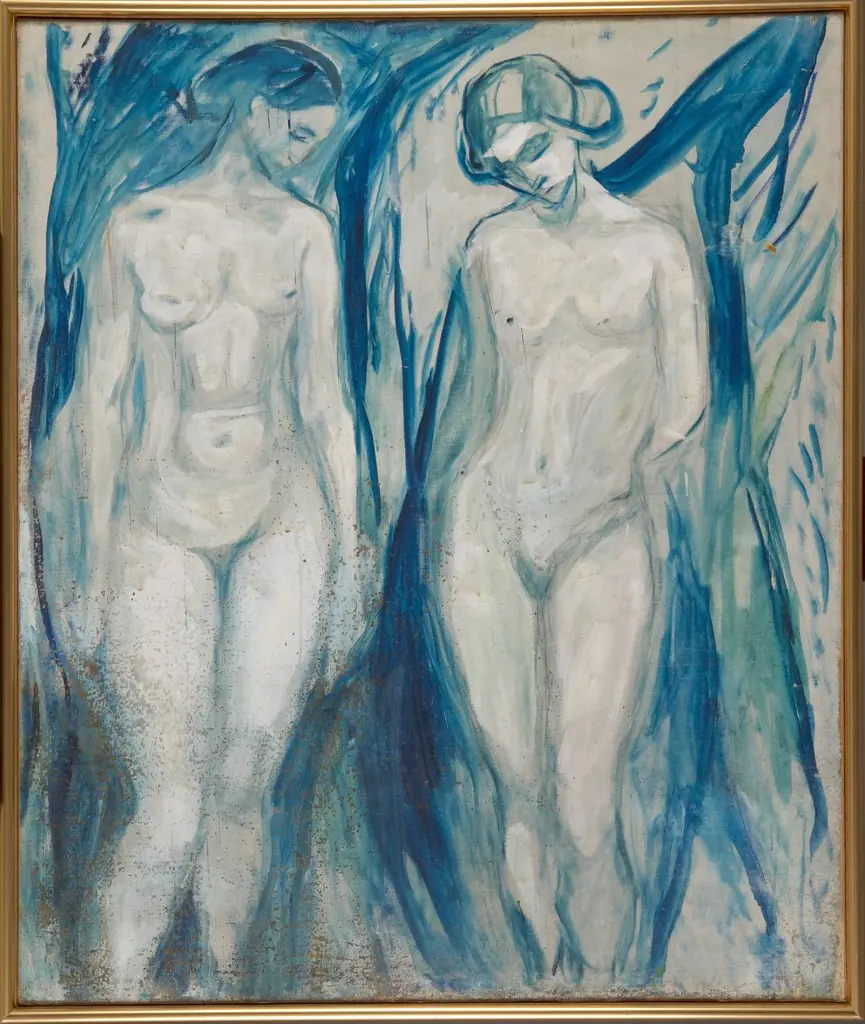
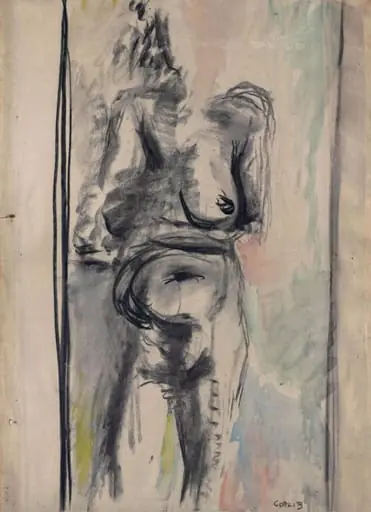
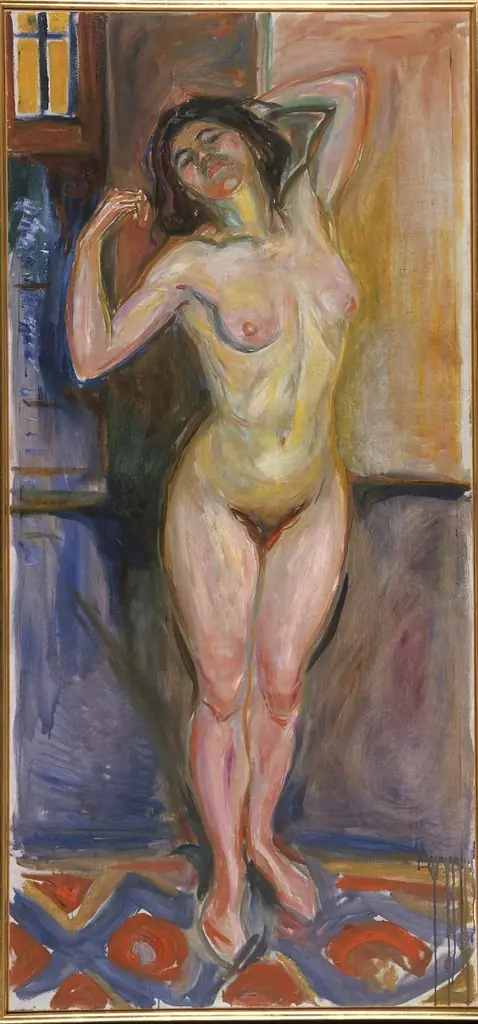
Caryatid is an unspecified painting by Amedeo Modigliani. It dates from 1914 and is held in the collection of the Museum of Fine Arts, Houston.
About this work
Overview
Caryatid, created in 1914 by Amedeo Modigliani, is a painting that exemplifies the artist's distinctive modern style, characterized by elongated forms and a blend of classical influences with avant-garde sensibilities.
Subject & Meaning
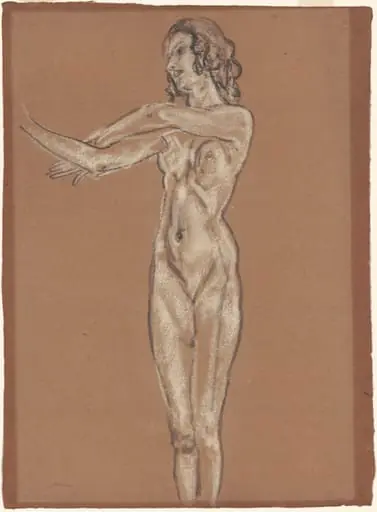
The painting portrays a nude female figure from the waist up, with arms raised and a serene, enigmatic smile. This pose conveys a sense of liberation and serenity, while the figure's simplification and elongation reflect Modigliani's aesthetic.
Technique & Style
Modigliani employed bold, defining lines and a muted, earthy-toned background to accentuate the subject's elegance. The simplified, elongated form of the body and the subtle facial expression are hallmark techniques of the artist's style during this period.
History & Provenance
Part of a series of caryatid figures produced during Modigliani's time in Paris, this work reflects his engagement with the city's avant-garde circles, including interactions with Picasso and Brâncuși, following his move from Italy in 1906.
Context
Rooted in Modigliani's early studies of antiquity and the Renaissance, Caryatid balances classical inspirations with the innovative spirit of early 20th-century Paris, embodying the École de Paris's eclectic modernity.
Legacy
While specific legacy details of 'Caryatid' are not provided, the work contributes to Modigliani's broader influence on modern portraiture and figure painting, emphasizing simplicity, elegance, and emotional depth.
Artist & collection

Artist
Amedeo Clemente Modigliani (US: ; Italian: ; 12 July 1884 – 24 January 1920) was an Italian painter and sculptor of the École de Paris who worked mainly in France.