Artwork
Krotkaja
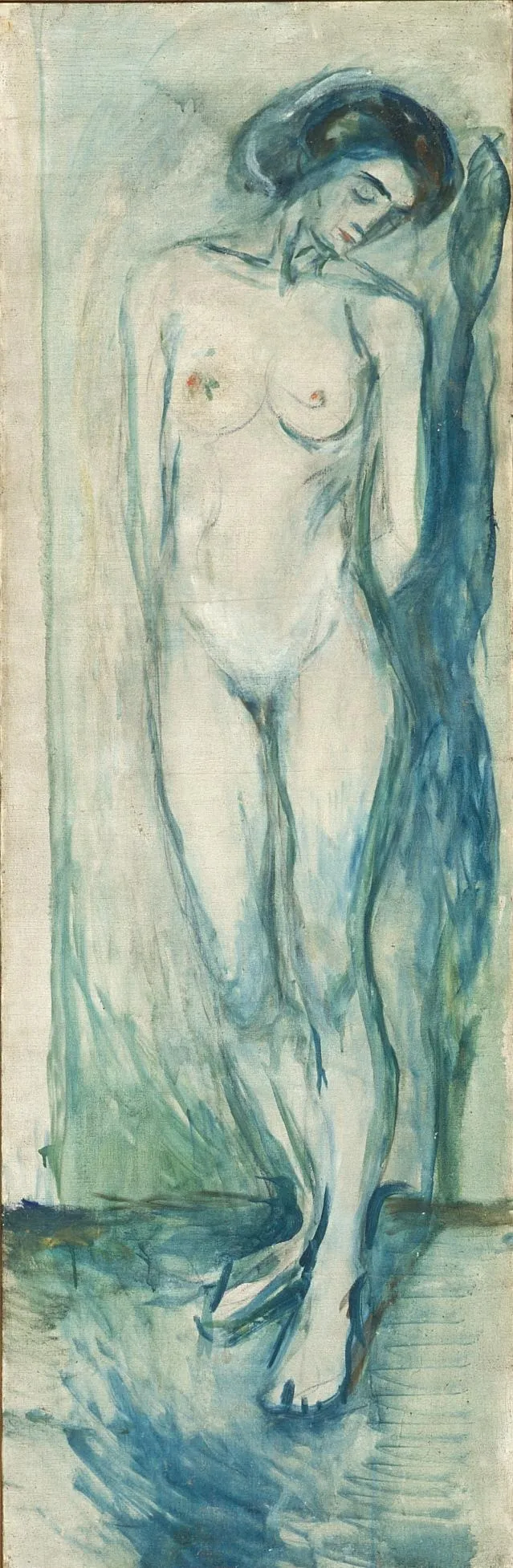
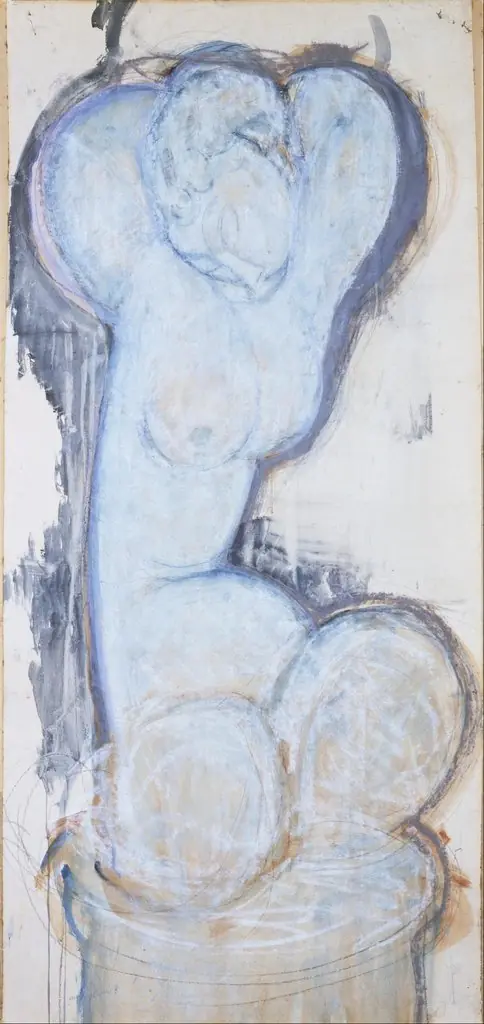
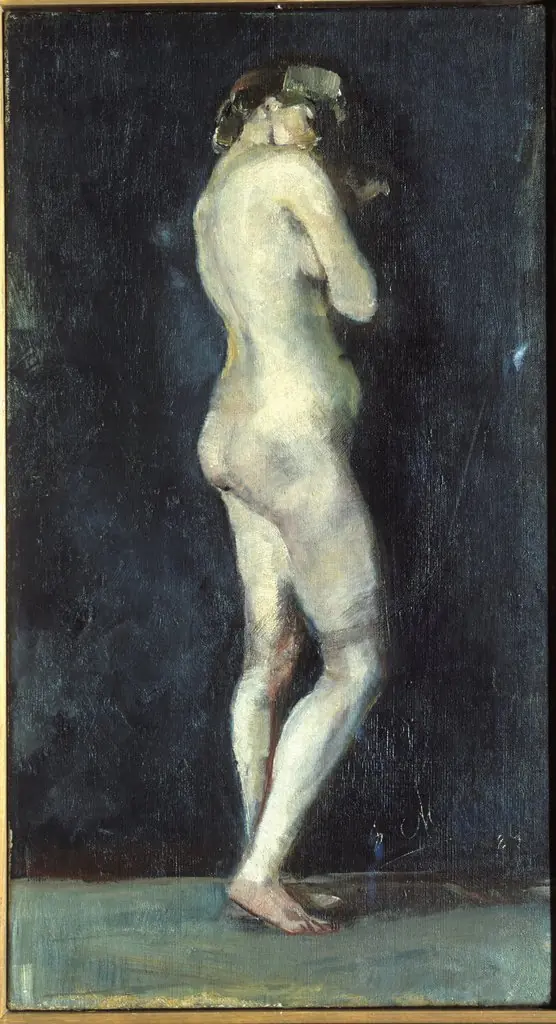
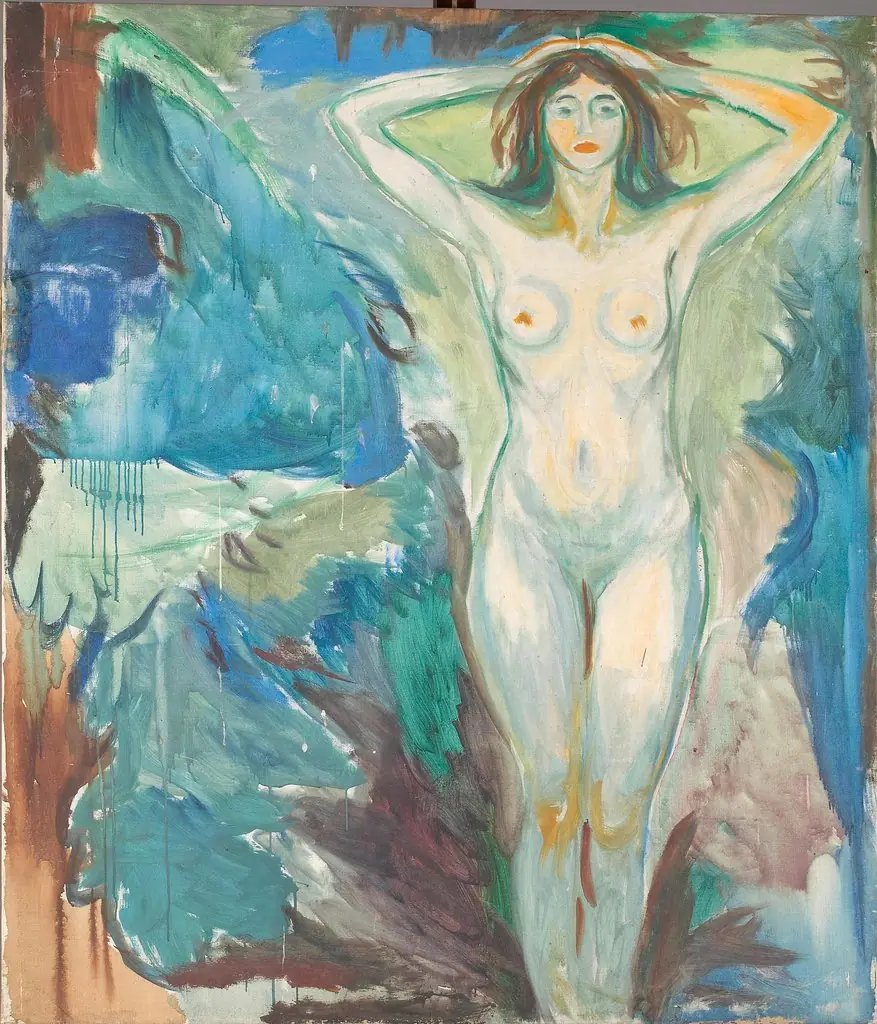
Krotkaja is an oil painting by the Post-Impressionist artist Edvard Munch. It dates from 1927 and is held in the collection of the Munch Museum.
About this work
Overview
Created in 1927, *Krotkaja* is an oil painting by Norwegian artist Edvard Munch. The work presents a solitary nude woman, rendered in a side view with her arms positioned behind her head. The composition is dominated by muted blues and greens, while the background recedes into shadow, giving the figure a luminous quality.
Subject & Meaning
The central figure is a standing female form, minimally clothed only by a dark band encircling her hair. Her pose, with arms behind the head, suggests a moment of introspection or repose. Munch’s interest in psychological states is evident in the intimate, almost vulnerable portrayal of the subject.
Technique & Style
Munch employs rapid, loose brushstrokes that lend the surface a sketch‑like immediacy. The paint is applied thinly, allowing pale hues to convey light across the body, while the surrounding space remains loosely defined. This approach aligns the work with post‑impressionist tendencies toward expressive, gestural handling of paint.
History & Provenance
The painting belongs to the collection of the Munch Museum in Oslo, which houses a substantial portion of the artist’s oeuvre. It was acquired as part of the museum’s effort to assemble works representing Munch’s later period, when his style had shifted toward more economical, expressive techniques.
Context
By the late 1920s, Munch had moved beyond the overt symbolism of his earlier career, focusing instead on pared‑down forms and emotional directness. *Krotkaja* reflects this transition, illustrating how his personal experiences of illness and loss continued to inform a restrained yet evocative visual language.
Artist & collection
Artist
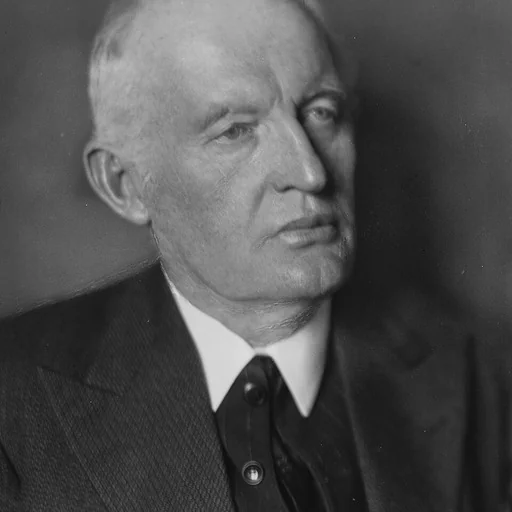
Edvard Munch ( MUUNK; Norwegian: ; 12 December 1863 – 23 January 1944) was a Norwegian painter.