Artwork
Fröhliches Weib
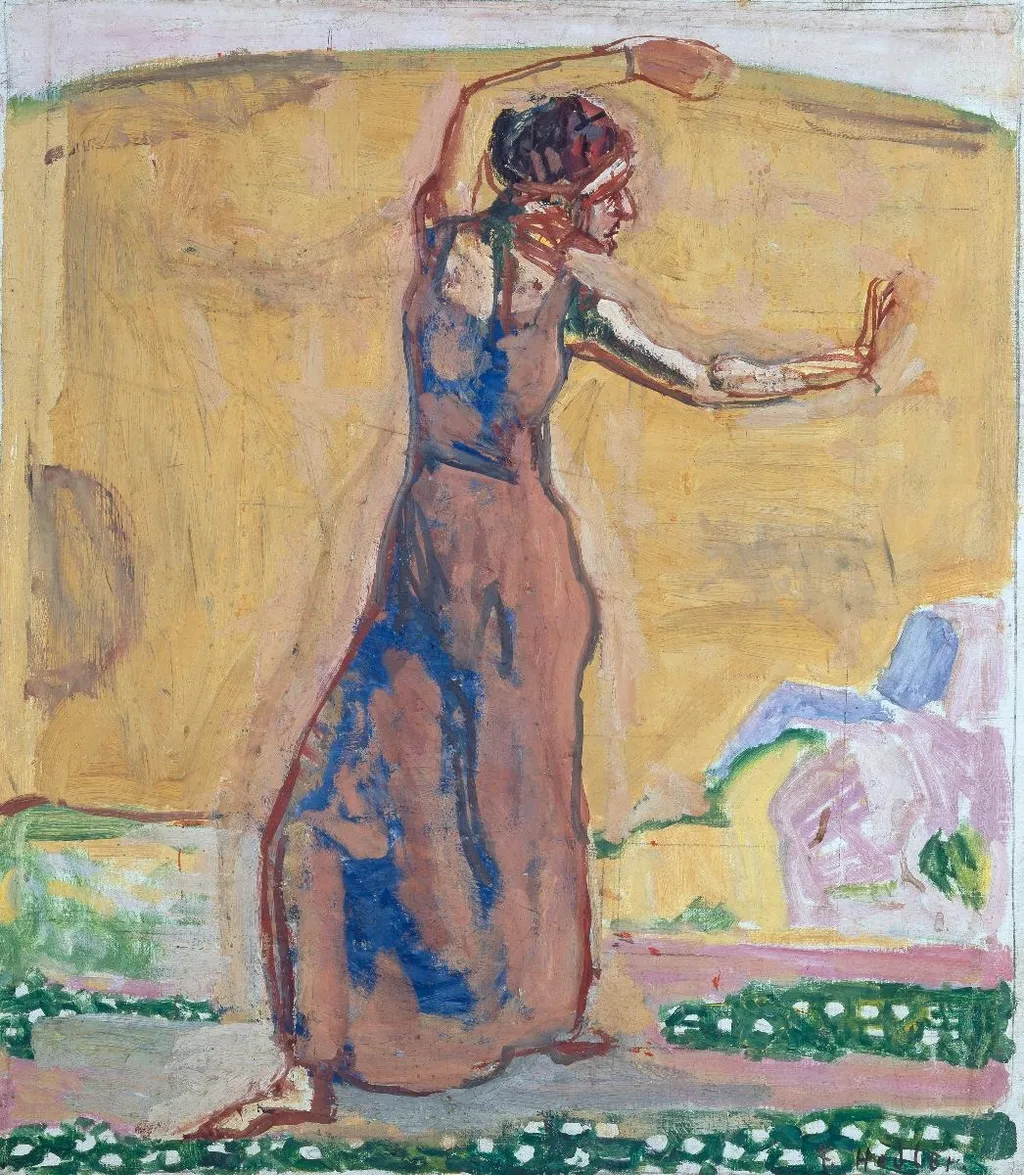
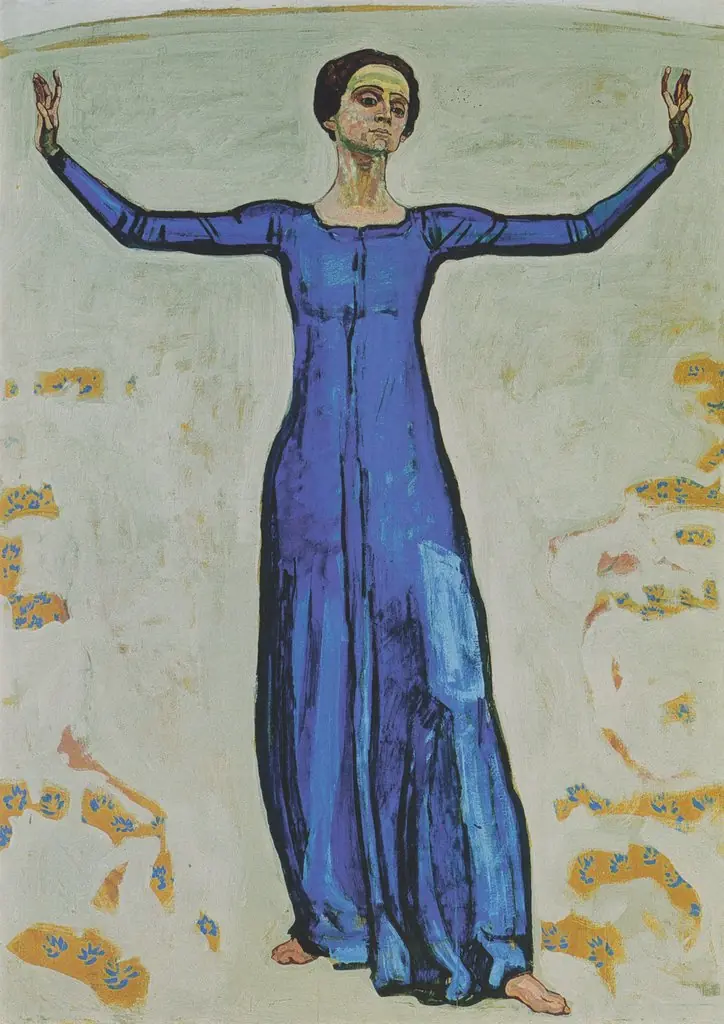
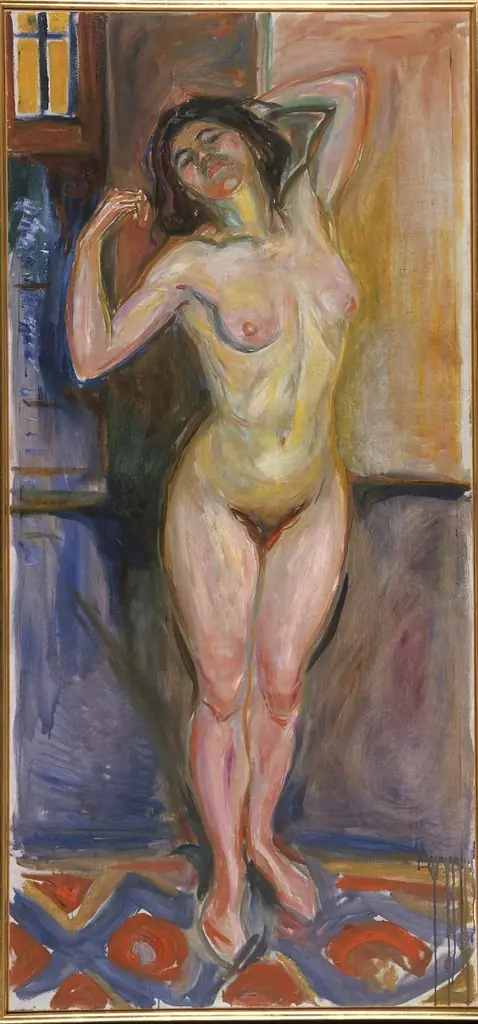
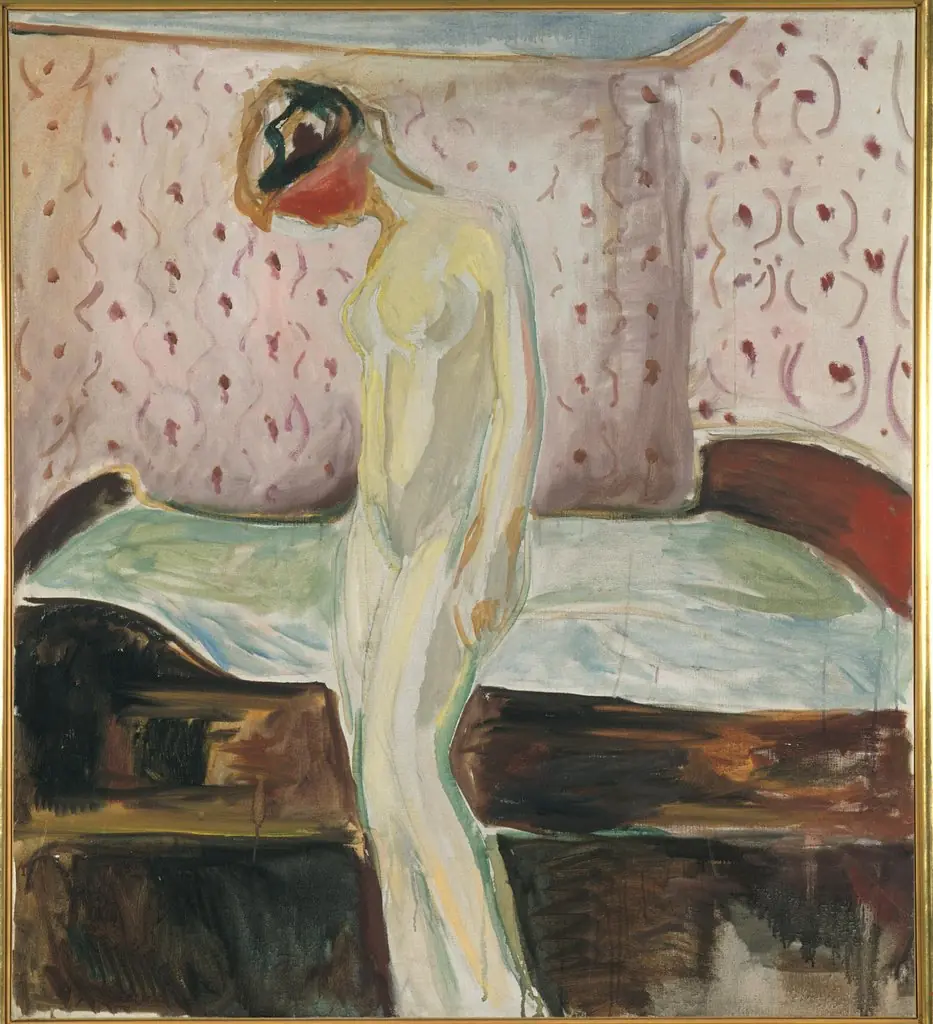
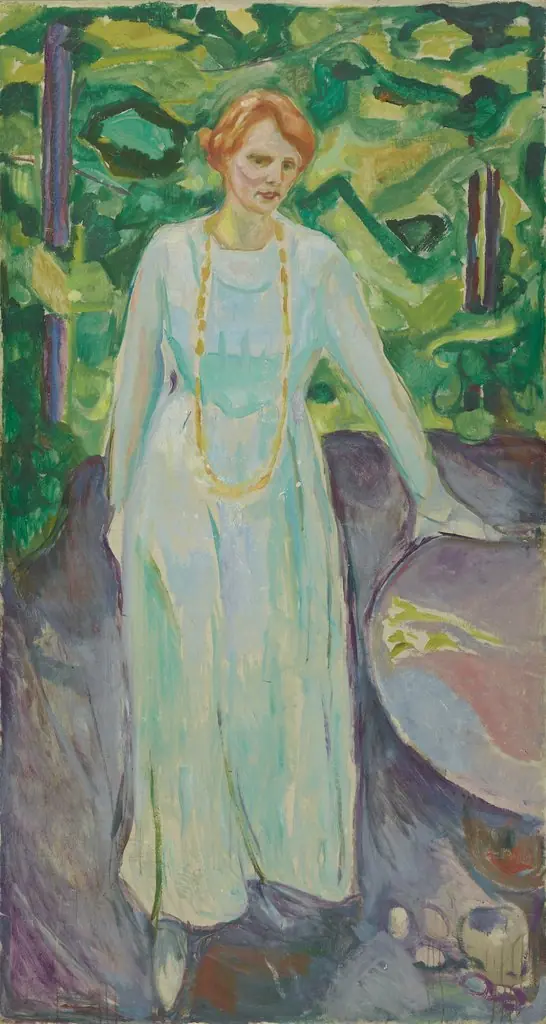
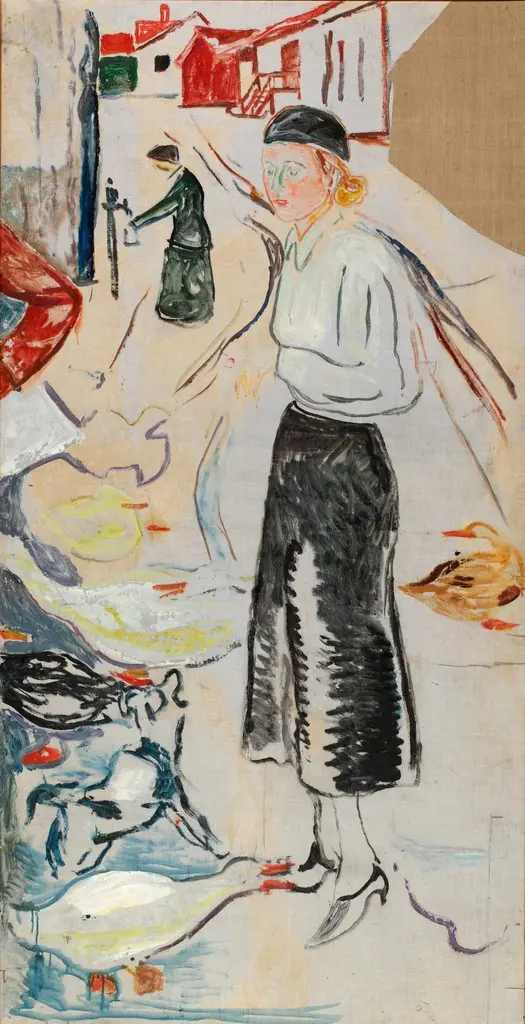
Fröhliches Weib is an oil painting by the Art Nouveau artist Ferdinand Hodler. It dates from 1911 and is held in the collection of the Kunsthaus Zürich.
About this work
Overview
The work belongs to his later period, when his style had evolved beyond early realism toward a more structured, symbolic approach.
Ferdinand Hodler painted *Fröhliches Weib* in 1911 using oil on canvas. The work belongs to his later period, when his style had evolved beyond early realism toward a more structured, symbolic approach. Though sometimes associated with Art Nouveau for its linear grace, the painting reflects Hodler’s personal system of composition, emphasizing balance and repetition rather than ornamental detail. It is part of the permanent collection at Kunsthaus Zürich.
Subject & Meaning
The figure is a solitary woman, rendered with stillness and dignity. Her raised right arm and extended left create a symmetrical gesture, suggesting ritual or contemplation rather than movement. Her serious expression and composed posture contrast with the title’s suggestion of joy, inviting interpretation as an internal state rather than external cheer. The lack of narrative context emphasizes her presence as an emblematic form, not a specific individual.
Technique & Style
Hodler employed broad, flat planes of color with minimal modeling, reducing the figure to essential contours. The deep blue dress contrasts with the warm, monochromatic background of yellow, accented subtly by pink and green. Brushwork is deliberate and even, avoiding texture in favor of harmony. The composition follows his principle of 'parallelism,' where limbs and forms mirror each other to create rhythmic unity, a hallmark of his mature style.
History & Provenance
Painted in 1911, *Fröhliches Weib* entered the Kunsthaus Zürich collection shortly after its completion. Hodler was a central figure in Swiss art at the time, and the museum actively acquired his works during his lifetime. There is no record of public exhibition prior to its acquisition, suggesting it may have been a private study or commission. Its presence in the museum’s holdings reflects institutional recognition of his evolving aesthetic.
Context
In the early 20th century, Swiss art was navigating between traditional representation and emerging modernist ideas. Hodler, though not aligned with international avant-gardes, developed a unique visual language rooted in symmetry and spiritual abstraction. *Fröhliches Weib* reflects this path—neither fully symbolic nor naturalistic—offering a quiet alternative to the expressive intensity of contemporaries like Munch or Klimt.
Legacy
The painting exemplifies Hodler’s lasting influence on Swiss modernism through his emphasis on formal order and psychological restraint. While less known internationally, his approach to the human figure as a structural and meditative element informed later generations of Swiss artists. *Fröhliches Weib* remains a key example of how personal symbolism could coexist with classical balance in early modern painting.
Artist & collection
Artist
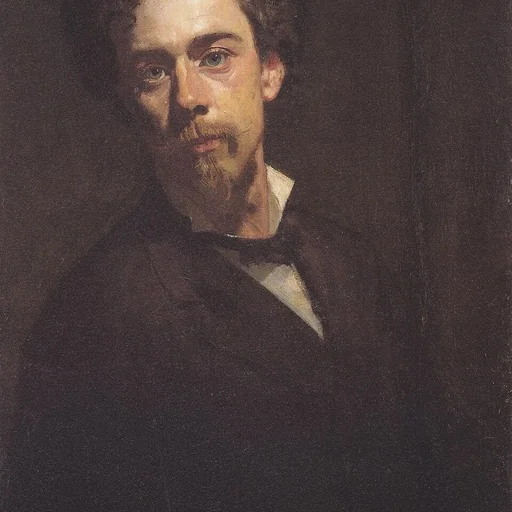
Ferdinand Hodler (March 14, 1853 – May 19, 1918) was a Swiss painter. He is one of the best-known Swiss painters of the nineteenth century. His early works were portraits, landscapes, and genre paintings in a realistic…