Artwork
Offering to the fatherland by the Widow of Jacob van Artevelde
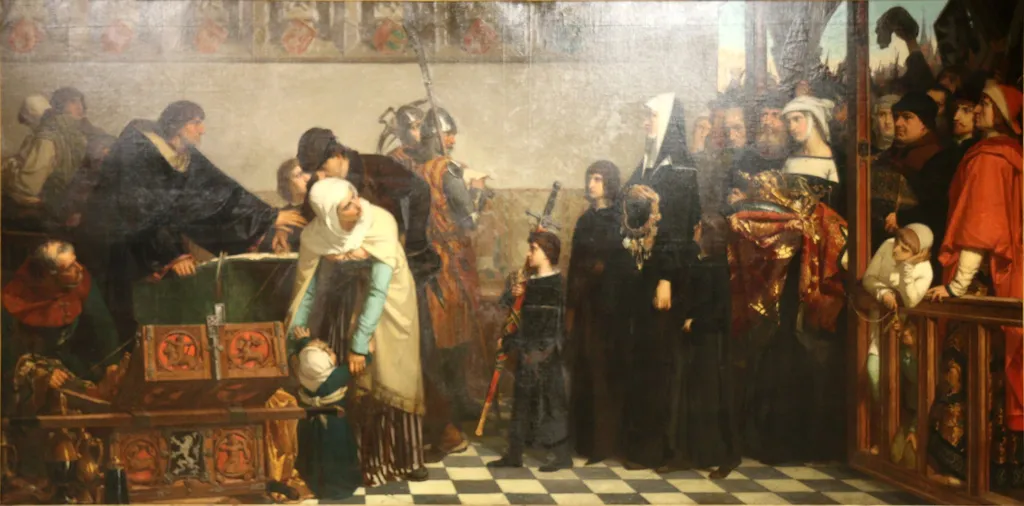
Offering to the fatherland by the Widow of Jacob van Artevelde is an oil painting by Ferdinand Pauwels. It dates from 1860 and is held in the collection of the Royal Museums of Fine Arts of Belgium.
About this work
Overview
The scene is set in a dimly lit interior, where a widow is shown presenting a sword to an unseen collective, evoking a gesture of civic duty.
Painted in 1860 by Belgian artist Ferdinand Pauwels, this oil-on-canvas work portrays a symbolic moment tied to the legacy of Jacob van Artevelde, a 14th-century Flemish political figure. The scene is set in a dimly lit interior, where a widow is shown presenting a sword to an unseen collective, evoking a gesture of civic duty. The painting resides in the Royal Museums of Fine Arts of Belgium, reflecting its national significance in 19th-century historical art.
Subject & Meaning
The widow, dressed in mourning black, stands as a representative of civic sacrifice, offering her husband’s sword to the fatherland. Surrounding figures—including a boy holding the weapon and a woman in a white headscarf—suggest generational continuity and communal witness. The scattered objects and silent onlookers imply a ritualized transfer of authority, framing personal loss as a public act of loyalty, rooted in Flemish historical memory.
Technique & Style
Pauwels employs chiaroscuro to heighten emotional gravity, directing light toward the widow and the sword while plunging the background into shadow. The checkered floor and textured fabrics ground the scene in realism, while the composition’s axial symmetry reinforces solemnity. Brushwork remains precise, avoiding theatricality; the focus is on restrained gesture and spatial clarity, aligning with academic traditions of history painting.
History & Provenance
Created during Pauwels’s time in Germany, the painting was acquired by Belgian state collections shortly after completion. It reflects 19th-century efforts to visually anchor national identity through historical narrative. The work remained in institutional hands, never entering private collections, and has been consistently displayed in Belgian museums as part of its curated historical canon.
Context
In mid-19th-century Belgium, historical painting served as a tool for nation-building after independence from the Netherlands. Figures like van Artevelde, associated with Flemish autonomy, were revived in art to foster civic pride. Pauwels’s depiction, though not a documented event, aligns with this cultural project, transforming legend into moral allegory for contemporary audiences.
Legacy
The painting endures as an example of academic history painting in Belgian collections, valued for its formal discipline and symbolic weight. While less widely known outside Belgium, it remains a reference point in studies of 19th-century national iconography. Its quiet intensity, devoid of overt heroism, distinguishes it from more dramatic contemporaries.
Artist & collection
Artist
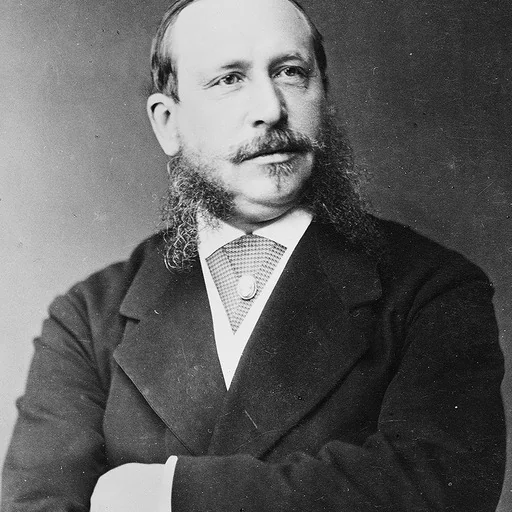
Wilhelm Ferdinand Pauwels (; 13 April 1830, Ekeren – 26 March 1904, Dresden) was a Belgian history painter who lived and worked in Germany.

Museum
Royal Museums of Fine Arts of Belgium
Continue through works from the same source collection.
 The Baptism of Vajk
 Ilona Zrínyi before the Investigating Judge
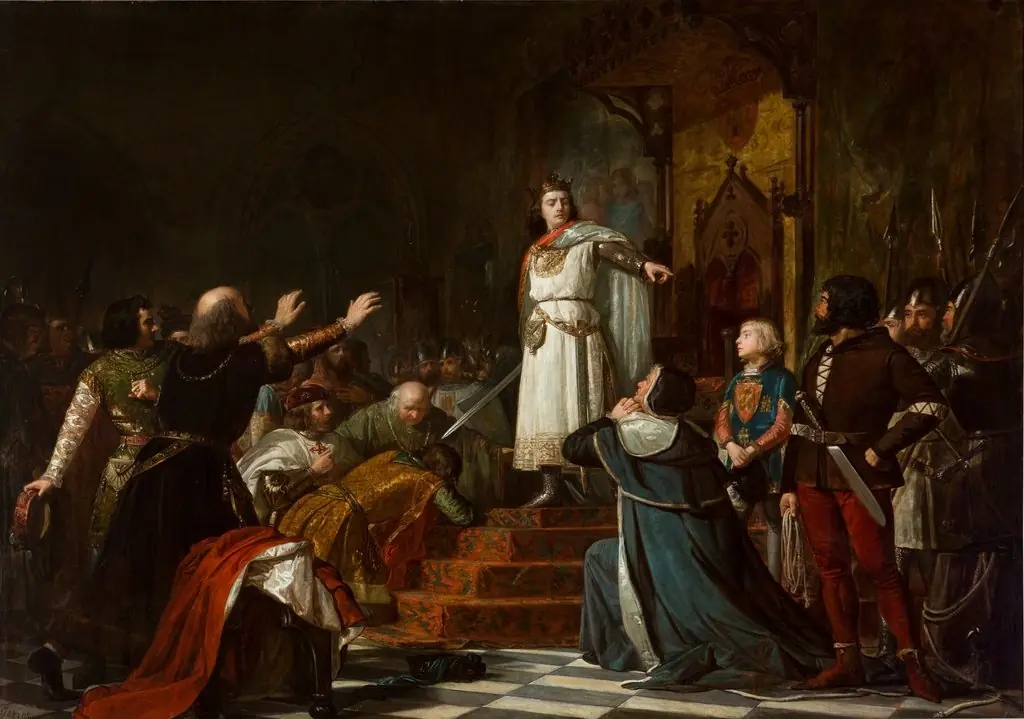 Episodio del reinado de don Enrique III de Castilla llamado el Doliente cuando al día siguiente de haber tenido que empeñar su gabán para comer corrige el orgullo y desmanes de los señores y ricoshomes de Castilla
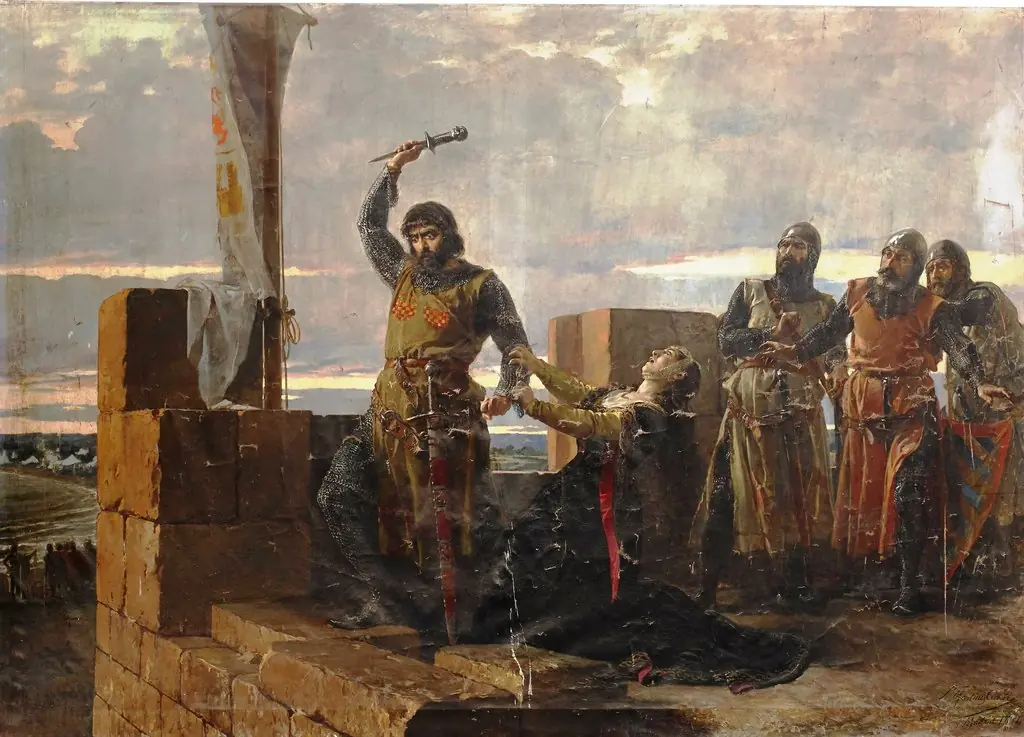 Guzmán el Bueno
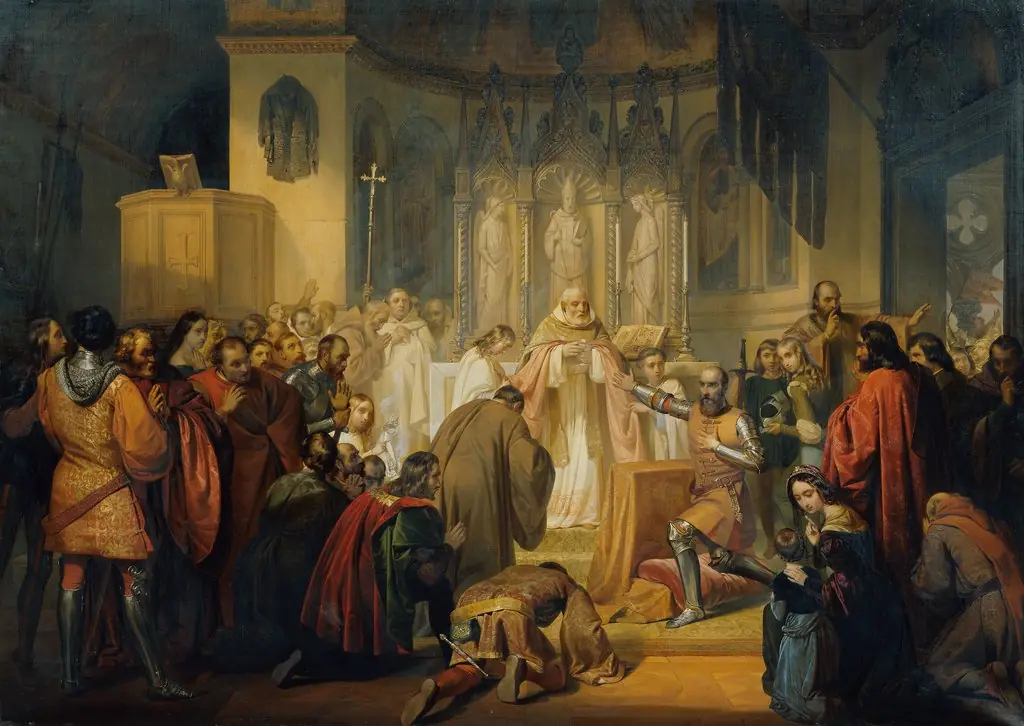 Vittore Pisani receives Holy Communion before taking command of an expedition against the Genoese
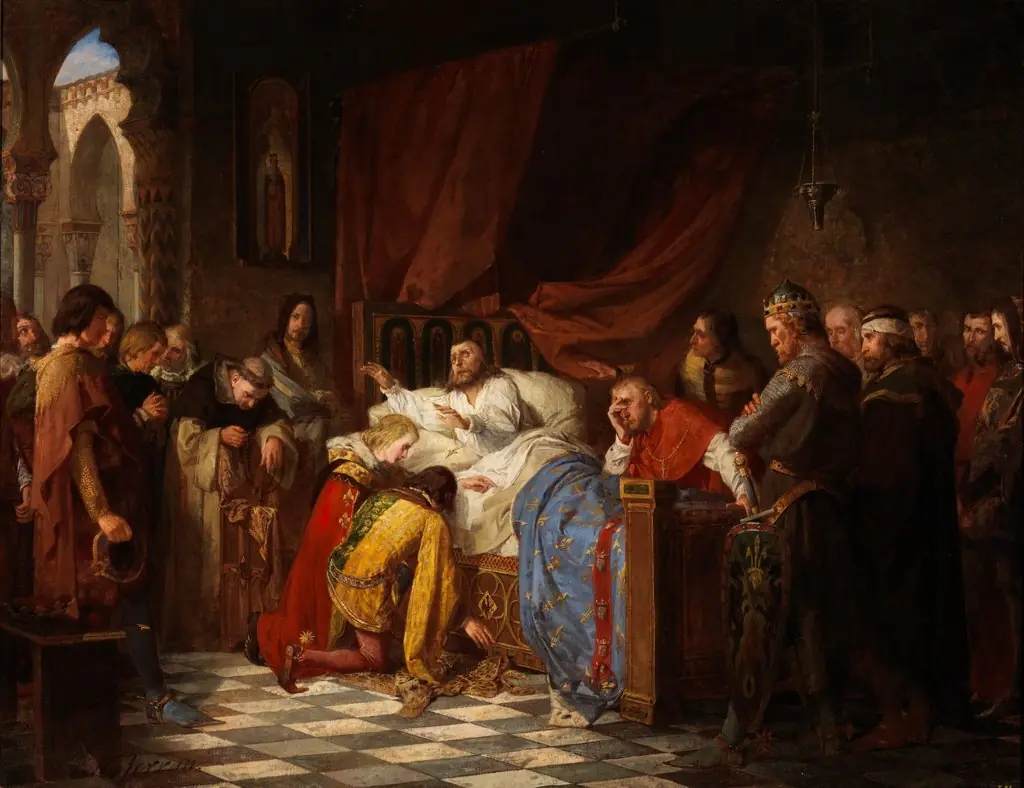 Felipe III de Francia moribundo bendiciendo a sus hijos
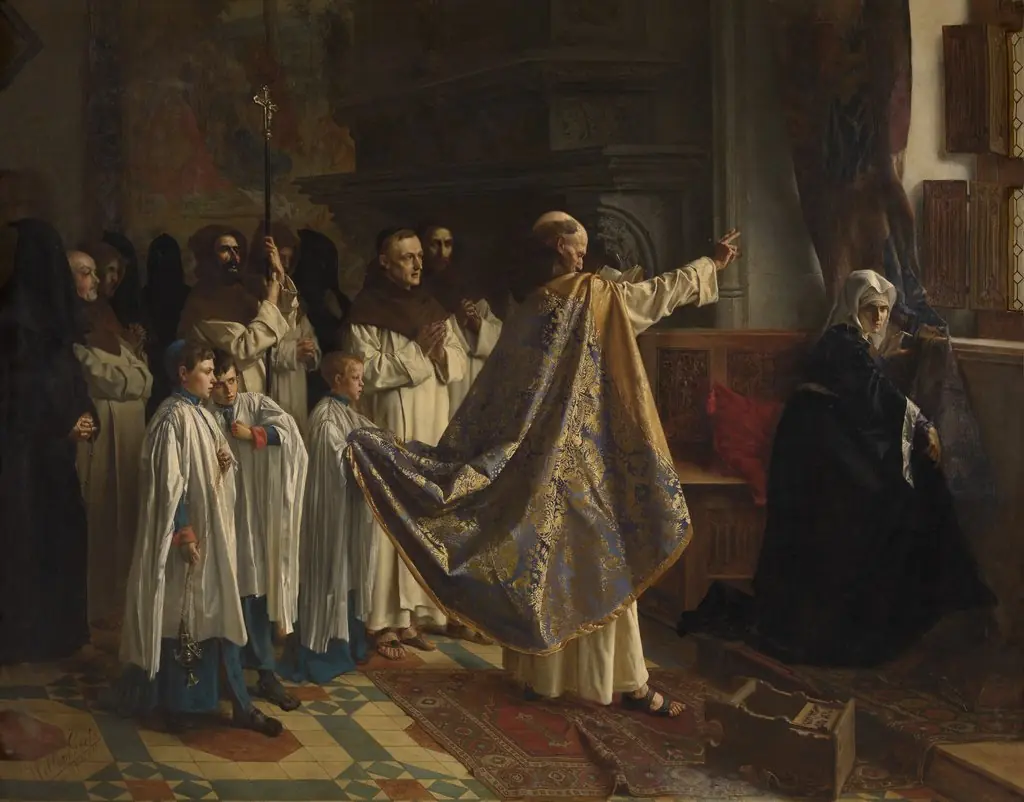 Exorcism of Joanna of Castile
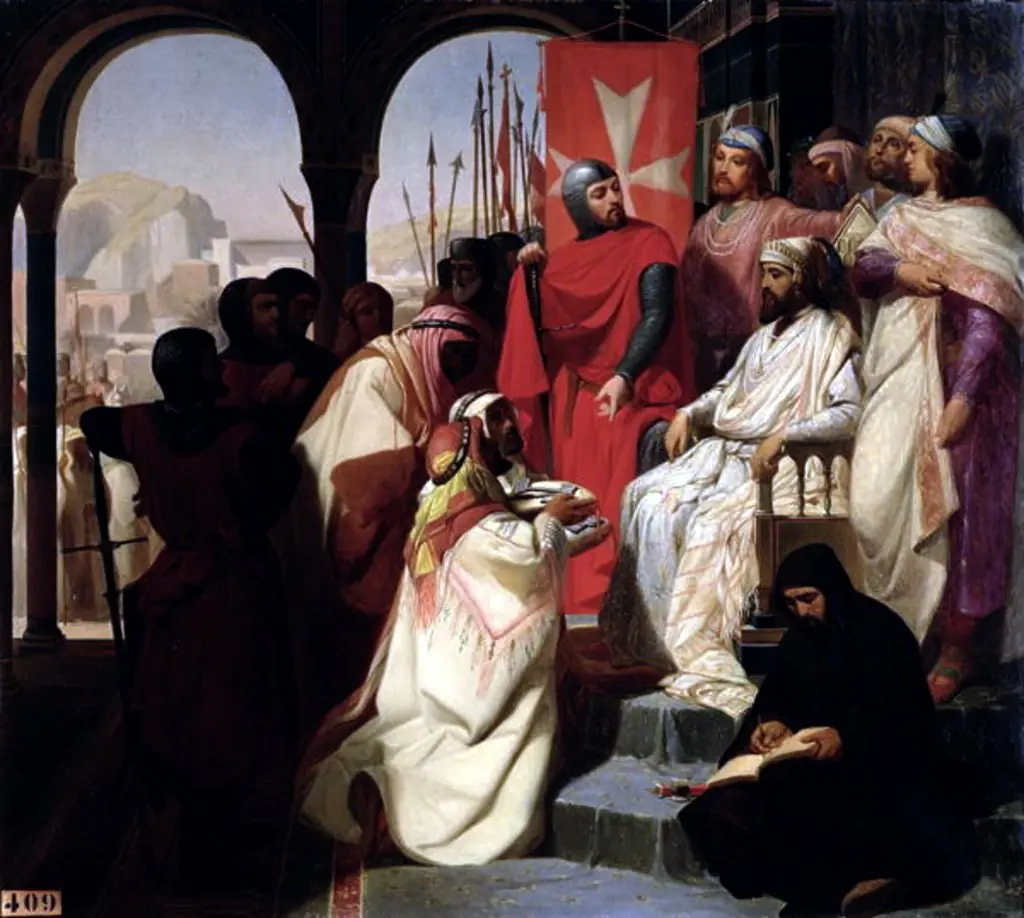 Knights of the Order of St. John of Jerusalem Restoring Religion in Armenia in 1347
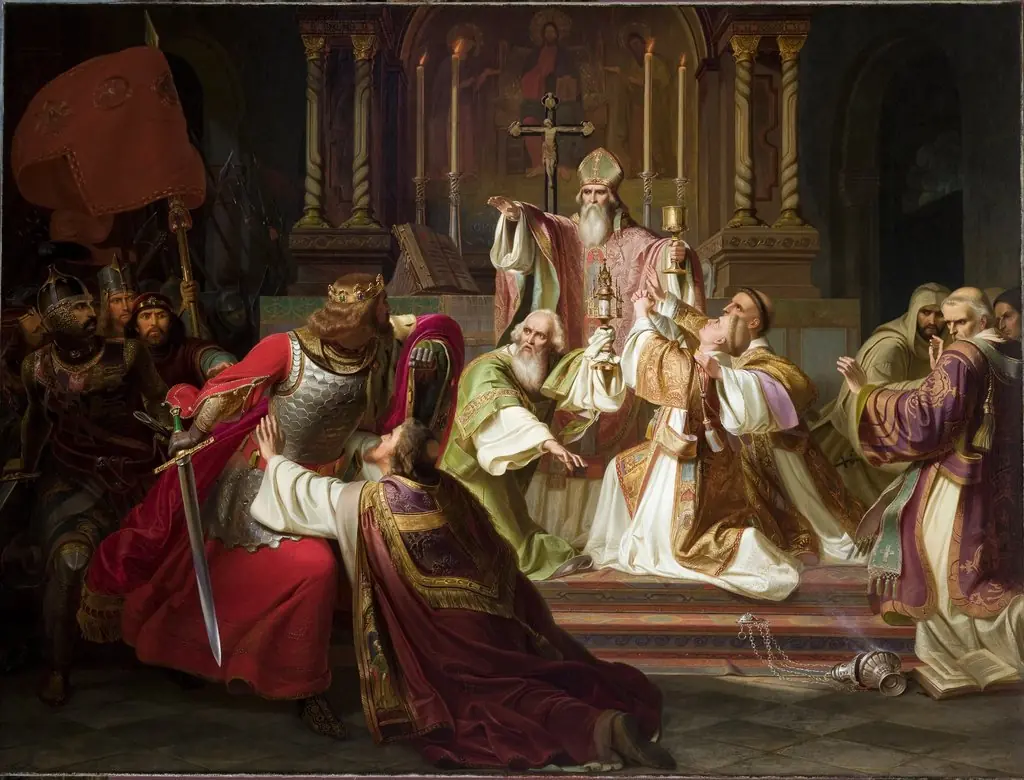 Bishop Stanisław Szczepanowski Putting a Curse on King Bolesław Śmiały
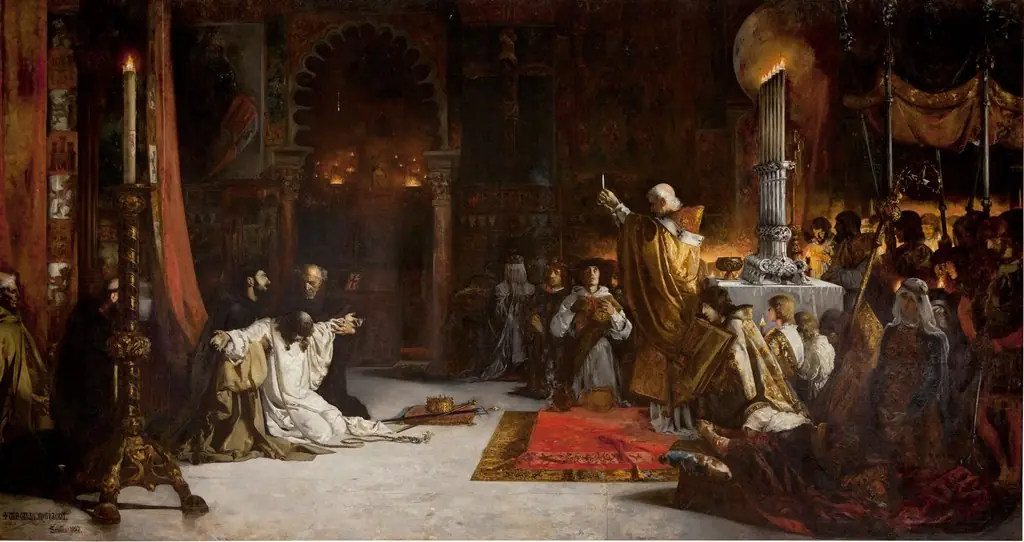 Las postrimerías de Fernando III el Santo
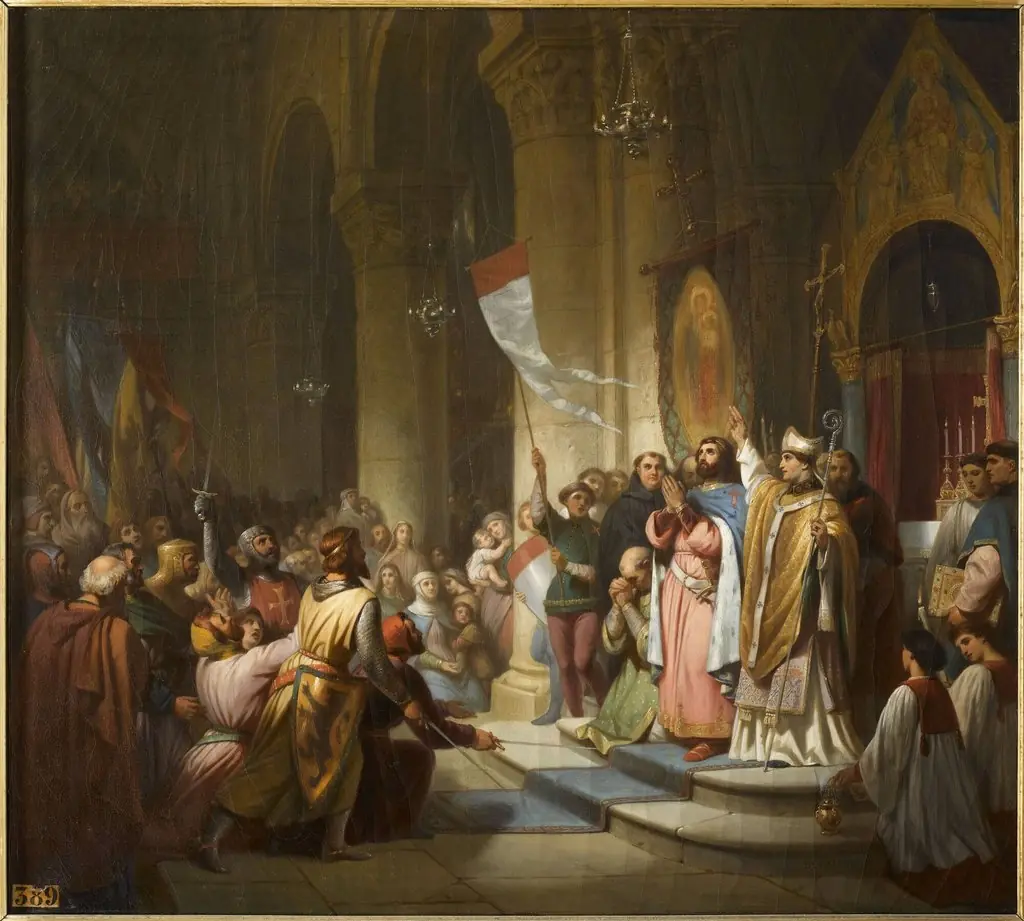 Election of Boniface of Montferrat as leader of the Fourth Crusade.
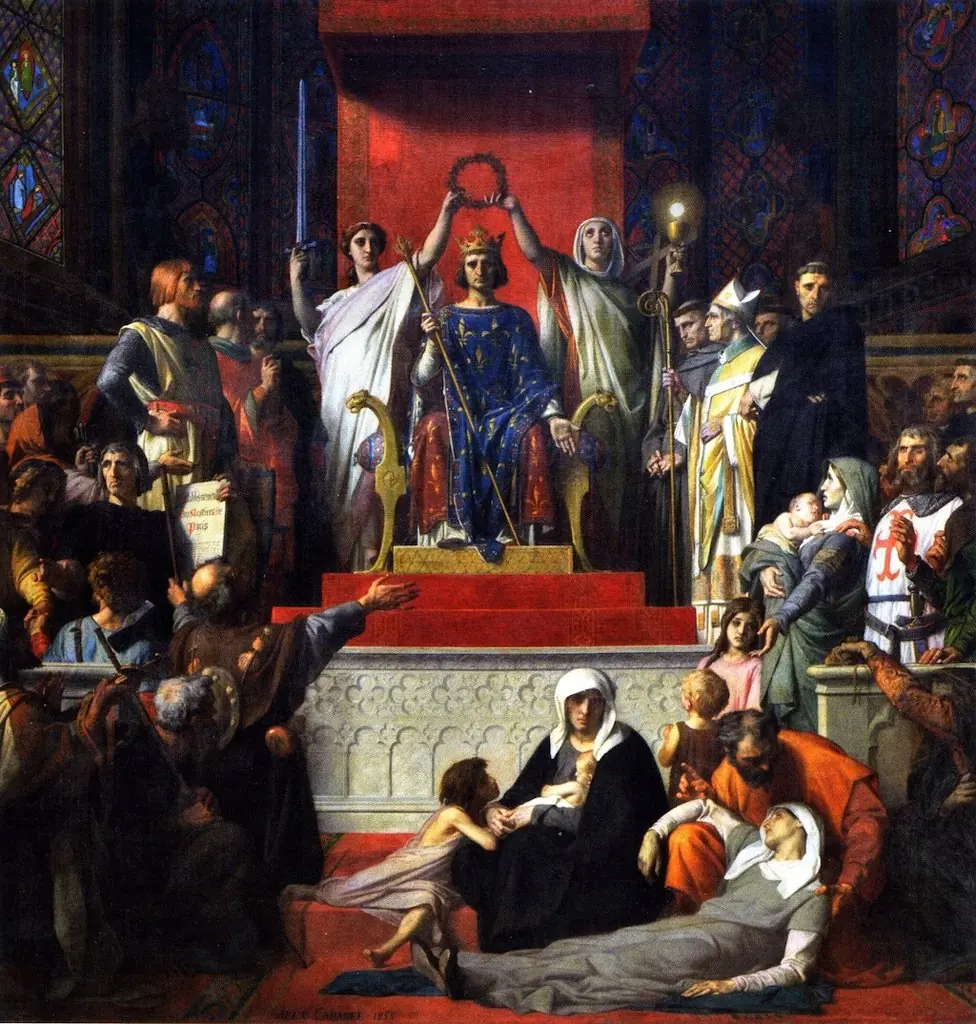 The Glorification of St. Louis