Artwork
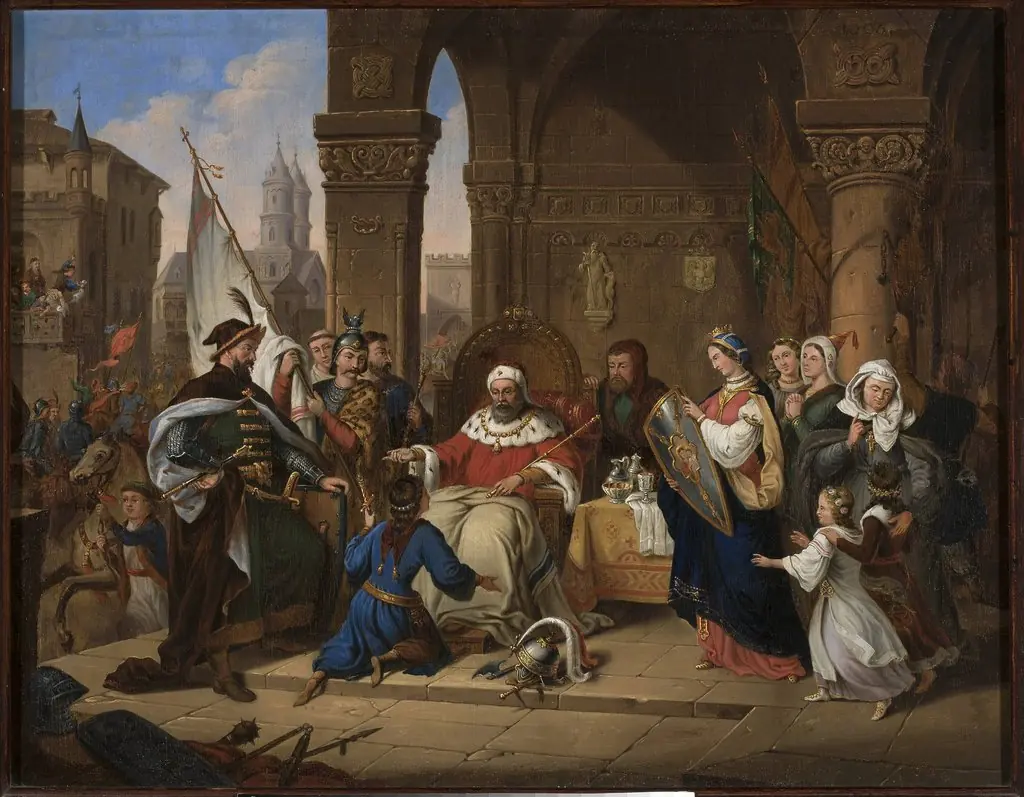
Bishop Stanisław Szczepanowski Putting a Curse on King Bolesław Śmiały
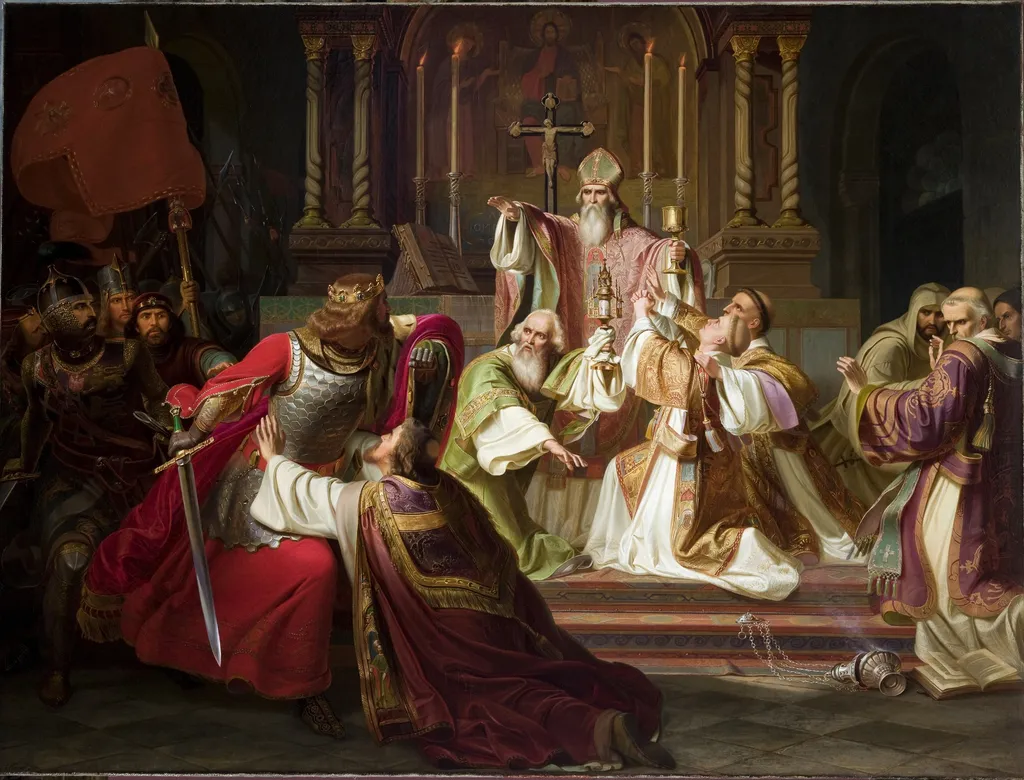
Bishop Stanisław Szczepanowski Putting a Curse on King Bolesław Śmiały is an oil painting by Julian Knorr. It dates from 1840 and is held in the collection of the National Museum in Kraków.
About this work
The painting is titled Bishop Stanisław Szczepanowski Putting a Curse on King Bolesław Śmiały.
It was created by Julian Knorr in 1840.
The artist's work is held at the National Museum in Kraków, which might have more information about the painting's context and the artist's style.
You can learn more about this style of painting by looking at the work of artist Julian Knorr.
Overview
Painted in 1840 by Julian Knorr, this oil-on-canvas work depicts a dramatic moment from Polish ecclesiastical history. It portrays Bishop Stanisław Szczepanowski confronting King Bolesław Śmiały, capturing a scene steeped in moral and political tension. The painting resides in the National Museum in Kraków, where it is part of a collection focused on 19th-century Polish historical art.
Subject & Meaning
The scene illustrates the legendary confrontation between Bishop Stanisław and King Bolesław II, following the king’s alleged murder of the bishop. The curse, as depicted, symbolizes divine retribution against royal tyranny. Knorr emphasizes the bishop’s moral authority and the king’s isolation, reinforcing themes of justice, power, and spiritual accountability in medieval Polish society.
Technique & Style
Knorr employs a theatrical composition with strong contrasts of light and shadow to heighten emotional intensity. Figures are rendered with precise detail, particularly in the bishop’s vestments and the king’s regal attire. The background remains subdued, directing focus to the central confrontation. The style reflects Romantic-era tendencies toward historical narrative and heightened drama.
History & Provenance
Commissioned during a period of Polish national revival under foreign partition, the painting emerged as part of a broader cultural effort to reclaim historical identity. It entered the National Museum in Kraków’s collection shortly after its completion and has remained there since, serving as a reference for interpretations of Poland’s medieval church-state conflicts.
Context
In the 1840s, Polish artists frequently turned to medieval legends to express resistance to foreign rule. Knorr’s depiction of a bishop defying a king resonated with contemporary sentiments about moral leadership and national sovereignty. The subject, though rooted in 11th-century lore, was reinterpreted to align with 19th-century political aspirations and religious identity.
Legacy
Though not widely reproduced, the painting remains a significant example of Polish Romantic historiography in visual form. It contributes to scholarly understanding of how historical narratives were visually constructed during the national revival. Knorr’s work, while less known than some contemporaries, offers insight into regional artistic responses to Poland’s complex past.
Artist & collection

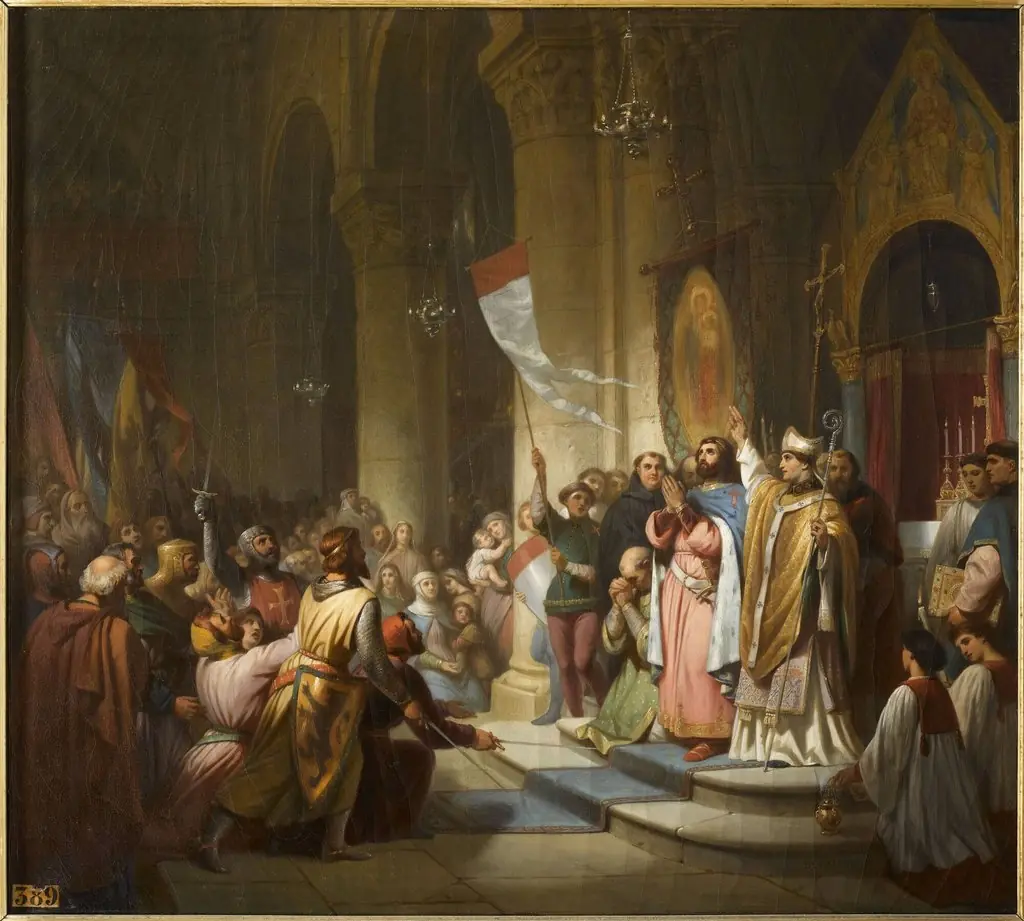 Election of Boniface of Montferrat as leader of the Fourth Crusade.
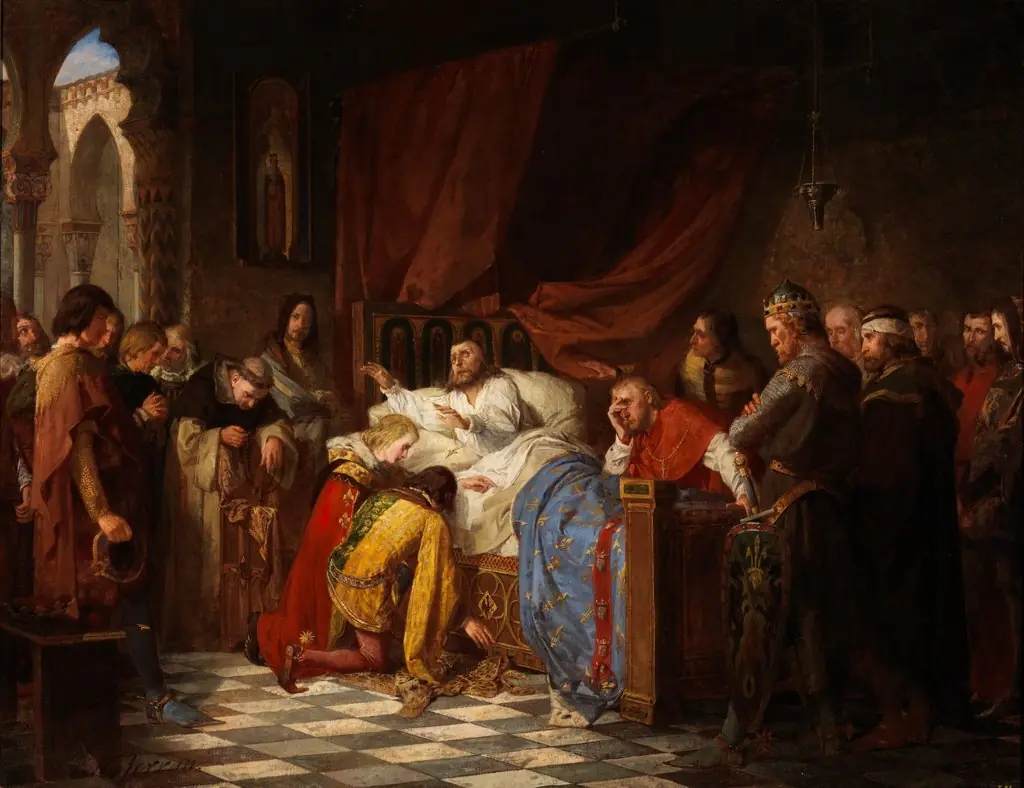 Felipe III de Francia moribundo bendiciendo a sus hijos
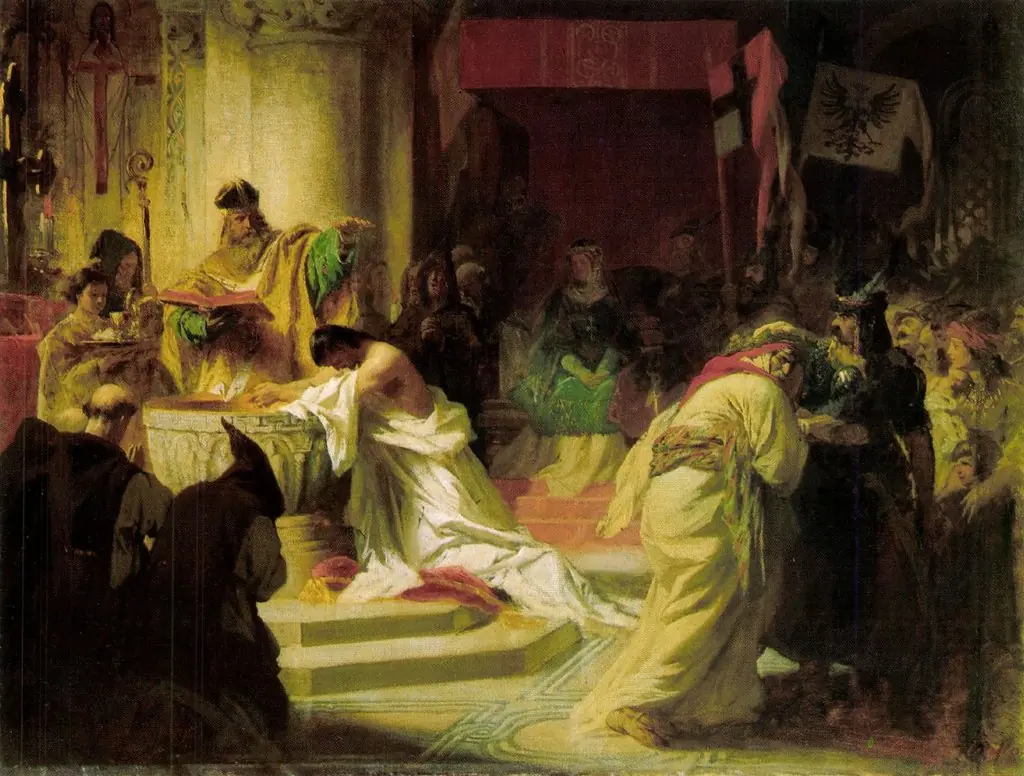 The Baptism of Vajk
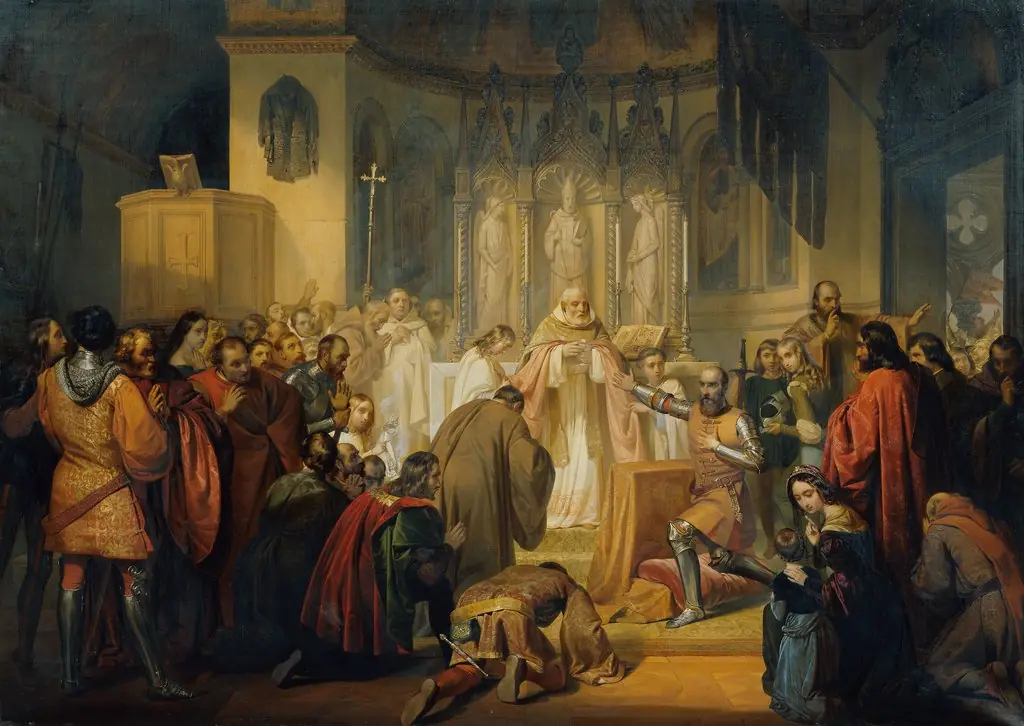 Vittore Pisani receives Holy Communion before taking command of an expedition against the Genoese
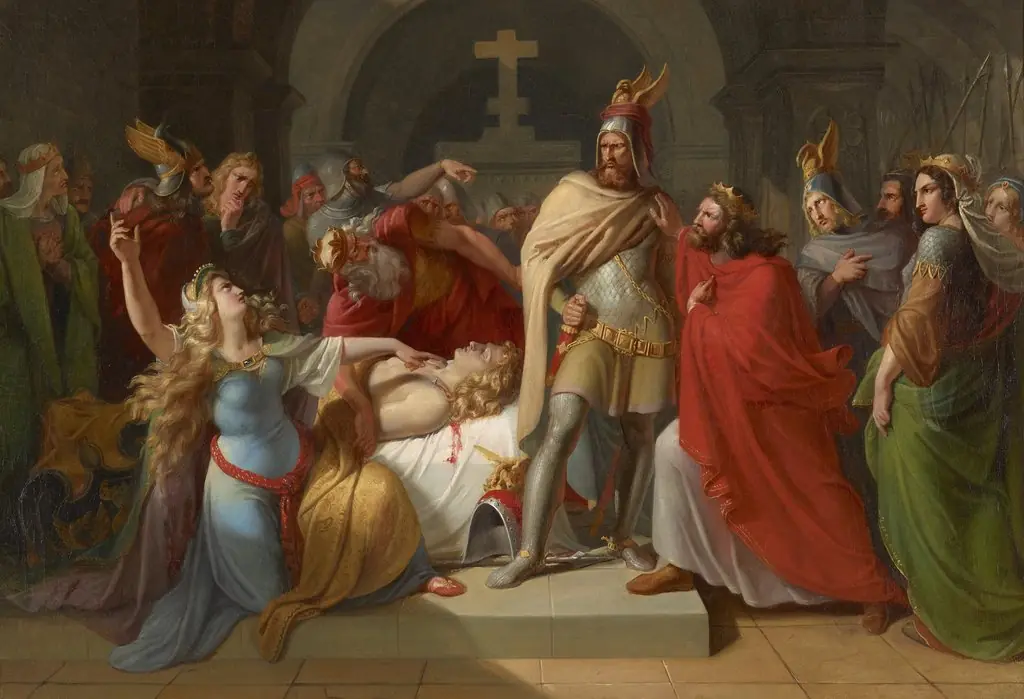 Kriemhild an der Leiche Siegfrieds erklärt Hagen als dessen Mörder und schwört Rache
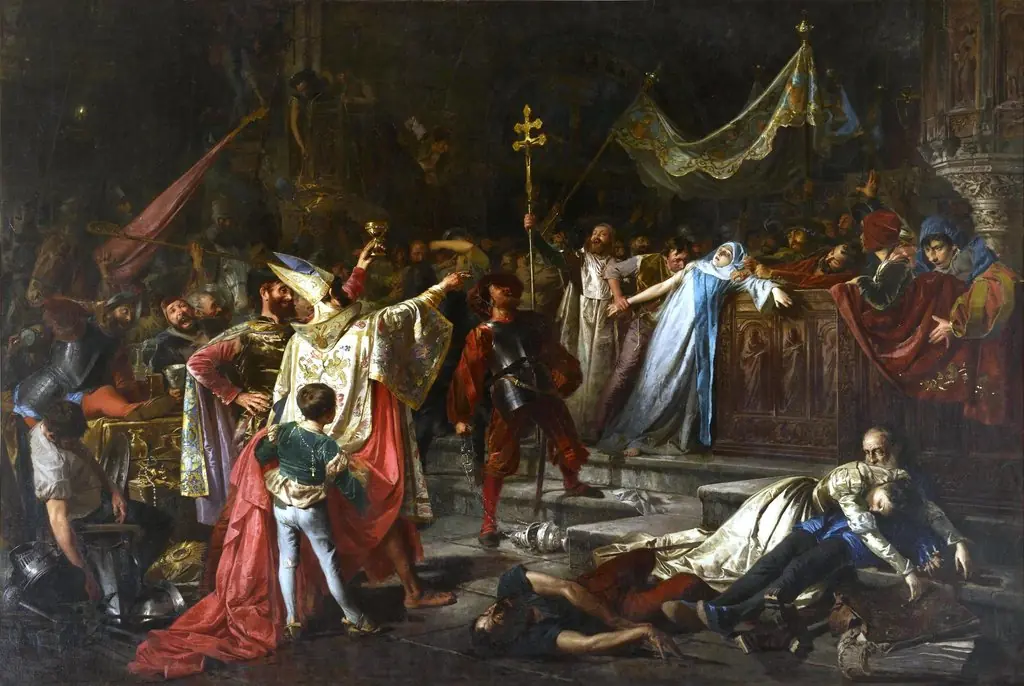 The Sack of Rome
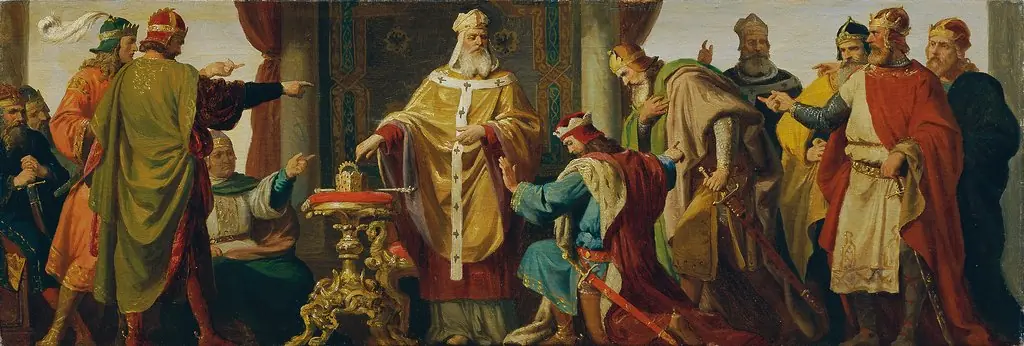 Leopold the Saint rejects the imperial crown
 Exorcism of Joanna of Castile
 Episodio del reinado de don Enrique III de Castilla llamado el Doliente cuando al día siguiente de haber tenido que empeñar su gabán para comer corrige el orgullo y desmanes de los señores y ricoshomes de Castilla
 Las postrimerías de Fernando III el Santo
 Concilio III de Toledo
 Youth of Bolesław the Wry-Mouthed