Artwork
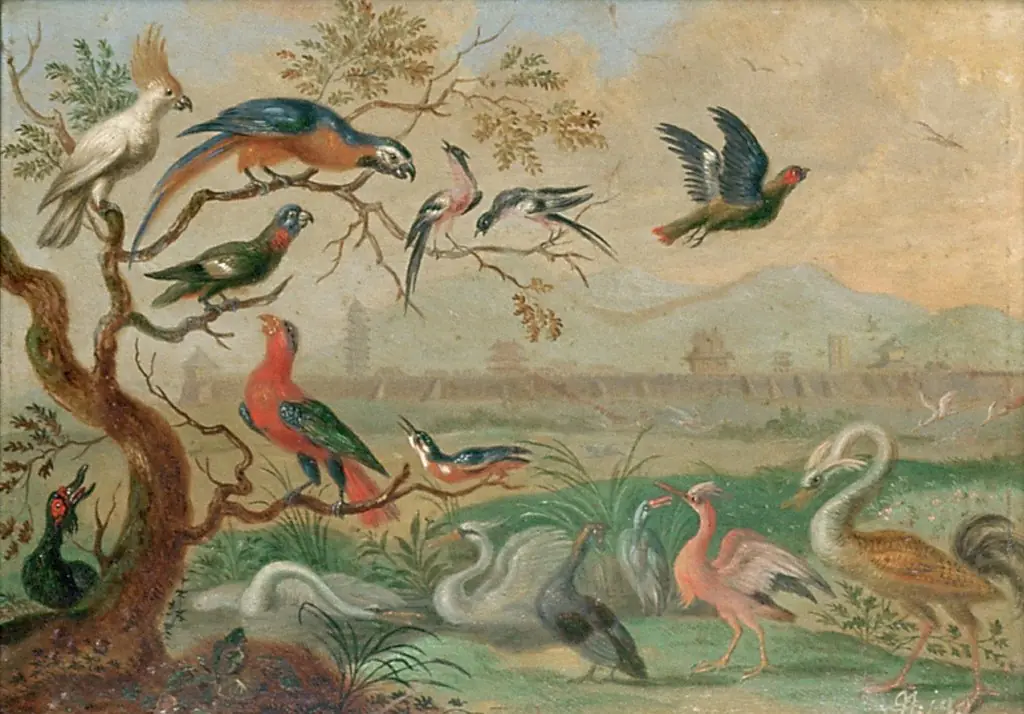
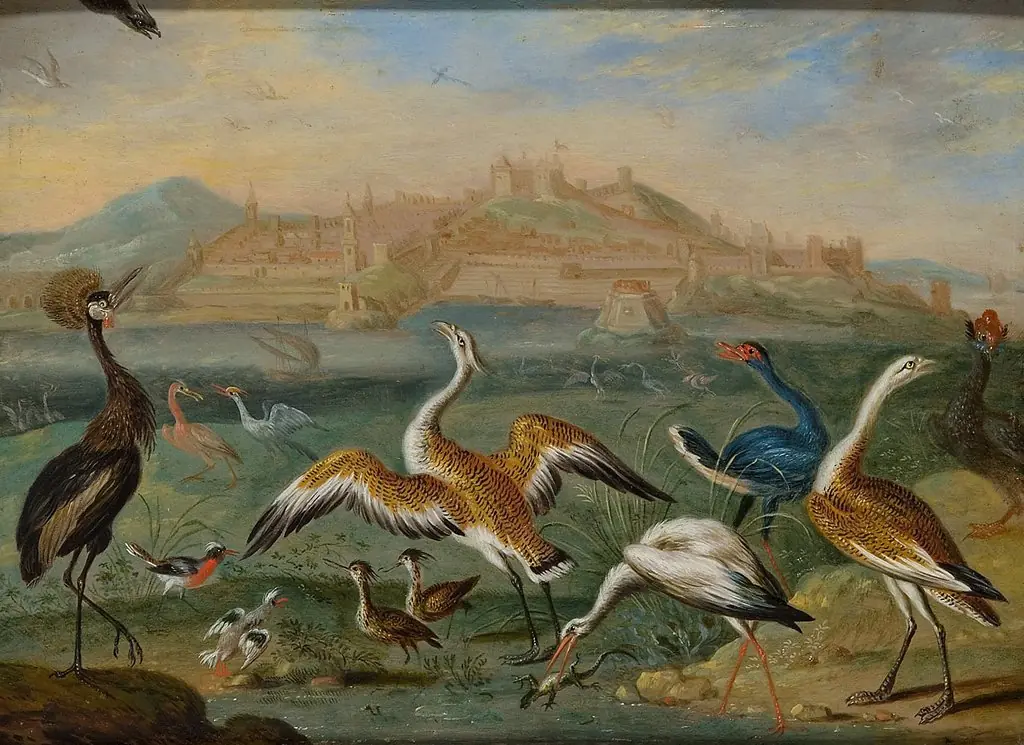
Ansichten aus den vier Weltteilen mit Szenen von Tieren: Amadabad
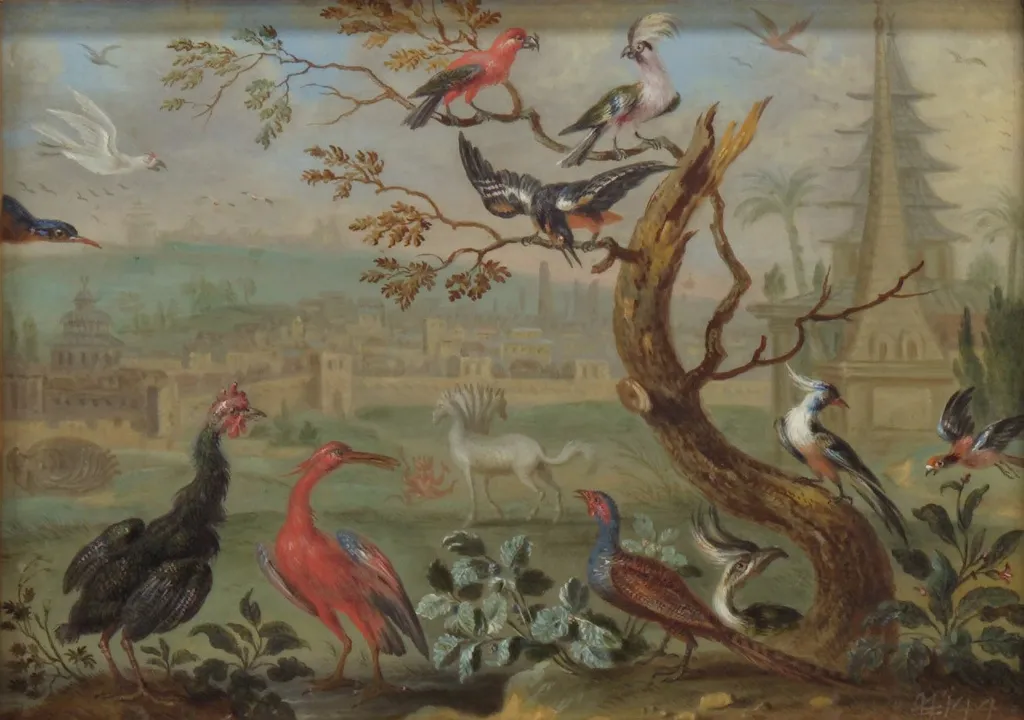
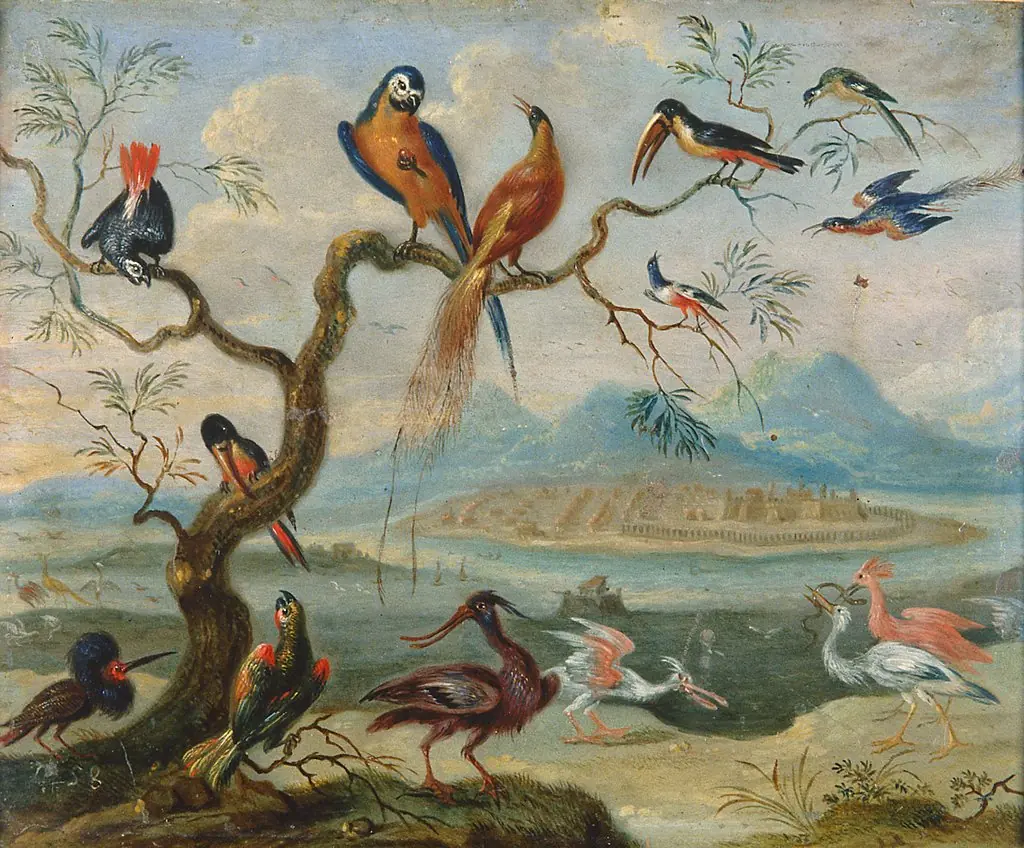
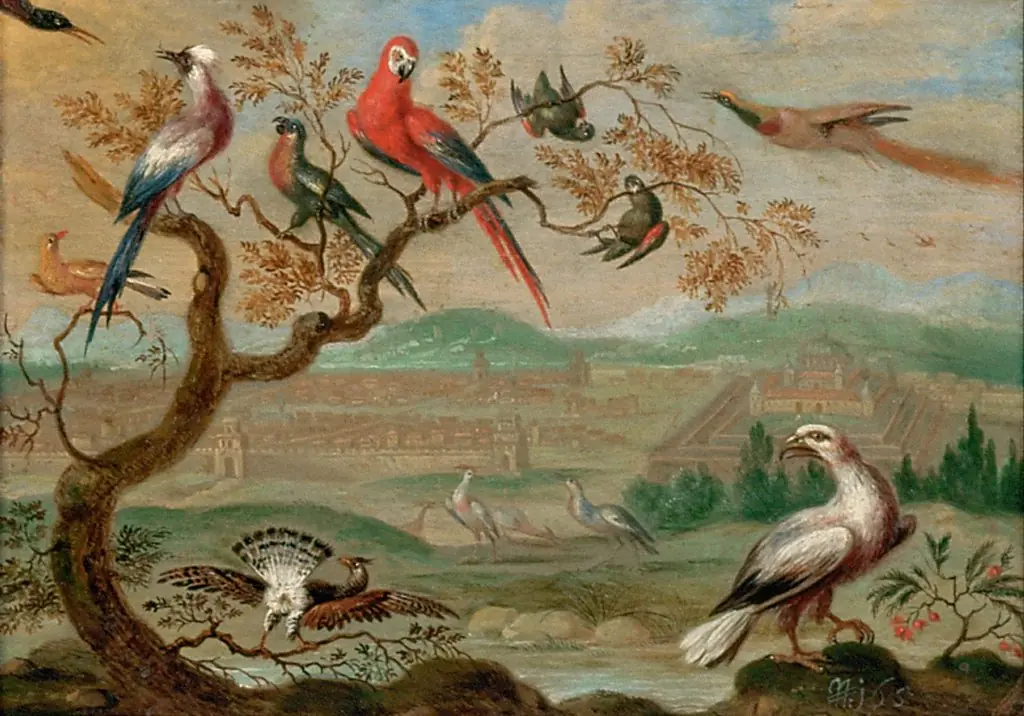
Ansichten aus den vier Weltteilen mit Szenen von Tieren: Amadabad is an unspecified painting by Ferdinand van Kessel the Elder. It dates from 1682 and is held in the collection of the Kunsthistorisches Museum.
About this work
Overview
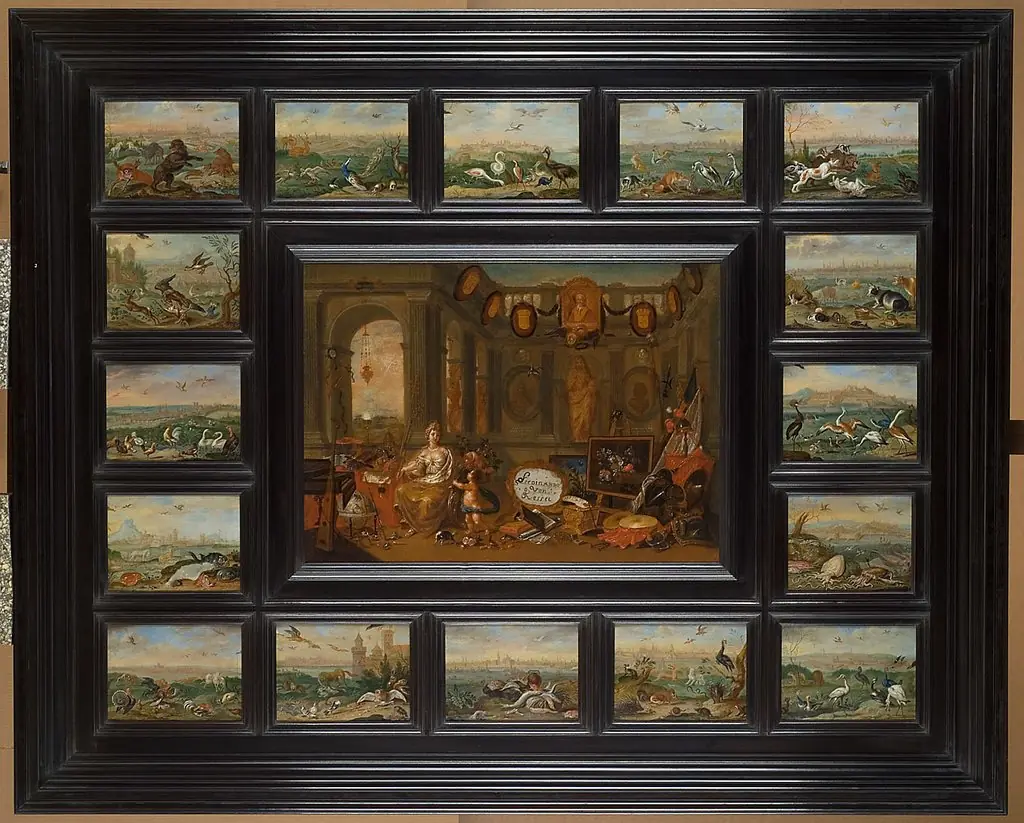
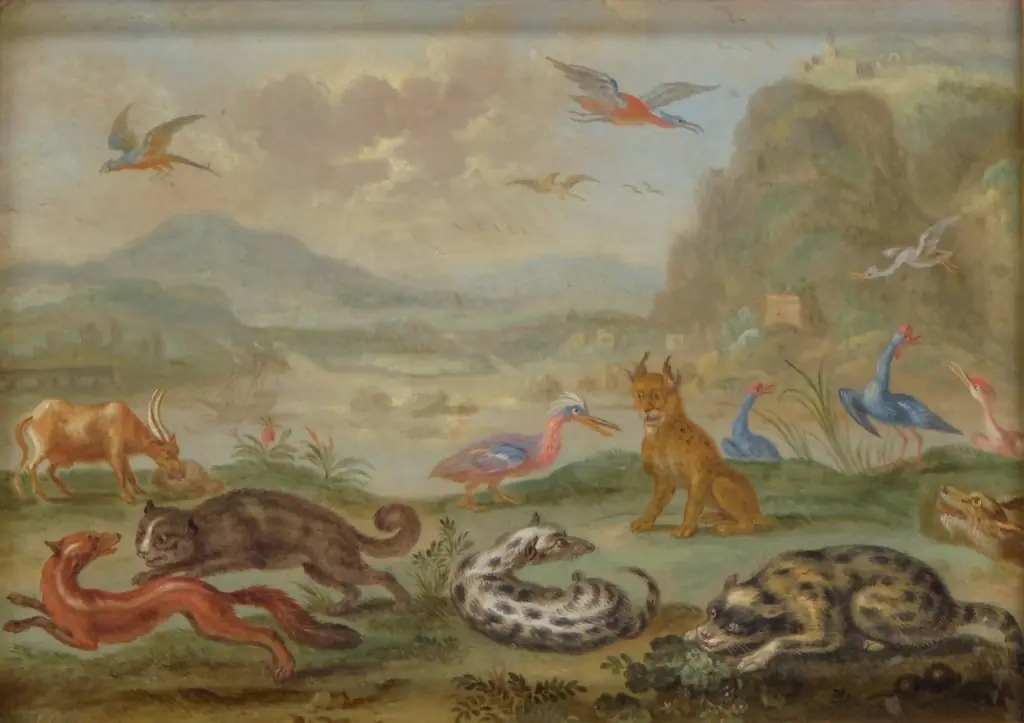
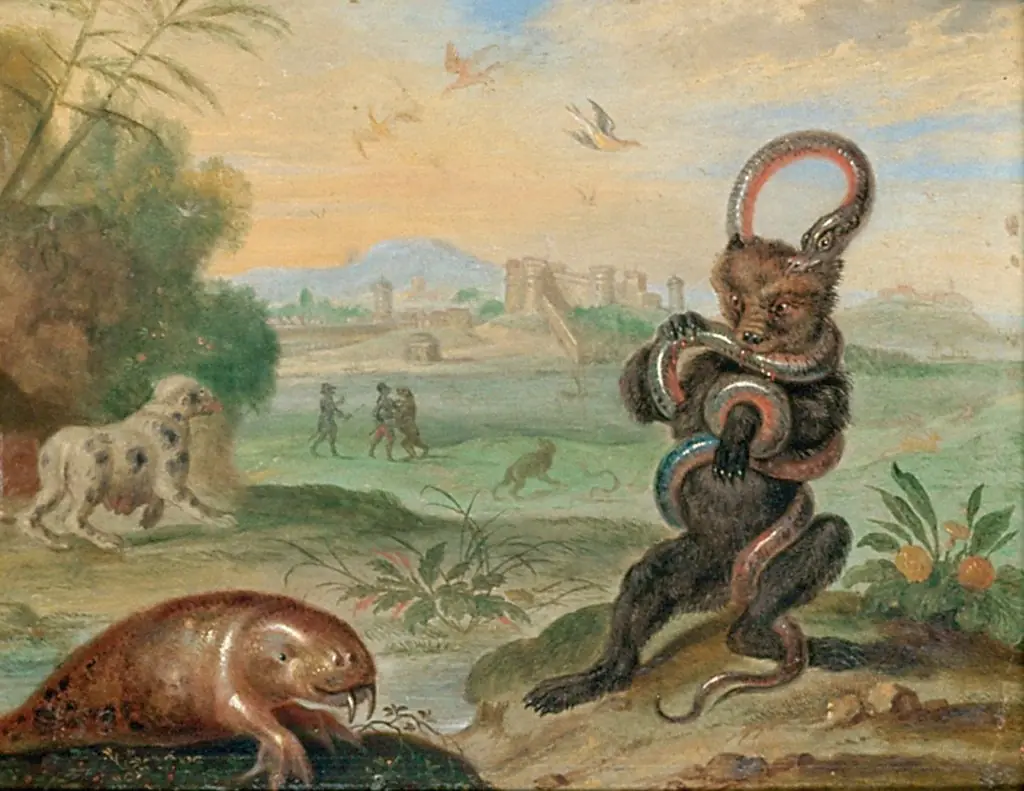
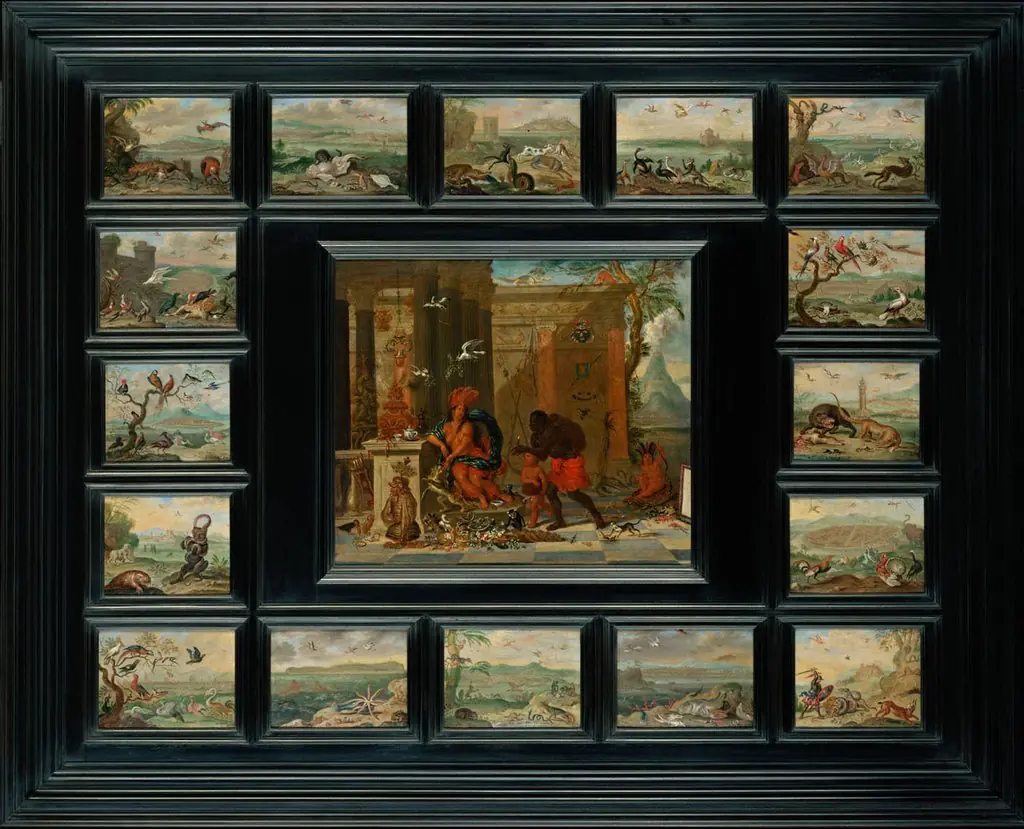
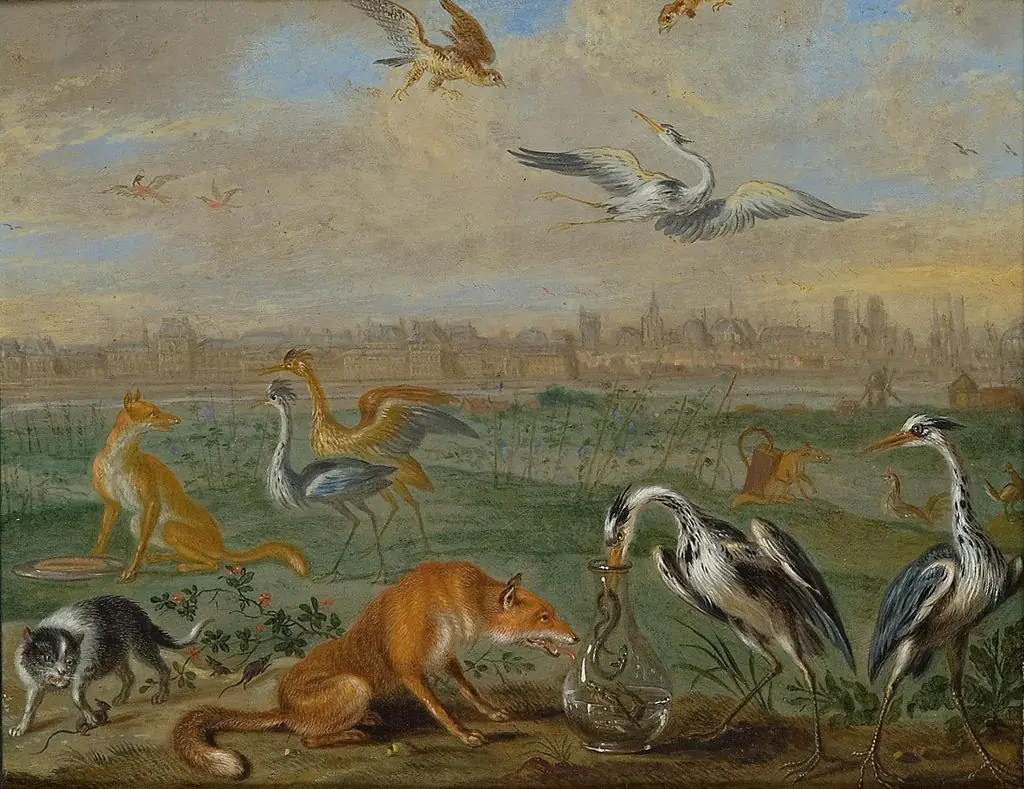
Ferdinand van Kessel the Elder's 'Ansichten aus den vier Weltteilen mit Szenen von Tieren: Amadabad' is a painting from around 1682, part of a series depicting animals from four continents. It is held in the Kunsthistorisches Museum's collection.
Subject & Meaning
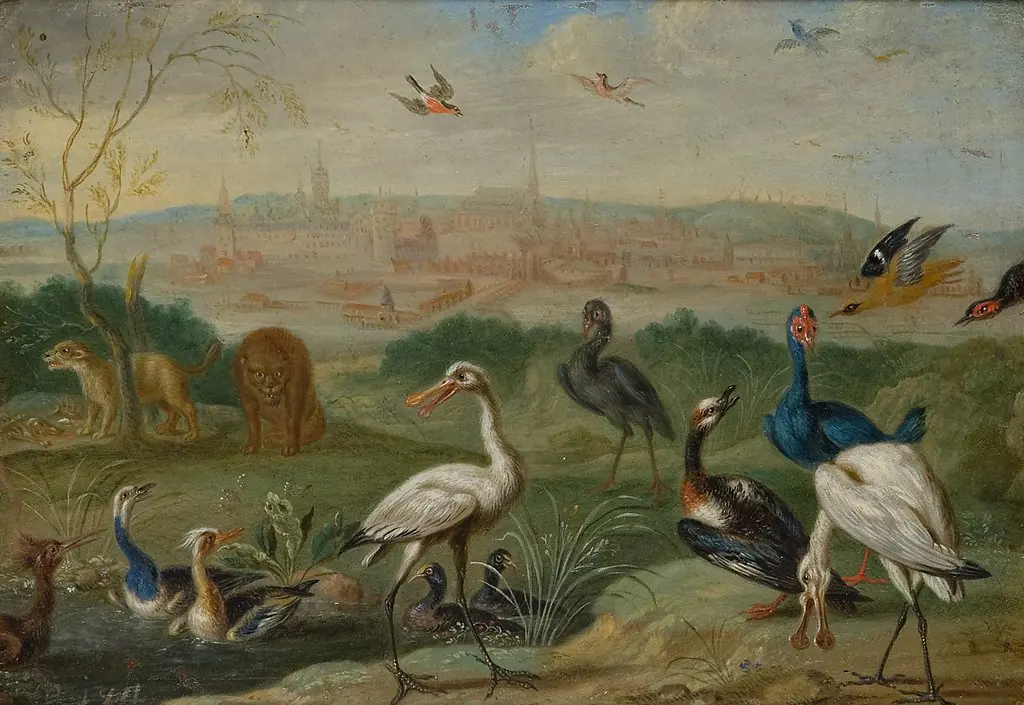
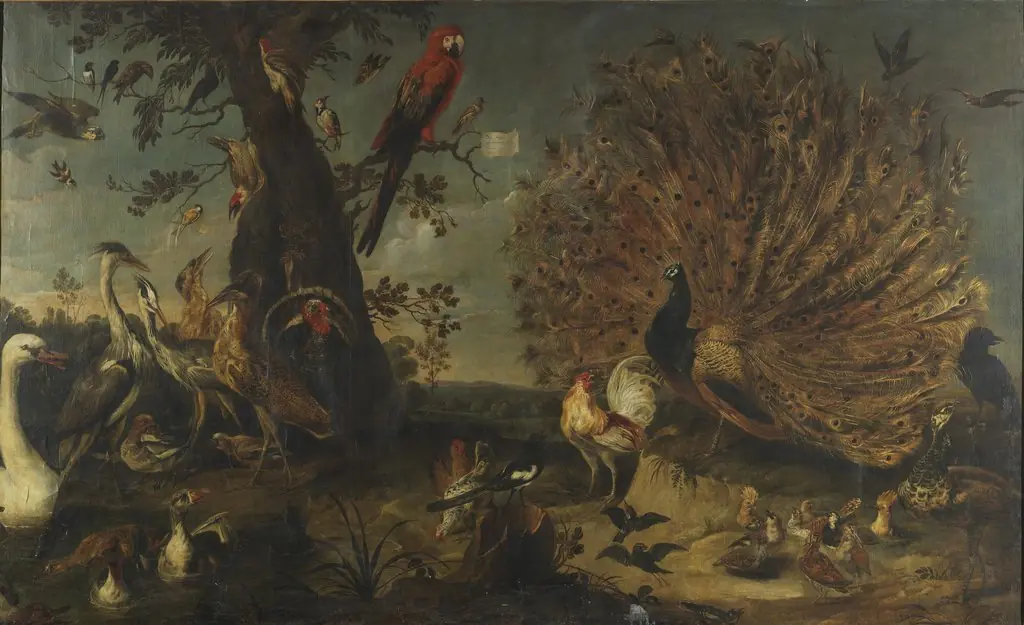
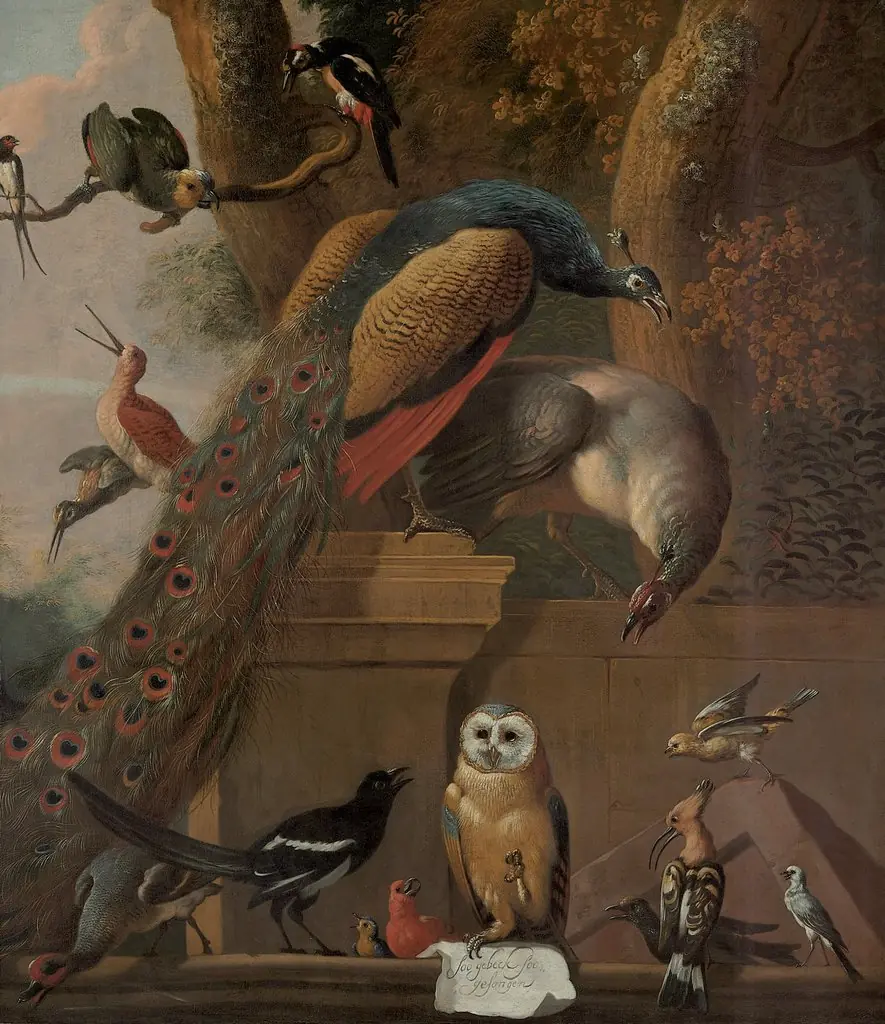
The painting shows a lively scene with diverse birds and a white horse set against a somewhat indistinct cityscape, likely Amadabad. The scene conveys a sense of vibrancy and energy, featuring various animals and a background that suggests a bustling environment.
Technique & Style
As a Flemish Baroque painter, van Kessel's work is characterized by its depiction of landscapes and scenes with animals. 'Amadabad' showcases his skill in rendering diverse textures and colors, from the plumage of birds to the cityscape in the background.
History & Provenance
Created around 1682, 'Ansichten aus den vier Weltteilen mit Szenen von Tieren: Amadabad' is part of a broader series by van Kessel. The painting is now in the Kunsthistorisches Museum, indicating its significance within the artist's oeuvre and the museum's collection.
Artist & collection
Artist
Ferdinand van Kessel the Elder
Ferdinand van Kessel (1648 – 1696), was a Flemish Baroque painter known for his landscapes, still lifes and genre pieces with monkeys.