Artwork
Composition
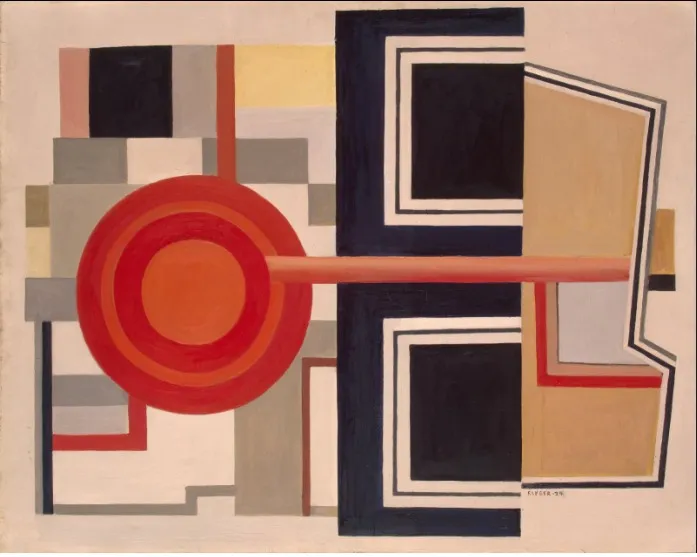
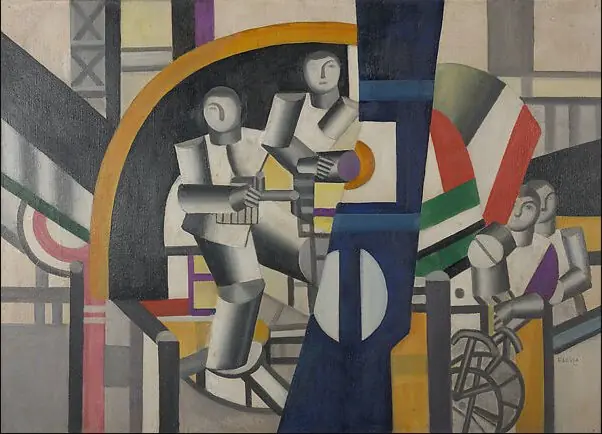
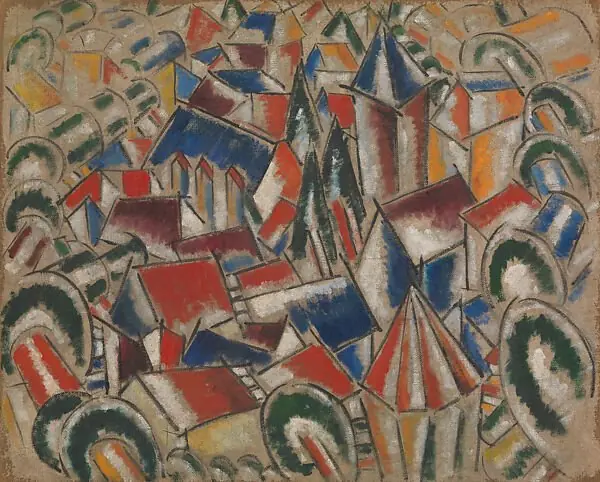
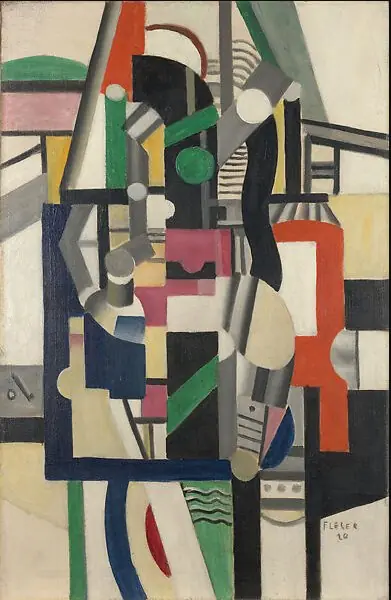
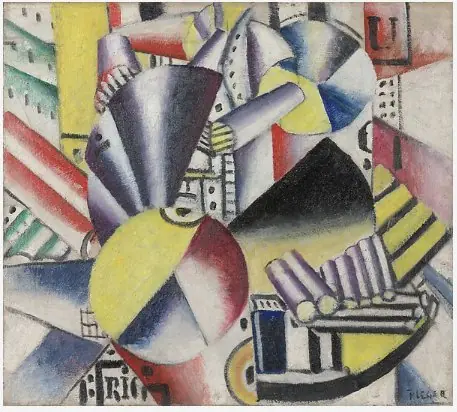
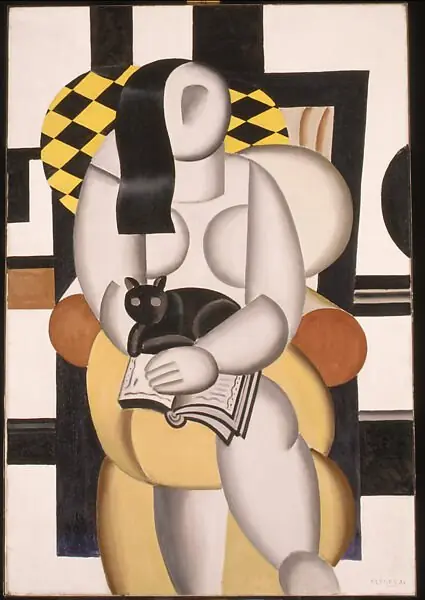
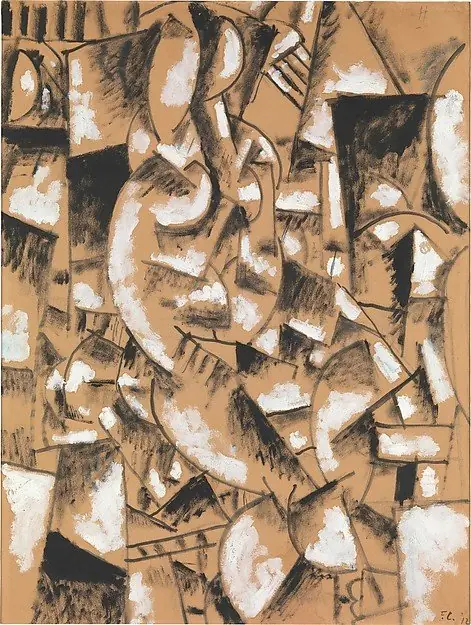
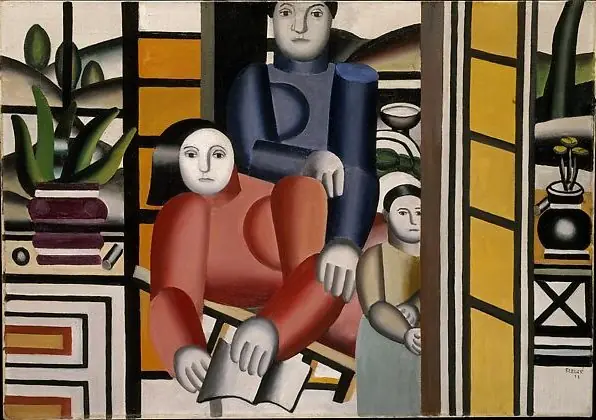
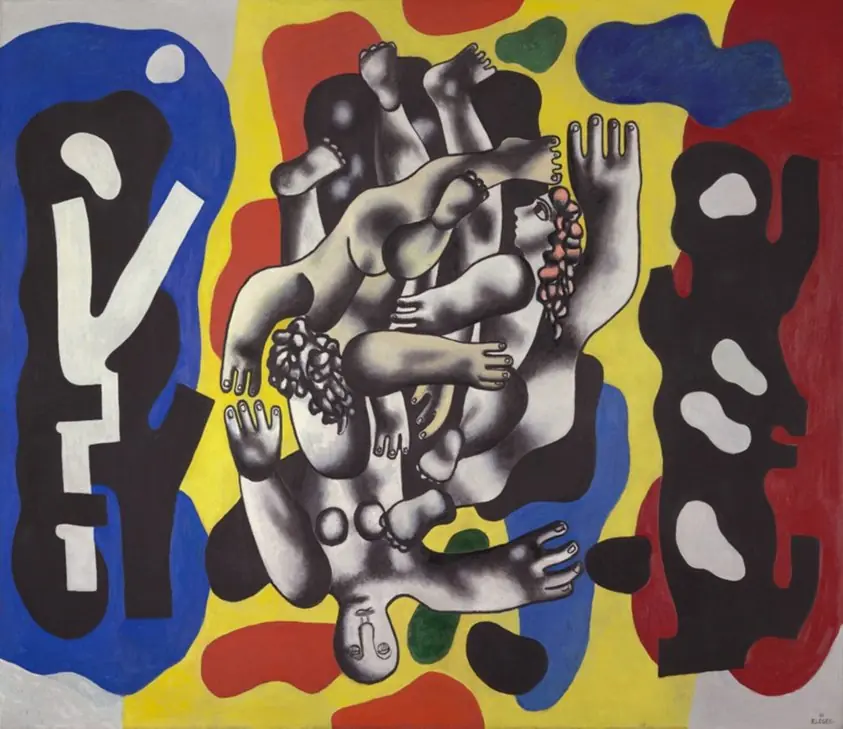
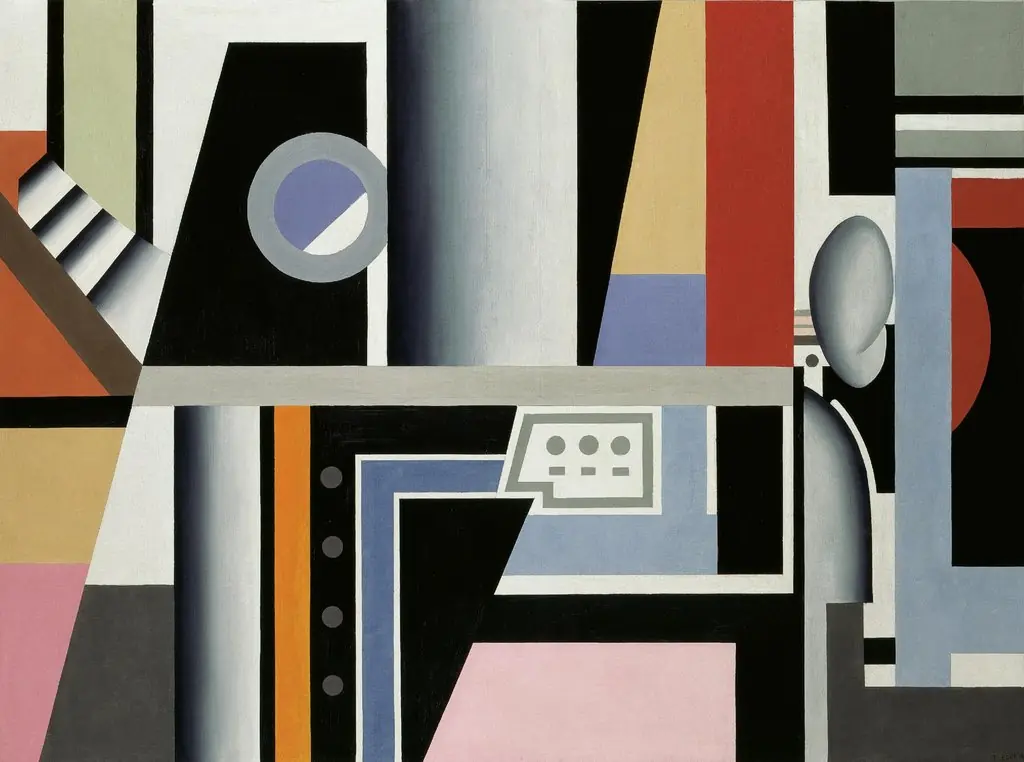
Composition is an oil painting by Fernand Léger. It dates from 1924 and is held in the collection of the Hermitage Museum.
About this work
Overview
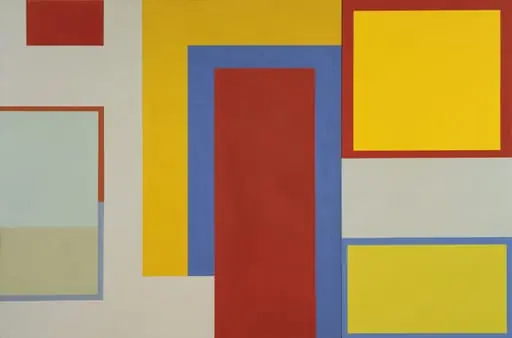
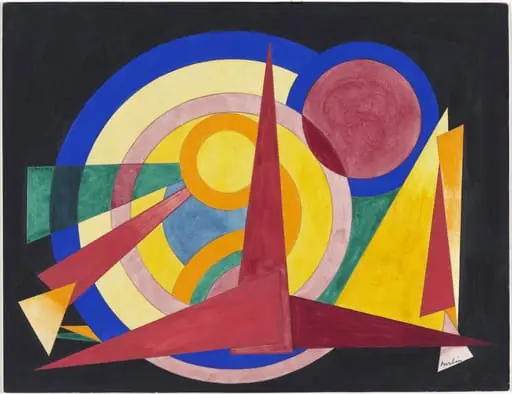
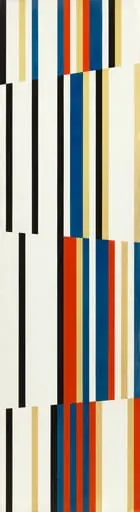
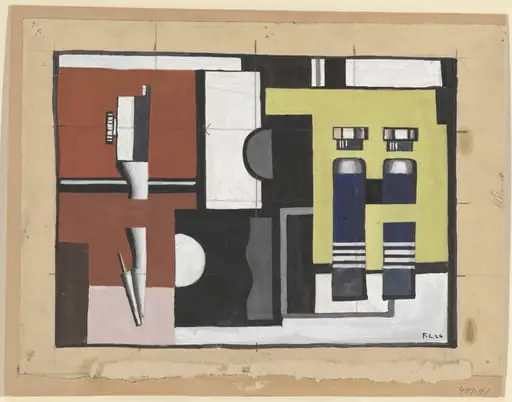
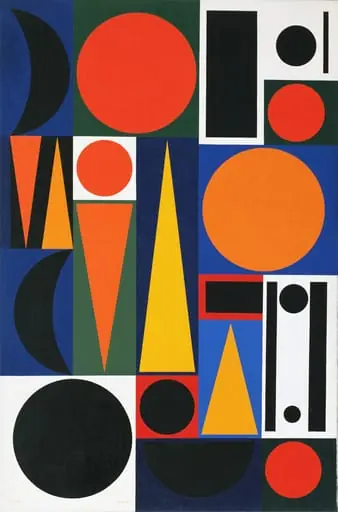
The piece presents a structured arrangement of geometric elements—circles, rectangles, and lines—arranged without reference to natural forms.
Painted in 1924, Composition is an abstract oil work by Fernand Léger. It resides in the State Hermitage Museum in Saint Petersburg. The piece presents a structured arrangement of geometric elements—circles, rectangles, and lines—arranged without reference to natural forms. Its restrained palette and precise composition reflect Léger’s interest in mechanical aesthetics and visual order during the post-war period.
Subject & Meaning
The painting avoids figurative representation, instead proposing a visual language of pure form. A large red circle with an orange core anchors the left, while a black rectangle bordered in white dominates the right. These shapes do not symbolize specific objects but suggest structural relationships—perhaps echoing industrial motifs or urban rhythms. The work invites contemplation of balance, contrast, and spatial dynamics rather than narrative.
Technique & Style
Léger applied oil paint with flat, even surfaces and sharp edges, minimizing brushwork to emphasize clarity of form. The background, a muted beige, allows the primary colors—red, black, white, and orange—to assert their presence. Lines are crisp, shapes are simplified, and color areas are carefully juxtaposed to create equilibrium. This method aligns with his broader pursuit of a modern visual syntax rooted in machine-age aesthetics.
History & Provenance
Created in 1924, the painting entered the collection of the State Hermitage Museum in the 1930s, likely through state acquisition during a period of increased Soviet interest in European modernism. Its presence in the Hermitage reflects broader cultural exchanges between Soviet institutions and avant-garde artists in interwar Europe, despite ideological differences.
Context
Léger painted Composition during a phase when he was distancing himself from Cubism’s fragmentation, moving toward a more ordered, mechanized abstraction. Influenced by urban life and industrial design, he sought to create art that resonated with modern experience. This work aligns with contemporaneous movements like De Stijl and Constructivism, though it retains a distinctly personal rhythm and color sensitivity.
Legacy
Composition exemplifies Léger’s contribution to the evolution of geometric abstraction in the early 20th century. Its clarity and restraint influenced later generations of artists exploring non-representational form. Though not widely exhibited outside institutional collections, it remains a key reference in studies of modernist painting’s shift toward structural harmony over emotional expression.
Artist & collection
Artist
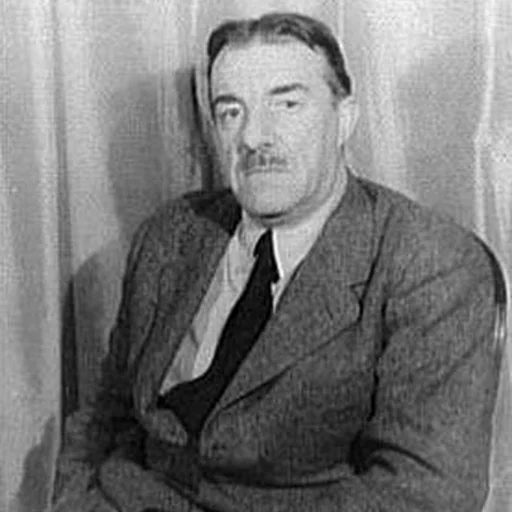
Joseph Fernand Henri Léger was a French painter, sculptor, and filmmaker. In his early works he created a personal form of cubism which he gradually modified into a more figurative, populist style. His boldly simplified…