Artwork
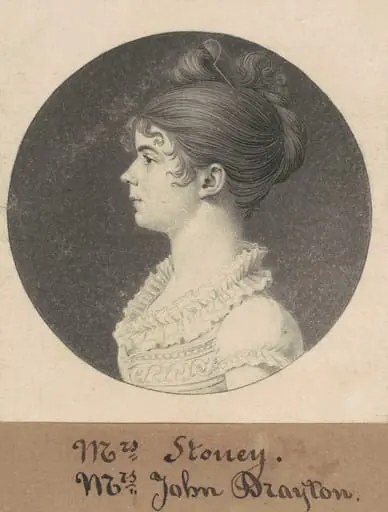
Mrs. J. Coleman Drayton (Charlotte Augusta Astor)
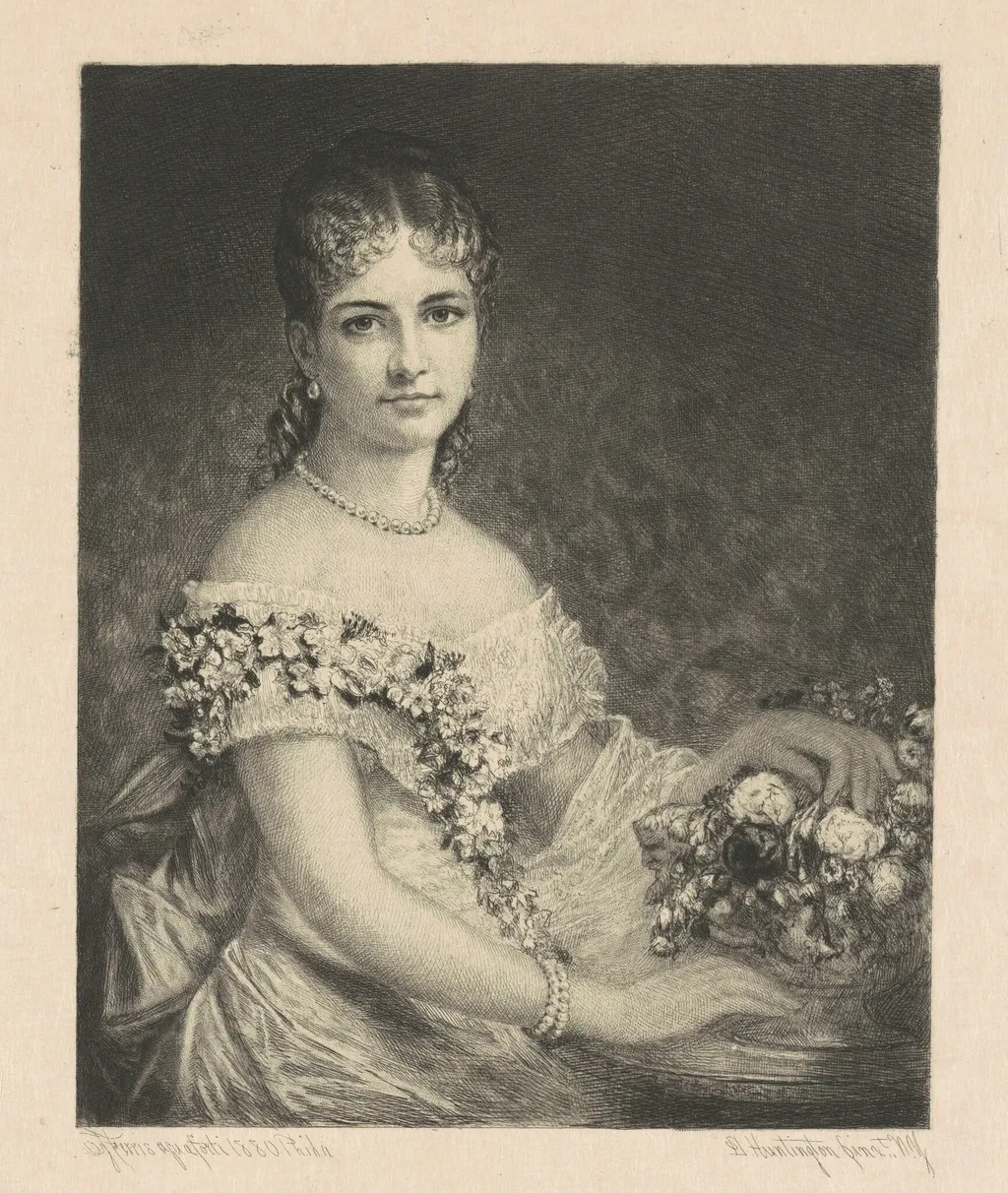
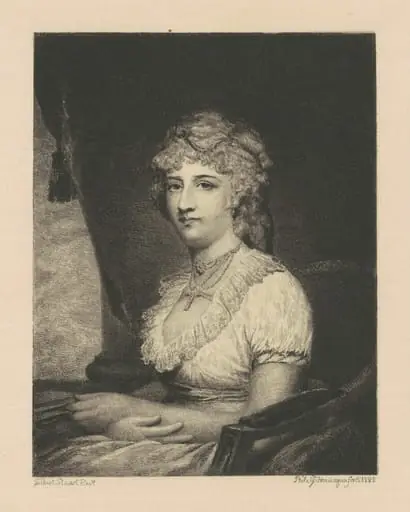
Mrs. J. Coleman Drayton (Charlotte Augusta Astor) is an ink print by the Impressionist artist Stephen James Ferris. It dates from 1880 and is held in the collection of the National Gallery of Art.
About this work
Overview
The portrait captures her in formal attire with quiet composure, emphasizing refined social presence through precise line work and tonal gradation.
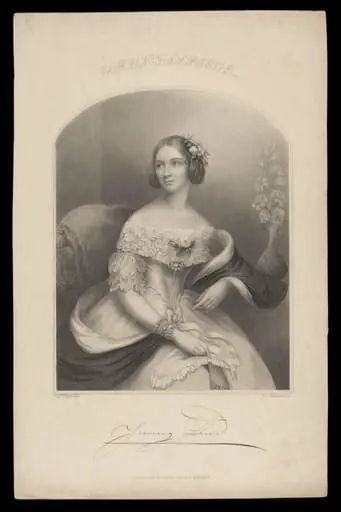
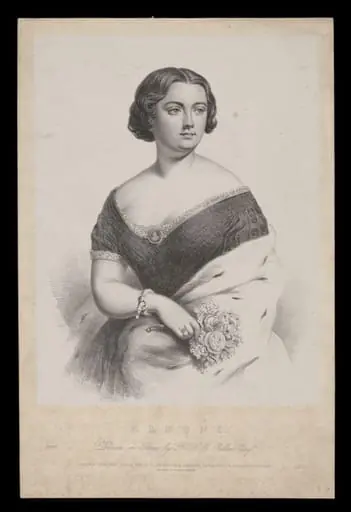
Created in 1880 by Stephen James Ferris, this etching depicts Charlotte Augusta Astor, wife of J. Coleman Drayton, rendered in black ink on laid paper. The portrait captures her in formal attire with quiet composure, emphasizing refined social presence through precise line work and tonal gradation. The composition is intimate yet restrained, focusing entirely on the figure against a shadowed backdrop.
Subject & Meaning
Charlotte Augusta Astor, a member of New York’s prominent Astor family, is portrayed not as a symbol of wealth but as a figure of dignified poise. Her direct gaze and still posture convey quiet self-assurance, while the floral embellishments on her dress and in her hand suggest seasonal elegance rather than ostentation. The image reflects late 19th-century ideals of feminine grace within elite social circles.
Technique & Style
Ferris employed fine, controlled etching lines to model form and texture, particularly in the lace of her bodice and the soft folds of her gown. Subtle hatching creates depth in the background, isolating the figure without distraction. Delicate cross-contours define the pearls and hair, while the bouquet’s petals are rendered with light, fluid strokes, demonstrating mastery of tonal restraint and detail.
History & Provenance
The print was made during Ferris’s active period as a portrait etcher, likely commissioned by the Drayton family. It entered institutional collections in the 20th century, preserved as an example of American printmaking at the turn of the century. Its survival reflects its status as a personal portrait elevated by technical skill rather than public fame.
Context
In the 1880s, etching experienced a revival among American artists seeking alternatives to mass-produced portraiture. Ferris, trained in Europe, brought European precision to domestic subjects. This work aligns with a trend of intimate, hand-crafted likenesses that valued subtlety over grandeur, contrasting with the more theatrical styles of academic painting.
Legacy
Though not widely exhibited, the etching remains a representative example of Ferris’s portraiture and the quiet sophistication of Gilded Age printmaking. It contributes to the understanding of how elite women were visually framed in private, non-official contexts—emphasizing refinement over status, and presence over spectacle.
Artist & collection