Artwork
The Visit to the City
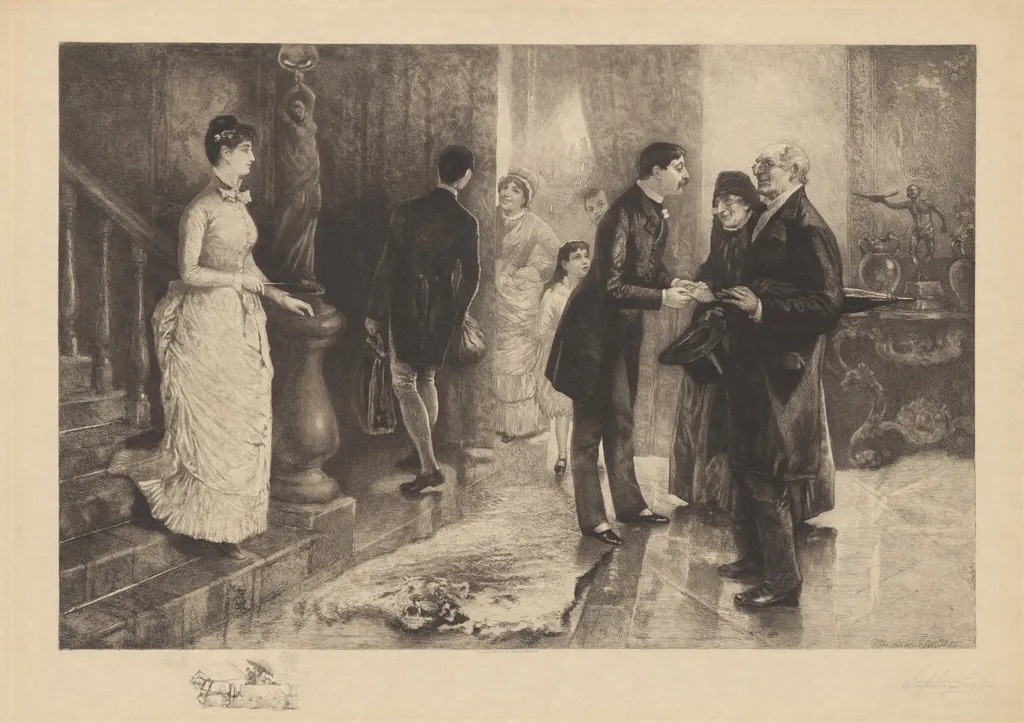
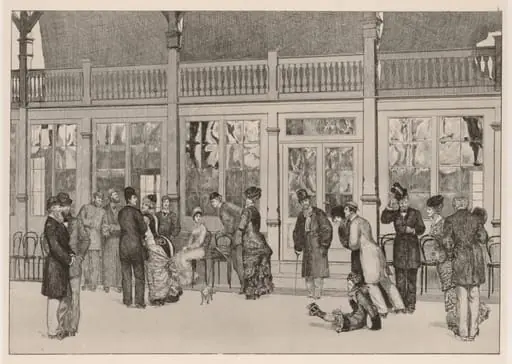
The Visit to the City is an ink print by the Impressionist artist Stephen James Ferris. It dates from 1886 and is held in the collection of the National Gallery of Art.
About this work
Overview
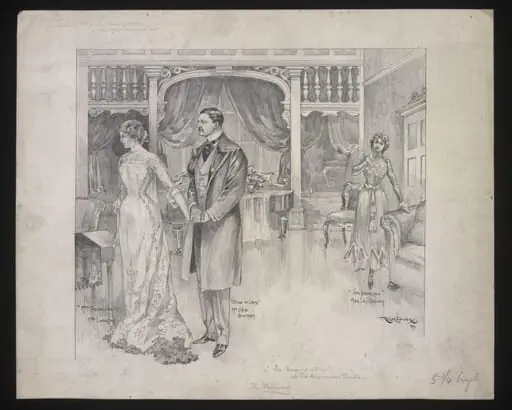
Created in 1886 by Stephen James Ferris, this black-and-white etching captures an interior scene of quiet social interaction. The composition centers on two men exchanging greetings near a marble column, while other figures move subtly in the background. The space is rendered with careful tonal gradations, suggesting a dimly lit, well-furnished room that feels both intimate and formally arranged.
Subject & Meaning
The scene depicts a private gathering, likely among the urban middle or upper class, where social rituals unfold in restrained formality. A woman in an elaborate dress stands apart, while a child observes from behind, hinting at generational presence. The handshake suggests a moment of connection, yet the overall atmosphere remains reserved, emphasizing decorum over emotion.
Technique & Style
Ferris employed etching to achieve fine lines and nuanced shading, using cross-hatching and delicate ink washes to model light and volume. The soft glow on faces and hands contrasts with the darker, textured surfaces of rugs and moldings. The precision of the technique lends clarity to the figures while preserving the atmospheric depth of the interior space.
History & Provenance
The print was produced during Ferris’s later years, a period when he focused on intimate domestic scenes after a career in portraiture and academic illustration. It was likely printed in small editions for private collectors, reflecting his interest in capturing everyday moments with technical refinement rather than public spectacle.
Context
In late 19th-century America, etching experienced a revival among artists seeking alternatives to mass-produced imagery. Ferris’s work aligns with this movement, drawing from European traditions of interior genre scenes while avoiding overt narrative. The setting reflects the tastes of affluent urban households, where decorative details signaled cultural refinement.
Legacy
Though not widely exhibited in his lifetime, Ferris’s etchings, including this one, are now recognized for their quiet observation and technical discipline. They contribute to a broader understanding of American printmaking’s shift toward personal, domestic subjects in the decades following the Civil War.
Artist & collection


 Untitled
 The White Camellia
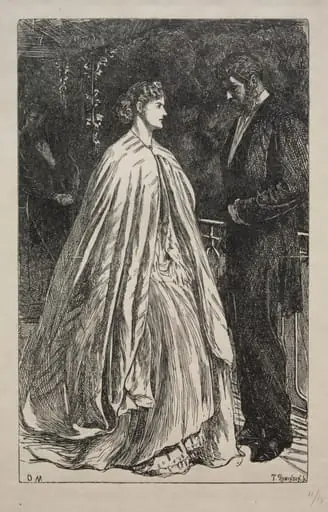 Two to One on the Major
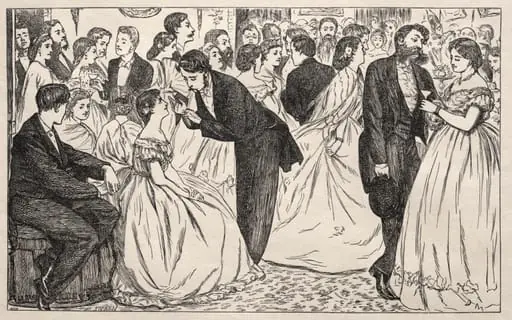 A Little Hop in Harley Street
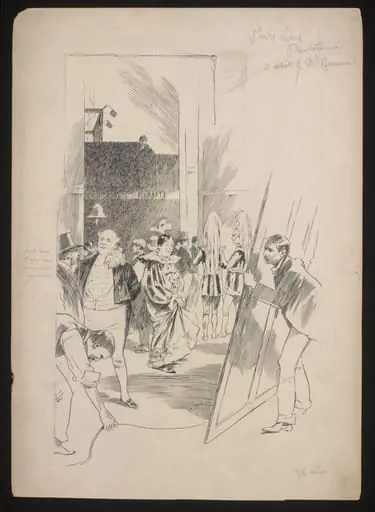 Untitled
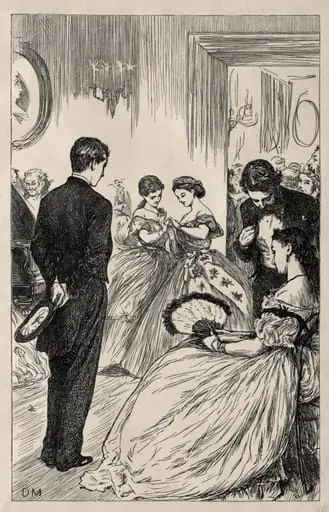 Coelebs in Search of a Mulready Envelope
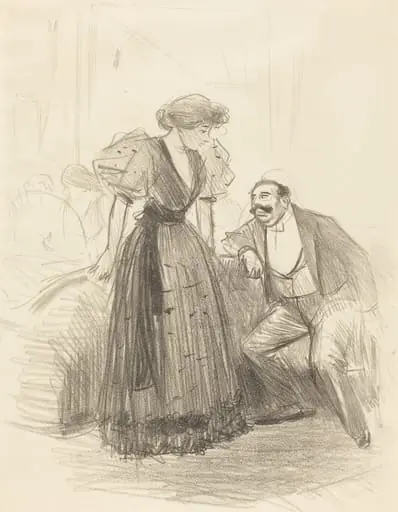 En soirée (At an Evening Party)
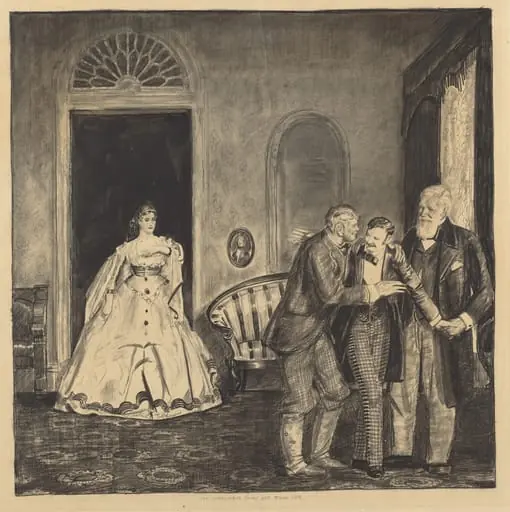 The Kindliness Came Not from Her
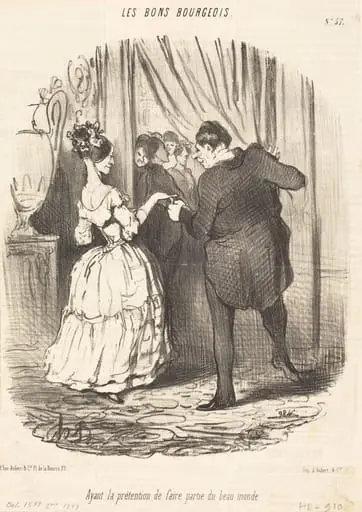 Ayant la prétention de faire partie du beau monde
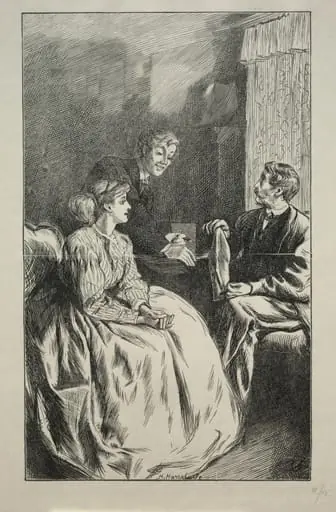 How I Lost My Whiskers
 A Glove: The Locale
 H Beard Print Collection