Artwork
Christ in the tomb
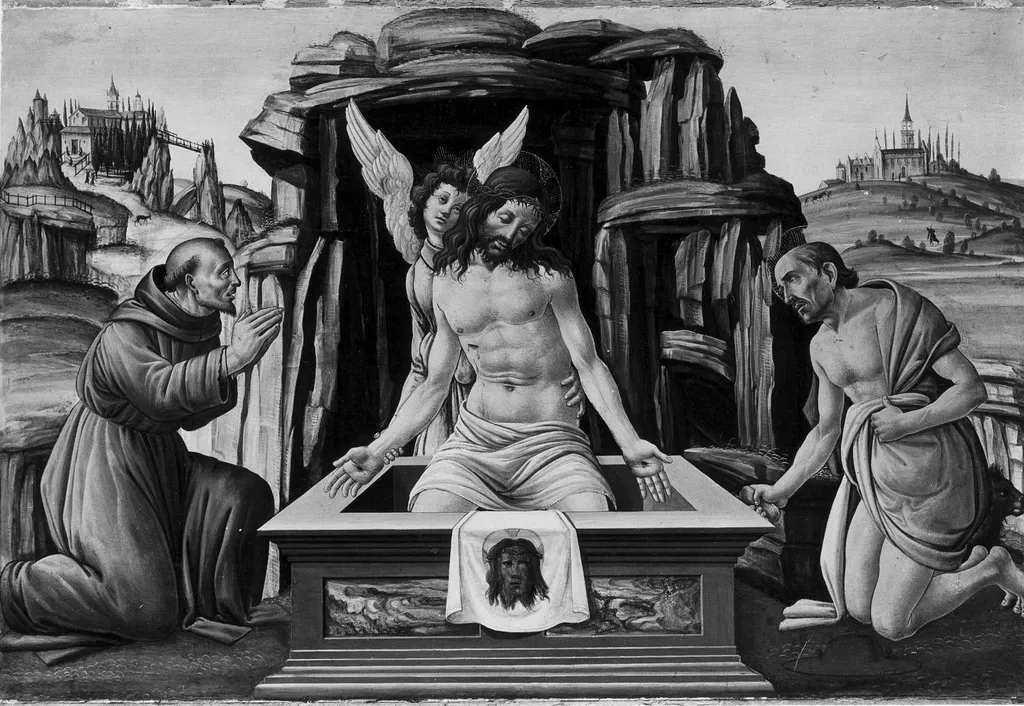
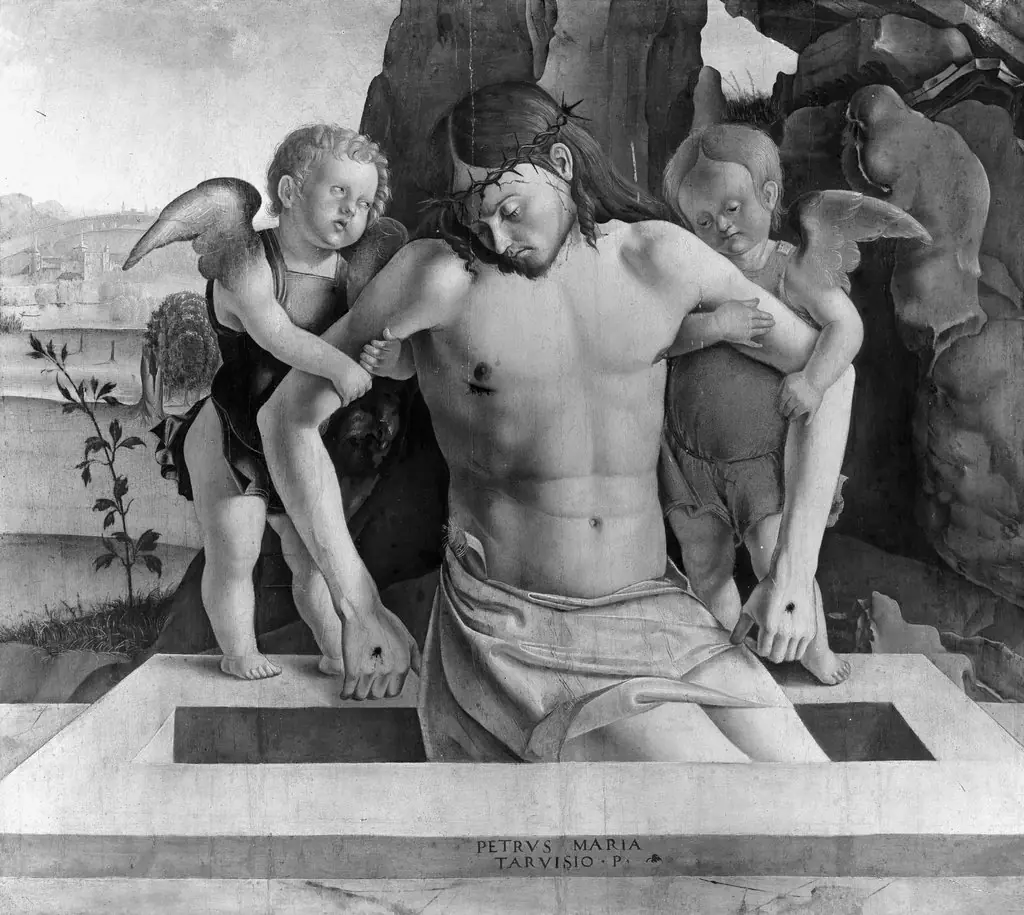
Christ in the tomb is a paint painting by the Early Renaissance artist Filippino Lippi. It is held in the collection of the Gemäldegalerie Berlin.
About this work
Overview
Filippino Lippi, an Italian painter of the late 15th and early 16th centuries, produced the work titled *Christ in the Tomb*. Executed in oil or tempera, the painting depicts a solemn religious scene and is part of the collection of the Gemäldegalerie in Berlin.
Subject & Meaning
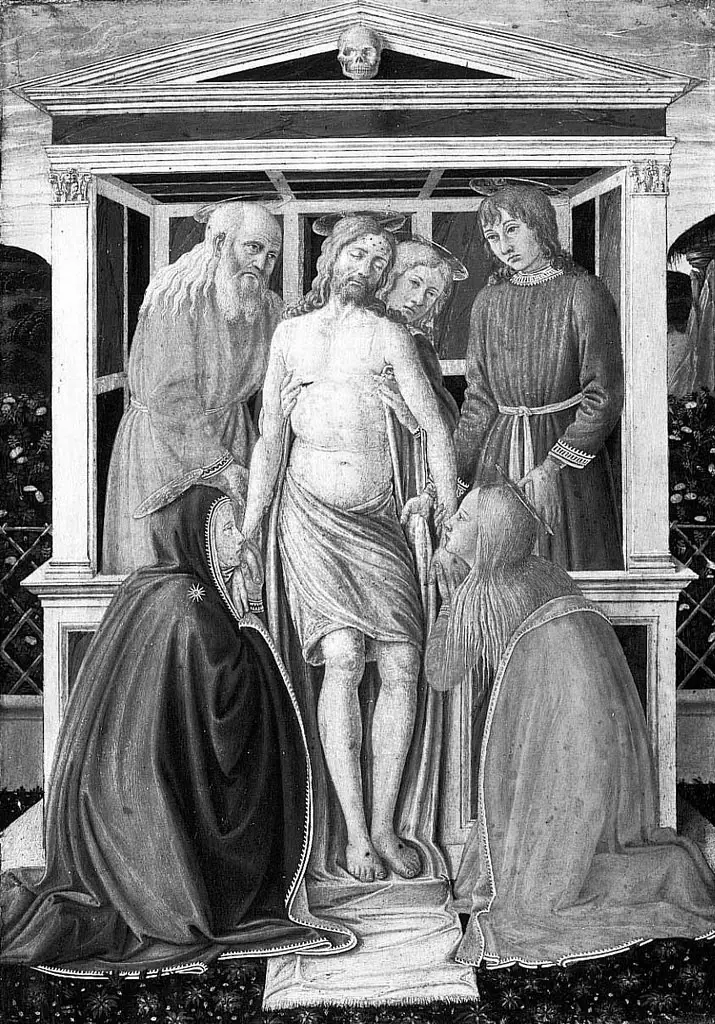
At the composition’s centre lies a bearded figure, presumed to be Christ, reclined within a tomb and draped in a white shroud. He is attended by three companions: one kneels in prayer, another appears with angelic wings, and a third reaches out to touch his hand, suggesting a narrative of mourning and reverence.
Technique & Style
Lippi employs chiaroscuro to model the figures, juxtaposing illuminated areas against deep shadows. This contrast heightens the three‑dimensionality of the central body and reinforces the painting’s contemplative atmosphere. The landscape behind the tomb is rendered with rocky forms and distant architectural elements, typical of early Renaissance spatial organization.
History & Provenance
Created during Lippi’s active period across Florence, Rome, Milan and Bologna, the work eventually entered the German capital’s Gemäldegalerie. Its precise acquisition path remains undocumented, but it has been catalogued as part of the museum’s Renaissance holdings.
Context
The composition reflects early Renaissance conventions for Passion subjects, combining a naturalistic portrayal of the human form with symbolic elements such as the winged figure, likely an angel, and the act of prayer. Lippi’s training under his father, Fra Filippo Lippi, and exposure to Florentine innovations inform the balanced arrangement and use of light.
Artist & collection
Artist
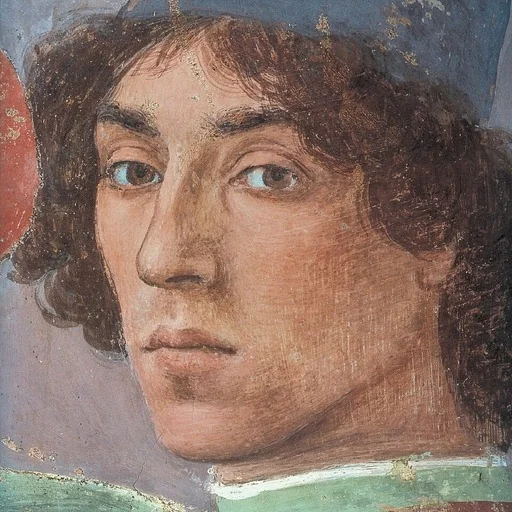
Filippino Lippi (probably 1457 – 18 April 1504) was an Italian Renaissance painter mostly working in Florence, Italy during the later years of the Early Renaissance and first few years of the High Renaissance.

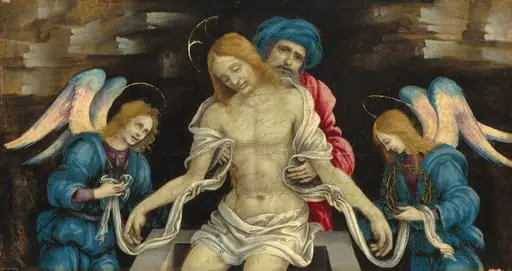 Pietà (The Dead Christ Mourned by Nicodemus and Two Angels)
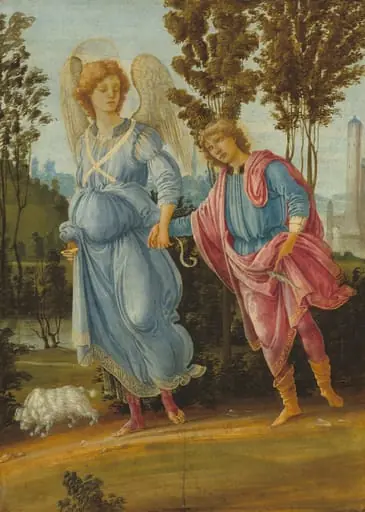 Tobias and the Angel
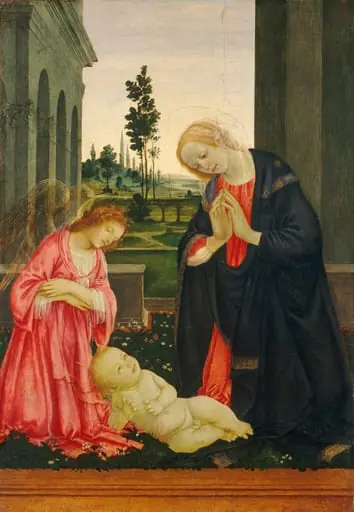 The Adoration of the Child
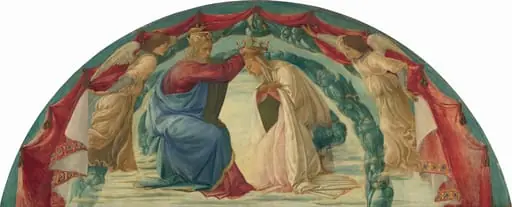 The Coronation of the Virgin
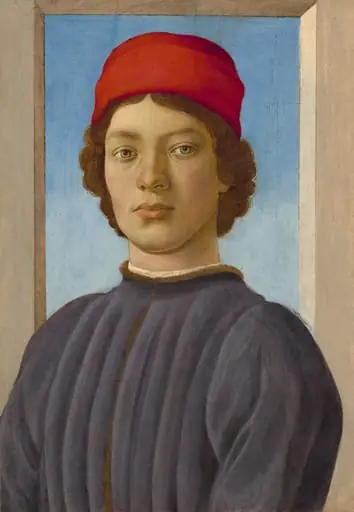 Portrait of a Youth
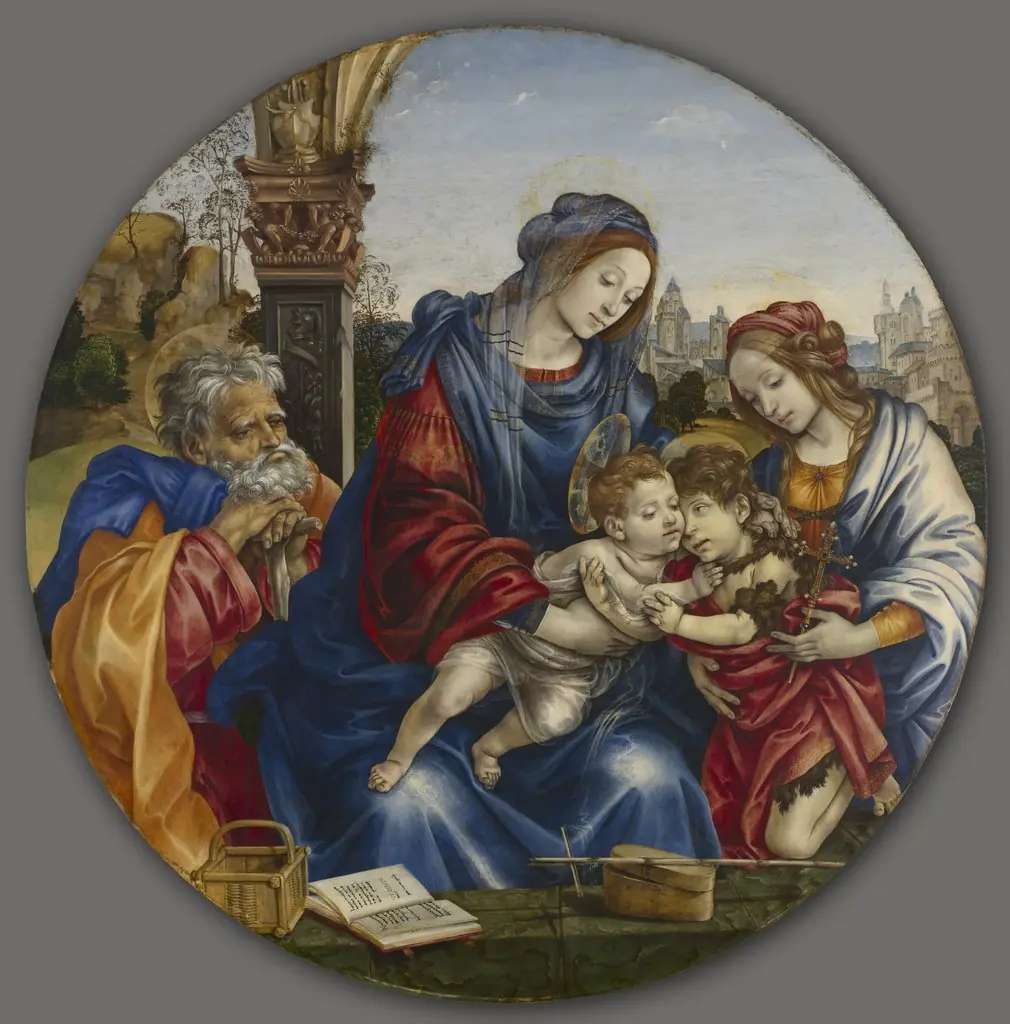 The Holy Family with Saint John the Baptist and Saint Margaret
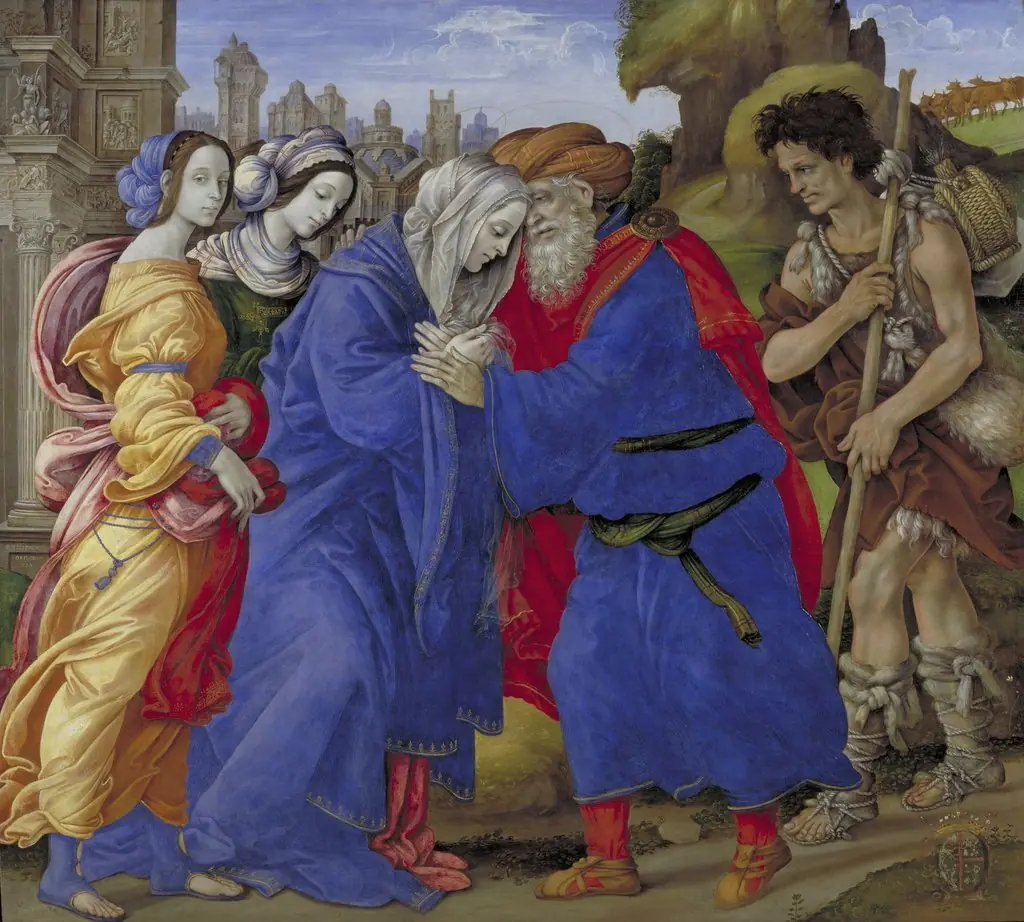 The Meeting of Joachim and Anne outside the Golden Gate of Jerusalem
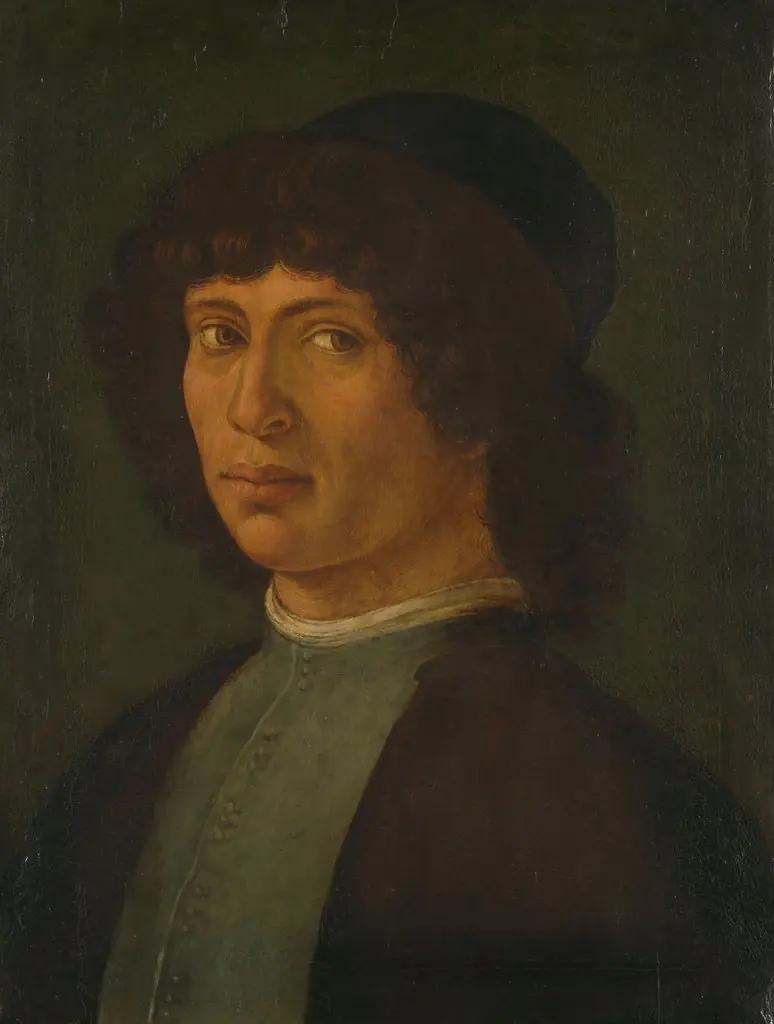 Portrait of a young man