Artwork
The Domination of Christ
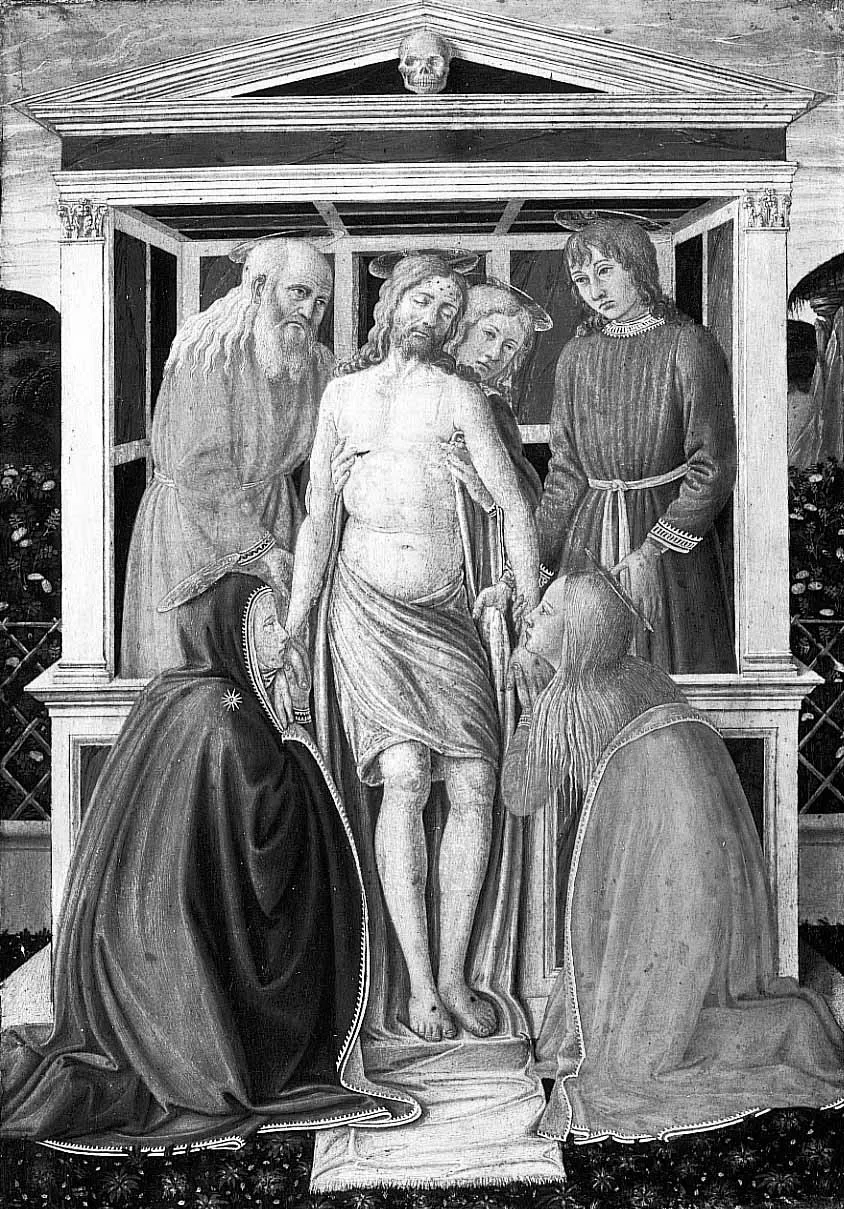
The Domination of Christ is a paint painting by the Post-Impressionist artist Cosimo Rosselli. It is held in the collection of the Gemäldegalerie Berlin.
About this work
Overview
Cosimo Rosselli’s *The Domination of Christ* is an oil painting that belongs to the religious genre. Executed in the late 19th century, it is part of the collection of the Gemäldegalerie in Berlin. The work presents a solemn gathering of figures surrounding a central, sorrowful man, rendered in a restrained palette of browns and grays.
Subject & Meaning
At the composition’s heart stands a solitary figure, his waist bound by a simple cloth, his expression one of melancholy. Surrounding him are robed onlookers whose gazes convey concern and reverence. A skeletal structure crowned with a skull looms in the background, suggesting themes of mortality and spiritual authority.
Technique & Style
Rosselli employs chiaroscuro to model the figures, allowing light to emerge from the darkness and create a palpable sense of depth. The muted tonal scheme and careful handling of shadow align the painting with post‑impressionist tendencies, while still recalling the narrative clarity of earlier Quattrocento works.
History & Provenance
Although Rosselli is best known for his contributions to the frescoes of the Sistine Chapel, *The Domination of Christ* was painted in 1892, long after his Renaissance activity. The work entered the Berlin Gemäldegalerie’s holdings in the early 20th century, where it remains on display.
Context
The painting reflects Rosselli’s ongoing engagement with religious subjects, a hallmark of his career in Florence. While his contemporaries such as Botticelli and Perugino achieved greater fame, Rosselli’s later work demonstrates his adaptation to newer artistic currents without abandoning his narrative roots.
Artist & collection
Artist
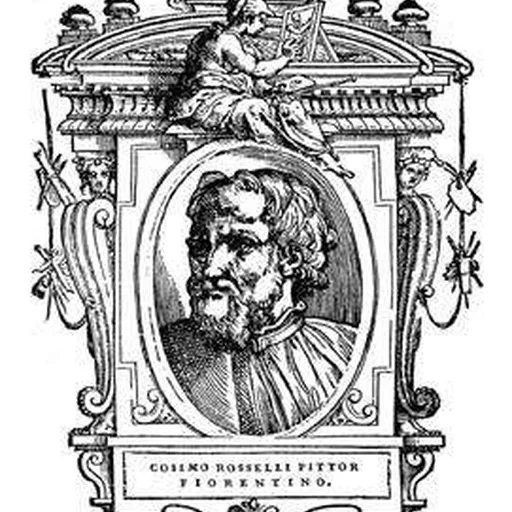
Cosimo Rosselli (Italian: ; 1439–1507) was an Italian painter of the Quattrocento, active mainly in his birthplace of Florence, but also in Pisa earlier in his career and in 1481–82 in the Sistine Chapel in Rome, where…

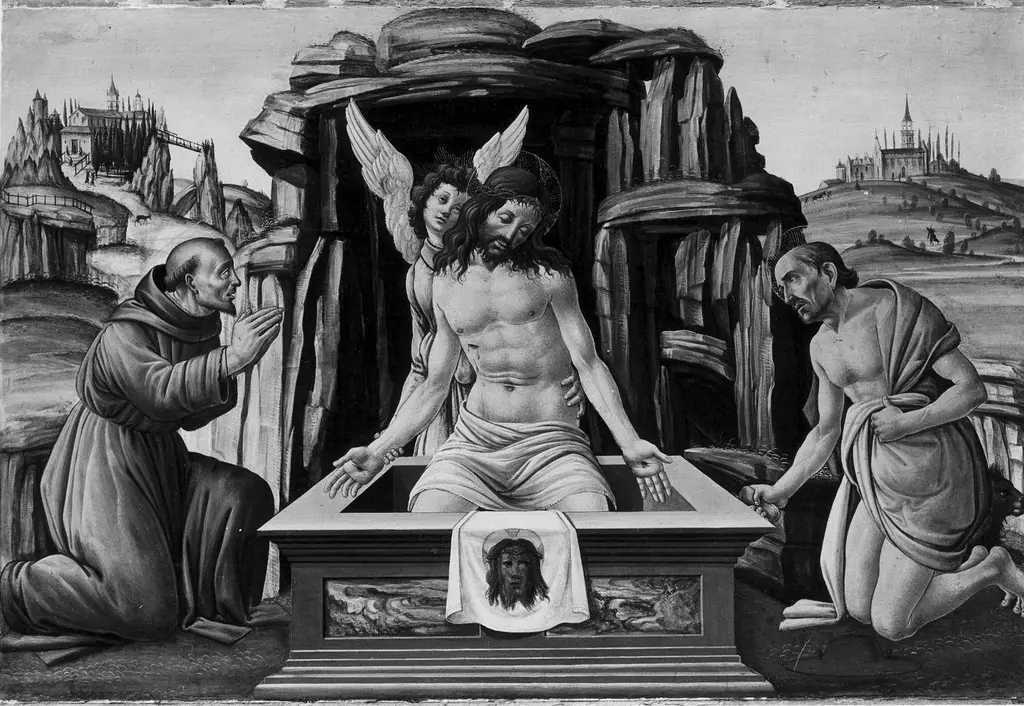 Christ in the tomb
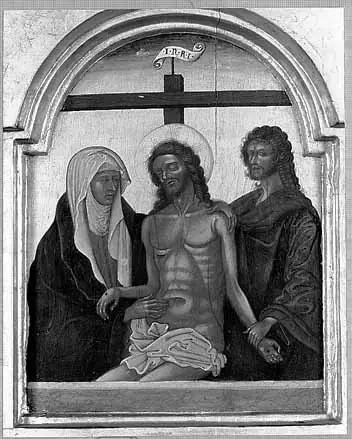 Lamentation of Christ
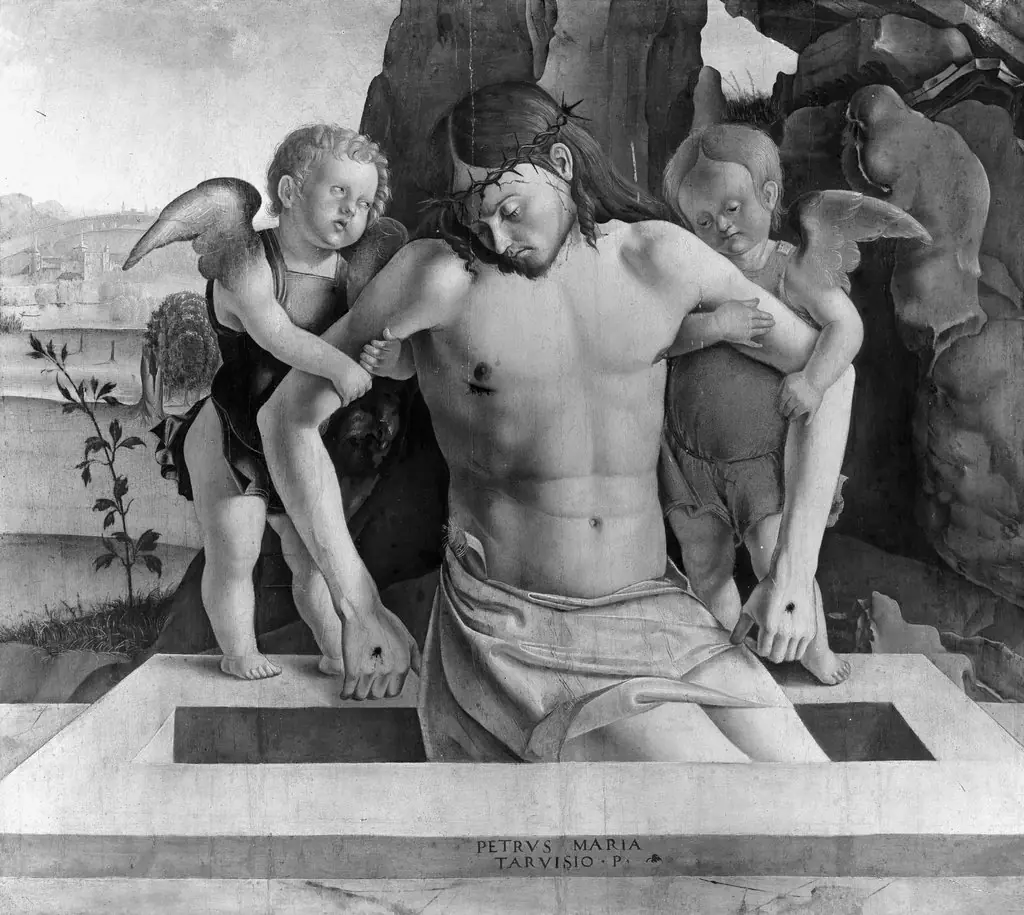 The dead Christ supported by two angels
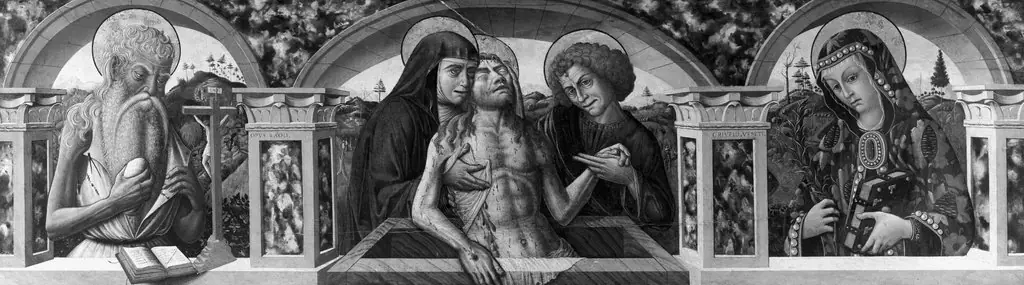 Christ in the grave with saints
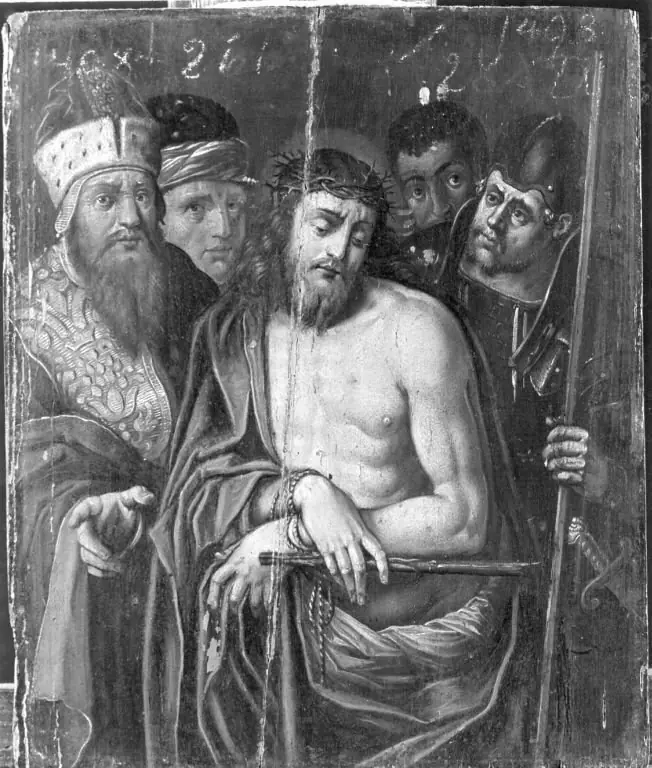 Ecce homo
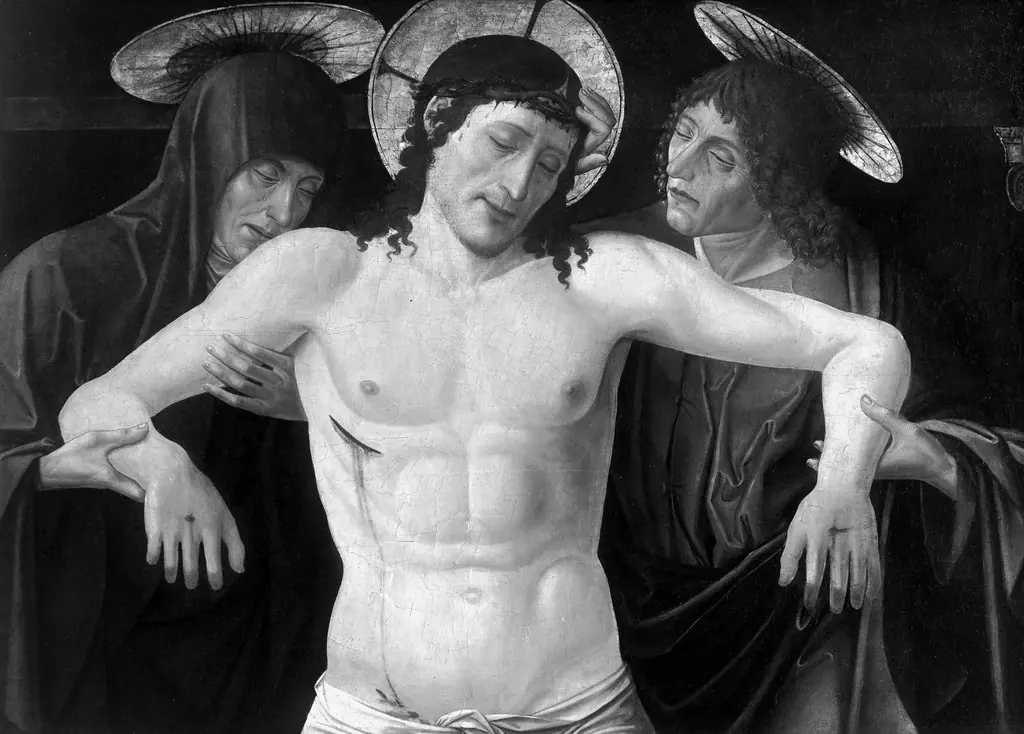 Mourning over Christ
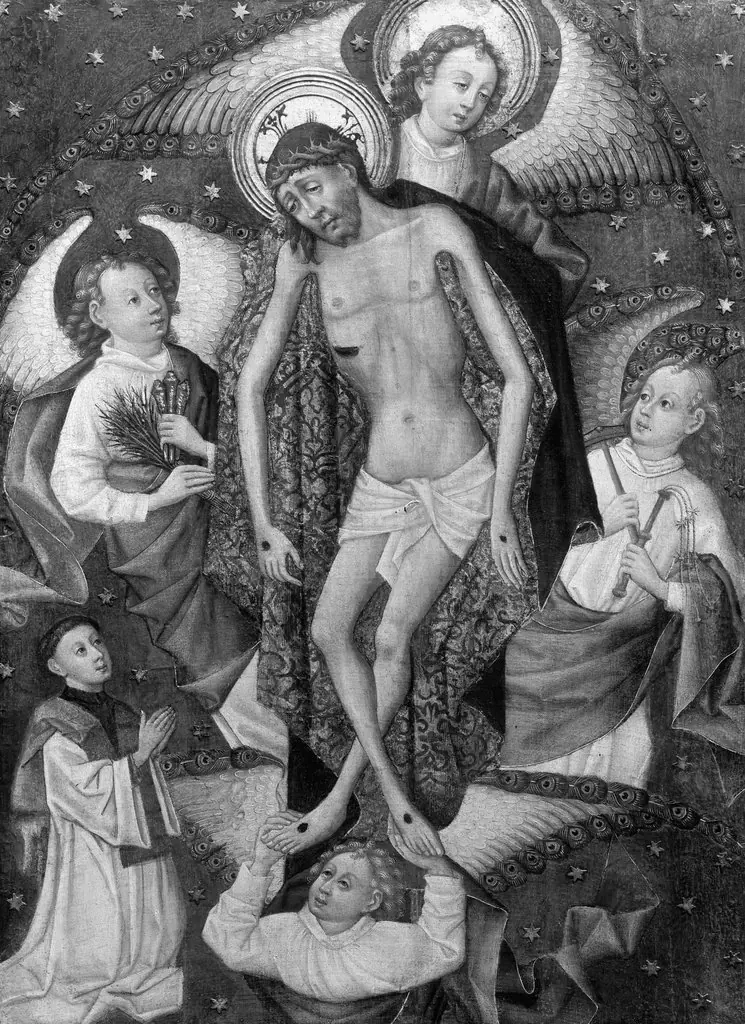 The dead Christ raised by four angels with a donor figure
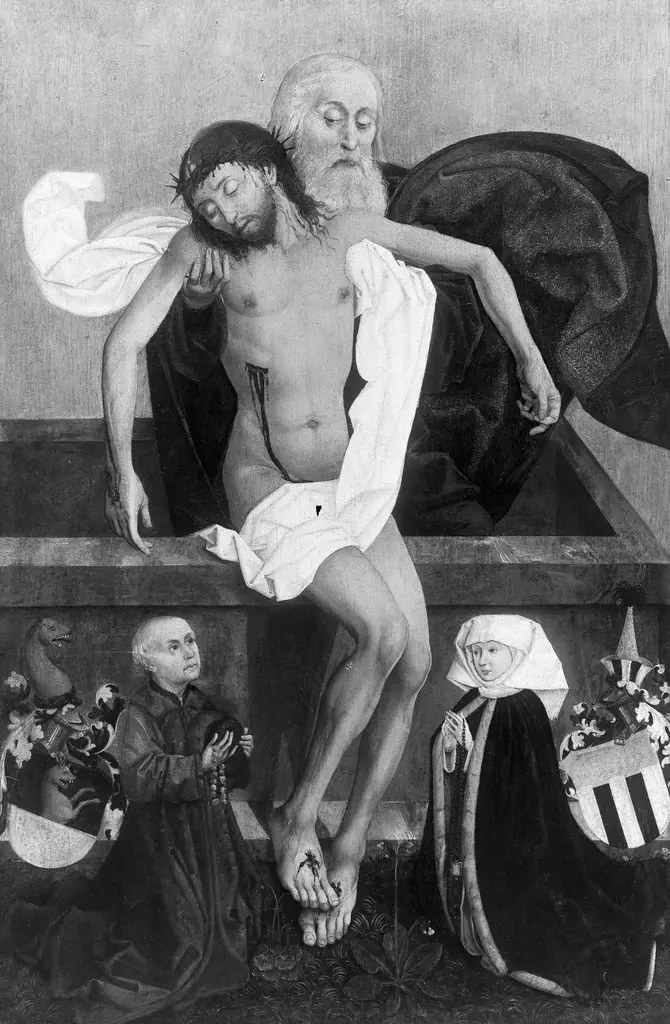 God Father with the dead Christ (mercy seat) and two donors
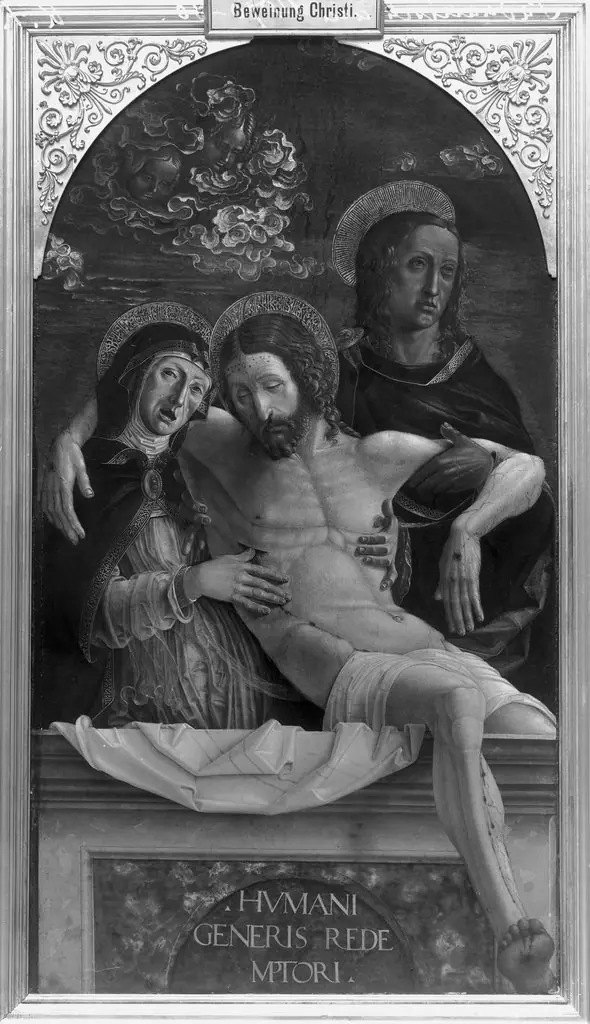 Lamentation of Christ
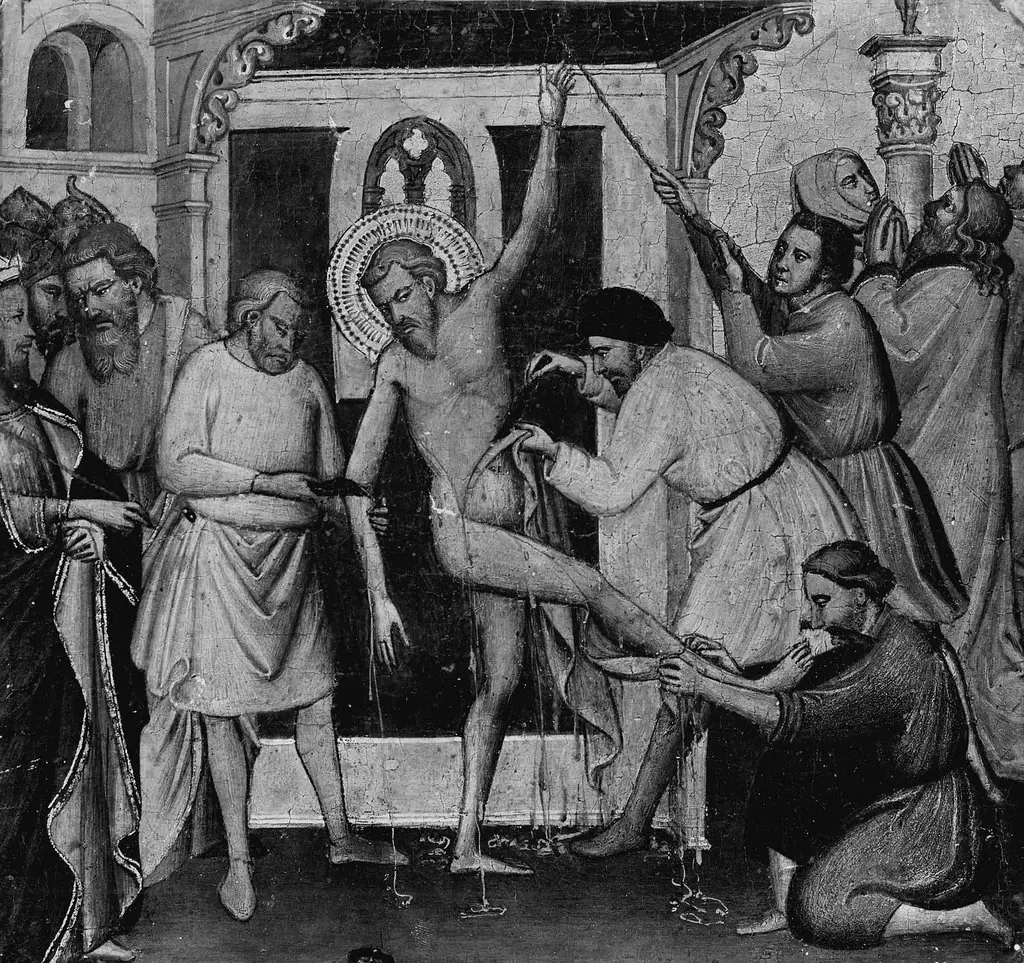 Martyrdom of Saint Bartholomew
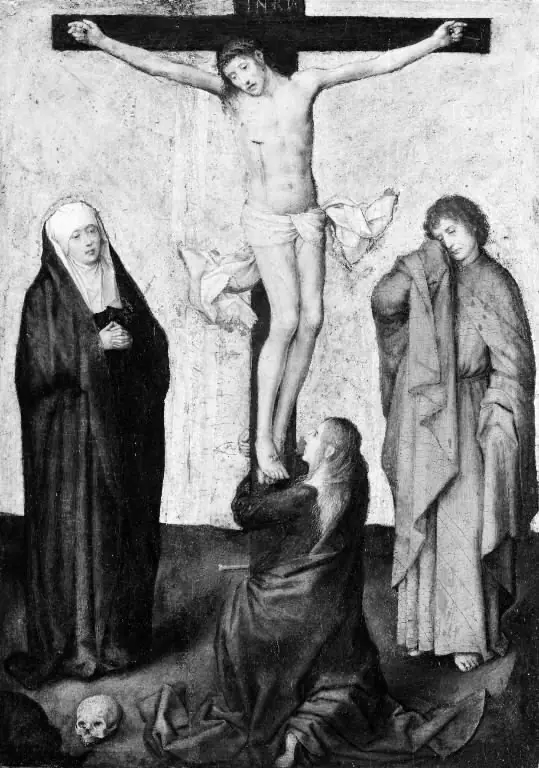 Christ on the Cross between the Virgin Mary and St John
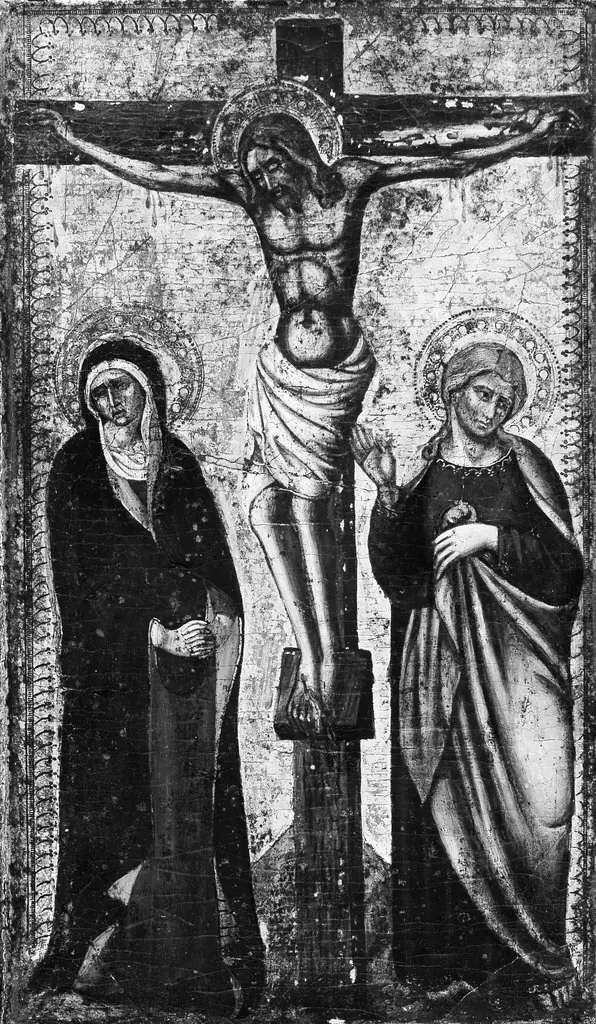 The Crucifixion