Artwork
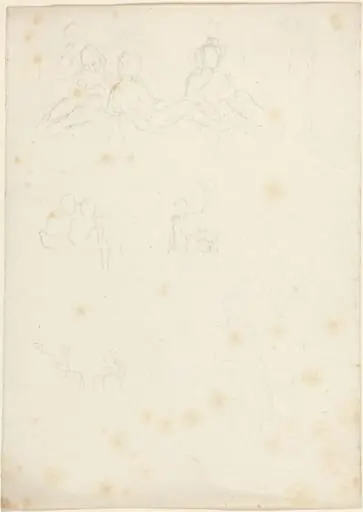
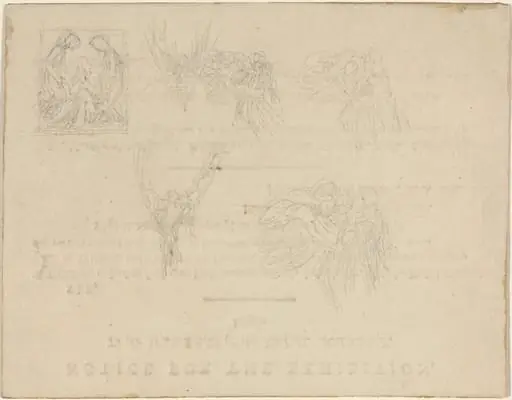
Sheet of Studies [recto and verso]
![Sheet of Studies [recto and verso], by John Flaxman, graphite, 1790](https://artifactworldgallery.com/img/john-flaxman--sheet-of-studies-recto-and-verso--7cd3e8a27787ed92-w1024.webp)
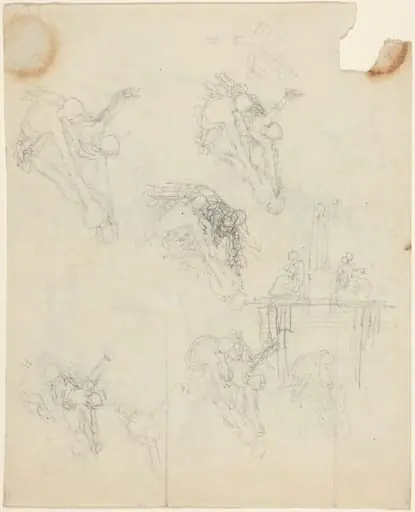
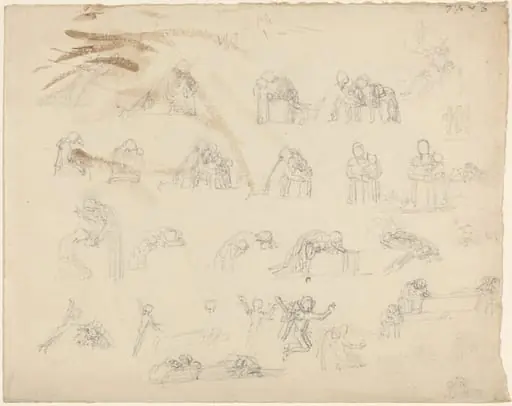
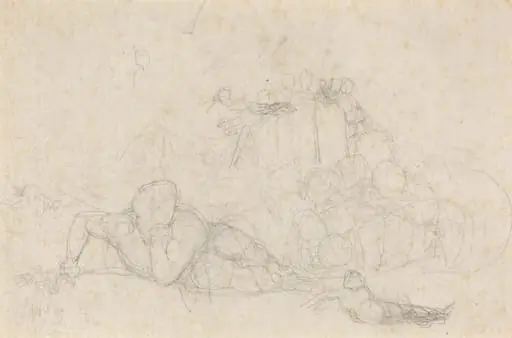
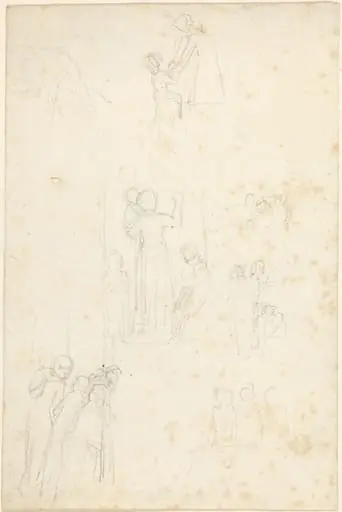
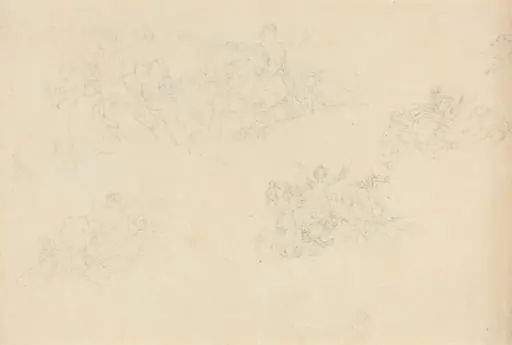
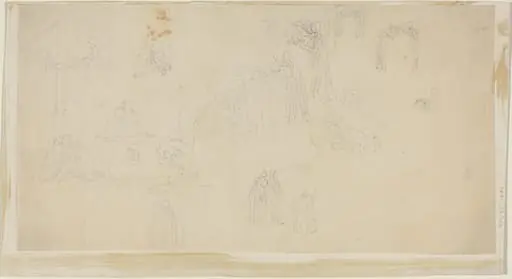
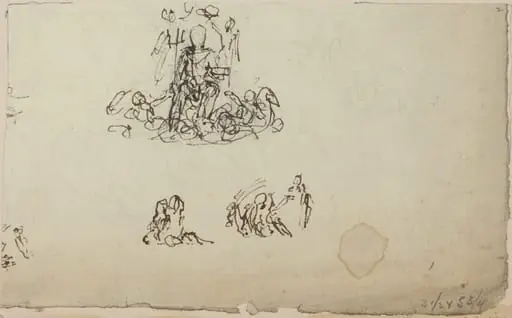
Sheet of Studies [recto and verso] is a graphite drawing by the Romanticist artist John Flaxman. It dates from 1790 and is held in the collection of the National Gallery of Art.
About this work
Overview
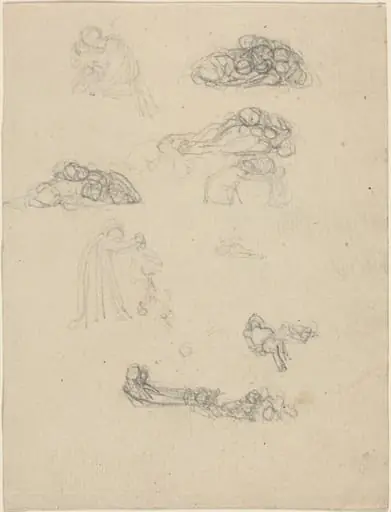
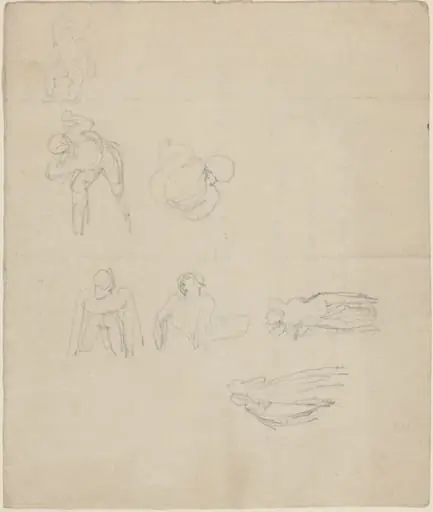
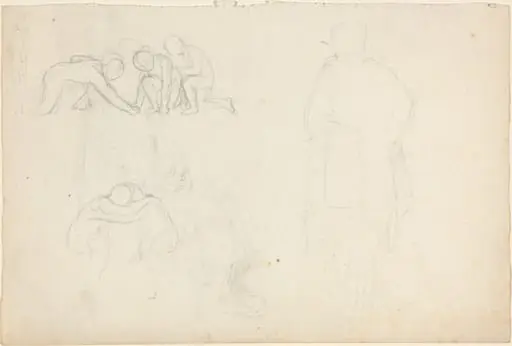
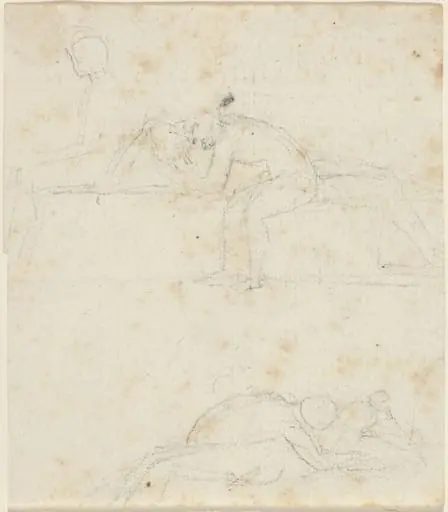
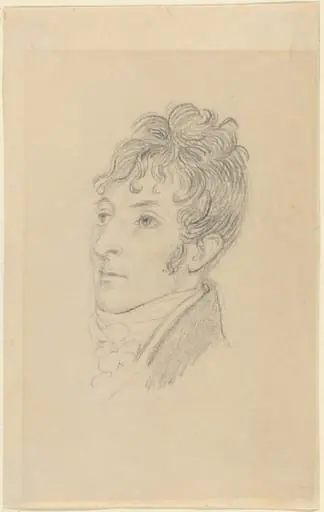
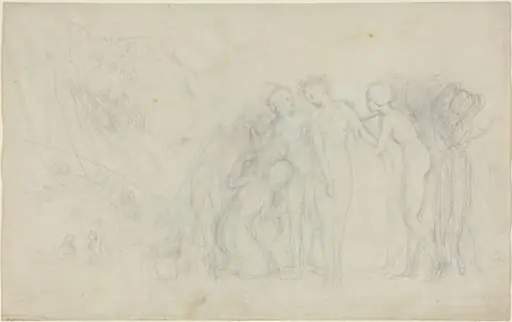
John Flaxman’s *Sheet of Studies* (1790) is a graphite drawing consisting of a series of brief figure sketches on both sides of a single sheet. The marks capture people in various poses—standing, dancing, and grouped in motion—rendered with swift, light lines that suggest a preparatory exercise rather than a finished composition.
Subject & Meaning
The sketches function as anatomical and compositional studies, exploring the dynamics of the human form in action. By recording fleeting gestures, Flaxman investigates how bodies occupy space and interact, providing a visual notebook for later, more elaborate works.
Technique & Style
Executed solely with graphite, the drawing relies on delicate, unfilled strokes that leave much of the paper untouched. The linear economy and emphasis on contour reflect the Neoclassical preference for clarity and structural precision, while the rapid execution hints at an informal, exploratory approach.
History & Provenance
Flaxman, trained under Josiah Wedgwood and later active in Rome, returned to England where he became a central figure in British Neoclassicism, known for both monumental sculpture and graphic design. This sheet, dated 1790, belongs to the period when he was consolidating his illustrative method, likely used as a study reference for subsequent projects.
Artist & collection
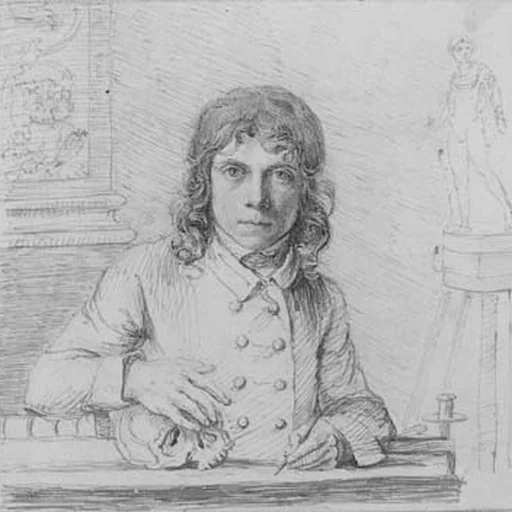
Artist
John Flaxman (6 July 1755 – 7 December 1826) was an English sculptor and draughtsman who was a leading figure in British and European Neoclassicism.

![Sheet of Studies [recto and verso], by John Flaxman](https://artifactworldgallery.com/img/john-flaxman--sheet-of-studies-recto-and-verso--5d19d38e20f446c0-w320.webp)