Artwork
Philip the Good, Duke of Burgundy; Isabelle of Bourbon (?)
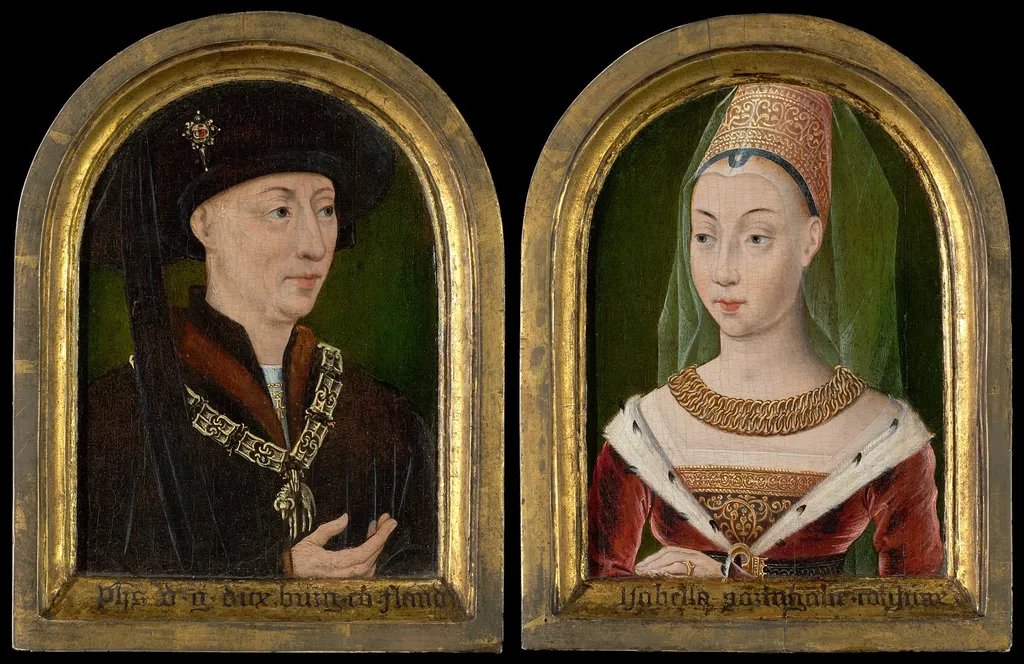
Philip the Good, Duke of Burgundy; Isabelle of Bourbon (?) is an oil painting by the Renaissance artist Unknown. It dates from 1520 and is held in the collection of the Art Institute of Chicago.
About this work
Overview
This oil on panel painting, dated to 1520, depicts a pair of nobles, purportedly Philip the Good, Duke of Burgundy, and possibly Isabelle of Bourbon, in elaborate attire. The work is attributed to a Flemish artist and is part of the collection at the Art Institute of Chicago.
Subject & Meaning
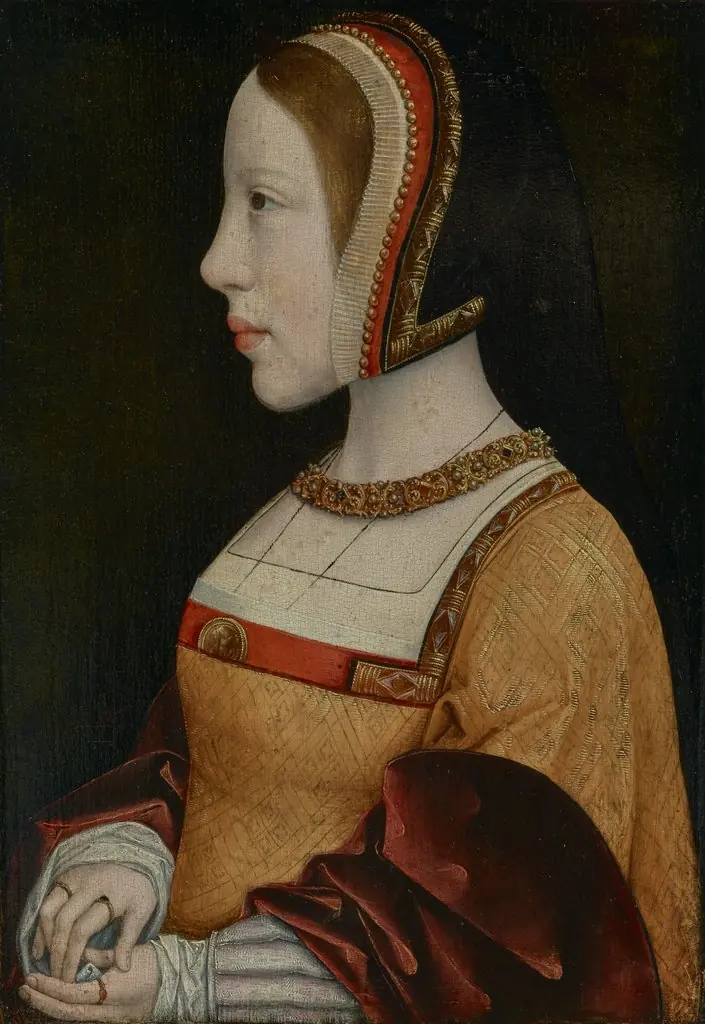
The painting portrays a man of evident high status, symbolized by his ornate clothing, large hat, and gold chain, alongside a woman of equally refined appearance, distinguished by her formal dress, large hat, and a book, suggesting intellectual or pious pursuits. The subjects' identities, while attributed, remain speculative, with the woman tentatively identified as Isabelle of Bourbon.
Technique & Style
The artist employed glazing, a characteristic technique of Flemish painting, to achieve depth and luminosity in the work. This method involved applying multiple thin, transparent layers of paint to create a rich, detailed visual effect, evident in the intricate rendering of the subjects' attire and accessories.
History & Provenance
Created in 1520, the painting's early history is not detailed in the provided sources. It is known to be part of the Art Institute of Chicago's collection, though the circumstances of its acquisition are not specified here.
Context
The work reflects the artistic and social values of 16th-century Burgundy, where detailed, realistic portraiture was valued for its ability to convey the status and refinement of the nobility. The use of a book as an attribute for the female subject may also hint at the growing appreciation for learning among the aristocracy during this period.
Legacy
While specific influences or subsequent artistic impacts of this painting are not outlined in the provided information, it contributes to the broader understanding and appreciation of Flemish portraiture from the early 16th century, showcasing the period's attention to detail and the significance of portraiture in noble circles.
Artist & collection

 Domestic Scene
 Giacomo and Cardinal Marco, investing Andrea, Abbot of San Zeno, with his Benefice
 The Nymph of Fontainebleau
 Portrait of a Woman
 Madonna and Child with Saints in the Enclosed Garden
 Venus and Minerva
 Family Group of Four on Sofa
 Wall painting from Room H of the Villa of P. Fannius Synistor at Boscoreale
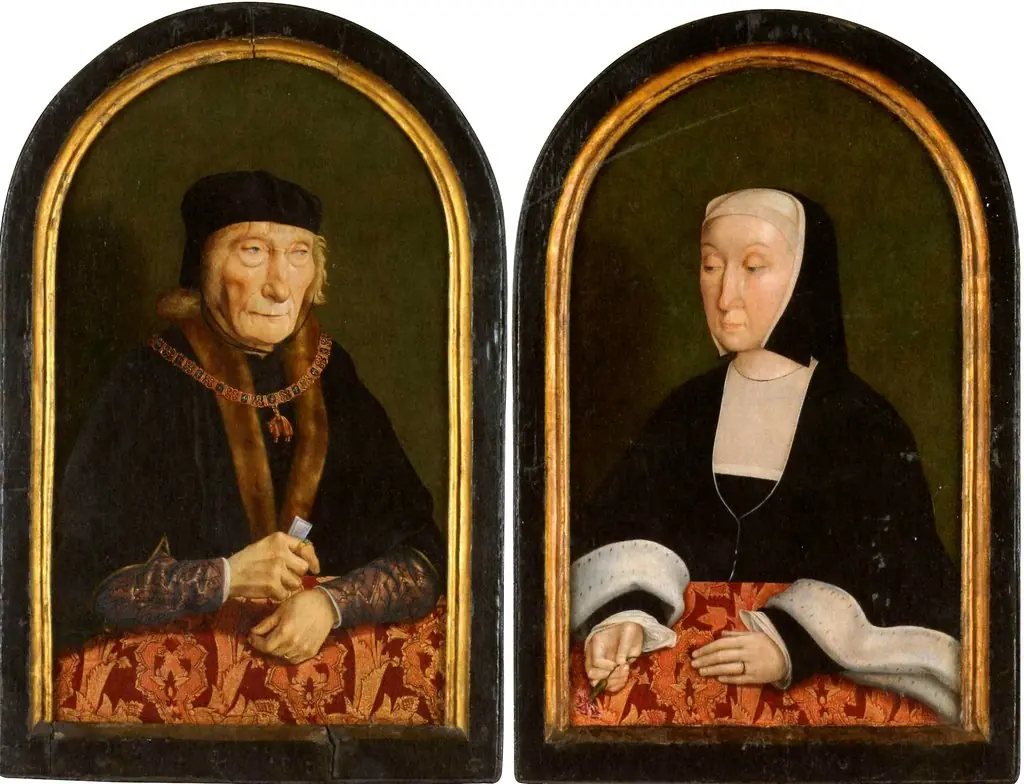 Portrait of Jan III, First Count of Egmond (1438–1516) and his wife Magdalena van Werdenburg, Countess of Egmond (1464–1538)
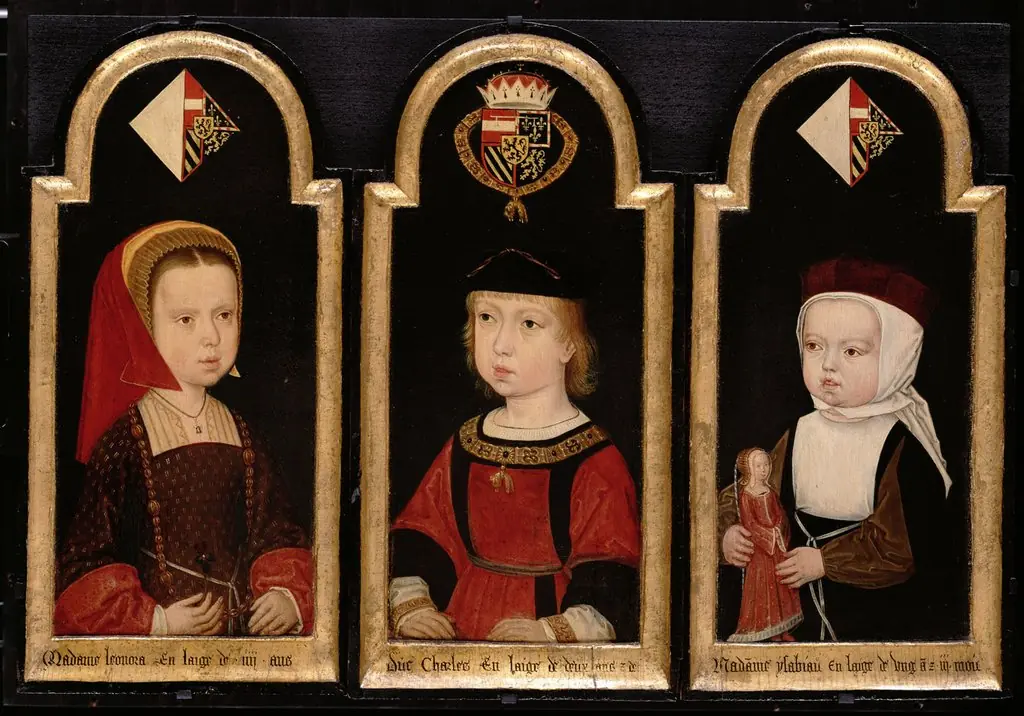 Kaiser Karl V. (1500-1558), Brustbild als Zweijähriger zusammen mit seinen Schwestern Eleonore (1498-1558) und Isabella (1501-1525)
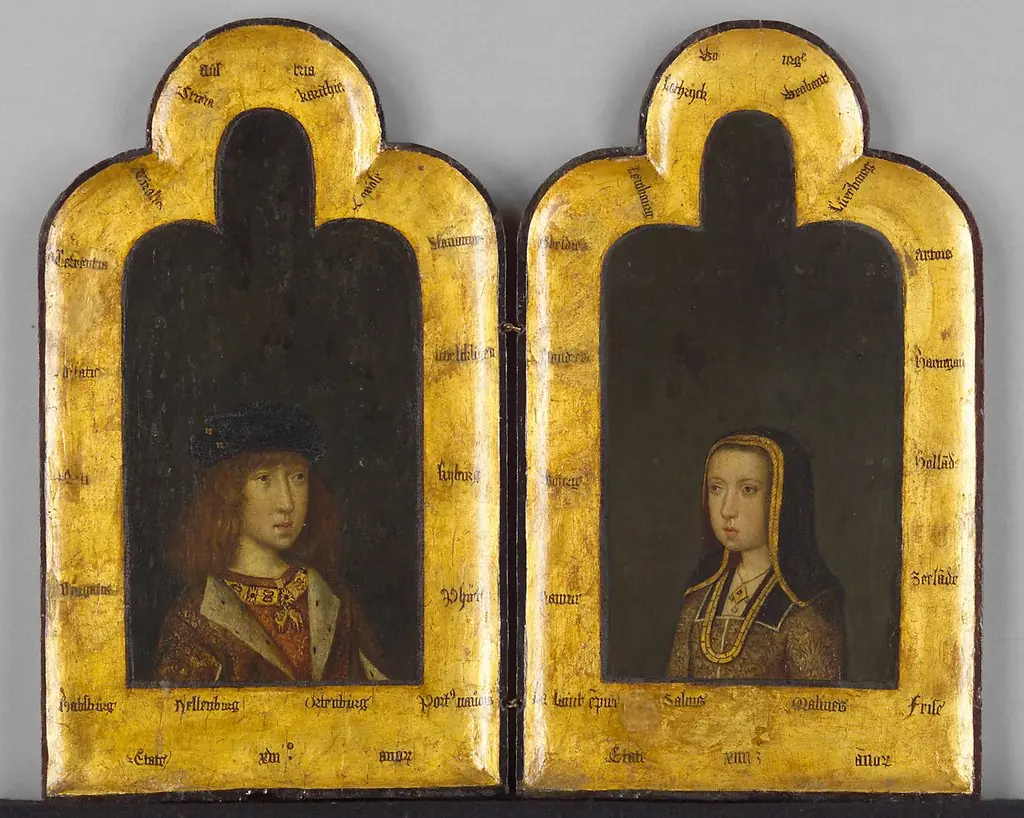 Diptychon: König Philipp I. der Schöne (1478-1506) als Sechzehnjähriger und Margarethe, die Schwester König Philipps I. des Schönen, im 14. Lebensjahr
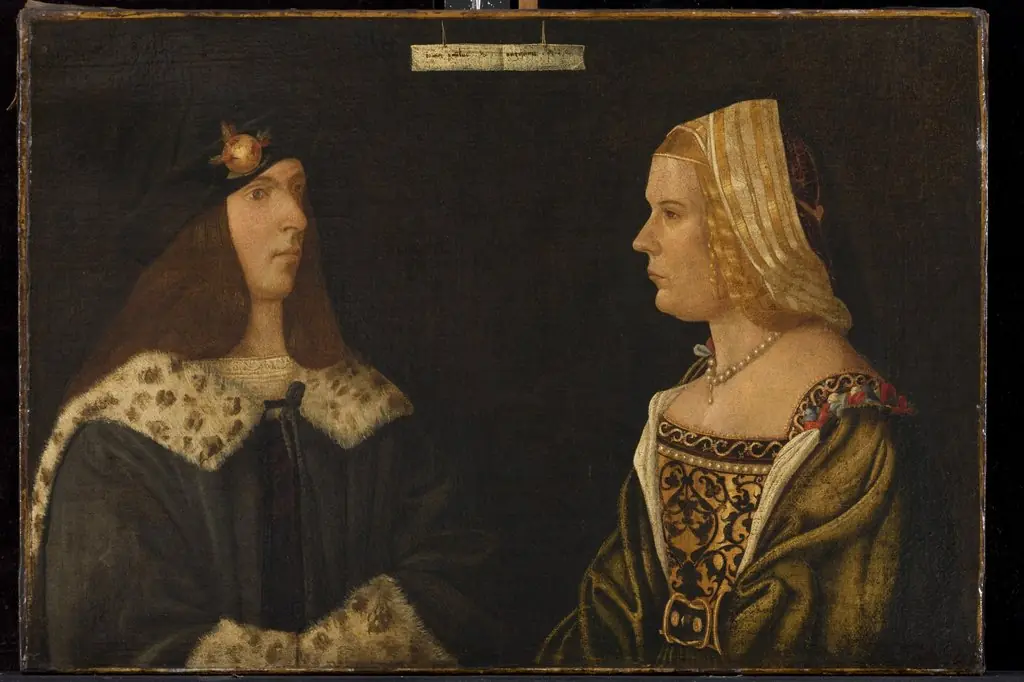 Double Portrait of a Young Man and Young Woman
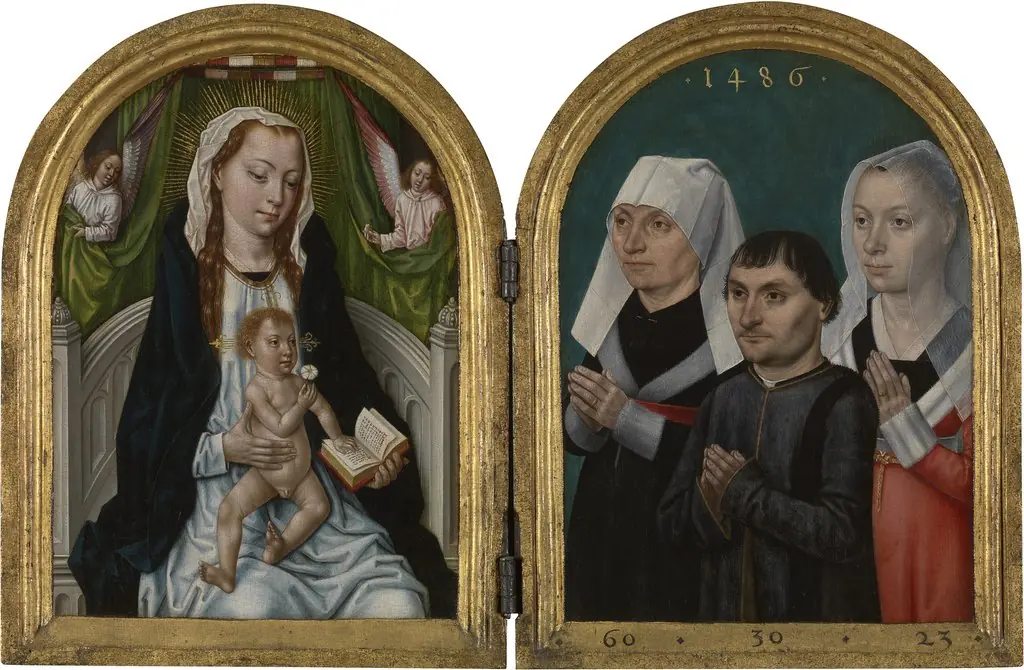 Diptych with the Virgin and Child and Three Donors
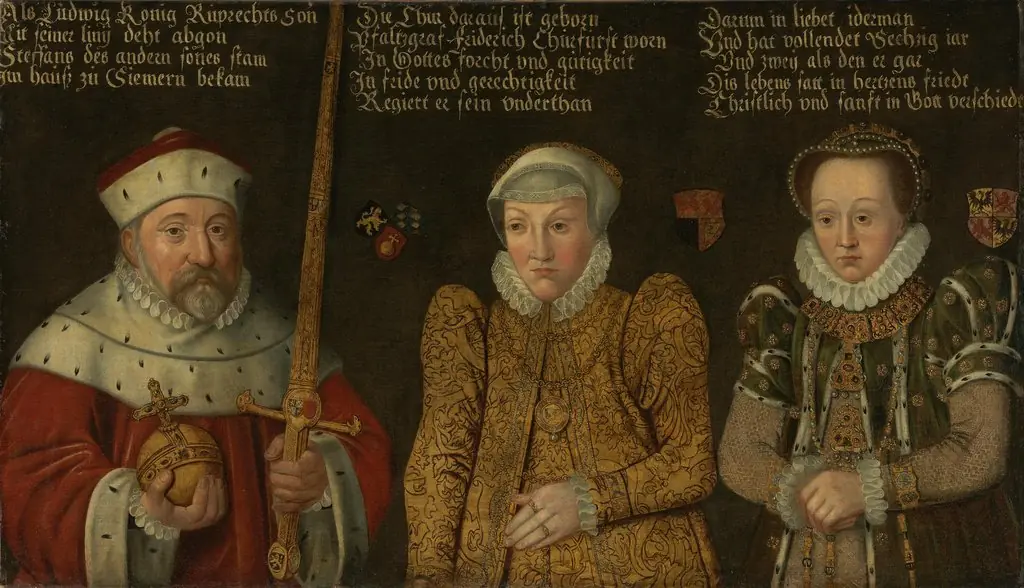 Bildnis des Kurfürsten Friedrich III. von der Pfalz (1515-1576) mit Gemahlinnen Maria von Brandenburg-Kulmbach und Amalia von Neuenar
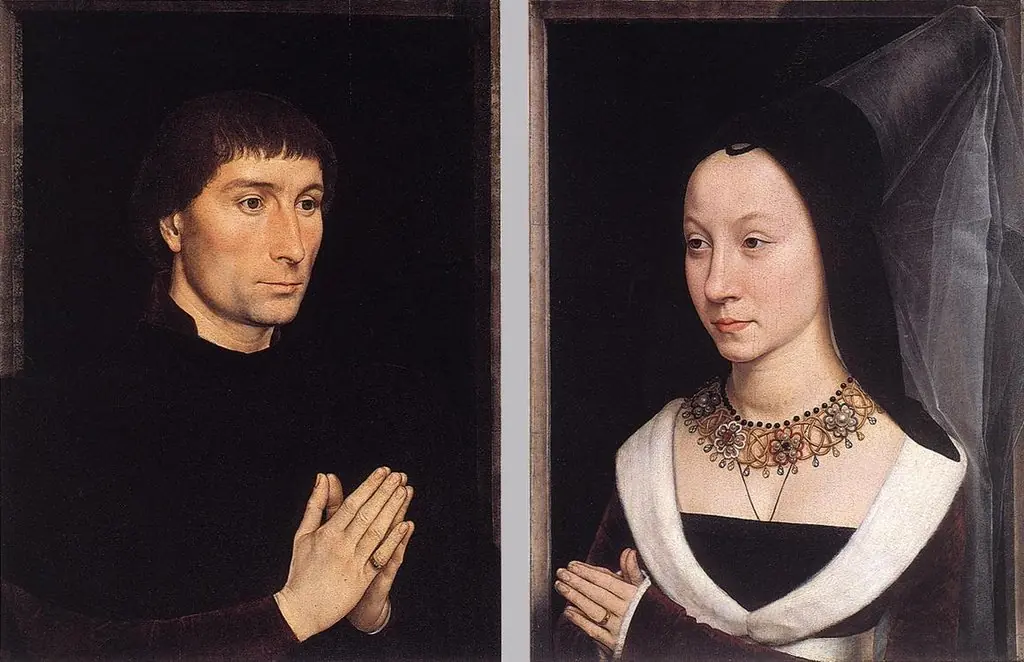 Tommaso di Folco Portinari (1428–1501); Maria Portinari (Maria Maddalena Baroncelli, born 1456)
 Portrait of Isabella of Austria (1501–1526)
 Untitled