Artwork
Kaiser Karl V. (1500-1558), Brustbild als Zweijähriger zusammen mit seinen Schwestern Eleonore (1498-1558) und Isabella (1501-1525)
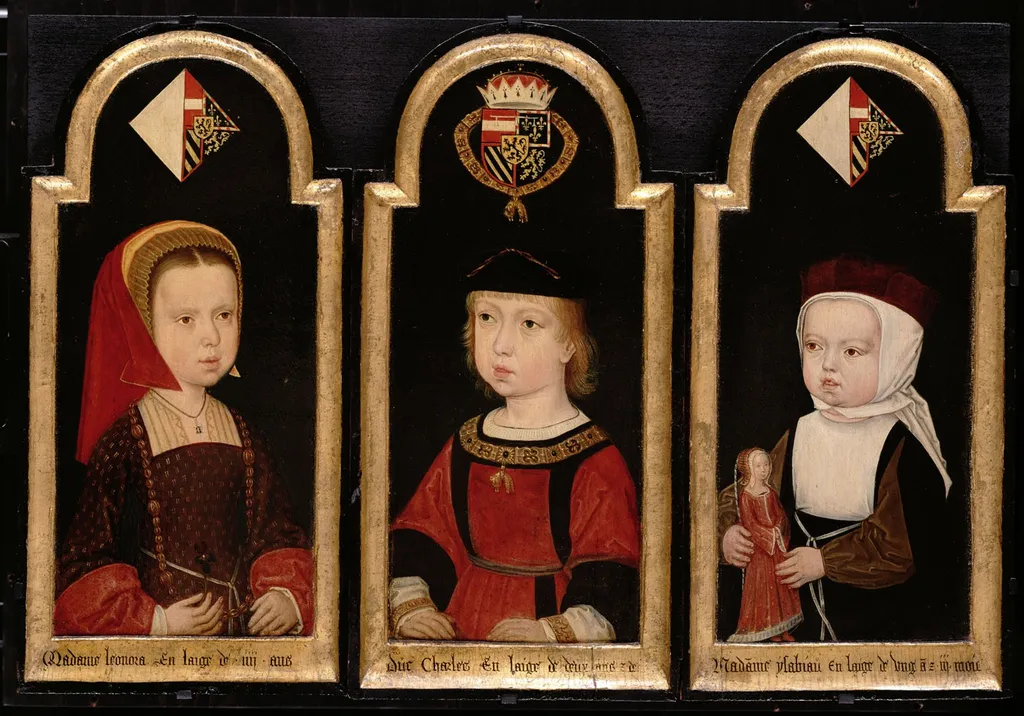
Kaiser Karl V. (1500-1558), Brustbild als Zweijähriger zusammen mit seinen Schwestern Eleonore (1498-1558) und Isabella (1501-1525) is an unspecified painting by the Northern Renaissance artist Meister der Georgsgilde in Mecheln. It dates from 1502 and is held in the collection of the Kunsthistorisches Museum.
About this work
Overview
This 1502 triptych portrait, attributed to Meister der Georgsgilde in Mecheln, depicts three young siblings from the noble class. The work is now part of the collection at the Kunsthistorisches Museum.
Subject & Meaning
The triptych shows Charles V (aged 2), future Holy Roman Emperor, flanked by his sisters Eleanor (4) and Isabella (1). Their formal attire reflects their noble status, with specific details: Eleanor wears a brown dress and red headscarf, Charles is in a red tunic with a black hat, and Isabella wears a brown dress with a white headscarf, holding a doll.
Technique & Style
Executed in a Renaissance style, the painting features gold frames and small crests atop each panel. The artist's approach is characteristic of the period, with subtle suggestions of sfumato, though the overall style remains distinct from the more pronounced sfumato techniques of later Renaissance masters.
History & Provenance
Created in 1502 by Meister der Georgsgilde in Mecheln, the triptych's history prior to its current residence at the Kunsthistorisches Museum is not detailed here.
Context
The work reflects the artistic and social values of the early Renaissance, emphasizing the importance of noble lineage through the depiction of formally attired, young royalty.
Legacy
While specific influences or direct artistic lineage are not highlighted in available information, the triptych remains a notable example of early 16th-century portraiture of European nobility.
Artist & collection
Artist
Meister der Georgsgilde in Mecheln
Meister der Georgsgilde in Mecheln (1450–1508) was an artist, born in Mechelen.

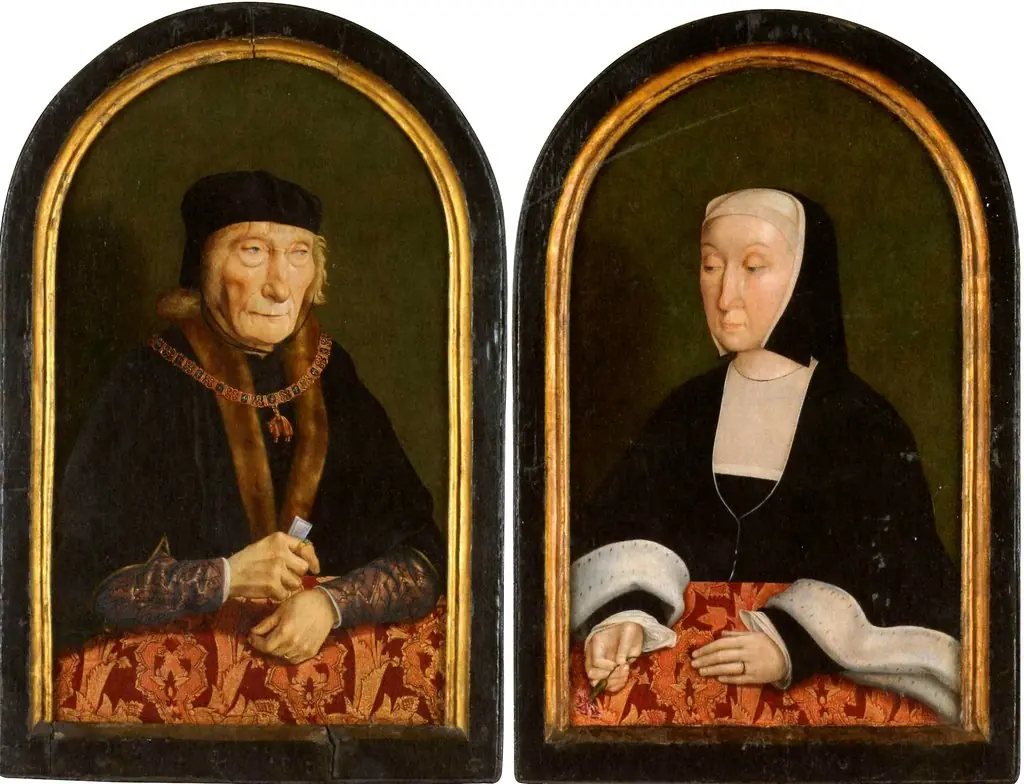 Portrait of Jan III, First Count of Egmond (1438–1516) and his wife Magdalena van Werdenburg, Countess of Egmond (1464–1538)
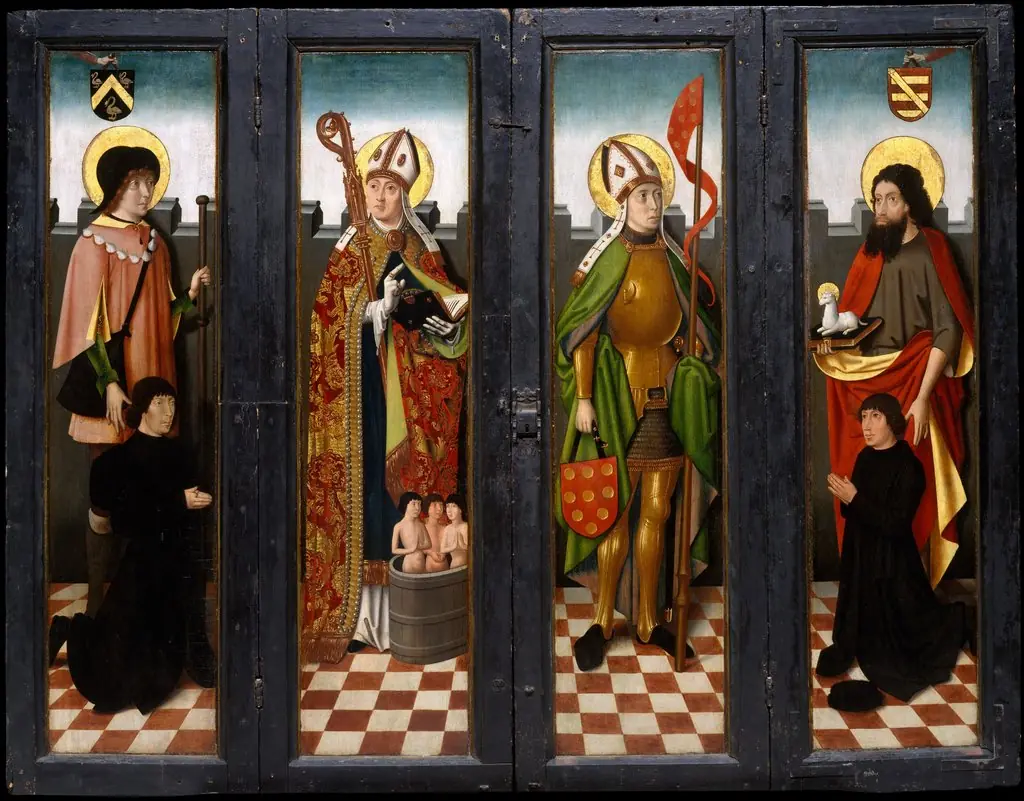 The Life and Miracles of Saint Godelieve
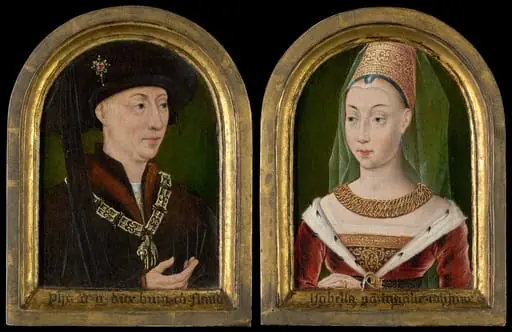 Philip the Good, Duke of Burgundy; Isabelle of Bourbon (?)
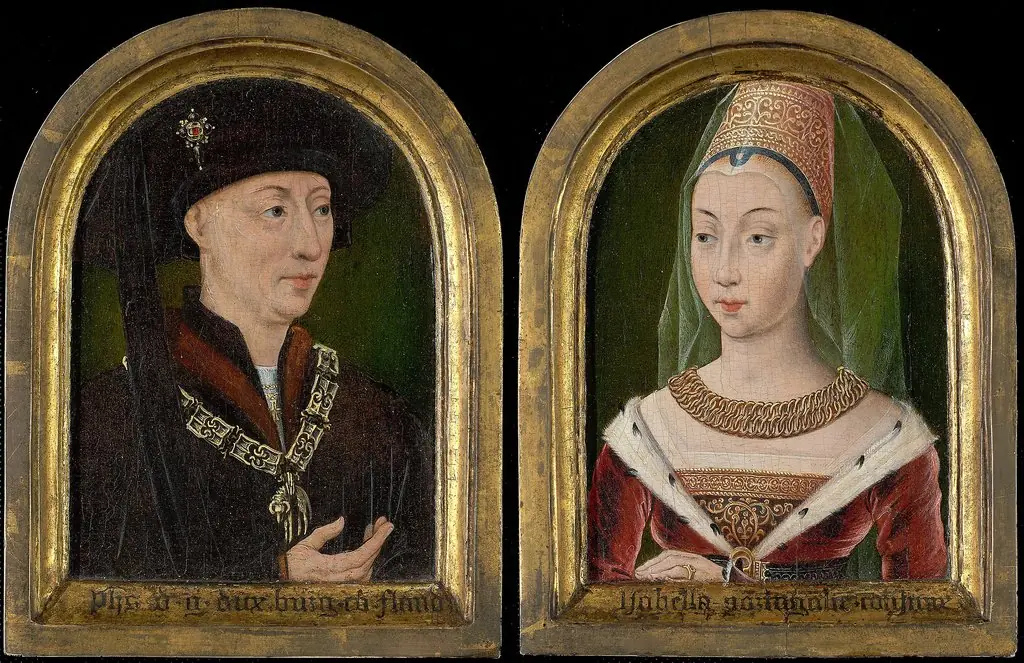 Philip the Good, Duke of Burgundy; Isabelle of Bourbon (?)
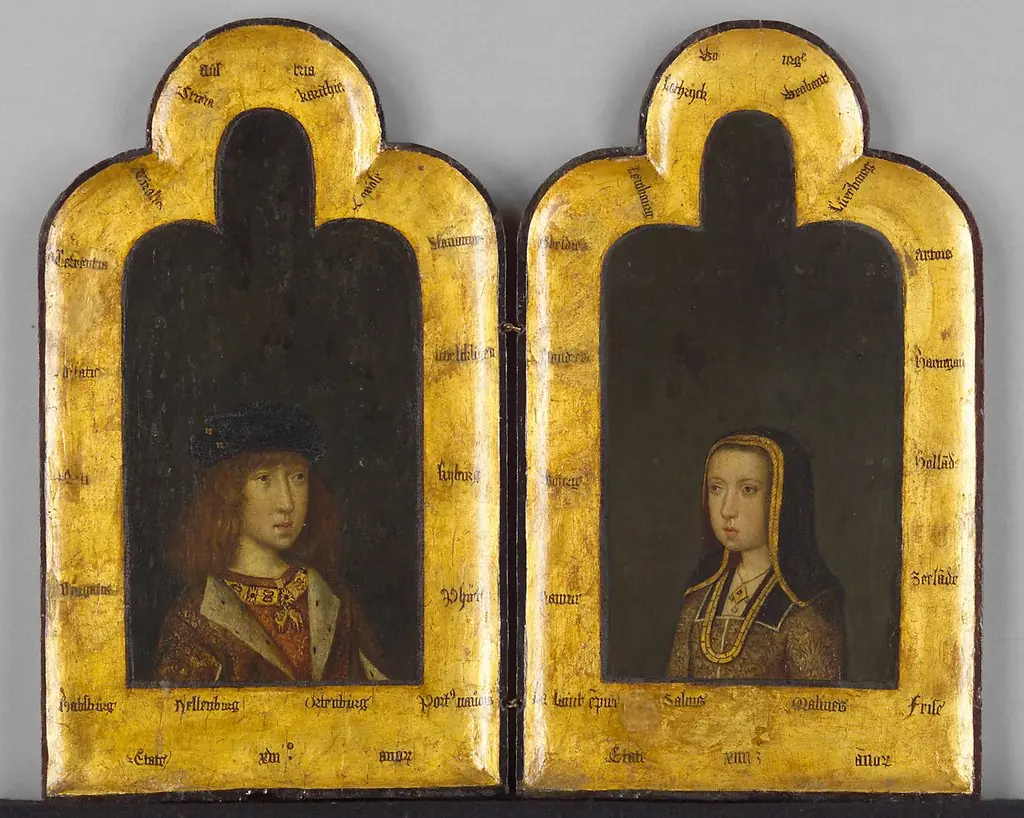 Diptychon: König Philipp I. der Schöne (1478-1506) als Sechzehnjähriger und Margarethe, die Schwester König Philipps I. des Schönen, im 14. Lebensjahr
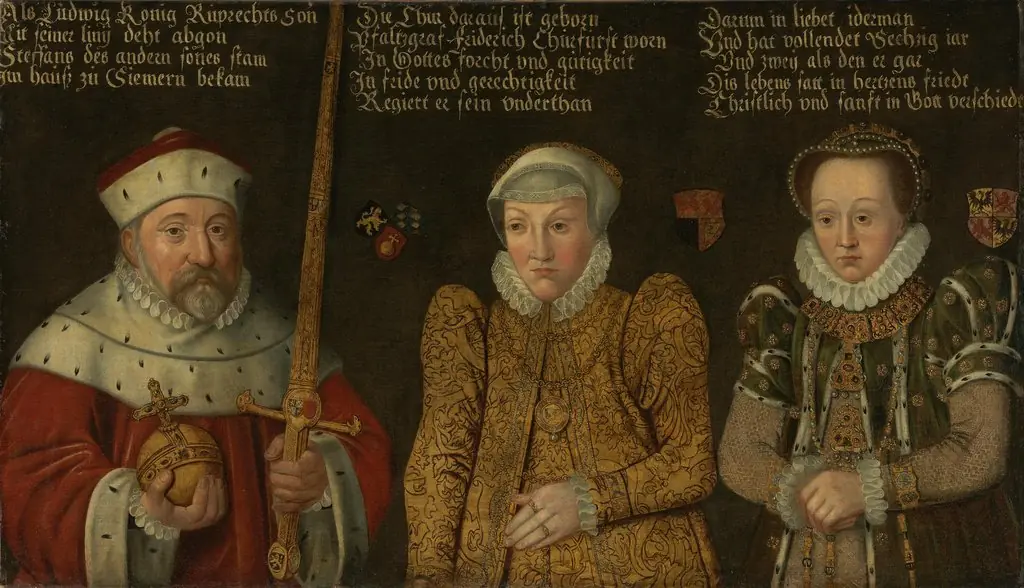 Bildnis des Kurfürsten Friedrich III. von der Pfalz (1515-1576) mit Gemahlinnen Maria von Brandenburg-Kulmbach und Amalia von Neuenar
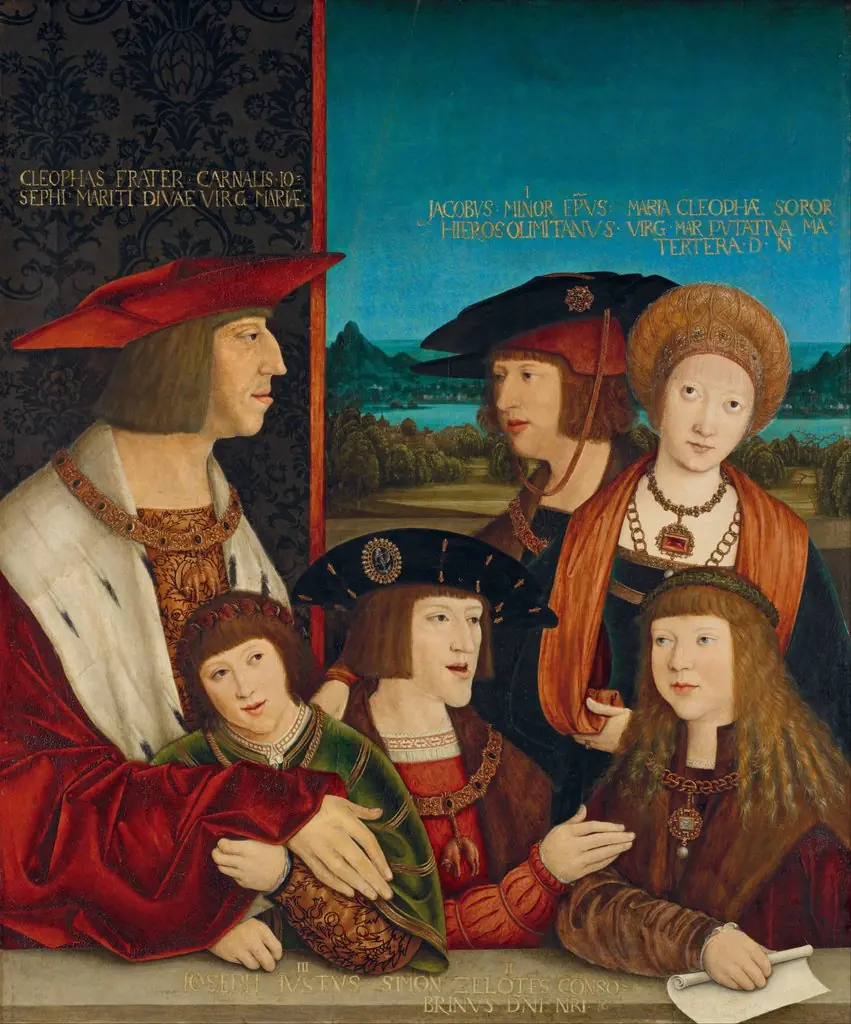 Portrait of Emperor Maximilian and his family
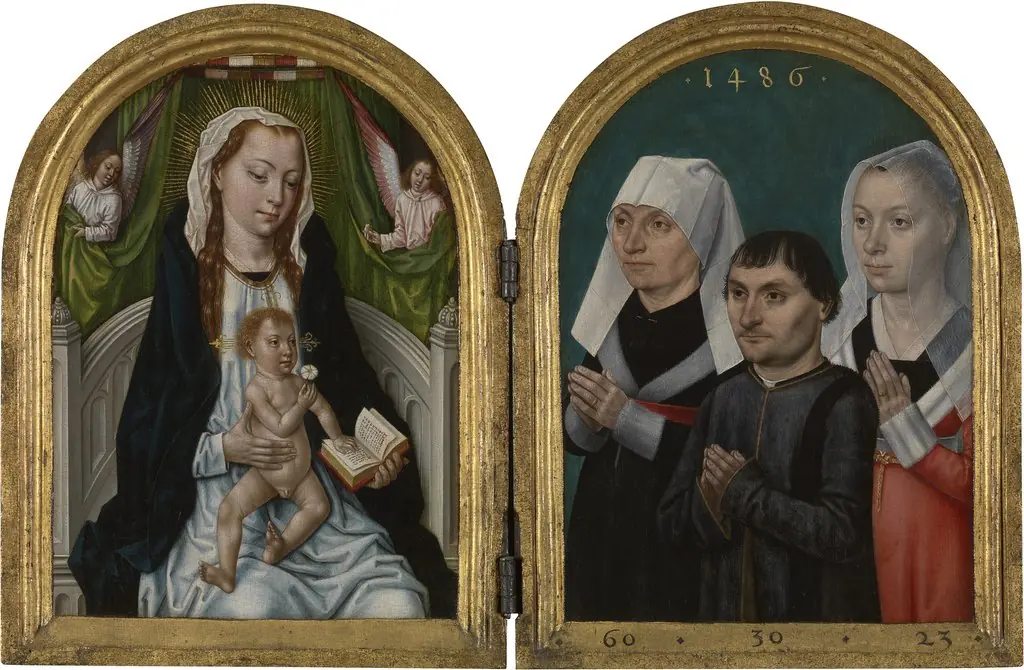 Diptych with the Virgin and Child and Three Donors
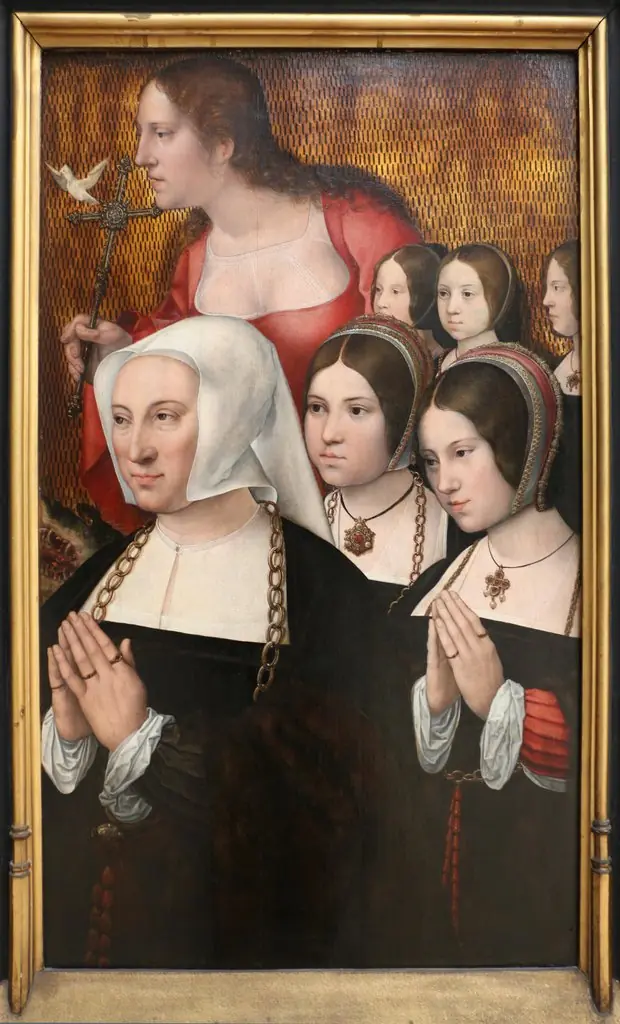 Portrait of Marguerite Numan, wife of Philippe Haneton, with her five daughters and Saint Margaret
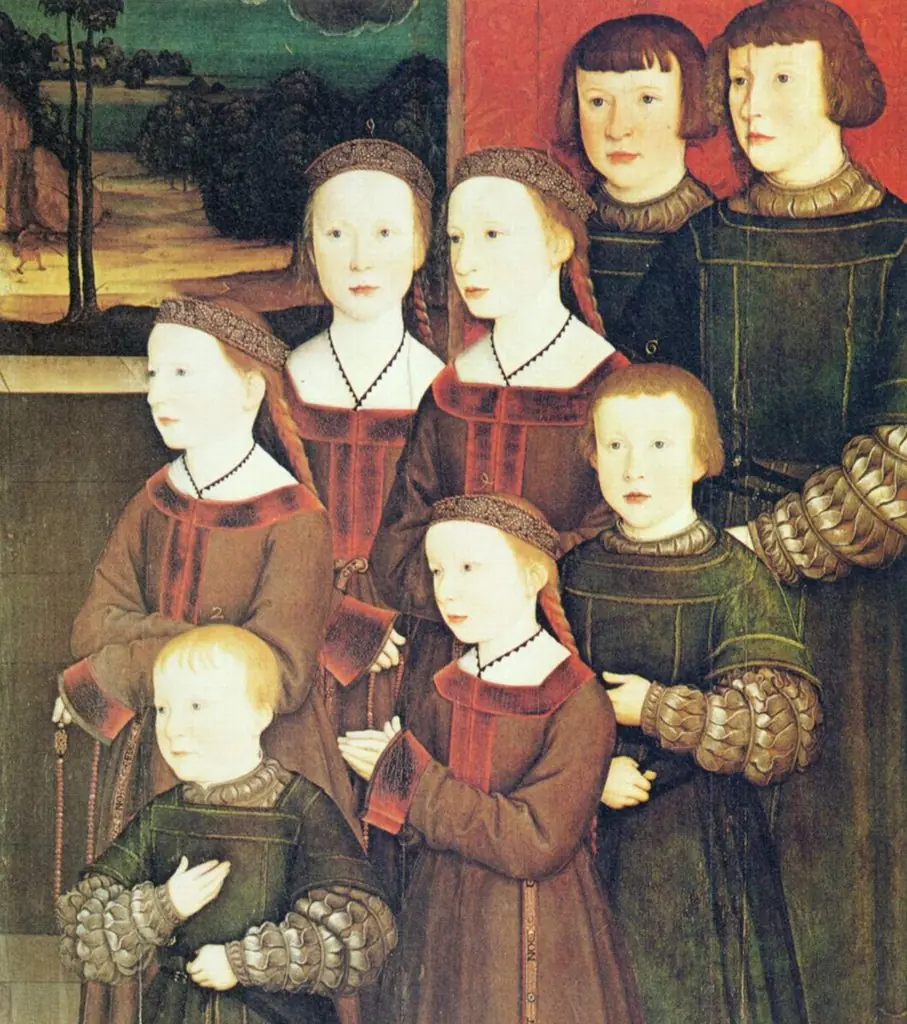 Rehlinger-Diptychon: Die acht Kinder des Konrad Rehlinger
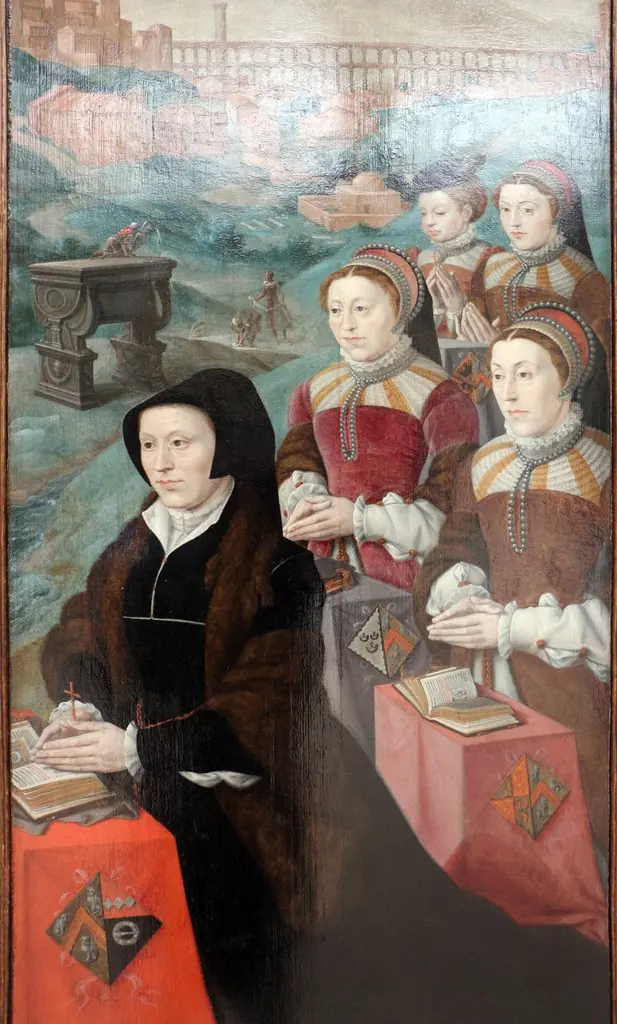 Portrait of Livina Cats van Welle, echtgenote van Jan Micault, met haar vier dochters
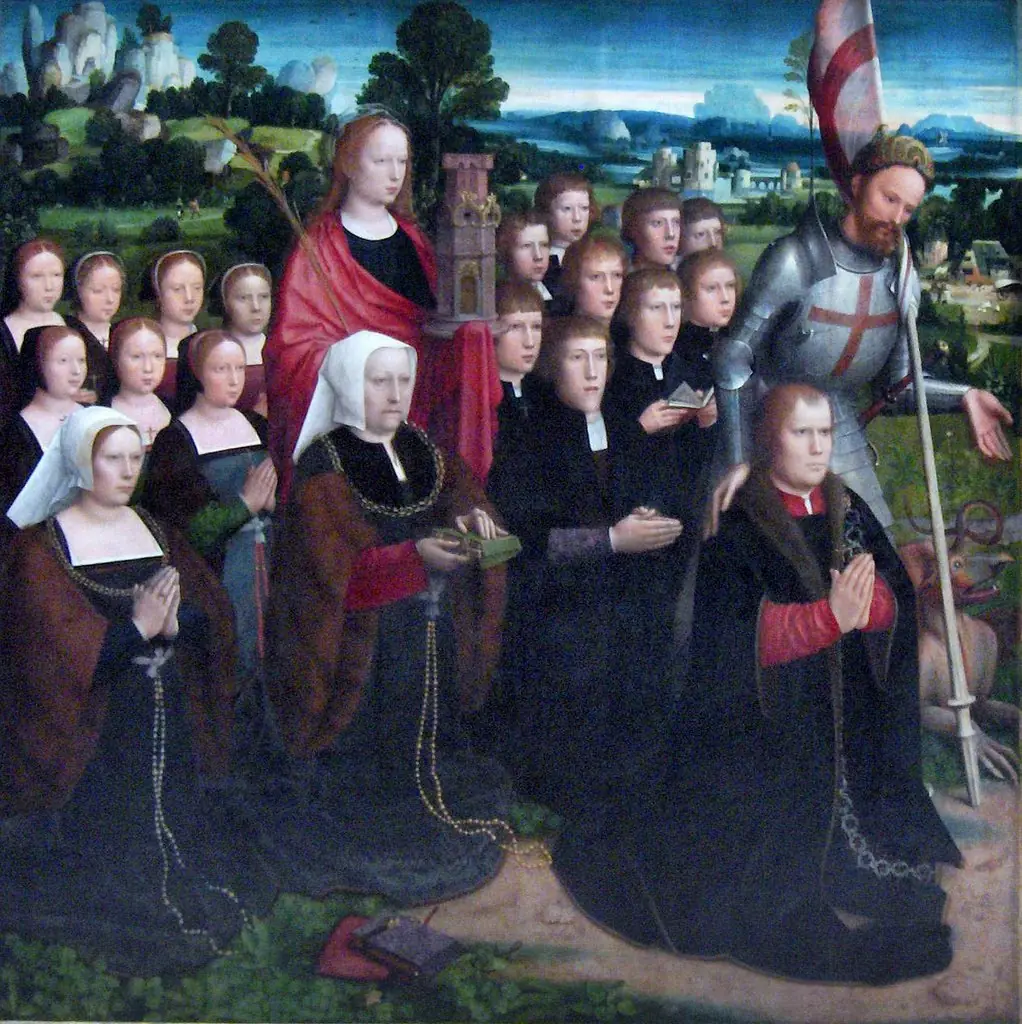 Our Lady of the Seven Sorrows (left wing of diptych: Joris van de Velde, his wife Barbara Le Maire and their children with Saints George and Barbara)