Artwork
Joc în negru și alb
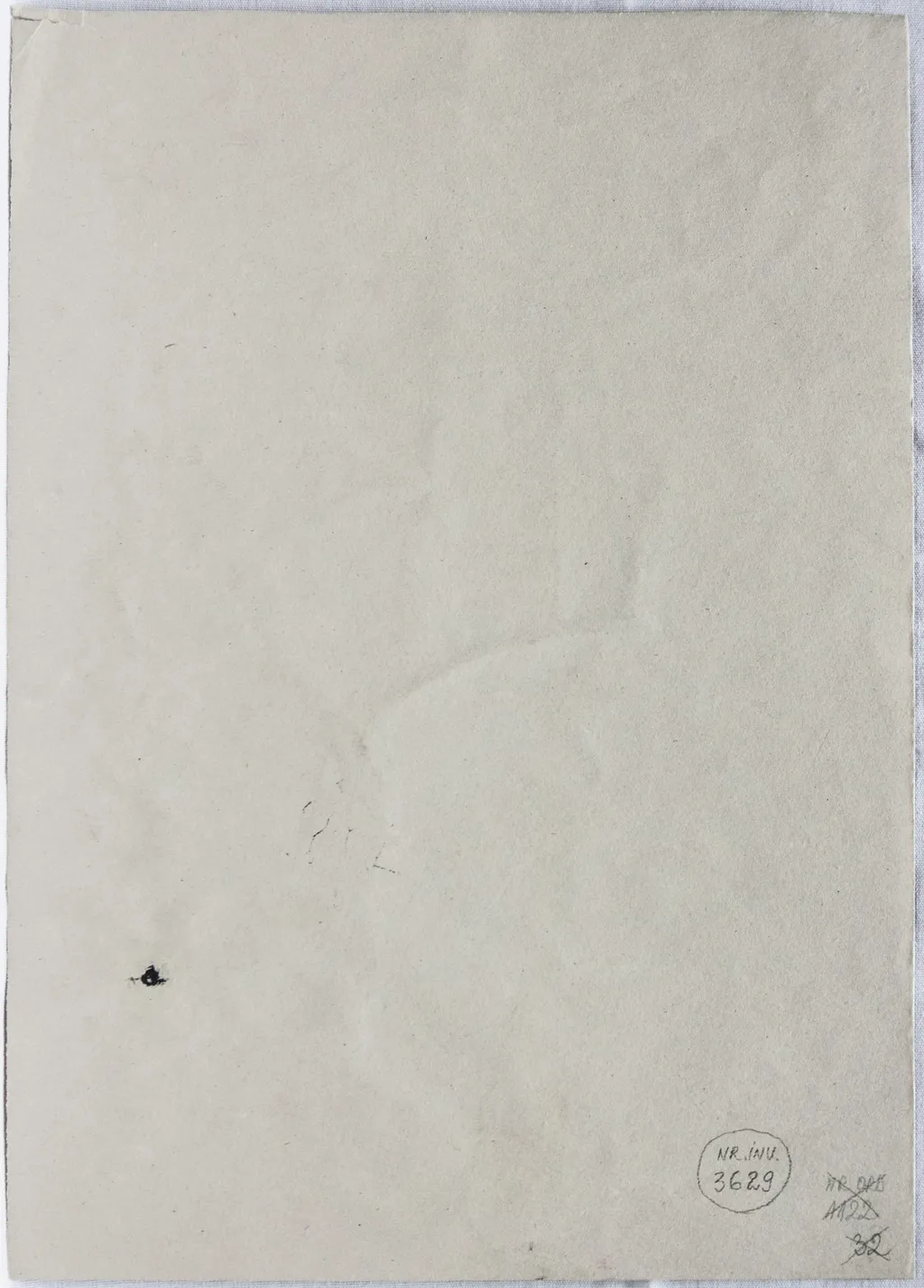
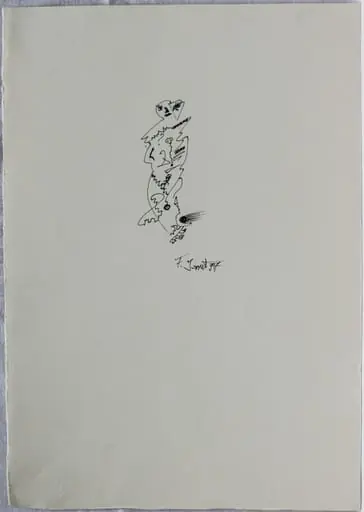
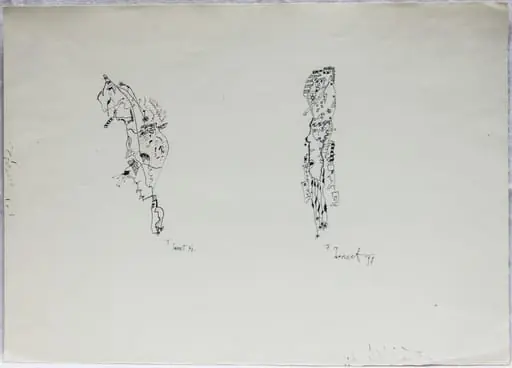
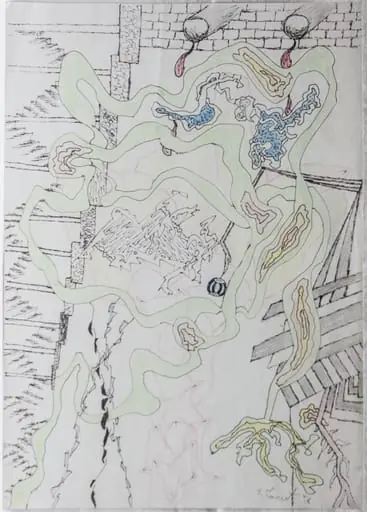
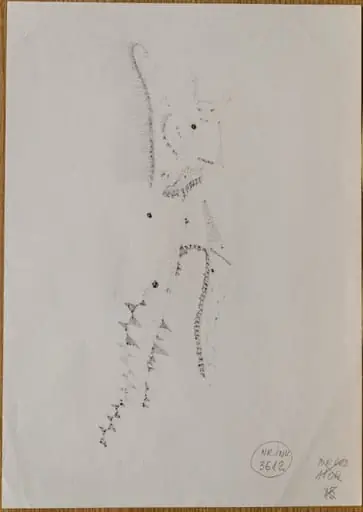
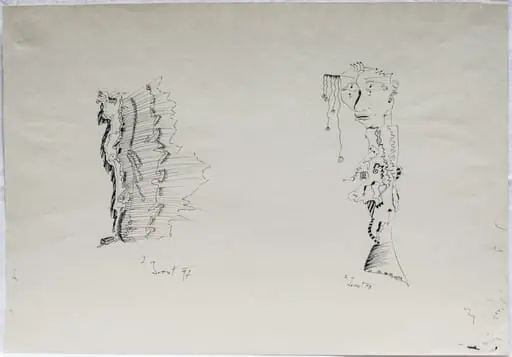
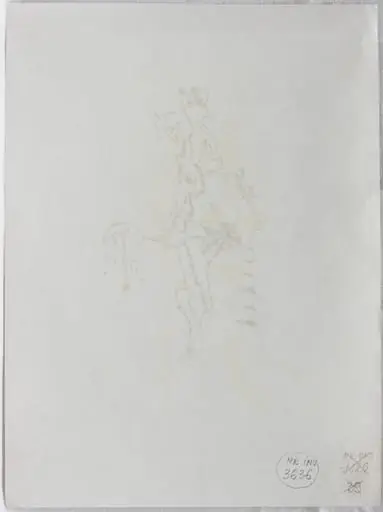
Joc în negru și alb is a drawing by Ionuț Cătălin Florea. It dates from 1950 and is held in the collection of the Gavrila Simion Eco-Museum Research Institute Tulcea.
About this work
Overview
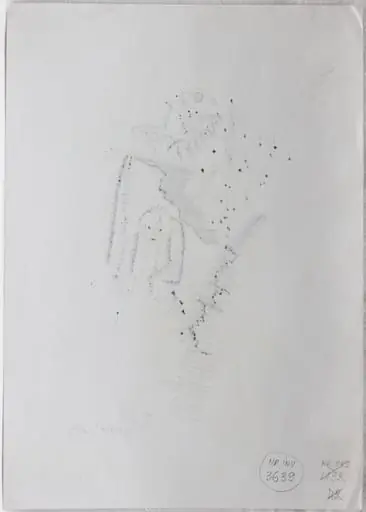
It consists of a single sheet of light beige paper with no visible drawing, writing, or graphic intervention.
Joc în negru și alb is a paper-based work by Romanian artist Ionuț Cătălin Florea, dated around 1950. It consists of a single sheet of light beige paper with no visible drawing, writing, or graphic intervention. The piece is cataloged in the Museum of Ethnography’s collection under the inventory number 3629, indicated by a small handwritten stamp in the lower right corner. Its minimal appearance invites reflection on absence and documentation within artistic practice.
Subject & Meaning
The work presents no figurative or symbolic content, instead emphasizing the physicality of the paper itself. Its title, meaning 'Game in Black and White,' suggests a conceptual play on visibility and erasure, perhaps questioning the expectations of what constitutes art. The absence of marks may reflect a deliberate silence, a challenge to traditional artistic expression, or a record of an unmade gesture.
Technique & Style
The piece relies entirely on the material qualities of the paper—its texture, tone, and surface—as its sole visual elements. No ink, pencil, or other medium has been applied. The only intervention is the archival stamp, applied in a casual, handwritten style, which functions as both identification and a subtle aesthetic counterpoint. The work’s style aligns with postwar explorations of non-representational and conceptual approaches in Eastern European art.
History & Provenance
Created circa 1950, the work entered the collection of the Museum of Ethnography as part of a broader effort to document artistic production in Romania during the mid-20th century. The inventory stamp indicates institutional acquisition and cataloging practices of the time. Its preservation suggests recognition of its significance, despite its lack of conventional imagery, possibly as an example of experimental or marginal artistic activity.
Context
In the early 1950s, Romania operated under a regime that favored socialist realism, making non-representational or conceptual works rare and often unacknowledged. Florea’s piece, with its deliberate void, may reflect quiet resistance or personal exploration outside official artistic norms. It exists alongside other understudied works that test the boundaries of art under political constraint.
Legacy
Joc în negru și alb remains a quiet anomaly in the museum’s holdings, offering a counterpoint to more overtly political or decorative works of the period. Its endurance in the collection signals a later recognition of conceptual gestures within Romanian modernism. It now serves as a reference point for discussions on silence, materiality, and the archival status of ephemeral or unmarked art.
Artist & collection
Artist
This artist made abstract drawings and one sculpture, blending lines and shapes in ways that feel both deliberate and playful.
Museum
Gavrila Simion Eco-Museum Research Institute Tulcea
Continue through works from the same source collection.