Artwork
Personaje fantastice

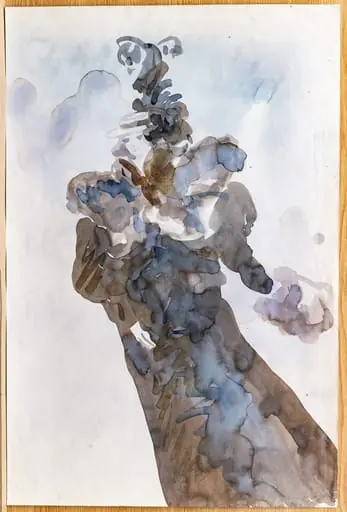
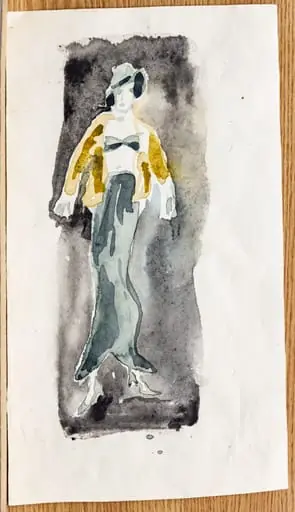
Personaje fantastice is a print by Tiberiu Nicorescu. It is held in the collection of the Gavrila Simion Eco-Museum Research Institute Tulcea.
About this work
Overview
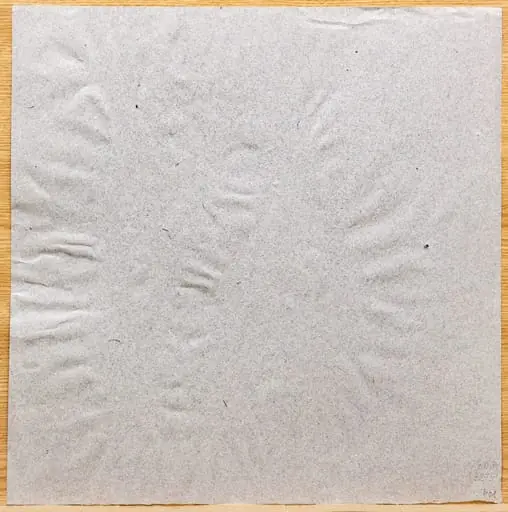
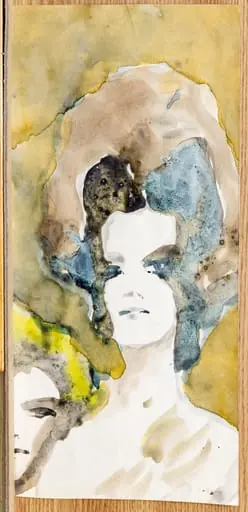
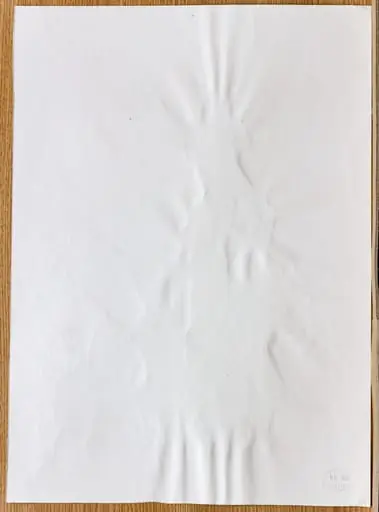
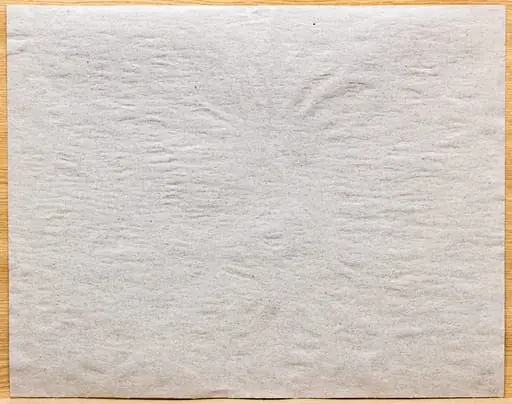
Personaje fantastice is a visual artwork presented as a blank, white, rectangular sheet of paper with a smooth texture. The surface features faint, light gray smudges and scattered marks that do not coalesce into discernible shapes or patterns.
Subject & Meaning
The subject of Personaje fantastice appears to be the absence of a defined subject or creative expression. The work's meaning is ambiguous, potentially inviting interpretation about the nature of art, emptiness, or the threshold of creativity.
Technique & Style
The technique employed is minimal, with the artwork's state suggesting either an initial stage of creation, a deliberate choice for simplicity, or an exploration of the bare essentials of artistic presentation. The style is characterized by its emptiness and subtlety.
History & Provenance
Limited information is provided about the artwork's history and provenance. It is attributed to an artist possibly named Nicorescu, Tiberiu, with no further context given about its creation date, exhibitions, or ownership history.
Context
Without specific contextual information, Personaje fantastice can be broadly situated within contemporary art practices that challenge traditional notions of what constitutes a 'work of art'. It may relate to movements exploring conceptualism or the minimalist aesthetic.
Legacy
The legacy of Personaje fantastice is unclear due to the lack of detailed information about its reception, influence, or place within the artist's oeuvre. Its impact, if any, on the broader art world cannot be assessed from the provided details.
Artist & collection
Artist
Tiberiu Nicorescu made prints and paintings in mid-20th-century Romania. You’ll find his print *Îmbrățișare*—a tender embrace captured in black lines—and the delicate waiting scene in *În așteptare*. His painting…
Museum
Gavrila Simion Eco-Museum Research Institute Tulcea
Continue through works from the same source collection.