Artwork
A Young Man Sitting on a Stool Reading a Book (recto); The Fall of Man (a fragment of the lower part) (verso)
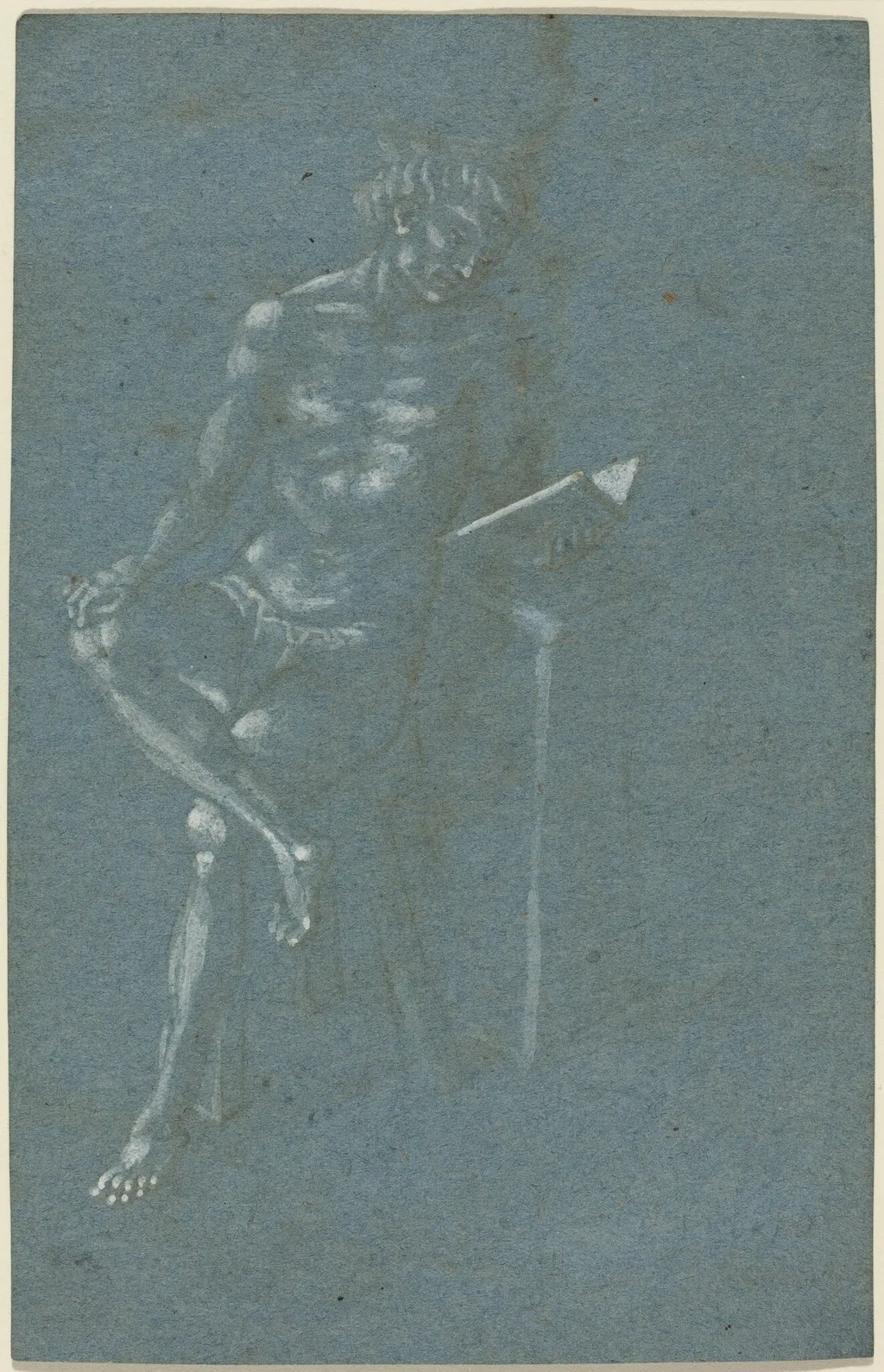
A Young Man Sitting on a Stool Reading a Book (recto); The Fall of Man (a fragment of the lower part) (verso) is an ink drawing by the Renaissance artist Florentine 15th Century. It dates from 1450 and is held in the collection of the National Gallery of Art. This double-sided drawing on laid paper presents two distinct compositions.
About this work
Overview
The recto depicts a seated nude youth absorbed in reading, rendered in pen and brown ink with selective white gouache highlights.
This double-sided drawing on laid paper presents two distinct compositions. The recto depicts a seated nude youth absorbed in reading, rendered in pen and brown ink with selective white gouache highlights. The verso preserves a fragmentary scene of the Fall of Man, executed in black chalk and pen with brown ink. Both sides reflect a meticulous study of human anatomy and form, characteristic of Renaissance draftsmanship.
Subject & Meaning
The recto’s central figure—a young man engrossed in a book—suggests a theme of intellectual or spiritual contemplation, aligning with Renaissance humanist ideals. His nudity may reference classical antiquity, where the unclothed body symbolized purity or idealized virtue. The verso’s fragment, though incomplete, evokes the biblical narrative of Adam and Eve’s expulsion, a subject often explored for its moral and theological implications.
Technique & Style
The artist employs fine penwork to define musculature and drapery, with white gouache applied sparingly to model volume and suggest light. The verso’s combination of chalk underdrawing and ink reinforces a layered approach, allowing for both precision and fluidity. The attention to anatomical detail and textural contrasts reflects techniques honed during the High Renaissance, emphasizing observation and mastery of the human form.
History & Provenance
The drawing’s early history remains unrecorded, though its style and materials align with works produced in Italy during the late 15th or early 16th century. The use of laid paper, identifiable by its grid-like texture, was common among Renaissance artists. The fragmentary nature of the verso suggests it may have been part of a larger study or preparatory work, later separated or damaged over time.
Context
Such drawings were often created as studies for larger compositions or as exercises in depicting the human body. The recto’s focus on a solitary reader reflects the period’s growing interest in individualism and learning, while the verso’s biblical subject underscores the era’s engagement with religious narratives. The work exemplifies the Renaissance revival of classical techniques and themes, bridging artistic practice with intellectual and spiritual inquiry.
Artist & collection

Artist
This artist worked in bronze during the Italian Renaissance, mostly making small plaques with complex details.

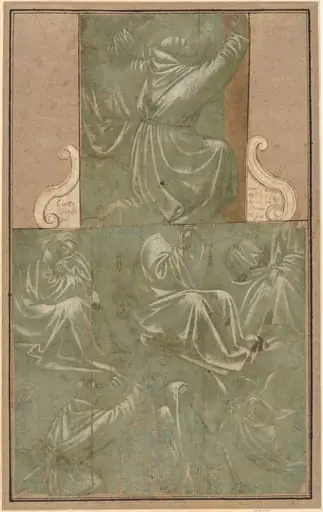
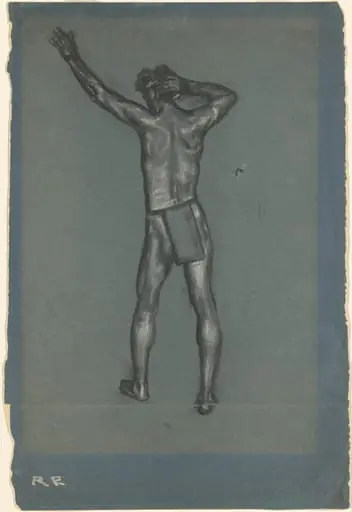 The Signal
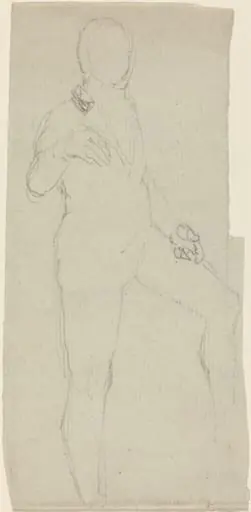 Male Figure in Contemporary Dress
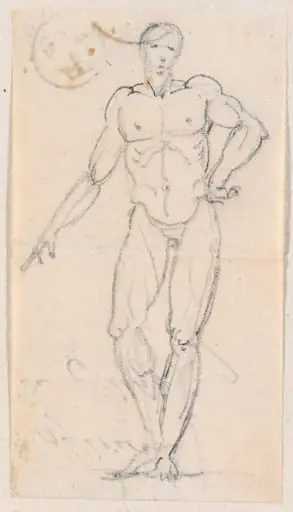 Statue of a Male Nude with Hand on Hip
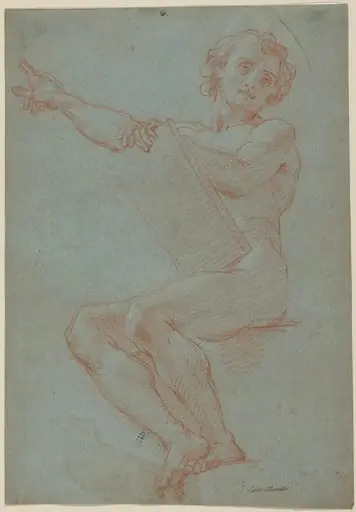 A Seated Man Holding a Tablet
![Figure of a Man [recto], by Ventura Salimbeni](https://artifactworldgallery.com/img/ventura-salimbeni--figure-of-a-man-recto--31a0299707350915-w320.webp) Figure of a Man [recto]
Figure of a Man [recto]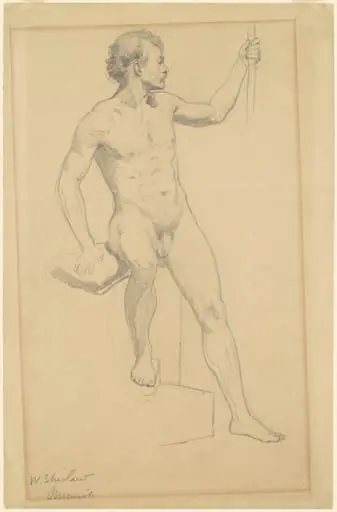 Male Nude
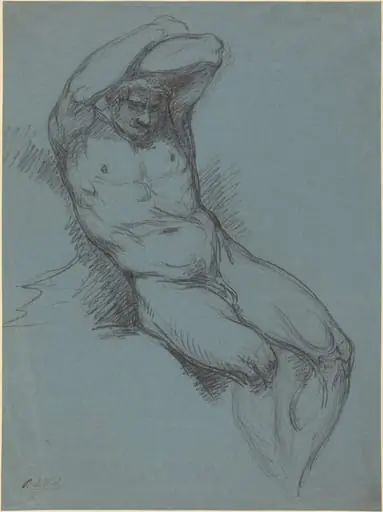 A Seated Male Nude with His Hands Crossed over His Head
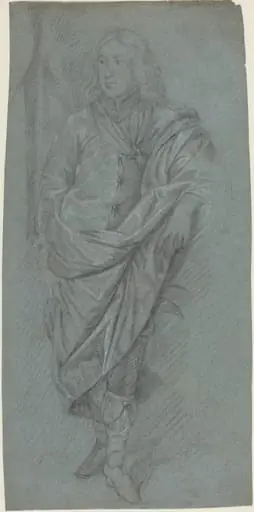 Young Englishman (Lord John Stuart?)
![The Belvedere Torso [verso], by William Blake](https://artifactworldgallery.com/img/william-blake--the-belvedere-torso-verso--3124534f87673a3a-w320.webp) The Belvedere Torso [verso]
The Belvedere Torso [verso]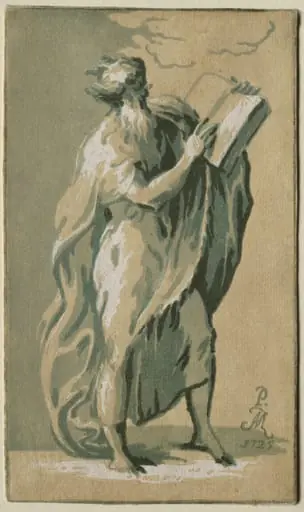 An Old Man Standing
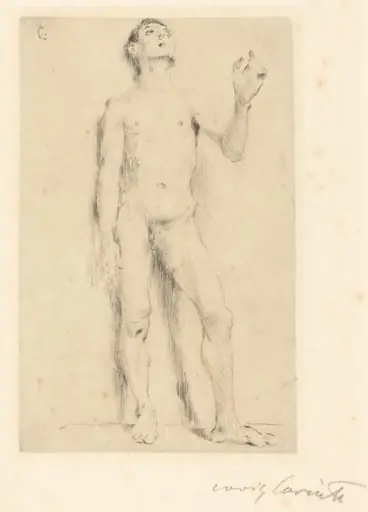 Jünglingsakt (Young Male Nude)
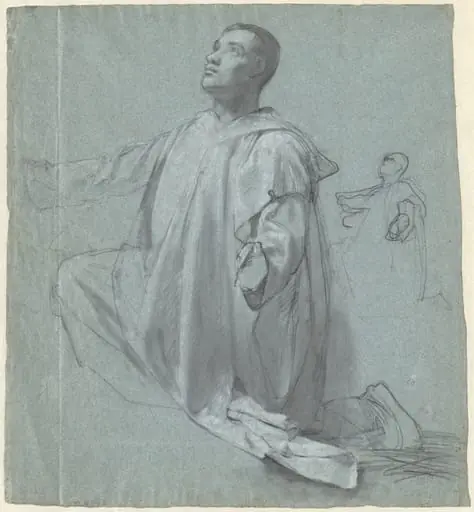 A Young Benedictine Monk Kneeling