Artwork
An Old Man Standing
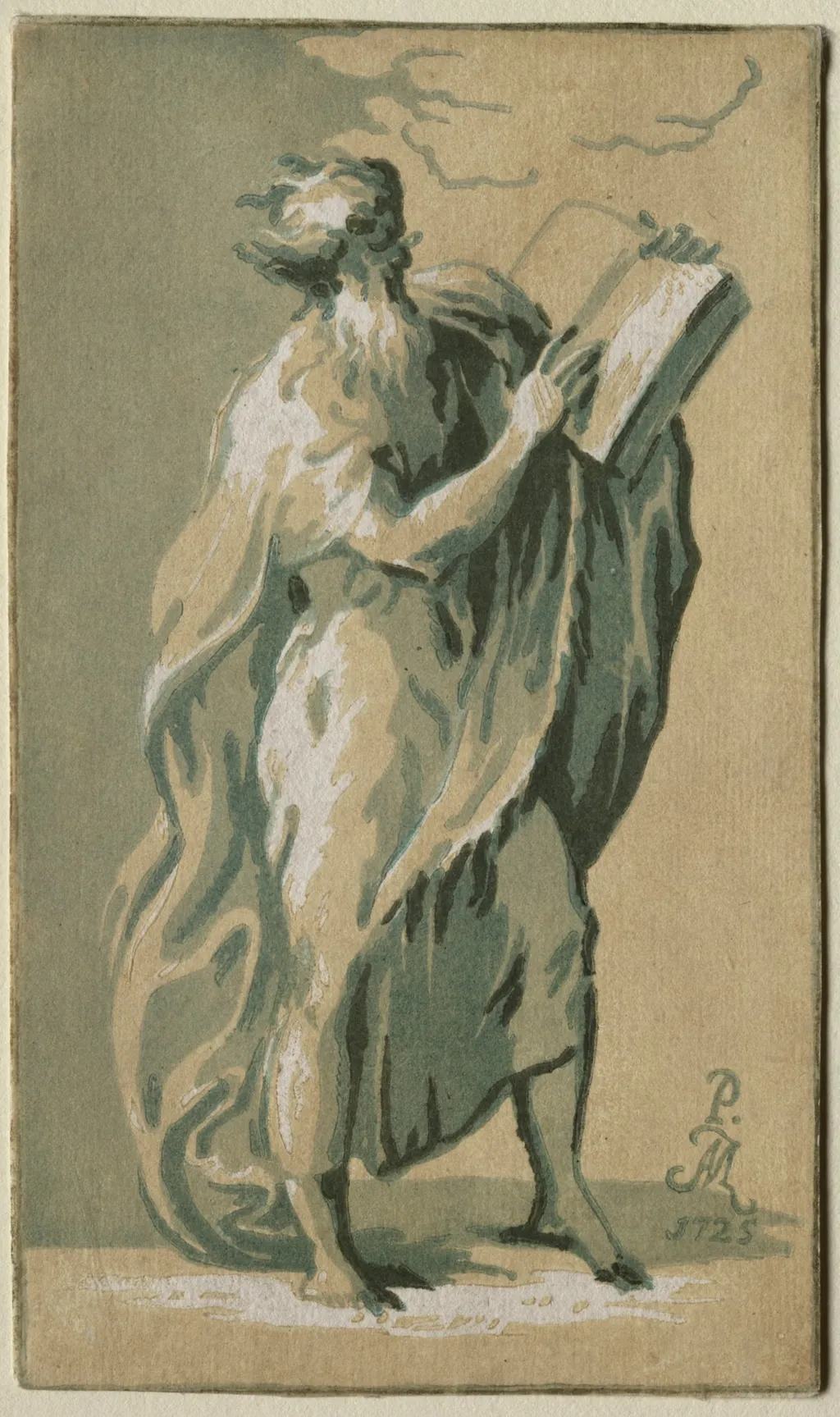
An Old Man Standing is a print by the Baroque artist Antonio Maria I Zanetti. It dates from 1725 and is held in the collection of the Cleveland Museum of Art. This print depicts an elderly man standing in quiet repose, rendered in chiaroscuro technique with soft modeling and gentle illumination.
About this work
Overview
This print depicts an elderly man standing in quiet repose, rendered in chiaroscuro technique with soft modeling and gentle illumination.
This print depicts an elderly man standing in quiet repose, rendered in chiaroscuro technique with soft modeling and gentle illumination. Created by Antonio Zanetti, an 18th-century Venetian artist and collector, the work stems from his engagement with Renaissance drawings, particularly those by Parmigianino. Zanetti’s prints were not mere reproductions but reinterpretations that revitalized the chiaroscuro tradition through novel color use.
Subject & Meaning
The figure is an anonymous elder, dressed plainly, his face softly lit to emphasize age and stillness. There is no narrative or symbolic context—only presence. The focus on the human countenance reflects Zanetti’s interest in the expressive potential of the drawn form, inherited from Parmigianino’s studies. The calm demeanor invites contemplation rather than storytelling, aligning with the introspective tone of preparatory drawings.
Technique & Style
Unlike earlier chiaroscuro prints that used tonal gradations in a single hue, Zanetti introduced contrasting pastel colors within one impression. Influenced by Rococo painting, he layered delicate hues of pink, blue, and ochre to mimic the subtleties of light and skin tone. This innovation transformed the medium from a monochrome imitation of drawing into a more vibrant, painterly experience while preserving its tonal precision.
History & Provenance
In 1720, Zanetti acquired 130 drawings by Parmigianino during a visit to England, many originally intended as models for chiaroscuro woodcuts. He used these as sources for his own prints, adapting their compositions while refining their execution. His prints circulated among collectors and artists, helping to rekindle interest in the technique during a period when it had largely fallen out of favor.
Context
Zanetti operated within a network of Venetian connoisseurs and international collectors, acting as both agent and copyist. His work emerged during a revival of interest in Renaissance art, fueled by growing collections and scholarly attention. While his compositions often derived from older sources, his technical experiments reflected contemporary aesthetic preferences, particularly the Rococo’s embrace of delicate color and refined surface.
Legacy
Zanetti’s use of polychrome chiaroscuro influenced later printmakers seeking to bridge drawing and painting. Though not an original designer, his technical innovations expanded the expressive range of the medium. His prints preserved the spirit of Parmigianino’s studies while adapting them to 18th-century sensibilities, ensuring the survival and evolution of a fading Renaissance technique.
Artist & collection

 Saint Simon
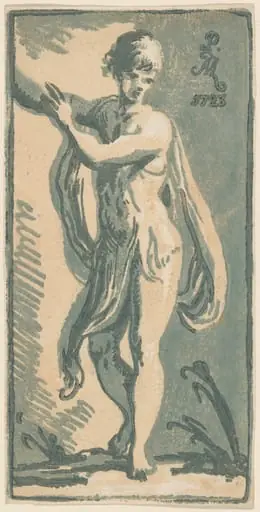 A Standing Youth Gesturing to His Right
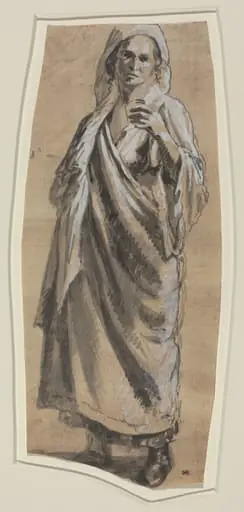 Study of a Standing Woman
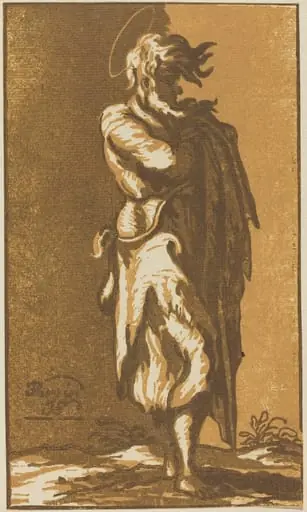 Male Saint Standing with Folded Arms, Facing to the Right
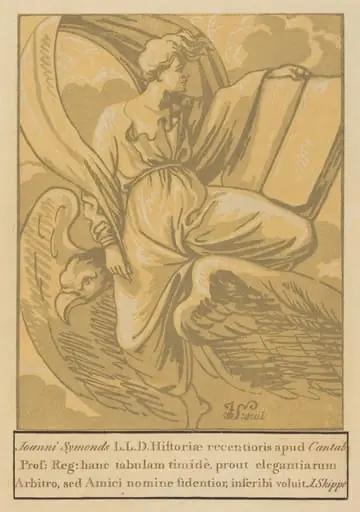 Saint John the Evangelist
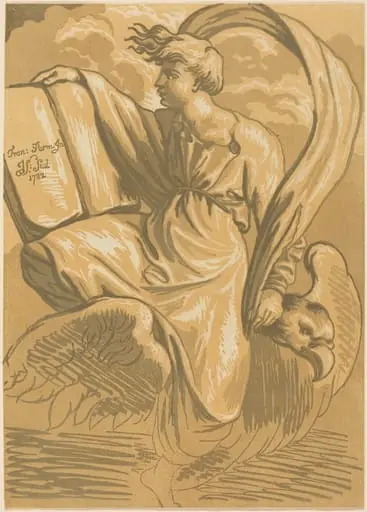 Saint John the Evangelist
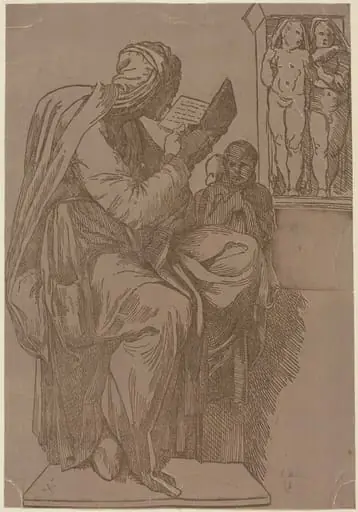 A Sibyl Reading
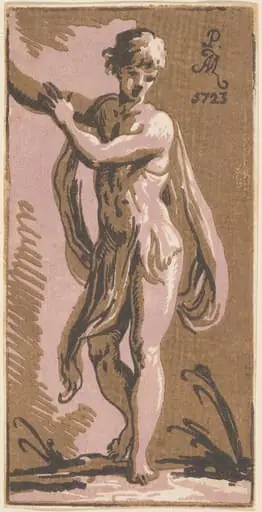 A Standing Youth Gesturing to His Right
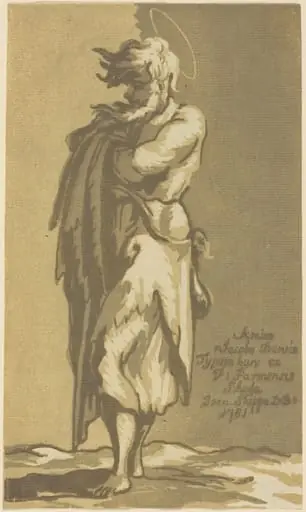 Male Saint Standing, with Folded Arms, Facing to the Left
 The Novel - Girl Reading
 Woman Reading
 Saint Peter