Artwork
Portrait of a Court Lady
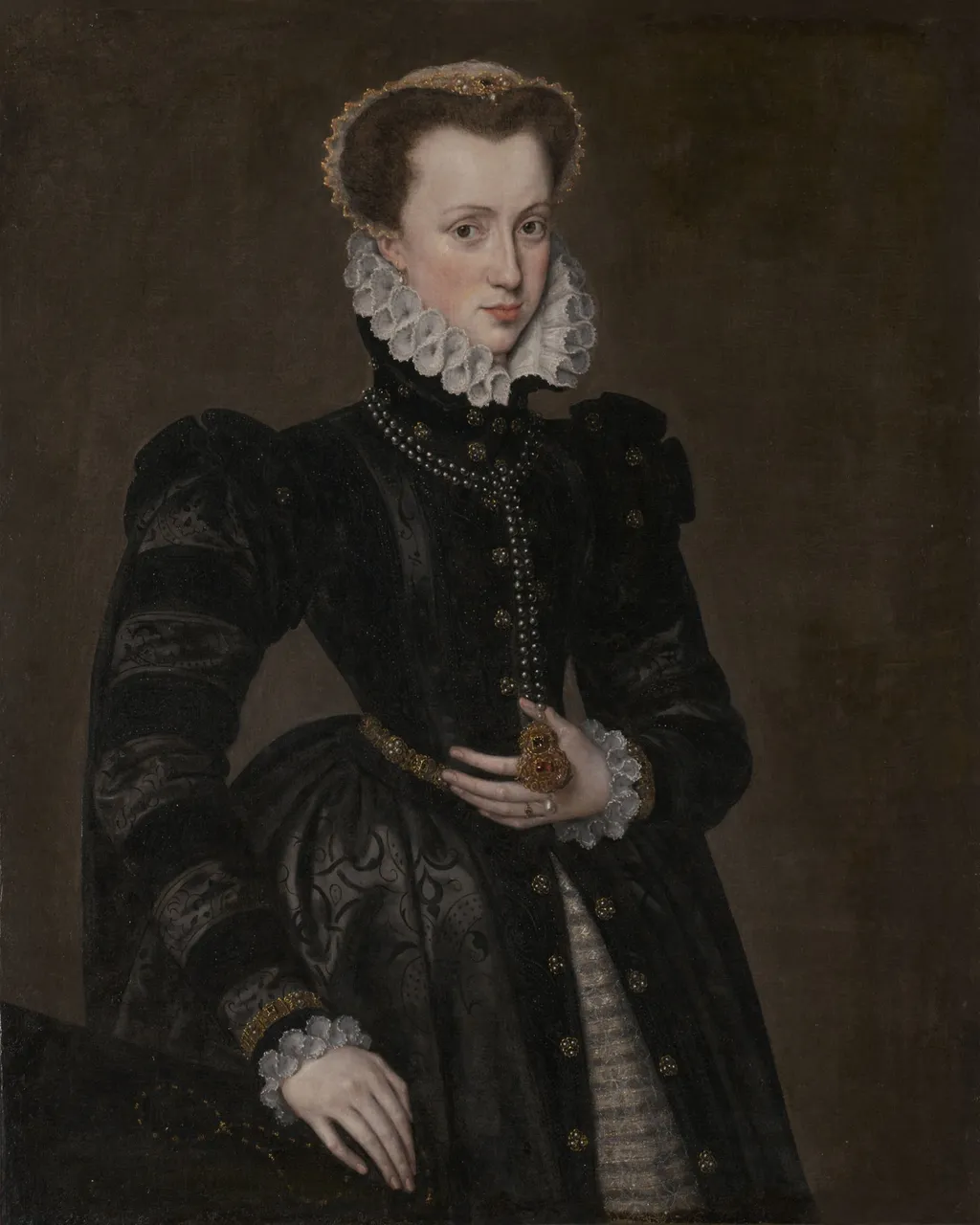
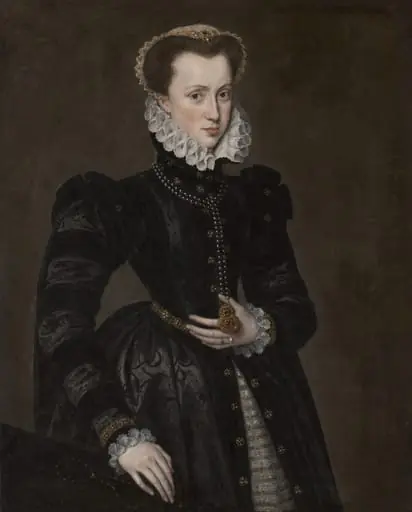
Portrait of a Court Lady is an oil painting by the Mannerist artist Unknown. It dates from 1554 and is held in the collection of the Art Institute of Chicago. The work presents a solitary female figure positioned before a darkened backdrop.
About this work
Overview
The work presents a solitary female figure positioned before a darkened backdrop. She is attired in a black velvet dress accented with gold embroidery, its voluminous sleeves cut away to reveal a lighter lining. A ruff frames her neck, and she rests one hand on a small, decorative object placed on her lap while the other hangs loosely at her side.
Subject & Meaning
The sitter appears to be a courtly lady, suggested by the luxurious fabrics and the presence of an ornamental object that may signify status or a personal emblem. The composition’s focus on her poised demeanor and the intimate gesture of hand placement invites contemplation of her role within a refined, possibly aristocratic, environment.
Technique & Style
The artist employs a pronounced chiaroscuro, using deep shadows to isolate the figure from the background and to model the face and hands with a three‑dimensional quality. The contrast between the velvety black dress and the illuminated skin highlights texture and material, while the slashed sleeves expose a contrasting fabric, adding visual complexity.
History & Provenance
Created in oil on canvas, the painting’s origins and ownership trail are not documented in the supplied data, leaving its date of execution, artist, and subsequent collection history unspecified.
Context
The garment’s black velvet, gold embroidery, and ruff collar align with fashion trends of European courts during the late 16th to early 17th centuries, a period when such attire signified wealth and rank. The use of chiaroscuro reflects a broader artistic interest in dramatic lighting that emerged in the Baroque era.
Artist & collection

 Domestic Scene
 Giacomo and Cardinal Marco, investing Andrea, Abbot of San Zeno, with his Benefice
 The Nymph of Fontainebleau
 Portrait of a Woman
 Madonna and Child with Saints in the Enclosed Garden
 Venus and Minerva
 Family Group of Four on Sofa
 Wall painting from Room H of the Villa of P. Fannius Synistor at Boscoreale
 Portrait of a Lady
 Portrait of a Lady
 Herzogin Margarete von Joyeuse (1564-1625), Dreiviertelbildnis
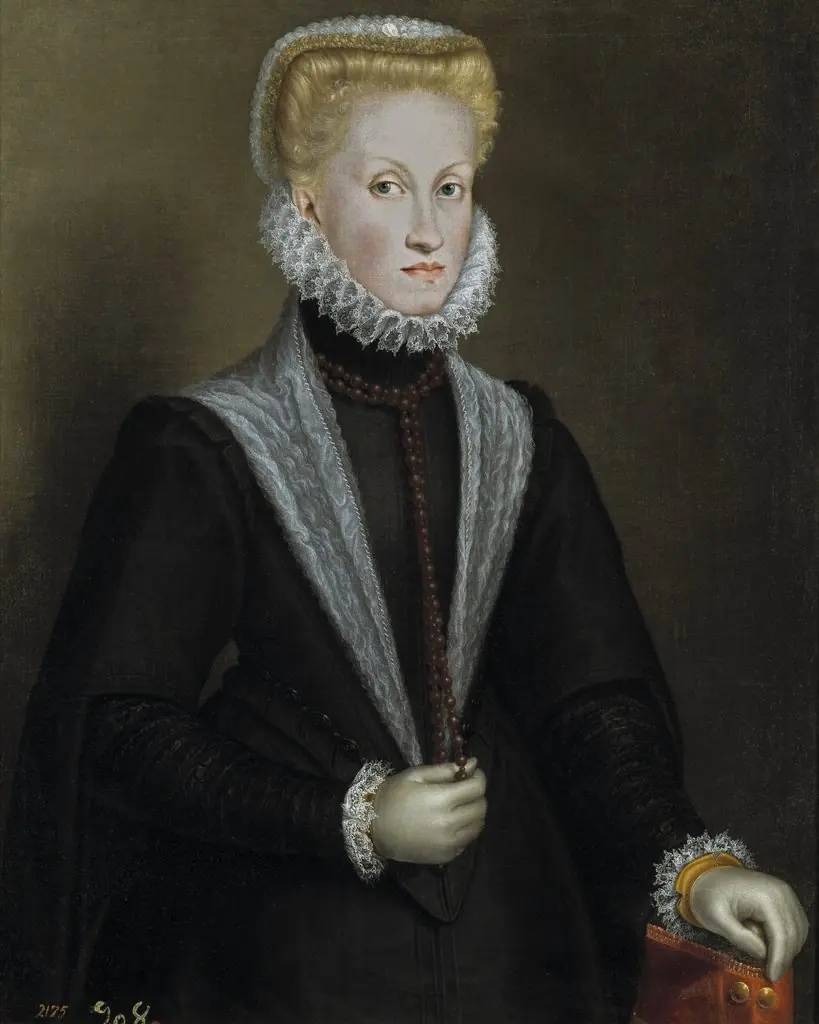 Portrait of Anna of Austria (1549-1580)
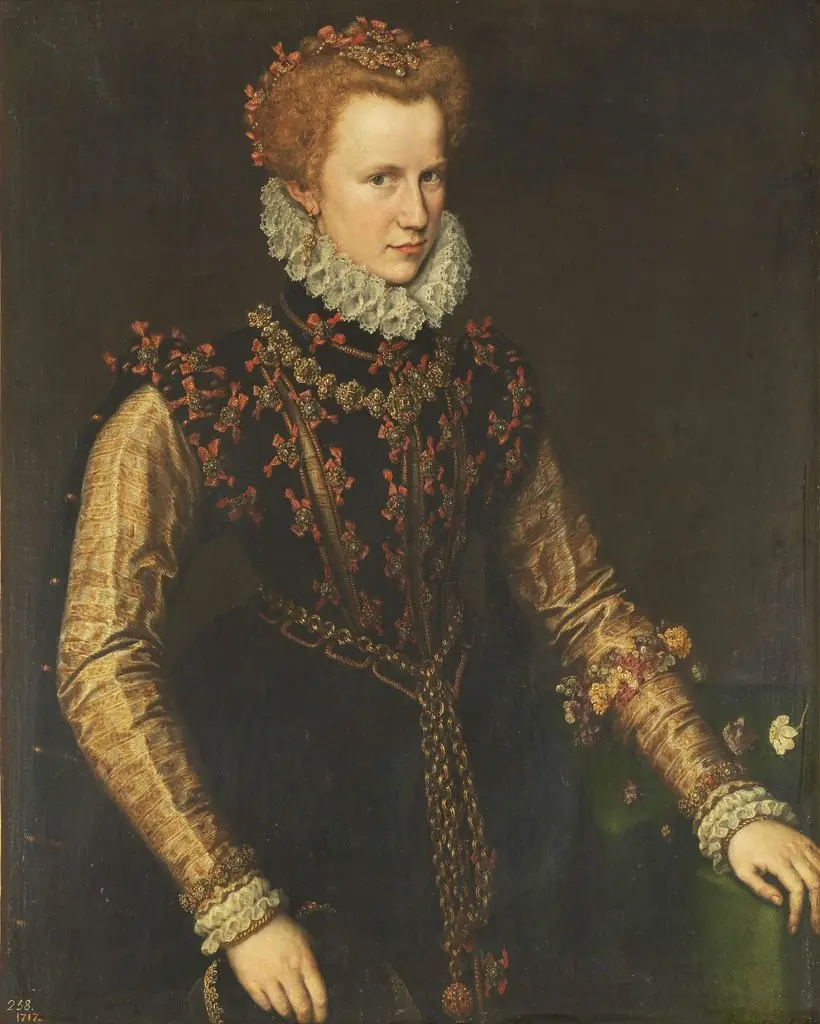 Jane Dormer, Duchess of Feria (?)
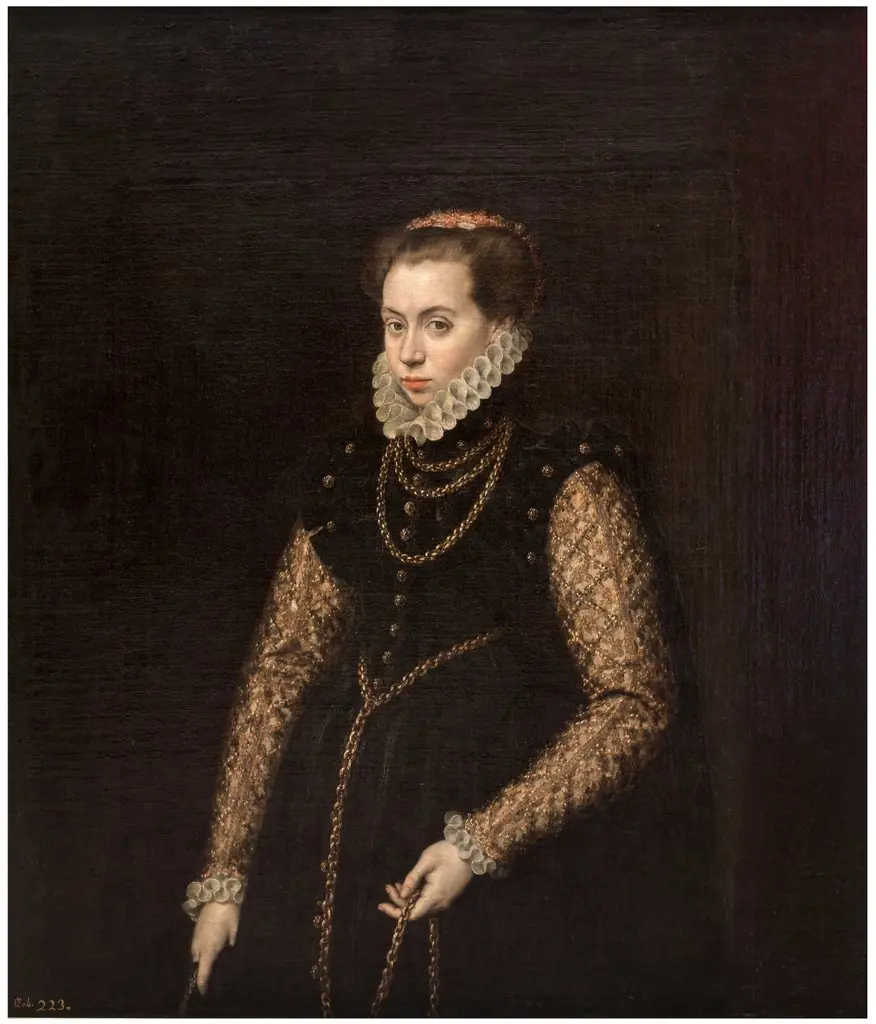 Lady with Gold Chains
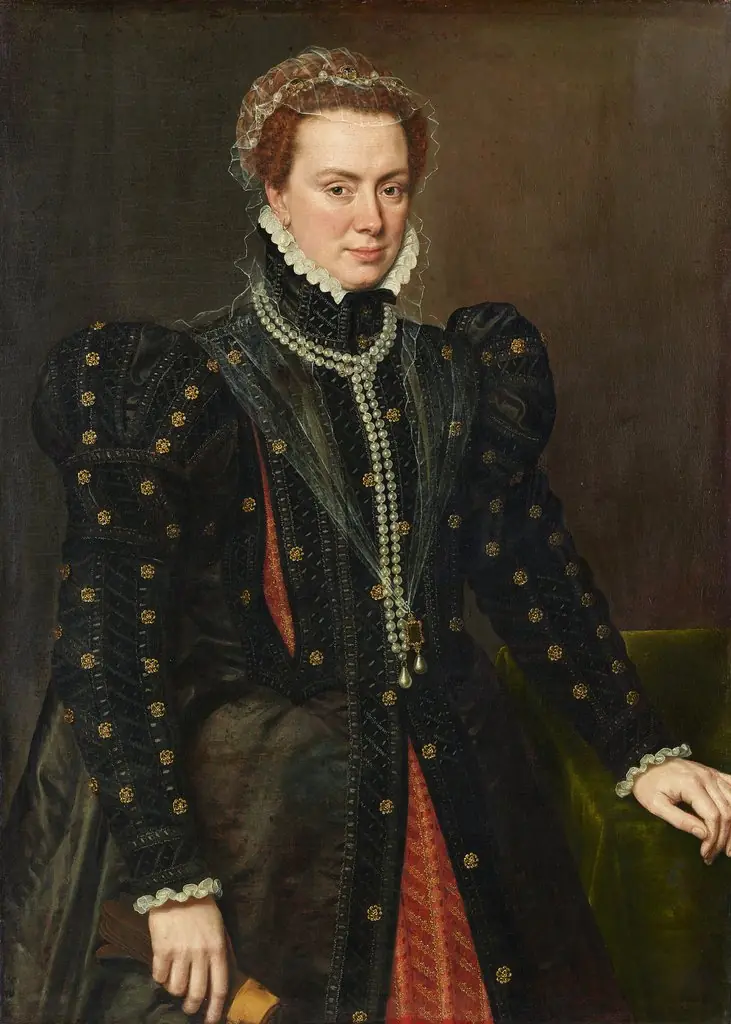 Margaret, Duchess of Parma
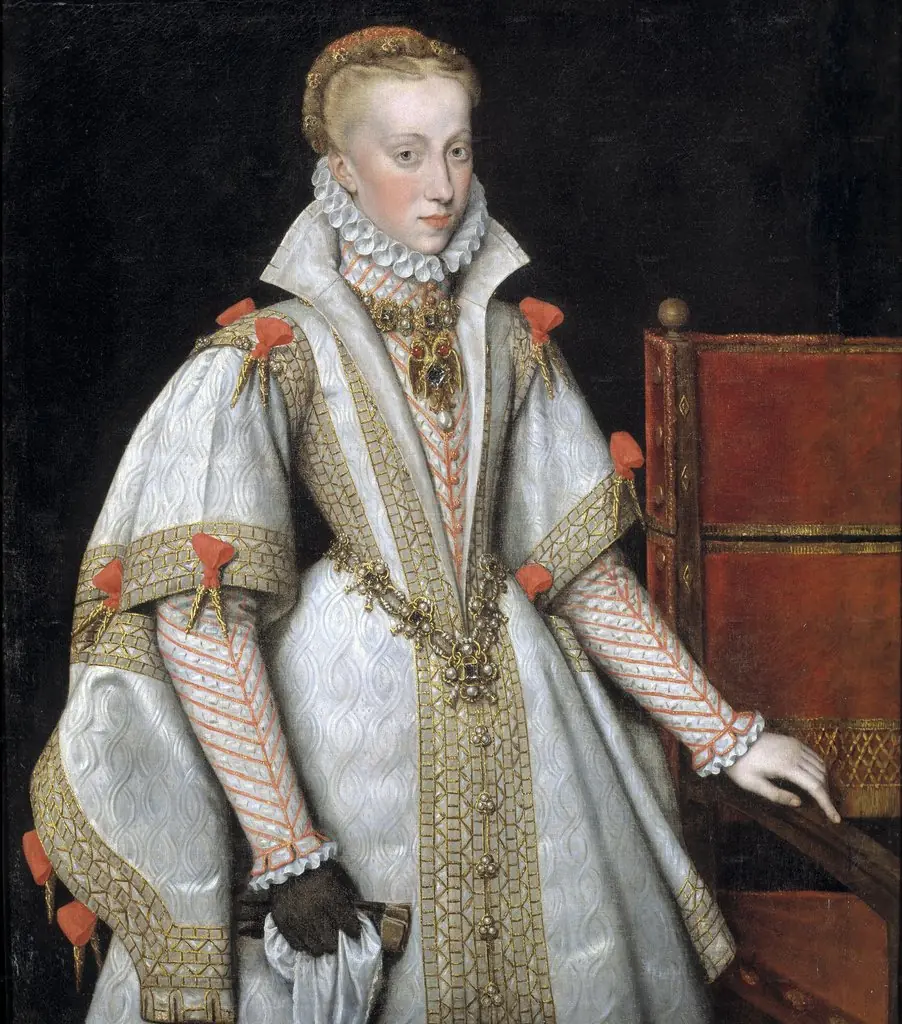 Queen Anne of Austria, fourth Wife of Philip II
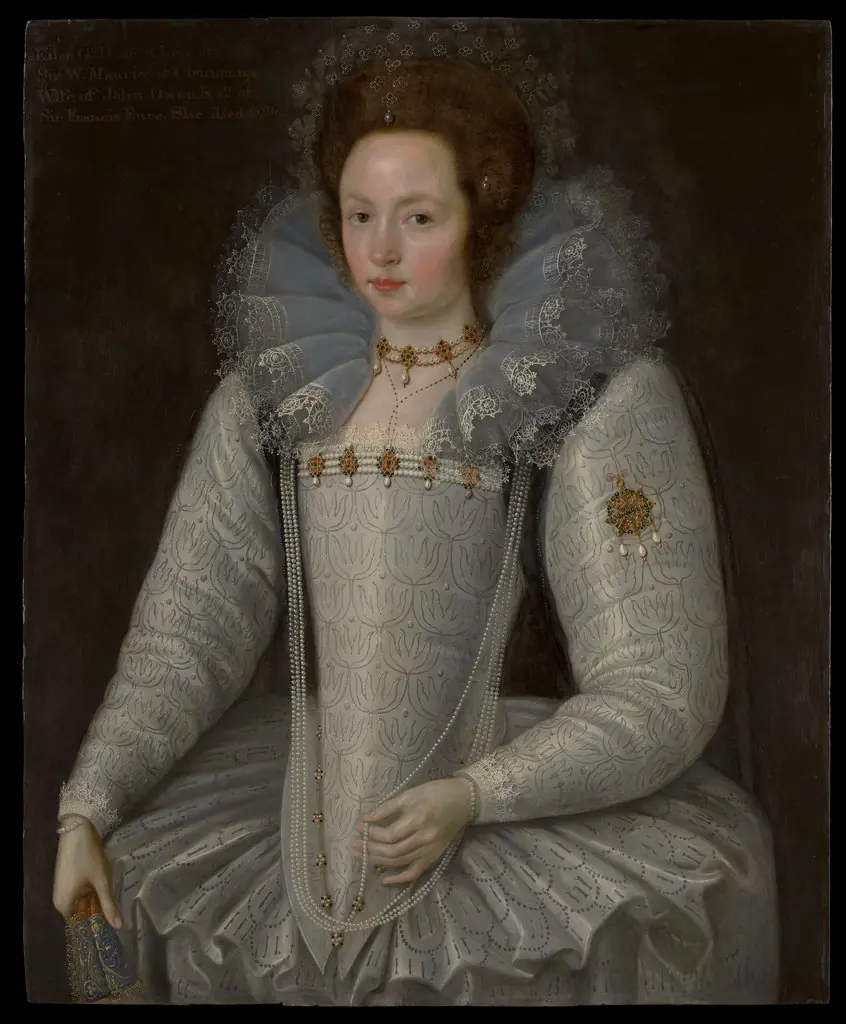 Ellen Maurice (1578–1626)
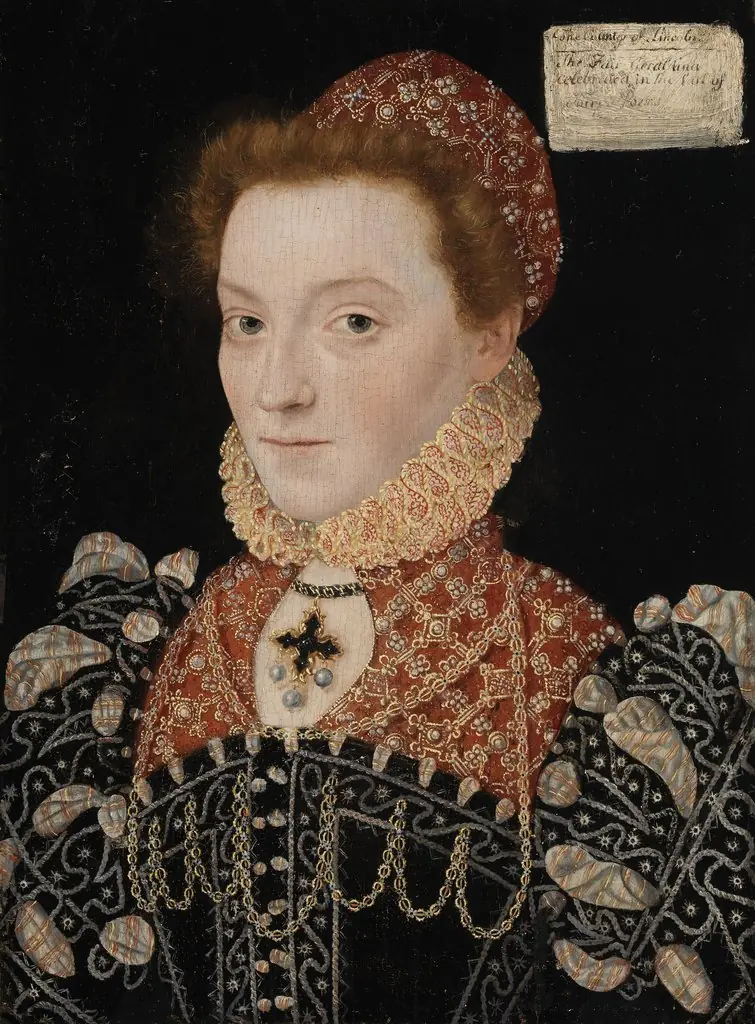 Portrait of 'The Fair Geraldine' (Elizabeth Fitzgerald, Countess of Lincoln, c1528-1590)
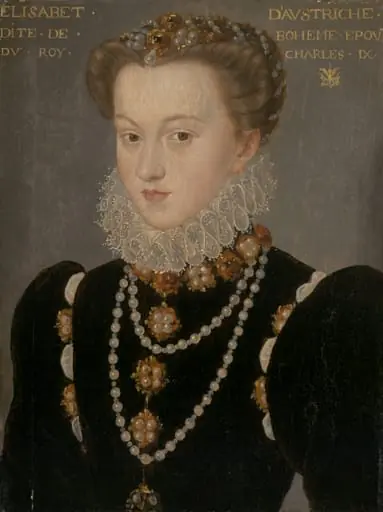 Portrait of Elizabeth of Austria, Wife of King Charles IX of France
 Portrait of a Court Lady