Artwork
Portrait of 'The Fair Geraldine' (Elizabeth Fitzgerald, Countess of Lincoln, c1528-1590)
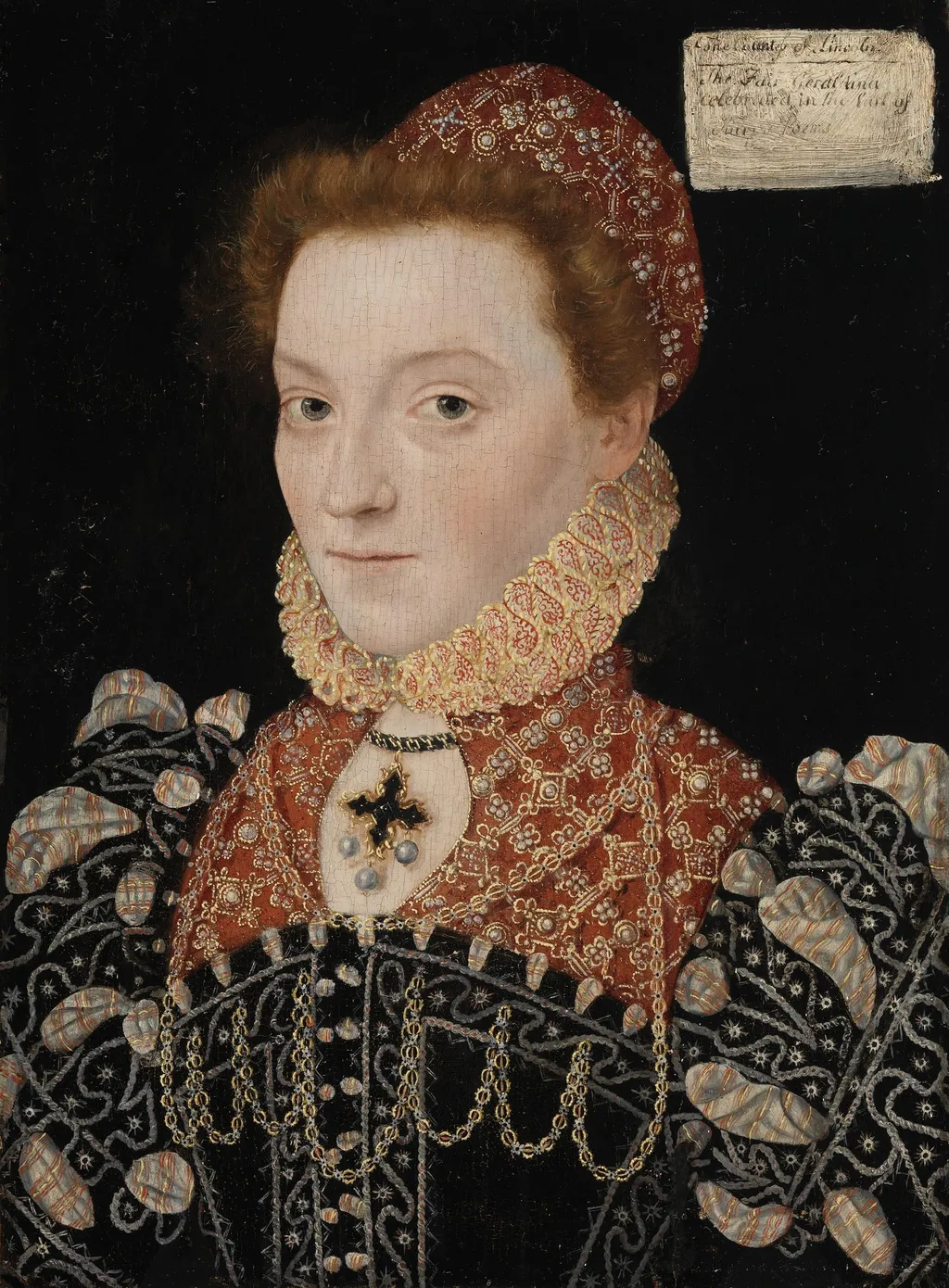
Portrait of 'The Fair Geraldine' (Elizabeth Fitzgerald, Countess of Lincoln, c1528-1590) is an unspecified painting by the Mannerist artist Master of the Countess of Warwick. It dates from 1567 and is held in the collection of the National Gallery of Ireland. Painted in 1567, this portrait depicts Elizabeth Fitzgerald, Countess of Lincoln, known in her time as 'The Fair Geraldine.
About this work
Overview
' The artist, referred to as the Master of the Countess of Warwick, remains unidentified but was active in England during the 1560s.
Painted in 1567, this portrait depicts Elizabeth Fitzgerald, Countess of Lincoln, known in her time as 'The Fair Geraldine.' The artist, referred to as the Master of the Countess of Warwick, remains unidentified but was active in England during the 1560s. The work belongs to the National Gallery of Ireland’s collection and exemplifies the refined portraiture favored by the Tudor elite, blending courtly elegance with meticulous attention to textile detail.
Subject & Meaning
Elizabeth Fitzgerald, daughter of the 1st Earl of Kildare, married into the Lincoln line, securing her place in the Tudor aristocracy. The portrait emphasizes her status through elaborate dress and composed demeanor, reflecting her role as a noblewoman rather than individual personality. Her calm gaze and restrained expression convey dignity and social poise, aligning with ideals of female virtue and decorum in mid-16th-century England.
Technique & Style
The artist employed a Mannerist approach, characterized by elongated forms and heightened detail, akin to Elizabethan miniatures. The black background isolates the sitter, directing focus to her attire: a dark red gown adorned with intricate gold embroidery, pearl-like sleeve patterns, and finely rendered lace cuffs. Light falls evenly across her face, enhancing clarity without dramatic contrast, a hallmark of courtly portraiture that prioritizes precision over emotional expression.
History & Provenance
Commissioned during the height of Elizabeth I’s reign, the portrait likely served to affirm the sitter’s lineage and social standing. It entered the National Gallery of Ireland’s collection in the 20th century, having passed through private hands since the 16th century. Its attribution to the Master of the Countess of Warwick stems from stylistic parallels with other works linked to the same hand, though no documentary evidence confirms the artist’s identity.
Context
This portrait emerged during a period when aristocratic women were increasingly depicted in formal attire as symbols of family prestige. The emphasis on fabric texture and jewel-like embellishments reflects broader trends in Tudor court culture, where clothing functioned as a visual language of power. Similar techniques appear in miniatures by Nicholas Hilliard and other artists working within the same visual tradition.
Legacy
Though the artist remains anonymous, the portrait stands as a representative example of Tudor elite portraiture. Its preservation in a public collection allows ongoing study of how noblewomen were visually constructed in the 16th century. The work contributes to understanding the stylistic continuity between panel painting and miniature art, revealing how small-scale precision influenced larger formats in the period.
Artist & collection
Artist
Master of the Countess of Warwick
The Master of the Countess of Warwick is a painter who worked in Tudor England, producing dated work during the 1560s.

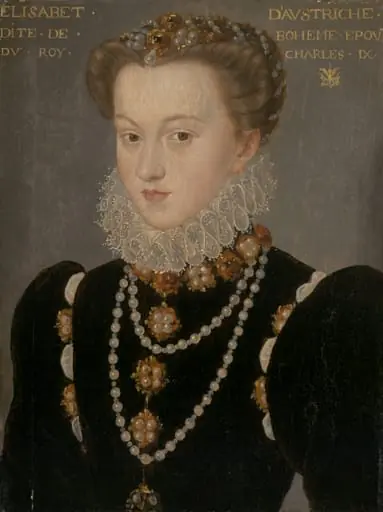 Portrait of Elizabeth of Austria, Wife of King Charles IX of France
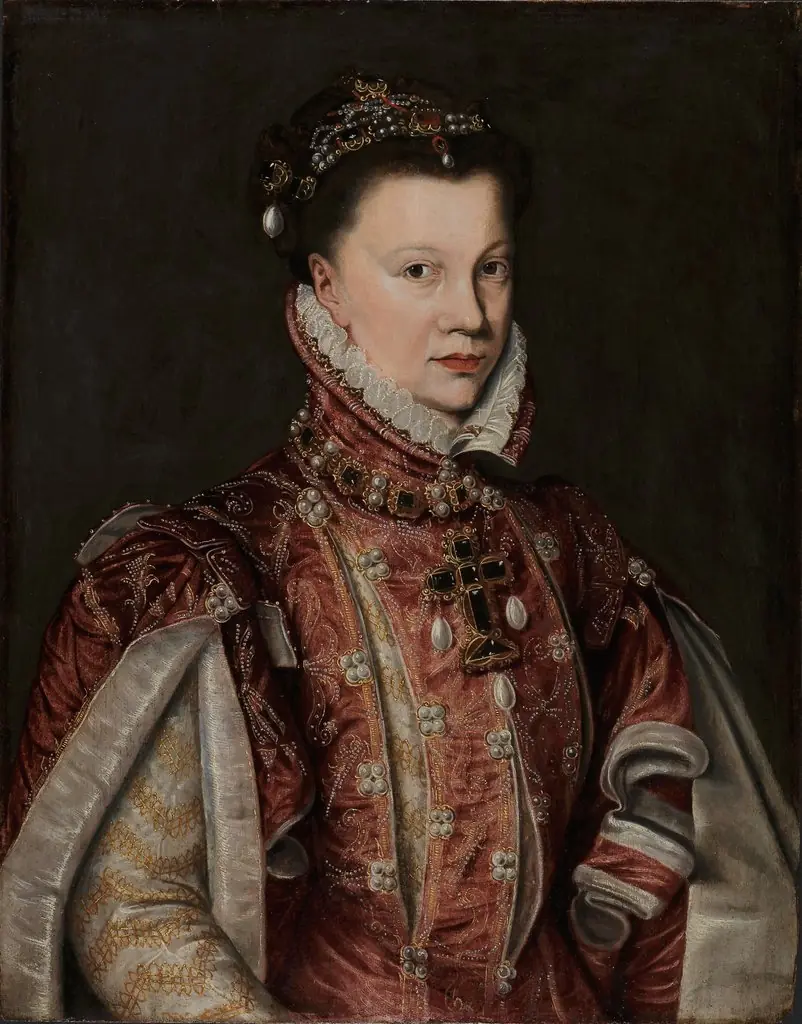 Elisabeth of Valois
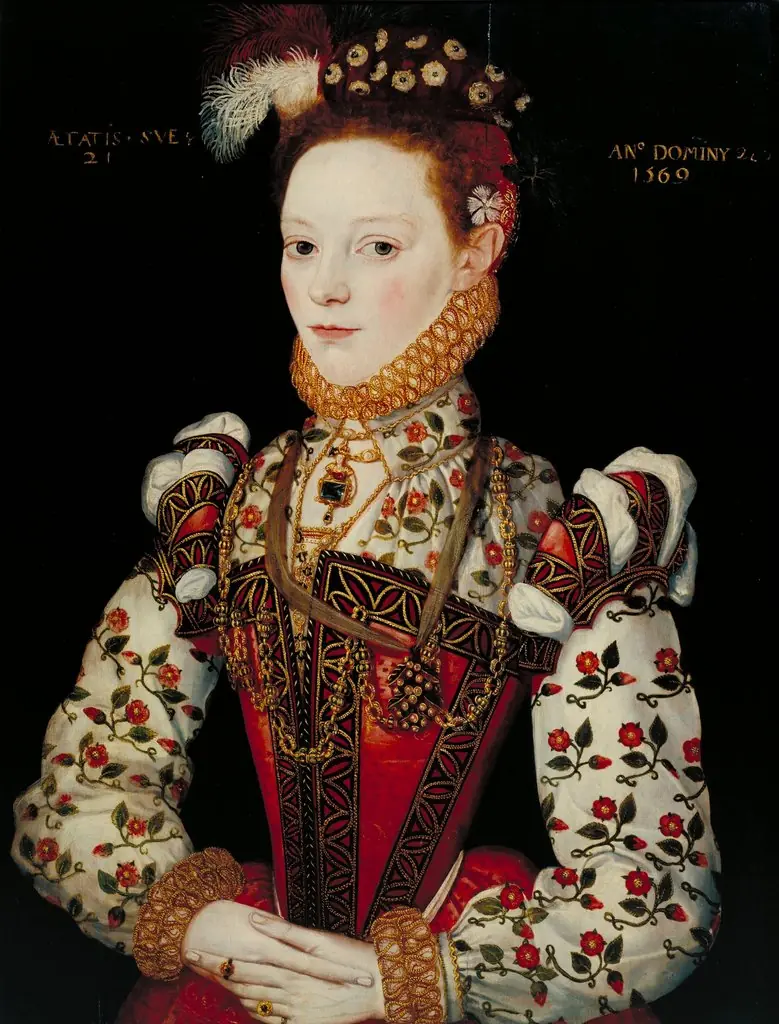 A Young Lady Aged 21, Possibly Helena Snakenborg, later Marchioness of Northampton
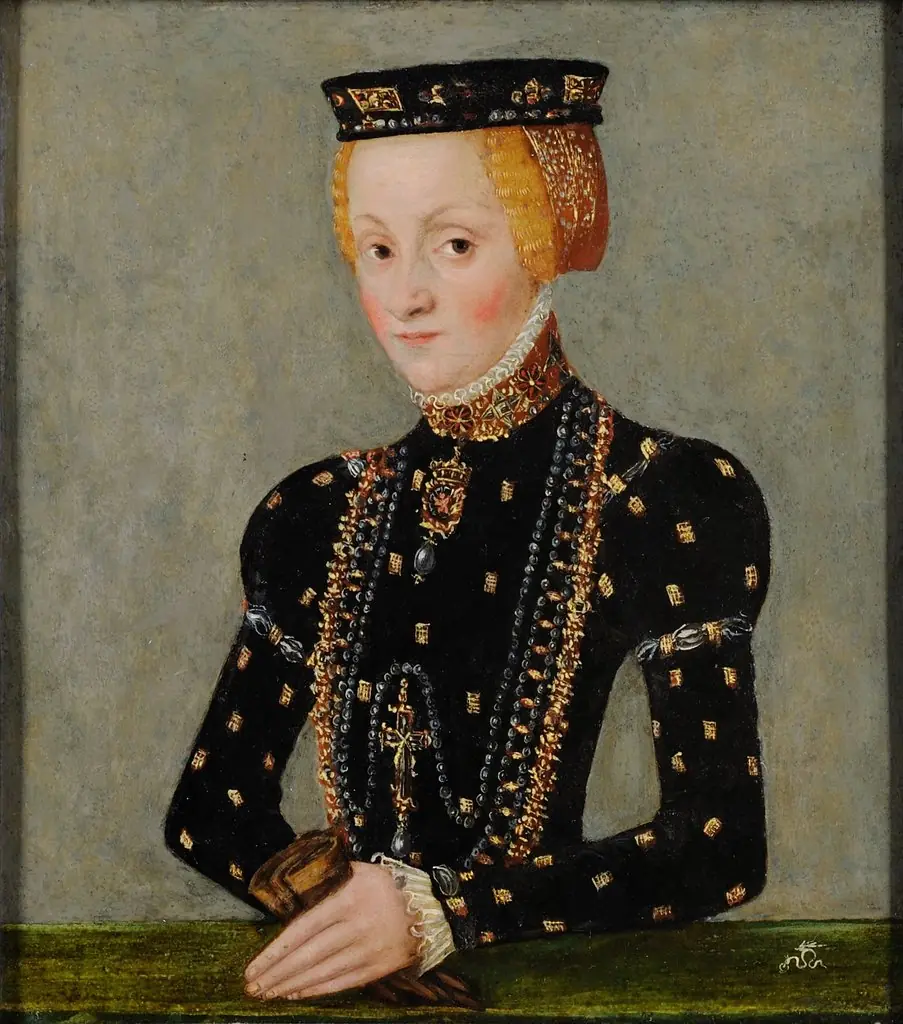 Catherine Jagellon
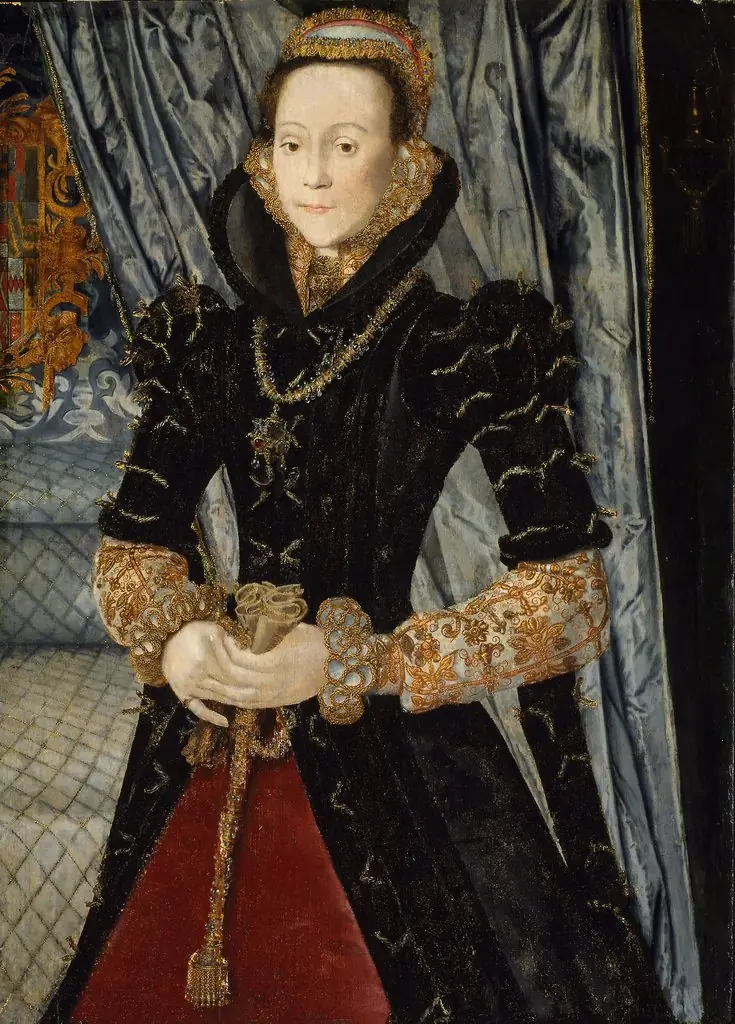 Portrait of a Lady of the Wentworth Family (Probably Jane Cheyne)
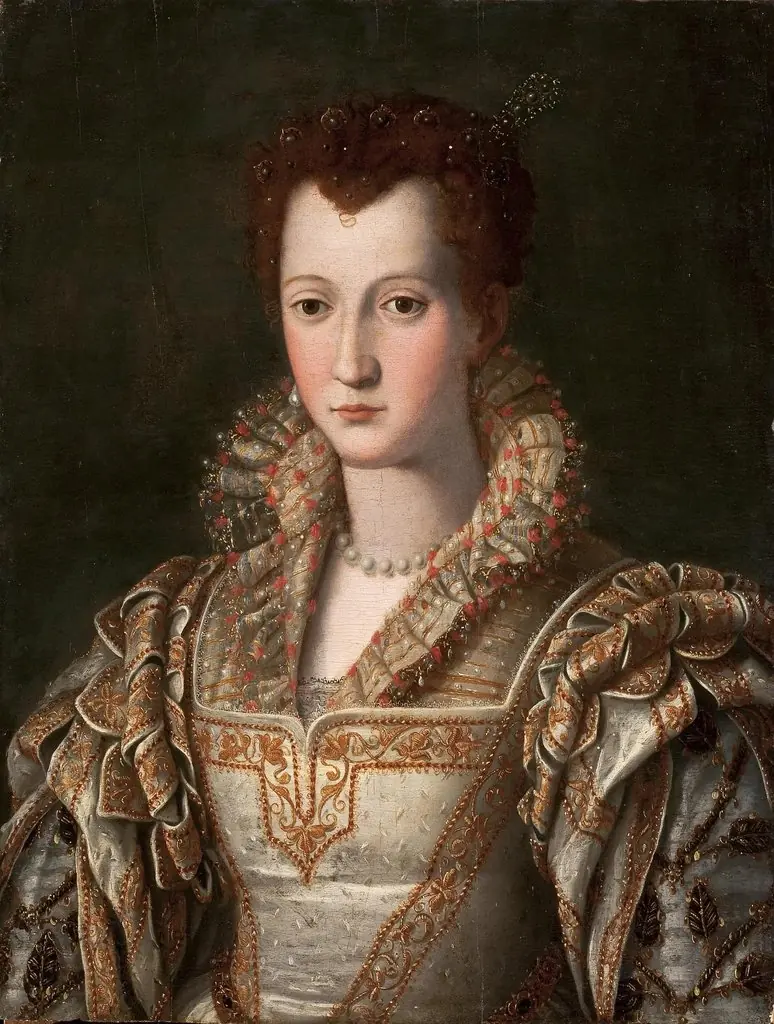 Portrait of Eleonora (Dianora) Medici of Toledo
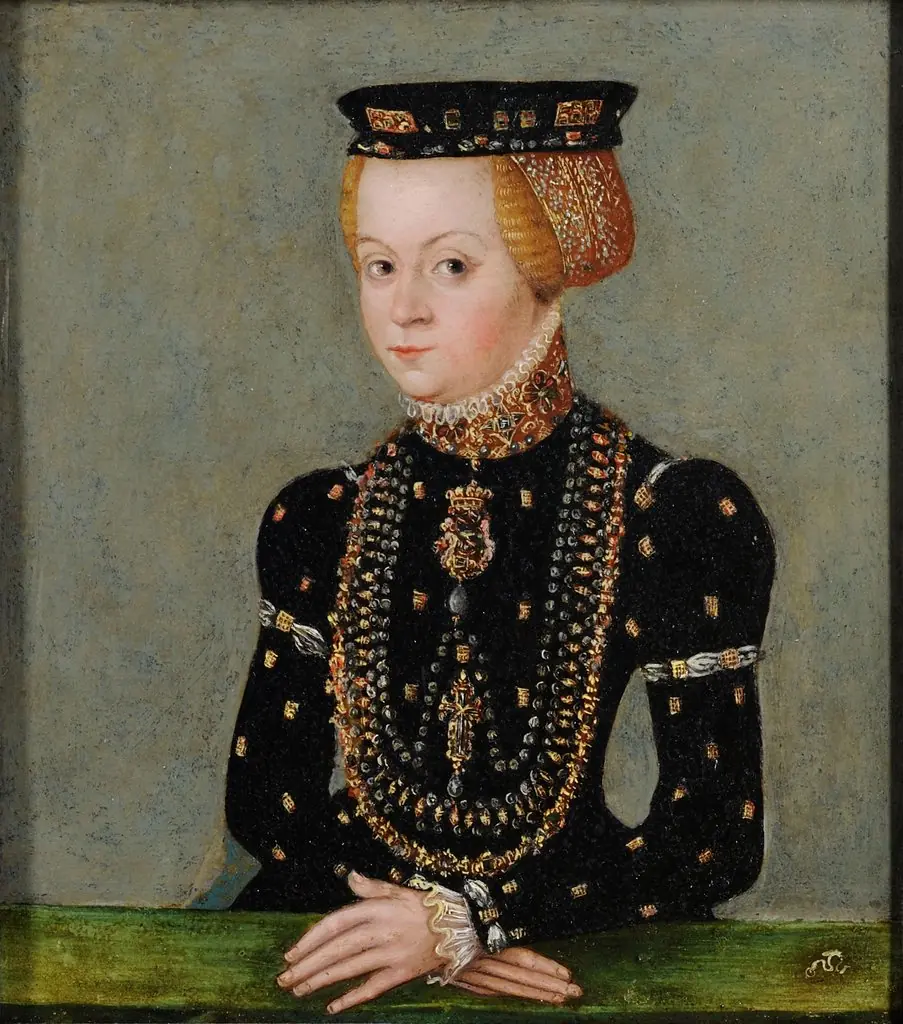 Sophia Jagiellon
 Portrait of a Court Lady
 Weibliches Bildnis
 Queen Anne of Austria, fourth Wife of Philip II